
Home › Gastritis Treatment
Gastritis Care in Katy & Cypress, TX
Gastritis Treatment for Stomach Inflammation in Katy & Cypress, TX
A burning or gnawing ache in the upper abdomen, nausea, or feeling full after only a few bites can be signs of gastritis, inflammation of the stomach lining. Board-certified gastroenterologist Dr. Muhammad Ali Khan finds the cause, tests for H. pylori, performs upper endoscopy when it is needed, and treats gastritis at United Gastroenterology Associates offices in Katy and Cypress, TX.
Dr. Muhammad Ali Khan, MD, FACP, FASGE
Gastroenterologist and Hepatologist
What Is Gastritis (Stomach Inflammation)?
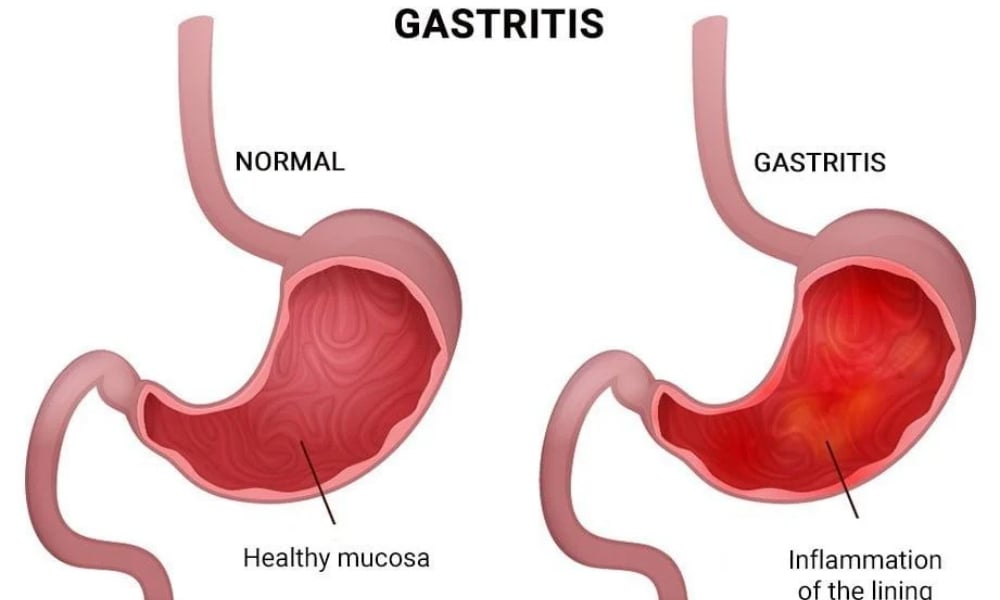
Gastritis is inflammation of the stomach lining, the protective layer that normally shields the stomach wall from its own acid and digestive enzymes. When the lining is inflamed, it can become irritated or worn down, which leads to upper abdominal pain, nausea and other symptoms. Some people have no symptoms at all.
Gastritis can be acute, starting suddenly and often improving once the cause is removed, or chronic, developing slowly and lasting months or years. It can also be erosive, with shallow breaks in the lining, or non-erosive. Doctors use the related term gastropathy for damage to the lining with little inflammation, which is often caused by pain relievers, alcohol or bile.
The most common causes are infection with Helicobacter pylori (H. pylori) and regular use of pain relievers such as aspirin and ibuprofen. Most gastritis is treatable, and finding the specific cause is the most important step toward lasting relief.
Stomach inflammation symptoms · GERD vs gastritis · Gut inflammation explained
Board-Certified
Gastroenterology, hepatology, and internal medicine
Academic Medicine
Former Associate Professor, UT MD Anderson Cancer Center
Published Research
More than 100 peer-reviewed articles in gastroenterology
FACP and FASGE
Fellow, American College of Physicians and American Society for Gastrointestinal Endoscopy
What Are the Symptoms of Gastritis?
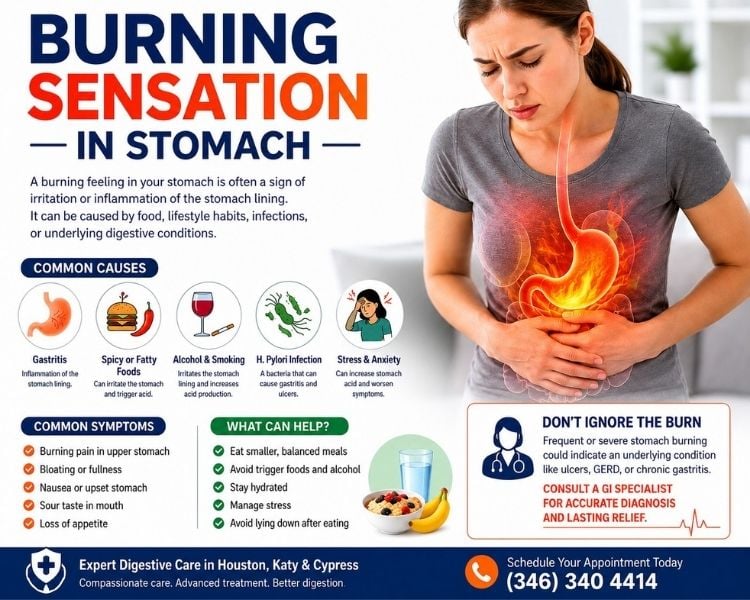
The most common symptom of gastritis is pain or a burning, gnawing feeling in the upper middle abdomen, between the breastbone and the belly button. It may get better or worse with eating. Many people also have nausea, bloating or a sense of fullness that comes on quickly during a meal.
Symptoms vary a great deal. Chronic gastritis often causes mild or no symptoms, and it may first come to light through anemia or during an endoscopy done for another reason.
When to seek emergency care
Call 911 or go to the emergency room if you vomit blood or material that looks like coffee grounds, pass black, tarry or bloody stools, or have severe abdominal pain, fainting or a racing heartbeat.
Common symptoms of gastritis
- Burning or gnawing upper abdominal pain
- Nausea
- Vomiting
- Feeling full after eating only a little
- Bloating or belching
- Indigestion (dyspepsia)
- Loss of appetite
- Fatigue from anemia in long-standing gastritis
These symptoms have other possible causes, including ulcers, GERD and gallbladder disease, and should be evaluated by a qualified medical professional.
What Causes Gastritis?
Anything that weakens the stomach’s protective lining or keeps it inflamed can cause gastritis. The most common causes are:
H. pylori Infection
A common bacterial infection that can live in the stomach lining for years. It is a leading cause of chronic gastritis and peptic ulcers.
Pain Relievers (NSAIDs)
Regular use of aspirin, ibuprofen, naproxen and similar medicines reduces the stomach’s natural protection and can cause erosions and ulcers.
Alcohol
Heavy or frequent drinking irritates and erodes the stomach lining and can cause acute gastritis.
Bile Reflux
Bile flowing back from the small intestine into the stomach irritates the lining. It is more common after certain stomach surgeries.
Autoimmune Gastritis
The immune system attacks the acid-producing cells of the stomach, which can lead to vitamin B12 and iron deficiency over time.
Severe Physical Stress
Critical illness, major surgery, serious burns or injuries can cause stress-related gastritis and bleeding in hospitalized patients.
Less common causes include Crohn’s disease, other infections and eosinophilic gastritis. Everyday stress does not cause gastritis directly, but it can make stomach symptoms feel worse. Why does my stomach burn?.
What Is H. pylori Gastritis and How Is It Treated?
Helicobacter pylori is one of the most common long-term bacterial infections in the world. It is usually picked up in childhood and can stay in the stomach for decades, causing chronic gastritis. In some people it leads to peptic ulcers, and long-standing infection raises the risk of stomach cancer and, rarely, a type of lymphoma called MALT lymphoma.
H. pylori is diagnosed with a urea breath test, a stool antigen test, or biopsies taken during upper endoscopy. Because acid-reducing medicines and antibiotics can hide the infection, your doctor may ask you to pause some medications before testing.
Treatment combines two or more antibiotics with an acid-reducing medicine, usually for 14 days. Antibiotic resistance is increasing, so the regimen is chosen carefully and confirming the infection is gone matters. A breath or stool test is recommended at least four weeks after treatment ends. Family members who live with you may also be offered testing.
H. pylori symptoms, testing and treatment · Symptoms of peptic ulcers
Stomach Pain That Keeps Coming Back?
Ongoing upper abdominal pain, nausea or early fullness deserves a medical evaluation. See Dr. Khan at the Katy or Cypress office to find the cause and start the right treatment.
How Is Gastritis Diagnosed?
Diagnosis starts with your symptoms, medication and alcohol use, and medical history. Testing then looks for the cause and checks for damage such as ulcers or bleeding. Gastritis can only be confirmed with certainty by examining biopsies of the stomach lining.
H. pylori Breath or Stool Test
Simple, non-invasive tests that detect active H. pylori infection. They are also used after treatment to confirm the infection has been cleared.
Upper Endoscopy (EGD) With Biopsy
A thin, flexible camera examines the esophagus, stomach and duodenum under sedation. Biopsies can confirm gastritis, detect H. pylori, and look for changes such as atrophy or intestinal metaplasia.
Upper endoscopy (EGD) · Endoscopy in Katy · Endoscopy in Cypress
Blood Tests
A blood count checks for anemia from slow bleeding, and vitamin B12 and iron levels help identify autoimmune gastritis and its effects.
Wondering what the scope involves? Read what happens during an upper endoscopy or see self-pay endoscopy options.
How Is Gastritis Treated?
Gastritis treatment targets the cause, relieves symptoms and gives the stomach lining time to heal. Most people need a combination of the steps below.
Remove the Cause
Stopping or changing NSAID pain relievers when possible, avoiding alcohol and quitting smoking allow the lining to recover. Never stop a prescribed medicine such as aspirin for your heart without talking to your doctor.
Eradicate H. pylori
A combination of antibiotics and an acid-reducing medicine, usually for 14 days, followed by a test to confirm the infection is gone.
Acid-Reducing Medicine
Proton pump inhibitors or H2 blockers lower stomach acid so the lining can heal. Antacids can give short-term relief of mild symptoms.
Bile Reflux Care
When bile is the cause, treatment focuses on easing symptoms with medication. Surgery is reserved for rare, severe cases.
Autoimmune Gastritis Care
Vitamin B12 and iron replacement when levels are low, with periodic endoscopy for some patients based on biopsy findings.
Follow-Up
Symptoms and test results are reviewed, H. pylori cure is confirmed, and repeat endoscopy is arranged when an ulcer or pre-cancerous change needs to be rechecked.
This information is educational. Do not start, stop or change medication without medical advice.
What Are the Complications of Untreated Gastritis?
Many people with gastritis never develop complications, but long-standing inflammation can cause problems that are easier to manage when found early.
Peptic Ulcers
Open sores in the stomach or duodenum, most often caused by H. pylori or NSAIDs. They can cause pain, bleeding and, rarely, perforation.
Bleeding and Anemia
Erosions and ulcers can bleed slowly, causing iron-deficiency anemia, or suddenly, causing black stools or vomiting blood.
Vitamin B12 Deficiency
Autoimmune gastritis reduces absorption of vitamin B12, which can cause anemia, fatigue, and numbness or tingling if it is not treated.
Stomach Cancer Risk
Chronic H. pylori infection and atrophic gastritis increase the risk of stomach cancer. The overall risk is low, and treating H. pylori reduces it.
When is stomach pain serious? · Gastritis care for Houston patients.
Is It Gastritis, GERD or an Ulcer?
Gastritis, GERD and peptic ulcers can all cause burning pain and indigestion, and they can occur together. Gastritis is inflammation of the stomach lining itself. GERD is acid and stomach contents flowing back into the esophagus, which typically causes heartburn behind the breastbone and regurgitation. A peptic ulcer is a deeper sore in the lining of the stomach or duodenum.
Because the symptoms overlap and the treatments differ, a gastroenterologist uses your history, H. pylori testing and, when needed, upper endoscopy to tell them apart.
GERD treatment in Katy and Cypress · GERD vs gastritis: key differences · Upper abdominal pain causes
What Should You Eat if You Have Gastritis?
No single diet cures gastritis, and food does not cause most cases. Diet changes can ease symptoms while the cause is treated. Many people feel better when they:- Eat smaller meals and avoid eating late at night
- Limit or avoid alcohol
- Stop smoking
- Notice and avoid foods that clearly worsen their symptoms, which for some people include spicy, acidic, fatty or fried foods
- Avoid NSAID pain relievers unless a doctor recommends them
If certain foods seem to cause pain every time you eat, keep a short symptom diary and bring it to your visit.
When Should You See a Gastroenterologist for Gastritis?
See a gastroenterologist when upper abdominal pain, indigestion or nausea lasts more than a couple of weeks, keeps coming back, or returns whenever you stop over-the-counter medicine. Prompt evaluation is important if you have:- Vomiting, especially vomiting blood or coffee-ground material
- Black, tarry or bloody stools
- Unintentional weight loss
- Difficulty swallowing
- Iron-deficiency anemia or low vitamin B12
- A family history of stomach cancer
- New indigestion that starts later in life
Seeing a specialist is also a good idea if you take NSAIDs or aspirin regularly and develop stomach symptoms, or if you have been treated for H. pylori and symptoms remain.
When to see a gastroenterologist for abdominal pain · Abdominal pain specialist · Nausea and vomiting care
Where Can You Get Gastritis Treatment Near You?
Dr. Khan treats gastritis at two offices, Katy on I-10 and Cypress on US-290. These local guides cover gastritis symptoms, driving times and directions for each area.
Katy
Gastritis symptoms and treatment at the Katy office on Katy Freeway near the Grand Parkway.
Cypress
Symptoms of gastritis, evaluated and treated at the Cypress office on Northwest Freeway.
Fulshear
Gastritis pain and stomach inflammation care for Fulshear, about 21 minutes from the Katy office.
Spring
Chronic gastritis care for Spring-area patients at the Cypress office, about 40 minutes away.
Houston
Gastritis symptoms and treatment for Houston patients at either office.
Tomball
Stomach and digestive care for Tomball, about 26 minutes from the Cypress office.
Driving times are estimates without traffic. Prefer to talk with the office first? Call (346) 340-4414 or view both office locations.
What Does a Gastritis Specialist Do?
A gastritis specialist is usually a gastroenterologist, a physician trained in diseases of the esophagus, stomach and intestines. A gastroenterologist confirms whether your symptoms come from gastritis or another condition, tests for and treats H. pylori, performs upper endoscopy with biopsies, treats ulcers and bleeding, and follows conditions such as atrophic gastritis that need periodic monitoring.
Consider seeing a stomach inflammation specialist when symptoms last for weeks, return after treatment, come with warning signs such as bleeding or weight loss, or when you need long-term pain relievers and want to protect your stomach. Many patients can schedule directly; some insurance plans require a referral.
Read Dr. Khan’s full profile · Gastroenterologist for Houston patients

Dr. Muhammad Ali Khan, MD, FACP, FASGE
Board-certified gastroenterologist and hepatologist, United Gastroenterology Associates
Your Gastritis Specialist: Dr. Muhammad Ali Khan
Dr. Muhammad Ali Khan, MD, FACP, FASGE, is a board-certified gastroenterologist and hepatologist who sees patients at the United Gastroenterology Associates offices in Cypress and Katy. He diagnoses and treats gastritis and its causes, tests for and treats H. pylori, performs upper endoscopy with biopsy, and manages ulcers, bleeding and autoimmune gastritis.
Dr. Khan earned his medical degree at Dow Medical College, completed an internal medicine residency at the University of Toledo, and completed a gastroenterology and hepatology fellowship at the University of Tennessee Health Science Center. He served as an Assistant Professor at the University of Alabama at Birmingham and as an Associate Professor at The University of Texas MD Anderson Cancer Center.
He is board-certified in gastroenterology, hepatology, and internal medicine, is a Fellow of the American Society for Gastrointestinal Endoscopy (FASGE) and the American College of Physicians (FACP), and has authored more than 100 peer-reviewed articles. Read Dr. Khan’s full profile.
Professional Memberships
- American College of Gastroenterology
- American Society for Gastrointestinal Endoscopy (Fellow)
- American Gastroenterological Association
- American College of Physicians (Fellow)
- Texas Medical Association
- Texas Society of Gastroenterology & Endoscopy
Areas of Care
- Gastritis and stomach inflammation
- H. pylori infection
- Peptic ulcers
- Autoimmune (atrophic) gastritis
- Bile reflux
- Upper GI bleeding
- Upper endoscopy (EGD) with biopsy
- Indigestion and upper abdominal pain
Why Choose United Gastroenterology Associates for Gastritis Care?
Patients from Katy, Cypress, Tomball and the west and northwest Houston area choose United Gastroenterology Associates for a careful gastritis evaluation and a clear treatment plan.
Cause-Focused Diagnosis
Treatment is based on the cause of your gastritis, whether H. pylori, medication, alcohol, bile or an autoimmune process.
Endoscopy in the Same Practice
Dr. Khan performs upper endoscopy with biopsies when it is needed to confirm the diagnosis.
H. pylori Test of Cure
After treatment, follow-up testing confirms the infection has cleared.
Look-Alike Conditions Considered
GERD, ulcers, gallbladder disease and functional dyspepsia can mimic gastritis and are considered.
Planned Follow-Up
Results are reviewed with you, and monitoring is arranged when biopsies show changes that need it.
Two Convenient Offices
Katy on I-10 and Cypress on US-290, with one phone number for scheduling.
Gastritis Treatment at Our Katy and Cypress Offices
Dr. Khan sees patients with gastritis and stomach inflammation at the Cypress office at 21216 Northwest Freeway, Suite 640, Cypress, TX 77429, serving Cypress, Tomball, Jersey Village and northwest Houston, and at the Katy office at 23920 Katy Freeway, Suite 555, Katy, TX 77494, serving Katy, Fulshear, Richmond, Rosenberg and west Houston. Both offices share one phone number for scheduling.
United Gastroenterology Associates – Cypress Office
Cypress office – Northwest Freeway (US-290)
- Address: 21216 Northwest Freeway, Suite 640, Cypress, TX 77429
- Phone: (346) 340-4414
- Hours: Monday–Friday, 8:30 AM–5:00 PM (closed 12:00–1:30 PM for lunch; last appointment 4:30 PM)
United Gastroenterology Associates – Katy Office
Katy office – Katy Freeway (I-10) near the Grand Parkway
- Address: 23920 Katy Freeway, Suite 555, Katy, TX 77494
- Phone: (346) 340-4414
- Hours: Monday–Friday, 8:30 AM–5:00 PM (closed 12:00–1:30 PM for lunch; last appointment 4:30 PM)
Insurance and Self-Pay Options
United Gastroenterology Associates accepts most major insurance plans, including the carriers shown here. Coverage for visits, testing, and procedures depends on your plan, so the office verifies your benefits before your appointment. Self-pay options are available.
A carrier logo does not guarantee coverage for a specific plan or service. Call (346) 340-4414 to confirm your benefits.









What Patients Say About Dr. Khan
These reviews were shared by patients of United Gastroenterology Associates and are published on the practice website.
“Dr. Khan is an exceptionally kind and compassionate physician. He truly listens to his patients and takes the time to explain everything clearly and thoroughly. His treatment plans are straightforward and easy to understand, and he provides a very personalized, attentive level of care. I felt respected, heard, and genuinely cared for throughout my visit.”
Maria Andreina Behrens · Katy
“Dr. Khan is an amazing physician. He is so kind hearted & wants to help you in every way possible. He listens & doesn’t make you feel rushed. I feel so comfortable talking to him about anything. I am so glad to have him as my gastro doctor. His staff is outstanding as well. Shout out to Dr. Khan & his staff.”
Donna LaPlante · Cypress
“Dr Kahn and his staff are AWESOME. He is thorough, kind, listens and puts you at ease. The staff are patient and very helpful. I was so afraid of having a colonscopy. Dr Kahn was wonderful. My procedure went so well. It was over and done with in what seemed like a minute! So expect that! Dr Kahn is excellent, I trust him completely. And I recommend him, and his staff.”
Steph Apie · Fulshear
How to Schedule a Gastritis Appointment
Scheduling with United Gastroenterology Associates takes three steps. Request an appointment online or by phone and choose the Cypress or Katy office.
Request an appointment
Call (346) 340-4414 or use the online request form and choose “Gastritis / Stomach Pain” as the reason for your visit.
Share your records
Bring recent lab results, imaging reports, a medication list, and any referral. The office verifies your insurance or explains self-pay options.
Meet Dr. Khan
Dr. Khan reviews your history and results, explains what they mean, and recommends next steps, which may include further testing.
Gastritis Guides and Patient Resources
Learn more about stomach inflammation, H. pylori, ulcers and testing in these patient guides from United Gastroenterology Associates.
H. pylori and Ulcers
H. pylori symptoms and treatment
Peptic ulcer symptoms
Iron-deficiency anemia and GI bleeding
Eating and Digestion
Stomach pain after eating
Nausea and loss of appetite
Stomach swelling and bloating
Related Conditions
Endoscopy Near You
Endoscopy in Katy
Endoscopy in Cypress
Endoscopy for Houston patients
Gastritis Treatment: Frequently Asked Questions
Answers to common questions about gastritis, stomach inflammation and gastritis care in Katy and Cypress.
What is the best treatment for gastritis?
The best treatment depends on the cause. H. pylori gastritis is treated with antibiotics and an acid-reducing medicine, gastritis from pain relievers or alcohol improves when the irritant is stopped, and acid-reducing medicine helps the lining heal in most cases.
How long does gastritis take to heal?
Acute gastritis often improves within days to a few weeks once the cause is removed and treatment starts. H. pylori treatment usually lasts 14 days, followed by a test to confirm cure. Chronic or autoimmune gastritis may need longer-term care.
Is gastritis the same as a stomach ulcer?
No. Gastritis is inflammation of the stomach lining, while an ulcer is a deeper open sore. They share causes such as H. pylori and NSAIDs, and gastritis can lead to ulcers if it is not treated.
Can gastritis go away on its own?
Mild gastritis caused by alcohol or a pain reliever may settle once the irritant is stopped. Gastritis caused by H. pylori usually needs antibiotic treatment, and symptoms that last more than a couple of weeks should be evaluated.
Do I need an endoscopy for gastritis?
Not always. Many people are diagnosed and treated after H. pylori testing. Endoscopy is recommended for warning signs such as bleeding, vomiting, weight loss, trouble swallowing or anemia, when symptoms do not improve, and for some older adults with new symptoms.
Is gastritis contagious?
The inflammation itself is not contagious. H. pylori, a common cause, can pass between people, most often in childhood, so household members of someone with H. pylori are sometimes offered testing.
What foods should I avoid with gastritis?
Limit alcohol and any foods that clearly worsen your symptoms, which for some people include spicy, acidic, fatty or fried foods. Smaller meals and not eating late at night can also help. Diet eases symptoms but does not replace treating the cause.
Can stress cause gastritis?
Severe physical stress, such as critical illness, major surgery or serious burns, can cause stress gastritis. Everyday emotional stress does not cause gastritis directly, but it can make stomach symptoms feel worse.
Where can I get gastritis treatment near me?
Dr. Muhammad Ali Khan treats gastritis at 23920 Katy Freeway, Suite 555, Katy, TX 77494 and 21216 Northwest Freeway, Suite 640, Cypress, TX 77429. Call (346) 340-4414 to schedule.
Schedule Gastritis Treatment in Katy or Cypress
If upper abdominal pain, nausea or indigestion keeps coming back, schedule a visit with Dr. Khan to find the cause of your stomach inflammation and start a treatment plan that lets your stomach heal. Call (346) 340-4414 or request an appointment online.
Stay informed
Get The Latest
Digestive Discomfort? When to Consult a Gastroenterologist
Consulting with a gastroenterologist can lead to more accurate detection of polyps and cancer, fewer complications from procedures, and shorter hospital stays. So, for individuals experiencing digestive issues or in need of screening, reaching out to a gastroenterologist for expert care is recommended. Read More
Understanding Your Digestive System, Symptoms and Causes
The digestive system is composed of many parts, including the G.I. tract, liver, pancreas, and gallbladder, so it’s no surprise that symptoms in these areas can vary widely. Some symptoms can be mild, indicating something as simple as eating questionable leftovers. Learn More



Sources
- National Institute of Diabetes and Digestive and Kidney Diseases. Gastritis & Gastropathy. niddk.nih.gov
- Chey WD, Howden CW, Moss SF, et al. ACG Clinical Guideline: Treatment of Helicobacter pylori Infection. Am J Gastroenterol. 2024;119(9):1730–1753. doi.org/10.14309/ajg.0000000000002968
- Shah SC, Piazuelo MB, Kuipers EJ, Li D. AGA Clinical Practice Update on the Diagnosis and Management of Atrophic Gastritis. Gastroenterology. 2021;161(4):1325–1332. doi.org/10.1053/j.gastro.2021.06.078
This page provides general educational information and does not replace medical advice, diagnosis, or treatment. Symptoms should be evaluated by a qualified medical professional. For a medical emergency, call 911. Content reviewed by United Gastroenterology Associates, PLLC. Last updated September 29, 2026.