
Expert Endoscopy Care Close to Home
Endoscopy in Katy, TX – Upper Endoscopy (EGD) & Gastroenterology Care
Looking for an endoscopy in Katy, TX? United Gastroenterology Associates provides gastroenterology evaluation for patients with persistent upper digestive symptoms and conditions that may require an upper endoscopy, also called an EGD (esophagogastroduodenoscopy).
An upper endoscopy can help a gastroenterologist examine the esophagus, stomach, and first part of the small intestine when medically appropriate. Patients may be evaluated for symptoms such as persistent acid reflux, GERD, difficulty swallowing, upper abdominal pain, nausea, vomiting, gastrointestinal bleeding, and other ongoing digestive concerns.
Our Katy gastroenterology office provides convenient access for patients in Katy and surrounding communities seeking evaluation from an experienced GI specialist.
Looking for a gastroenterologist in Katy? Learn more about our Katy gastroenterologist services and digestive care.
Schedule a GI appointment: Call (346) 340-4414
Katy Location:
23920 Katy Fwy ste 555, Katy, TX 77494
Call Now: (346) 340-4414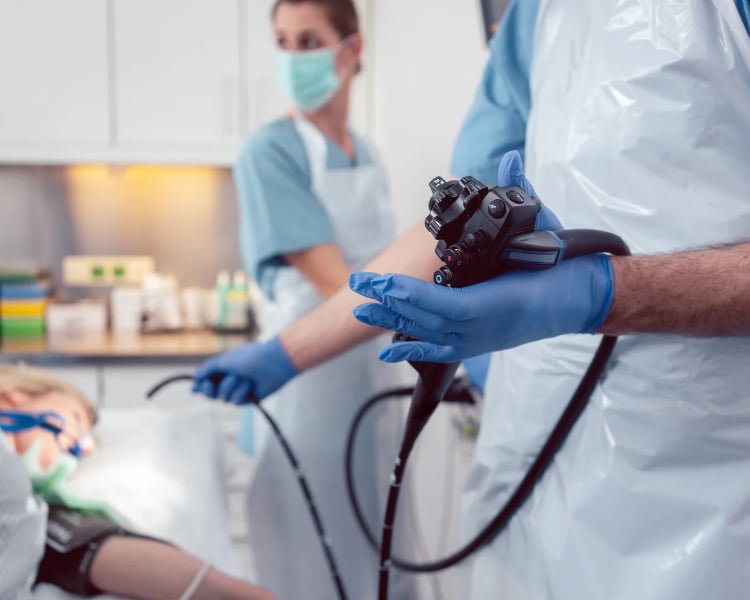
Upper Endoscopy in Katy, TX: What Is an EGD?
An upper endoscopy is a diagnostic procedure used to examine the upper gastrointestinal tract. It is commonly called an EGD, which stands for esophagogastroduodenoscopy.
During an upper GI endoscopy, a gastroenterologist uses a thin, flexible instrument called an endoscope to examine the:
- Esophagus
- Stomach
- Duodenum, the first part of the small intestine
The endoscope contains a camera that allows the gastroenterologist to view the lining of these areas in detail.
When medically appropriate, tissue samples called biopsies may also be obtained for laboratory evaluation.
If you are searching for an upper endoscopy in Katy TX, EGD Katy TX, or an endoscopy doctor in Katy, the first step is a proper gastroenterology evaluation to determine whether an upper endoscopy is appropriate for your symptoms and medical history.

Common Gastritis Symptoms
Upper stomach pain, burning stomach pain, sour stomach, nausea, bloating after eating, indigestion, feeling full quickly, and loss of appetite are common signs of gastritis.
What Causes Gastritis?
Common causes include H. pylori infection, frequent NSAID pain relievers, alcohol, bile reflux, and autoimmune gastritis, among other digestive conditions.

When to See a GI Doctor
See a gastroenterologist if symptoms are persistent, worsening, or not improving, or if you have a history of ulcers or H. pylori or long-term NSAID use with stomach pain. Need Consultation!
Board-Certified Gastroenterology Excellence
Gastroenterologist in Greater Houston
Dr. Muhammad Ali Khan, MD, FACP, FASGE

At the heart of our practice is Dr. Muhammad Ali Khan, a highly respected, board-certified gastroenterologist and hepatologist with extensive experience in diagnosing and treating diseases of the digestive system and liver.
Dr. Khan earned his medical degree from Dow Medical College, completed his Internal Medicine residency at the University of Toledo, and went on to complete advanced fellowship training in Gastroenterology and Hepatology at the University of Tennessee.
Throughout his distinguished career, Dr. Khan has combined outstanding clinical care with academic excellence. He previously served as an Associate Professor at MD Anderson Cancer Center, where he participated in the care of patients with complex gastrointestinal conditions and gastrointestinal cancers while contributing to medical education and research.
Dr. Khan has authored more than 100 peer-reviewed scientific publications and has presented research at national and international medical conferences. His work has contributed to clinical practice guidelines and continues to influence the field of gastroenterology.
As a Fellow of both the American College of Physicians (FACP) and the American Society for Gastrointestinal Endoscopy (FASGE), Dr. Khan remains committed to delivering evidence-based, patient-focused care using the latest advancements in digestive medicine.
. He is an active member of several professional organizations, including the American College of Gastroenterology and the Texas Medical Association. Learn more..
Consult with Our GI SpecialistYour Katy Specialist for Upper Endoscopy
Why Would You Need an Endoscopy?
Not every digestive symptom requires an EGD. Your gastroenterologist considers your symptoms, medical history, medications, previous testing, family history, and other clinical factors before recommending a procedure.
An endoscopy may be considered for certain patients experiencing:
- Persistent heartburn
- Chronic acid reflux
- GERD symptoms
- Difficulty swallowing
- Painful swallowing
- Persistent upper abdominal pain
- Unexplained nausea
- Recurrent vomiting
- Suspected stomach or duodenal ulcers
- Possible upper gastrointestinal bleeding
- Unexplained iron-deficiency anemia
- Esophagitis
- Gastritis
- Barrett's esophagus
- Abnormal imaging findings
- Other persistent upper digestive symptoms
The reason for an EGD varies from patient to patient.
If you have ongoing digestive symptoms, our Katy gastroenterologist can evaluate your condition and determine whether endoscopy, laboratory testing, imaging, or another diagnostic approach may be appropriate.
Endoscopy for Acid Reflux and GERD in Katy
Persistent heartburn or acid reflux can affect daily life, sleep, eating, and overall comfort.
Gastroesophageal reflux disease (GERD) occurs when stomach contents repeatedly flow back into the esophagus.
Common symptoms may include:
- Frequent heartburn
- Acid or food coming back into the throat
- Burning discomfort in the chest
- Sour taste in the mouth
- Difficulty swallowing
- Persistent throat irritation
- Upper abdominal discomfort
Depending on your symptoms and clinical history, an upper endoscopy for GERD may help evaluate the esophagus and identify certain abnormalities associated with chronic reflux.
Not everyone with acid reflux needs an endoscopy. A gastroenterologist can determine whether EGD is appropriate based on your individual situation.
For more information, visit our GERD and acid reflux care or acid reflux treatment in Houston.
Advanced GI Care Starts Here
Endoscopy for Difficulty Swallowing in Katy
Difficulty swallowing, medically known as dysphagia, should not be ignored when it is persistent or worsening.
Patients may describe symptoms such as:
- Food feeling stuck after swallowing
- Difficulty swallowing solid foods
- Difficulty swallowing liquids
- Pain when swallowing
- Recurrent choking while eating
- Feeling that food does not move normally through the throat or chest
There are many possible causes of swallowing problems. An upper GI endoscopy may be used to evaluate certain structural or inflammatory conditions affecting the esophagus.
Learn more about difficulty swallowing and dysphagia.

Trusted Care for Upper Digestive Health
Endoscopy for Upper Abdominal or Stomach Pain
Gastroenterologist for Endoscopy in Katy, TX
Persistent upper abdominal pain can have many possible causes.
An EGD is not necessary for every patient with stomach discomfort. However, when symptoms persist, recur, or are associated with other concerning findings, a gastroenterologist may recommend further evaluation.
Depending on the clinical situation, an upper endoscopy can help evaluate conditions affecting the:
- Esophagus
- Stomach
- Duodenum
For patients with persistent nausea or vomiting, additional evaluation may also be necessary. Visit our nausea and vomiting page to learn more.
If bloating or stomach swelling is part of your symptoms, see our bloating and stomach swelling information.
Call (346) 340-4414
Acute Gastritis
Sudden stomach inflammation, often from infection, medications, alcohol, or illness.

Chronic Gastritis
Inflammation that develops slowly or keeps returning over time.

H. pylori Gastritis
Gastritis caused by Helicobacter pylori bacteria infecting the stomach lining.

Reactive & Autoimmune Gastritis
Irritation from NSAIDs, alcohol, or bile reflux, or an immune attack on the lining.
Endoscopy Care for a Clearer Diagnosis
What Can an Upper Endoscopy Help Evaluate?
Depending on the patient's symptoms and clinical circumstances, an EGD may be part of the evaluation of several upper gastrointestinal conditions.
GERD and Chronic Acid Reflux
For selected patients with persistent reflux, upper endoscopy can evaluate the esophagus for certain abnormalities or complications associated with chronic GERD.
Learn more about GERD.
Esophagitis
Esophagitis is inflammation of the esophagus and may contribute to pain, reflux symptoms, or difficulty swallowing.
Gastritis
Gastritis refers to inflammation of the stomach lining. Depending on your symptoms and medical history, a gastroenterologist may determine whether additional testing is appropriate.
Learn more about gastritis treatment.
Peptic Ulcers
Ulcers may develop in the stomach or duodenum and can cause symptoms such as pain, nausea, or bleeding.
Barrett's Esophagus
Some patients with chronic GERD may develop changes in the lower esophageal lining. Your gastroenterologist can evaluate your individual risk factors and determine whether endoscopy or surveillance is appropriate.
Gastrointestinal Bleeding
Upper endoscopy can play an important role in evaluating certain causes of bleeding in the upper digestive tract.
What Happens During an Endoscopy?
Understanding the process can help patients know what to expect.
1. Gastroenterology Evaluation
Before recommending an EGD, your gastroenterologist reviews factors such as:
- Your current symptoms
- Duration and severity of symptoms
- Medical history
- Previous GI diagnoses
- Medications and supplements
- Previous procedures
- Family history
- Relevant laboratory tests
- Previous imaging results
This evaluation helps determine whether an upper endoscopy is appropriate.
2. Endoscopy Preparation
Before your procedure, you will receive specific preparation instructions.
Because the stomach generally needs to be empty for an upper endoscopy, patients are typically instructed about when to stop eating and drinking before the procedure.
Your individual instructions may depend on your medications and medical history.
Always follow the instructions provided by your medical team.
Tell your healthcare team about all medications and supplements you take. Do not stop prescription medication without receiving appropriate medical instructions.
For procedure preparation information, visit our EGD preparation instructions.
3. During the EGD Procedure
During an upper endoscopy, the endoscope is carefully guided through the mouth into the upper gastrointestinal tract.
The camera allows the gastroenterologist to examine the esophagus, stomach, and duodenum.
When medically appropriate, tissue samples may be obtained for laboratory evaluation.
Your procedure team will explain what to expect before your appointment.
4. Recovery and Results
After the procedure, patients are monitored according to the instructions of the care and procedure team.
Your gastroenterologist will discuss relevant findings and explain whether additional treatment, testing, or follow-up is recommended.
If biopsies are collected, laboratory results may require additional processing time.
Follow all discharge, recovery, and transportation instructions provided by your procedure team.
Endoscopy vs. Colonoscopy: What Is the Difference?
Although both procedures are performed by gastroenterologists, an upper endoscopy and colonoscopy examine different parts of the digestive system.
Upper Endoscopy (EGD) examines:
- Esophagus
- Stomach
- Duodenum
Colonoscopy examines:
- Colon
- Rectum
An upper endoscopy may be recommended for certain upper digestive symptoms, including persistent reflux, swallowing problems, or upper abdominal concerns.
A colonoscopy may be used for colorectal cancer screening or evaluation of certain lower gastrointestinal symptoms.
Some patients may need one procedure, while others may need both depending on their symptoms, age, medical history, and screening needs.
Looking for a colonoscopy in Katy? Visit our Colonoscopy in Katy, TX page.
You can also learn more about colorectal cancer screening.
Why Choose a Gastroenterologist for Endoscopy in Katy?
An endoscopy is not simply a procedure—it is part of a larger diagnostic and treatment plan.
When searching for an endoscopy doctor in Katy TX or a gastroenterologist for endoscopy in Katy, patients should first receive an appropriate medical evaluation to understand their symptoms and determine whether an EGD is the right next step.
At United Gastroenterology Associates, patients can receive evaluation for a broad range of digestive and liver concerns.
Experienced Gastroenterology and Hepatology Care
Learn more about Dr. Muhammad Ali Khan, Gastroenterologist and Hepatologist, including his professional background, qualifications, and areas of care.
Comprehensive Digestive Care
Our practice provides care for a wide range of digestive concerns and procedures, including:
- Upper endoscopy (EGD)
- Colonoscopy
- Colorectal cancer screening
- Capsule endoscopy
- ERCP
- Flexible sigmoidoscopy
- Liver and hepatology care
- FibroScan evaluation
- Digestive disease management
Explore our treatments and procedures and digestive health services.
Katy GI Care You Can Trust
Endoscopy Care for Katy and Surrounding Communities
Patients searching for an endoscopy near Katy TX may be looking for convenient access to a gastroenterology specialist close to home.
Our Katy office serves patients in and around Katy and surrounding communities, including areas such as:
- Cinco Ranch
- Cross Creek Ranch
- Firethorne
- Grand Lakes
- Fulshear
- Brookshire
- West Houston
If you are located in one of these communities and have persistent digestive symptoms, our Katy gastroenterologist page provides additional information about local GI care.
For office information and directions, visit our locations page.
Testimonial
Patient Reviews
Our practice is proud to receive consistently positive feedback for compassionate care, thorough evaluations, and excellent patient communication.
★★★★★
"Dr. Khan took the time to explain everything clearly. I never felt rushed and finally understood the cause of my digestive problems."
★★★★★
"My colonoscopy experience was much easier than I expected. The staff made me feel comfortable from beginning to end."
★★★★★
"Professional, caring, and extremely knowledgeable. I highly recommend Dr. Khan for anyone experiencing digestive issues."
★★★★★
"Scheduling was easy, the office was organized, and Dr. Khan answered every one of my questions."
★★★★★
"Excellent experience. I would absolutely recommend United Gastroenterology to family and friends."
Our greatest compliment is the trust our patients place in us by referring their friends and family members for digestive care.
Specialized Endoscopy. Personalized Care.
Looking for an Endoscopy Near Me in Katy?
If you searched for:
- Endoscopy near me
- Endoscopy Katy TX
- Upper endoscopy Katy TX
- EGD Katy TX
- Endoscopy doctor Katy TX
- Upper GI endoscopy near me
- Gastroenterologist for endoscopy in Katy
- Endoscopy for acid reflux Katy
- Endoscopy for difficulty swallowing Katy
the first step is determining whether an upper endoscopy is appropriate for your symptoms.
A gastroenterology consultation can help evaluate ongoing symptoms and determine the appropriate diagnostic or treatment plan.
Consider scheduling an evaluation for persistent concerns such as:
- Frequent or persistent heartburn
- Chronic acid reflux
- Difficulty swallowing
- Upper abdominal pain
- Persistent nausea
- Recurrent vomiting
- Possible gastrointestinal bleeding
- Other ongoing digestive symptoms
For patients needing more immediate evaluation, learn about our urgent GI care in Katy.
Take the Next Step Toward Digestive Answers
Schedule an Endoscopy Evaluation in Katy, TX
Persistent digestive symptoms deserve appropriate medical evaluation.
If you are experiencing ongoing acid reflux, GERD, difficulty swallowing, upper abdominal pain, nausea, vomiting, or other upper gastrointestinal symptoms, schedule a gastroenterology consultation to determine whether an upper endoscopy (EGD) or another diagnostic approach is appropriate.
Learn more about our Katy gastroenterology services, or explore our general EGD and endoscopy information.
Call (346) 340-4414 to schedule an appointment.
FAQs
Frequently Asked Questions
What is an endoscopy?
Endoscopy is a broad term for procedures that use an endoscope to examine areas inside the body. An upper endoscopy, or EGD, allows a gastroenterologist to examine the esophagus, stomach and first portion of the small intestine.
What does EGD stand for?
EGD stands for esophagogastroduodenoscopy. It is another name for upper gastrointestinal endoscopy.
What organs does an upper endoscopy examine?
An EGD primarily examines the esophagus, stomach and duodenum.
Why would a gastroenterologist order an endoscopy?
A gastroenterologist may recommend an EGD to evaluate certain persistent or concerning upper digestive symptoms, abnormal findings or known gastrointestinal conditions. The reason depends on the individual patient's clinical situation.
Can an endoscopy help evaluate acid reflux?
In selected patients, an upper endoscopy may be used to evaluate the esophagus and identify certain abnormalities or complications associated with chronic GERD. Not everyone with acid reflux requires an EGD.
Can endoscopy evaluate difficulty swallowing?
Yes. Upper endoscopy can help a gastroenterologist evaluate certain structural and inflammatory causes of persistent swallowing difficulty.
Can biopsies be taken during an EGD?
When medically appropriate, small tissue samples can be collected during upper endoscopy and evaluated by a laboratory.
Is an upper endoscopy the same as a colonoscopy?
No. An upper endoscopy examines the upper gastrointestinal tract. A colonoscopy examines the colon and rectum.
How should I prepare for an endoscopy?
Preparation generally includes restrictions on eating and drinking before the procedure and may involve medication-specific instructions. Follow the exact instructions given by your healthcare team.
Should I stop my medications before an EGD?
Do not stop prescription medications on your own. Tell your medical team about all prescription medications, over-the-counter medicines and supplements you take and follow their specific instructions.
How long does an endoscopy take?
Procedure and recovery times vary. Your gastroenterology and procedure team can provide more specific information based on your individual procedure and facility.
Do I need someone to drive me home?
Transportation requirements depend on the procedure and sedation plan. Follow the instructions provided by your procedure team.
Where can I see a gastroenterologist for endoscopy evaluation in Katy?
United Gastroenterology Associates sees patients at 23920 Katy Fwy ste 555, Katy, TX 77494.