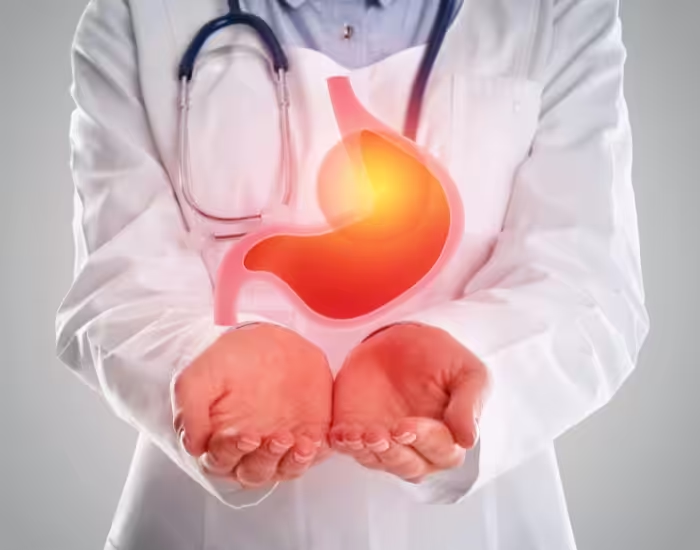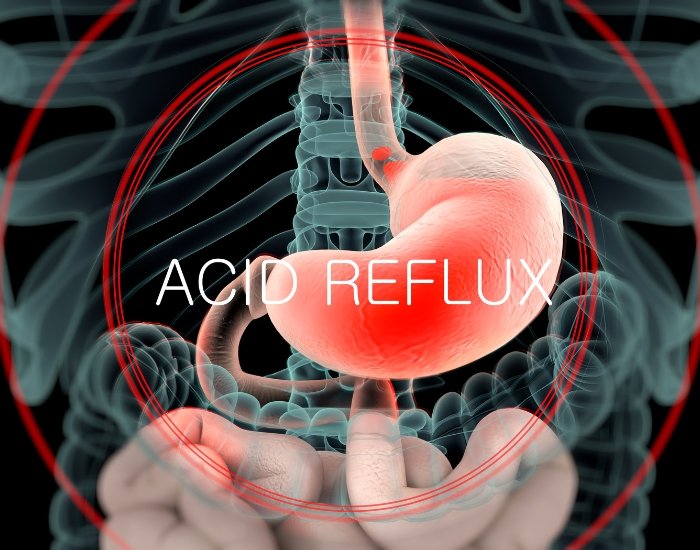
GERD, or gastroesophageal reflux disease, occurs when stomach contents repeatedly flow backward into the esophagus. Gastritis refers to inflammation of the stomach lining.
That distinction is important because the esophagus and stomach have different functions and can be affected by different problems. GERD is primarily a reflux disorder involving the valve between the esophagus and stomach, while gastritis involves irritation or inflammation of the stomach's protective lining. Learn more about GERD treatment and gastritis treatment.
Some people may have symptoms that sound like both conditions. Others may have GERD without gastritis, gastritis without GERD, or another digestive condition entirely. Understanding the differences can help you recognize when symptoms may need evaluation and why treatment should be based on the actual cause rather than the symptom alone.
Important Note
Heartburn, nausea and upper abdominal discomfort are common, but recurring symptoms should not simply be written off as indigestion. GERD, gastritis, ulcers, medication-related irritation and other digestive conditions can feel similar. Understanding the differences can help you recognize what symptoms may mean and when talking with a gastroenterologist is worthwhile.
GERD vs Gastritis: What Is the Main Difference?
The main difference is where the problem occurs and what causes it.
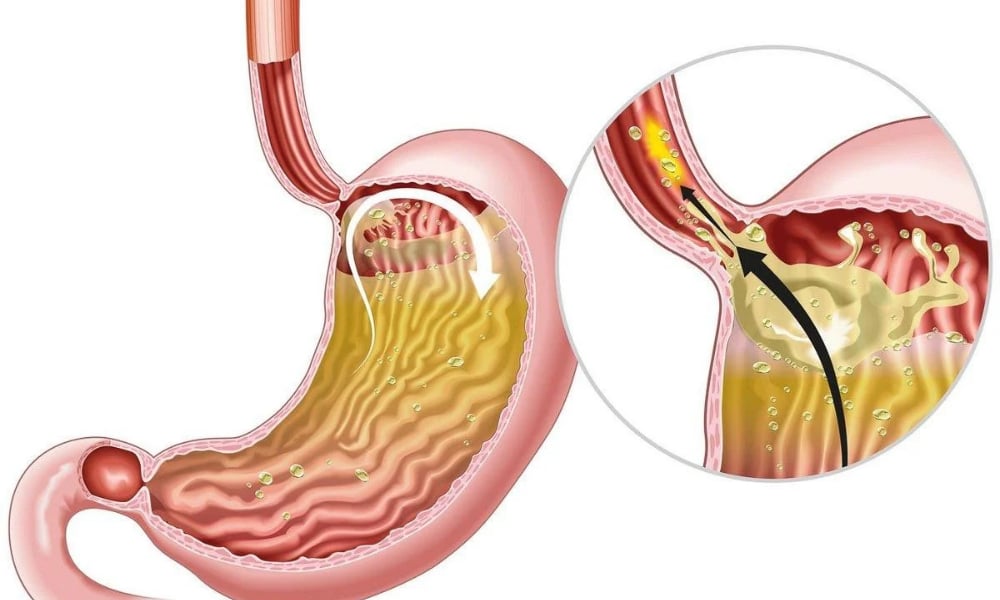
GERD affects the relationship between the stomach and esophagus. Normally, a muscular valve called the lower esophageal sphincter helps prevent stomach contents from moving back into the esophagus. When that barrier does not function properly or becomes overwhelmed, acidic or non-acidic stomach contents can reflux upward.
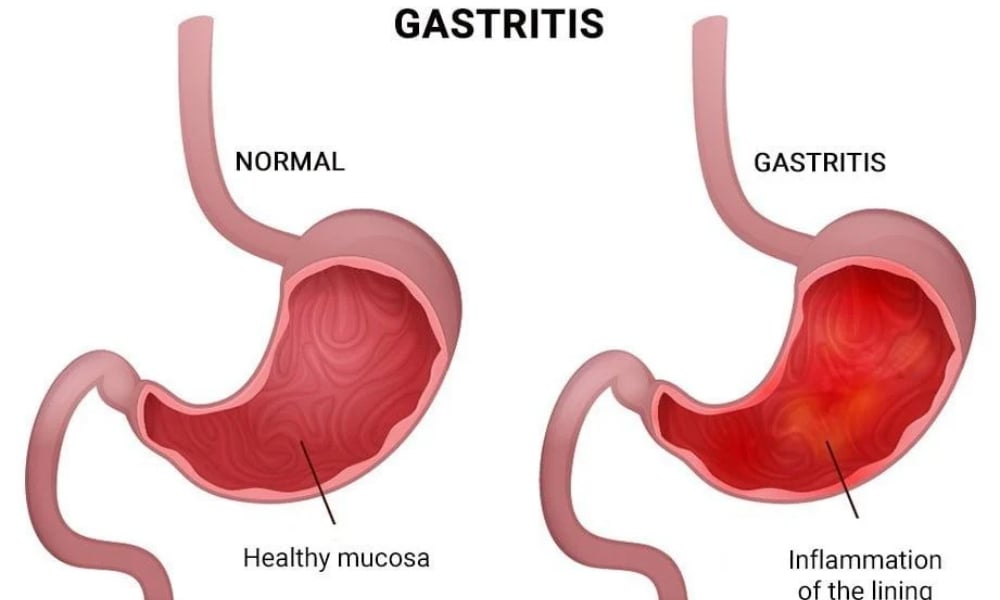
Gastritis, on the other hand, involves inflammation or irritation of the stomach lining. It can develop for several reasons, including infection with Helicobacter pylori (H. pylori), frequent use of certain pain-relieving medications, alcohol and other factors.
GERD commonly produces heartburn and acid regurgitation. Gastritis is more likely to cause upper abdominal discomfort, nausea, indigestion or a feeling of fullness. However, symptoms overlap enough that you cannot reliably diagnose either condition based on symptoms alone.
What Is GERD?
GERD is a chronic condition in which stomach contents repeatedly flow backward into the esophagus and cause troublesome symptoms or complications.
Almost everyone experiences occasional reflux. You might notice heartburn after a large meal or when lying down soon after eating. Occasional reflux does not necessarily mean you have GERD.
GERD becomes more significant when reflux happens repeatedly and causes persistent or troublesome symptoms, or when it results in complications affecting the esophagus.
Common GERD symptoms include a burning sensation behind the breastbone, sour or bitter-tasting fluid coming into the throat, chest discomfort and symptoms that become worse after meals or when lying down.
Some people also develop less obvious symptoms, such as chronic cough, throat irritation, hoarseness or a sensation of something stuck in the throat.
Learn more about GERD specialist care in Cypress and Katy.
What Is Gastritis?
Gastritis is inflammation or irritation of the stomach lining.
The stomach has a protective lining that helps shield its tissues from stomach acid and digestive enzymes. When this protective barrier becomes irritated or inflamed, symptoms can develop.
Gastritis may be acute, meaning it develops over a relatively short period, or chronic, meaning inflammation persists over a longer period.
One important cause is H. pylori infection. Another common contributor is the use of nonsteroidal anti-inflammatory drugs, or NSAIDs, such as ibuprofen and naproxen, particularly when they are used frequently or in higher doses.
Alcohol can also irritate the stomach lining. Other causes include certain infections, autoimmune conditions, severe physical stress and some medications or medical treatments.
Gastritis may cause upper abdominal discomfort, nausea, vomiting, indigestion and early fullness. Some people have few or no symptoms despite having inflammation.
What Symptoms Do GERD and Gastritis Have in Common?
GERD and gastritis can both cause nausea, upper digestive discomfort, indigestion and symptoms that seem to worsen after eating.
This overlap can make self-diagnosis difficult.
For example, someone with gastritis may describe a burning sensation in the upper abdomen. Someone with GERD may describe burning in the chest or upper abdomen. Both may feel uncomfortable after meals.
Nausea can occur with either condition. Some people may also experience reduced appetite or a general feeling that their digestion is not normal.
Because the symptoms overlap, the location and character of discomfort are helpful clues but do not provide a definitive diagnosis.
Is Heartburn More Likely to Be GERD or Gastritis?
Heartburn is more strongly associated with GERD than gastritis.
Heartburn typically feels like a burning sensation behind the breastbone or in the upper chest. It can move upward toward the throat and may be accompanied by a sour or bitter taste.
Symptoms often occur after meals, particularly large or high-fat meals, and may become more noticeable when lying down or bending over.
Gastritis affects the stomach rather than the esophagus, so classic heartburn is not its defining symptom.
That said, people can have more than one digestive problem at the same time. Someone with gastritis could also have GERD, so symptoms should be considered in context.
What Does Gastritis Pain Feel Like?
Gastritis commonly causes discomfort, burning or aching in the upper middle portion of the abdomen.
Some people describe the sensation as gnawing or uncomfortable rather than the classic chest burning associated with reflux.
The discomfort may occur after eating or when the stomach is empty, depending on the underlying cause. Some people also experience nausea, belching, early fullness or a reduced appetite.
The intensity can range from mild irritation to significant pain.
However, upper abdominal pain is not specific to gastritis. Peptic ulcers, gallbladder problems, pancreatitis, functional dyspepsia and other conditions can cause similar symptoms.
What Does GERD Regurgitation Feel Like?
Regurgitation occurs when stomach contents move upward into the esophagus or throat, sometimes creating a sour, bitter or acidic taste.
You may notice this after eating, when bending over or when lying down. Some people describe a sensation of food or liquid coming back up.
Regurgitation is one of the symptoms that can make GERD easier to distinguish from a problem limited to the stomach lining.
If reflux repeatedly reaches the throat, it may also cause throat irritation, coughing, hoarseness or an unpleasant taste.
Can GERD Cause Nausea?
Yes. GERD can sometimes cause nausea, although heartburn and regurgitation are more characteristic symptoms.
Reflux can create an uncomfortable sensation in the upper digestive tract, and some people feel nauseated during episodes.
Nausea can also have dozens of other causes, including gastritis, ulcers, medication side effects, infections and disorders affecting the stomach or intestines.
If nausea is persistent, recurrent or accompanied by vomiting, weight loss or significant abdominal pain, medical evaluation is appropriate.
Can Gastritis Cause Nausea?
Nausea is a common symptom of gastritis.
Inflammation or irritation of the stomach lining can make eating uncomfortable and may create a persistent unsettled feeling in the upper abdomen.
Some people may feel full sooner than expected or have less interest in food. Others may experience vomiting.
Persistent vomiting should not be assumed to be simple gastritis, particularly when it is accompanied by dehydration, severe pain or blood.
What Causes GERD?
GERD develops when reflux repeatedly occurs because the normal barrier between the stomach and esophagus does not work effectively enough.
The lower esophageal sphincter normally relaxes when you swallow and otherwise remains closed to help keep stomach contents where they belong.
Reflux can become more likely when this mechanism is weakened or when pressure inside the abdomen increases.
Several factors can contribute to GERD symptoms, including excess body weight, pregnancy, certain foods, large meals, smoking and some medications. Eating close to bedtime may also worsen nighttime reflux for some people.
Not everyone with GERD has the same triggers. A food that causes symptoms in one person may not bother another.
What Causes Gastritis?
Gastritis has several possible causes, with H. pylori infection and NSAID use among the important ones.
H. pylori is a bacterium that can infect the stomach lining and contribute to chronic inflammation. If testing confirms the infection, treatment generally involves a combination of medications designed to eradicate the bacteria and reduce acid.
NSAIDs such as ibuprofen and naproxen can irritate the stomach lining, particularly with frequent or prolonged use.
Alcohol can also irritate the stomach. Other causes include autoimmune gastritis, certain infections and severe physiological stress associated with serious illness.
Because treatment depends on the cause, identifying why gastritis is occurring is an important part of managing it.
Get answers instead of guessing
Request a visit with Dr. Muhammad Ali Khan at our Katy and Cypress offices. Most major insurance plans are accepted and self-pay options are available.
What Is H. Pylori and How Is It Related to Gastritis?
H. pylori is a type of bacteria that can live in the stomach and cause chronic inflammation in some people.
Many people with H. pylori do not have obvious symptoms. In others, infection can contribute to gastritis, peptic ulcers and an increased risk of certain stomach complications.
Testing may involve a breath test, stool test, blood testing in selected circumstances or tissue obtained during an upper endoscopy.
If H. pylori is found, treatment is important because simply taking medication to reduce stomach acid does not eliminate the infection.
What Can Trigger GERD Symptoms?
GERD triggers vary considerably from person to person.
Large meals can increase pressure within the stomach and make reflux more likely. Eating shortly before lying down can also worsen nighttime symptoms because gravity is no longer helping keep stomach contents down.
Some people notice symptoms after eating fatty foods, chocolate, mint, spicy foods, coffee, carbonated beverages or acidic foods. Others can consume these foods without a problem.
The goal is not necessarily to eliminate every food that has ever been associated with reflux. Instead, identifying your own patterns can be more practical and sustainable.
What Can Make Gastritis Worse?
Alcohol, NSAIDs and certain underlying infections can contribute to or worsen stomach irritation.
If you frequently use ibuprofen, naproxen or similar medications and develop upper abdominal pain, nausea or indigestion, discuss the situation with your healthcare professional.
Do not stop a prescribed medication without medical guidance. Your physician can help determine whether a medication could be contributing to symptoms and whether an alternative approach is appropriate.
Alcohol may also worsen stomach irritation, particularly in people who already have gastritis or another stomach condition.
How Is GERD Diagnosed?
GERD is often diagnosed based on symptoms and medical history, although testing may be necessary when symptoms are unusual, severe, persistent or resistant to treatment.
Your doctor may ask about heartburn, regurgitation, nighttime symptoms, swallowing difficulties and how symptoms respond to treatment.
In selected situations, upper endoscopy may be recommended to look for esophageal inflammation, narrowing, Barrett's esophagus or other abnormalities.
Another test called ambulatory reflux monitoring can measure acid or reflux events over time and may be useful when the diagnosis is uncertain.
The appropriate evaluation depends on your symptoms and risk factors.
How Is Gastritis Diagnosed?
Gastritis may be evaluated using a combination of symptoms, medication history, H. pylori testing and, when appropriate, upper endoscopy with biopsies.
An upper endoscopy allows a gastroenterologist to directly inspect the esophagus, stomach and duodenum.
If the stomach lining looks abnormal, biopsies may be taken for microscopic examination. Testing can also help identify H. pylori and other conditions that may produce similar symptoms.
Not every person with indigestion needs an endoscopy. Your physician will consider factors such as age, symptoms, duration, severity and warning signs before recommending testing.
Learn more about upper endoscopy services and what an endoscopy can evaluate.
Can an Endoscopy Diagnose GERD or Gastritis?
Upper endoscopy can identify several changes associated with GERD and gastritis, but the findings depend on the condition and individual patient.
During an upper endoscopy, a flexible camera is passed through the mouth to examine the esophagus, stomach and duodenum.
In GERD, the examination may reveal inflammation of the esophagus or other changes associated with chronic reflux. However, some people with GERD have a normal-looking esophagus.
In gastritis, the stomach lining may appear irritated, red or inflamed, although microscopic examination may provide additional information.
Biopsies can be especially useful when doctors are evaluating H. pylori or other causes of stomach inflammation.
How Is GERD Treated?
GERD treatment focuses on reducing troublesome reflux and protecting the esophagus from repeated exposure to stomach contents.
Lifestyle adjustments may include avoiding meals close to bedtime, identifying individual food triggers, maintaining a healthy weight when appropriate and elevating the head of the bed for nighttime symptoms.
Medications can also be used. Proton pump inhibitors, or PPIs, are among the most effective medicines for reducing stomach acid and are commonly used for GERD when appropriate.
H2-receptor blockers may also be useful for certain patients.
People with persistent symptoms should discuss medication selection and duration with their healthcare professional rather than taking acid-suppressing medication indefinitely without reassessment.
How Is Gastritis Treated?
Gastritis treatment depends on what is causing the inflammation.
If H. pylori is responsible, treatment requires antibiotics combined with acid-suppressing medication and, depending on the regimen, other medications.
If NSAIDs are contributing to stomach irritation, your doctor may recommend changing the medication strategy when medically appropriate.
Acid-reducing medications may also be used to give the stomach lining time to heal.
Alcohol reduction or avoidance may be recommended when alcohol is contributing to irritation.
The important point is that gastritis treatment is not one-size-fits-all. Treating the underlying cause is often more important than simply suppressing symptoms.
Can the Same Medications Treat GERD and Gastritis?
Some medications, particularly acid-reducing medicines, may be used in both GERD and gastritis, but the reason for treatment can be different.
For GERD, reducing acid exposure can help control reflux symptoms and allow irritated esophageal tissue to heal.
For gastritis, reducing stomach acid may decrease irritation and help the stomach lining recover, but additional treatment may be necessary if H. pylori or another underlying cause is present.
This is why simply feeling better after taking an acid-reducing medication does not necessarily tell you whether you have GERD or gastritis.
Is Gastritis the Same as a Stomach Ulcer?
No. Gastritis and peptic ulcers are related but different conditions.
Gastritis involves inflammation or irritation of the stomach lining. A peptic ulcer is an actual open sore or defect in the lining of the stomach or duodenum.
H. pylori infection and NSAID use can contribute to both conditions.
Because ulcers can bleed or cause other complications, persistent upper abdominal pain or signs of gastrointestinal bleeding should be evaluated rather than assumed to be simple gastritis.
Can GERD or Gastritis Cause Bleeding?
Gastritis and GERD can sometimes be associated with bleeding, but gastrointestinal bleeding is not a normal symptom that should be ignored.
Severe inflammation, ulcers or other digestive conditions can cause bleeding.
Signs may include vomiting blood or material that looks like coffee grounds, black tarry stools or significant weakness and dizziness.
These symptoms require prompt medical evaluation.
Can GERD Cause Difficulty Swallowing?
Chronic GERD can sometimes lead to inflammation or narrowing of the esophagus that makes swallowing difficult.
Difficulty swallowing, particularly if it is new or progressively worsening, should not simply be attributed to acid reflux.
Other conditions can cause swallowing problems, and an upper endoscopy may be appropriate depending on the circumstances.
Learn more about dysphagia and difficulty swallowing.
When Should You Worry About GERD or Gastritis Symptoms?
Persistent symptoms, difficulty swallowing, gastrointestinal bleeding, unexplained weight loss or severe pain should prompt medical evaluation.
Occasional heartburn after a large meal is generally less concerning than heartburn occurring frequently or interfering with sleep.
Likewise, occasional indigestion is different from persistent upper abdominal pain, repeated vomiting or symptoms accompanied by weight loss.
Warning signs may include:
- Difficulty or pain with swallowing
- Unexplained weight loss
- Persistent vomiting
- Vomiting blood
- Black or tarry stools
- Persistent or severe abdominal pain
- Chest pain that is new, severe or unexplained
- Anemia or unexplained weakness
- Symptoms that continue despite appropriate treatment
Chest pain should be taken seriously because heart-related conditions can sometimes resemble severe heartburn. New or unexplained chest pain requires appropriate medical assessment.
Important Note
Not every episode of heartburn or stomach discomfort points to a serious disease. Many digestive symptoms have relatively common explanations. The important step is recognizing when symptoms become persistent, change unexpectedly or occur alongside warning signs. Avoid trying to diagnose yourself from a single symptom, especially if pain, bleeding, vomiting or unexplained weight loss is involved.
Can GERD and Gastritis Be Prevented?
Some risk factors for GERD and gastritis can be reduced, although neither condition can always be prevented.
For GERD, practical steps may include avoiding meals immediately before bedtime, identifying personal trigger foods, maintaining a healthy weight when appropriate and avoiding smoking.
For gastritis, reducing unnecessary NSAID use, limiting alcohol and identifying and treating H. pylori when present can reduce certain risks.
It is also important to use medications according to medical instructions. If you regularly take over-the-counter pain relievers, discuss long-term use with your healthcare professional, especially if you develop stomach symptoms.
What Lifestyle Changes Can Help With GERD?
Lifestyle recommendations should be personalized, but several approaches may help people with reflux.
Eating smaller meals can reduce the amount of food sitting in the stomach at one time. Avoiding lying down for several hours after eating may also help reduce nighttime reflux.
If symptoms consistently occur after particular foods or beverages, keeping a simple symptom diary can help identify patterns.
For people who experience nighttime reflux, elevating the head of the bed can be more effective than simply adding extra pillows because pillows alone may bend the body in a way that does not adequately reduce reflux.
What Lifestyle Changes Can Help With Gastritis?
Gastritis management depends heavily on its cause.
If alcohol or certain medications are contributing to stomach irritation, reducing exposure may help. However, prescribed medications should not be stopped without medical advice.
If H. pylori is identified, completing the prescribed eradication treatment is important.
People with persistent symptoms may benefit from keeping track of medications, foods and symptoms to help their physician identify patterns.
GERD and Gastritis Care in Cypress, Katy and the Houston Area
Persistent heartburn, acid reflux, nausea or upper abdominal discomfort can interfere with meals, sleep and everyday life. If symptoms continue or are becoming more frequent, a gastroenterology evaluation can help determine whether GERD, gastritis or another digestive condition is responsible.
United Gastro TX provides gastroenterology care for patients in Cypress, Katy and surrounding Houston-area communities. You can learn more about our GERD specialist services or explore information about endoscopy in Cypress and Katy.
Patients can also explore our Houston-area gastroenterology services for additional information about digestive health evaluation and treatment.
Persistent Heartburn or Stomach Pain Shouldn't Be Ignored
GERD and gastritis can overlap in how they feel, but the underlying problems are different. If symptoms keep returning, a gastroenterologist can help identify the cause and determine whether further testing or treatment is appropriate.
Frequently Asked Questions About GERD vs Gastritis
What is the difference between GERD and gastritis?
GERD occurs when stomach contents repeatedly flow backward into the esophagus, causing symptoms such as heartburn and regurgitation. Gastritis is inflammation or irritation of the stomach lining and may cause upper abdominal discomfort, nausea and indigestion.
Can you have GERD and gastritis at the same time?
Yes. GERD and gastritis are separate conditions, but one person can have both. Symptoms that persist despite treatment may require additional evaluation to determine whether more than one condition is contributing.
Is heartburn a symptom of gastritis?
Classic heartburn is more strongly associated with GERD. Gastritis more commonly causes upper abdominal discomfort, nausea, indigestion or early fullness. However, symptoms can overlap.
Is gastritis caused by acid reflux?
Gastritis and acid reflux are different conditions. Gastritis involves inflammation of the stomach lining, while GERD involves the backward movement of stomach contents into the esophagus. Acid-related irritation can contribute to digestive symptoms, but GERD itself is not the same thing as gastritis.
Can GERD cause stomach pain?
GERD can cause upper abdominal or chest discomfort, particularly when reflux is significant. However, persistent stomach pain can have many causes and should be evaluated if it does not improve.
Can gastritis cause acid reflux?
Gastritis does not necessarily cause GERD, although a person can experience symptoms of both conditions. If heartburn and regurgitation are frequent, your doctor may evaluate you for reflux disease.
Does gastritis cause nausea?
Yes. Nausea is a common symptom associated with gastritis. Persistent nausea can have many other causes, however, so ongoing symptoms should be evaluated.
Does GERD cause nausea?
GERD can cause nausea in some people, although heartburn and regurgitation are more typical symptoms. Persistent nausea should be assessed if it continues or occurs with other concerning symptoms.
Can gastritis be seen on an endoscopy?
Upper endoscopy can allow a gastroenterologist to examine the stomach lining for signs of irritation or inflammation. Biopsies may also be taken to evaluate microscopic changes or test for H. pylori when appropriate.
Can GERD be seen on an endoscopy?
Endoscopy can identify complications or visible changes associated with GERD, such as esophageal inflammation. However, some people with GERD can have a normal endoscopy, so other testing may sometimes be necessary.
What is the best treatment for GERD?
Treatment depends on the severity and pattern of symptoms. Lifestyle changes and acid-reducing medications are commonly used, while patients with persistent or complicated GERD may need additional evaluation and treatment.
What is the best treatment for gastritis?
The best treatment depends on the cause. H. pylori infection requires eradication therapy, while medication-related gastritis may require changes to the offending medication under medical supervision. Acid-reducing treatment may also be used in appropriate cases.
When should I see a gastroenterologist for heartburn?
Consider seeing a gastroenterologist when heartburn is frequent, persistent, interferes with sleep or daily life, does not respond adequately to treatment, or occurs with difficulty swallowing, weight loss, bleeding or other warning signs.
The Bottom Line: GERD vs Gastritis
GERD and gastritis can both cause upper digestive discomfort, but they involve different parts of the digestive system.
GERD occurs when stomach contents repeatedly move backward into the esophagus, commonly causing heartburn and regurgitation. Gastritis involves inflammation or irritation of the stomach lining and may cause upper abdominal discomfort, nausea, indigestion and early fullness.
The causes are also different. GERD is associated with problems involving reflux and the barrier between the stomach and esophagus, while gastritis can result from H. pylori infection, NSAID use, alcohol and other factors.
Because symptoms overlap, it is not always possible to determine the cause based on how the discomfort feels. If symptoms are persistent, worsening or accompanied by warning signs such as bleeding, difficulty swallowing, unexplained weight loss or persistent vomiting, a gastroenterology evaluation is important.
The right diagnosis makes the right treatment much more likely. Rather than repeatedly treating symptoms without knowing why they are occurring, consider discussing persistent digestive problems with a qualified gastroenterologist.
Medical Disclaimer: This article is for general educational purposes and does not replace professional medical advice, diagnosis or treatment. If you have severe or persistent symptoms, gastrointestinal bleeding, significant vomiting, difficulty swallowing, unexplained weight loss or new or severe chest pain, seek appropriate medical evaluation.
Where to be seen in Katy and Cypress
United Gastroenterology Associates has two offices: Katy, at 23920 Katy Freeway, Suite 555, next to Memorial Hermann Katy Hospital, and Cypress, at 21216 Northwest Freeway, Suite 640, on US-290. Both are open Monday through Friday, 8:30 AM to 5:00 PM, closed for lunch from 12:00 to 1:30 PM, and serve patients from Fulshear, Richmond and across Greater Houston. Call (346) 340-4414 for either office.
Katy office
23920 Katy Freeway, Suite 555
Katy, TX 77494
Memorial Hermann Medical Plaza 1
Next steps
If you are dealing with gerd vs gastritis or any ongoing digestive concern, a focused evaluation can find the cause and start the right treatment. Dr. Muhammad Ali Khan and the team at United Gastroenterology Associates see adults from Katy, Cypress, Fulshear, Richmond, Greater Houston and across Texas. Call (346) 340-4414 or request an appointment today.
If you have severe pain, vomit blood, pass black stools or have chest pain, call 911 or go to the nearest emergency room.