
Home › Advanced Procedures › Anorectal Manometry
Bowel Function Testing · Katy & Cypress
Anorectal Manometry for Constipation and Bowel Control Problems
Anorectal manometry is a test that measures how well the muscles and nerves of the rectum and anus work together. It helps find the cause of chronic constipation, straining or fecal incontinence, and it can show whether the pelvic floor relaxes properly during a bowel movement. At United Gastroenterology Associates, PLLC, Muhammad Ali Khan, MD, FACP, FASGE, evaluates bowel function problems and uses anorectal manometry results to guide treatment for patients from Katy, Cypress and Greater Houston.
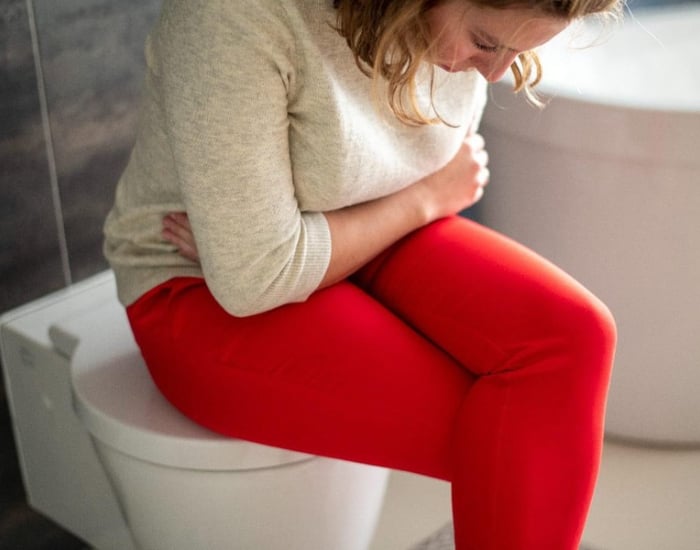
Bowel function evaluation with Dr. Muhammad Ali Khan
Meet Your Bowel Function Specialist: Muhammad Ali Khan, MD, FACP, FASGE
BOARD-CERTIFIED Gastroenterologist and Hepatologist
CREDENTIALS AT A GLANCE
Board-Certified
Gastroenterology, hepatology, and internal medicine
Academic Medicine
Former Associate Professor, UT MD Anderson Cancer Center
Published Research
More than 100 peer-reviewed articles in gastroenterology
FACP and FASGE
Fellow, American College of Physicians and American Society for Gastrointestinal Endoscopy

“My gastroenterology & hepatology practice is dedicated to working closely with you to develop a personalized treatment plan that meets your unique needs and preferences.”
Dr. Muhammad Ali Khan, MD, FACP, FASGE
Board-certified gastroenterologist and hepatologist, United Gastroenterology Associates
Bowel function testing at United Gastroenterology Associates is overseen by Dr. Khan, a gastroenterologist board-certified in gastroenterology, hepatology and internal medicine. He interprets anorectal manometry alongside your history, examination and other tests, so the results lead to a practical treatment plan.
Dr. Khan is a former Associate Professor at The University of Texas MD Anderson Cancer Center, has authored more than 100 peer-reviewed publications, and is a Fellow of the American College of Physicians and the American Society for Gastrointestinal Endoscopy.
Related areas of care
- Chronic constipation
- Fecal incontinence
- Pelvic floor dysfunction
- Hemorrhoids and anal fissures
- Irritable bowel syndrome with constipation
What Is Anorectal Manometry?
Anorectal manometry uses a thin, flexible catheter with pressure sensors and a small balloon at its tip. Placed a short distance into the rectum, it records the pressure of the anal sphincter muscles, how sensitive the rectum is to filling, and how the muscles behave when you squeeze, cough or bear down as if to have a bowel movement.
Normal bowel movements depend on coordination: the rectum senses stool, the muscles of the pelvic floor and anus relax, and abdominal pressure pushes stool out. When any part of this sequence fails, the result can be constipation, straining, a feeling of incomplete emptying or leakage. Anorectal manometry shows where the problem lies.
The test is a diagnostic step that helps Dr. Khan choose the right treatment. It is usually considered after your history, an examination and, when appropriate, other tests to rule out structural causes.
Anorectal manometry at a glance
- Measures: sphincter pressures, rectal sensation, reflexes and coordination
- Typical prep: usually an enema beforehand, as instructed
- Sedation: none, so you can follow instructions
- Test time: about 30 minutes
- Often paired with: a balloon expulsion test
- Afterward: normal activities right away
Your preparation instructions come from the office and may differ.
Board-Certified Gastroenterologist
Gastroenterology, hepatology and internal medicine
Results Interpreted by a Specialist
Pressures, sensation and coordination reviewed by Dr. Khan
Private, Respectful Testing
Each step explained before it happens
Two Locations
Offices in Katy and Cypress
Who May Need Anorectal Manometry?
Anorectal manometry is most often used for people with chronic constipation that has not improved with fiber, fluids and laxatives, especially when there is a lot of straining or a feeling that the bowel does not empty. It is also a central test for fecal incontinence, which is the accidental leakage of stool or gas.
Because constipation and leakage have many possible causes, Dr. Khan first reviews your symptoms, medicines, diet and medical history. Warning signs such as rectal bleeding, unexplained weight loss or anemia call for a different evaluation, often including a colonoscopy.
Common reasons for testing
- Chronic constipation that does not respond to usual treatment
- Straining or needing to press or use fingers to empty the bowel
- A feeling of incomplete evacuation
- Leakage of stool or difficulty controlling gas
- Evaluation before or after anorectal surgery
- Planning biofeedback (pelvic floor) therapy
A symptom alone does not confirm a diagnosis. Symptoms should be evaluated by a qualified medical professional.
What Does Anorectal Manometry Measure?
The test looks at four main areas of bowel function. Together they show whether a problem comes from weak muscles, poor coordination or reduced sensation, which leads to different treatments.
Sphincter pressure at rest and during squeeze
Resting pressure reflects the inner sphincter muscle that keeps the anus closed without effort. Squeeze pressure reflects the outer muscle you tighten voluntarily. Low pressures can contribute to leakage.
Rectal sensation
A small balloon is gradually filled to find when you first feel something, when you feel the urge to have a bowel movement, and the most you can comfortably hold. Reduced sensation can contribute to both constipation and incontinence.
Reflexes
Filling the balloon normally triggers a brief relaxation of the internal sphincter, called the rectoanal inhibitory reflex. Its absence can point to rare conditions such as Hirschsprung disease.
Coordination during a push
When you bear down, the abdominal pressure should rise while the anal muscles relax. If they tighten instead, the pattern suggests dyssynergic defecation. A balloon expulsion test, in which you try to pass a small water-filled balloon, adds information about how well the bowel empties.
Living With Constipation or Leakage?
These problems are common and treatable, and testing can explain why they happen. Dr. Khan sees patients at the Katy and Cypress offices, and new patients are welcome.
What Happens During Anorectal Manometry?
Follow the instructions provided by the office. This is the usual sequence.
Prepare as instructed
Most people use an enema before the test so the rectum is empty. Tell the team about your medicines, including laxatives. Because no sedation is used, you can usually drive yourself.
Positioning
You change into a gown and lie on your left side with your knees bent. The team explains each step and protects your privacy throughout.
Measurements
The thin, lubricated catheter is placed a short distance into the rectum. You are asked to rest, squeeze, cough and push while pressures are recorded, and the balloon is gently filled to test sensation.
Balloon expulsion test
If ordered, you sit on a commode in private and try to pass a small water-filled balloon. The time it takes helps show how well the bowel empties.
Results and next steps
Dr. Khan reviews the measurements with your symptoms and explains what they mean for treatment.
How Results Guide Treatment
Anorectal manometry results help match treatment to the cause. When the test shows dyssynergic defecation, the American College of Gastroenterology recommends biofeedback therapy, a form of pelvic floor retraining in which a therapist uses sensors to help you learn to relax the right muscles while pushing. Many people improve with this approach rather than with more laxatives.
When muscle strength or sensation is reduced, treatment may include changes to diet and bowel habits, medicines that firm or soften stool, pelvic floor exercises and, in some cases, referral for other therapies. If the results are normal, Dr. Khan looks at other explanations, such as slow movement through the colon or constipation-predominant irritable bowel syndrome.
Related care: Constipation · IBS · Hemorrhoids
Is Anorectal Manometry Safe?
Anorectal manometry is a low-risk test. You may feel pressure, an urge to have a bowel movement or mild soreness afterward. A small amount of bleeding can occur, especially if you have hemorrhoids. Serious complications are rare.
Call the office or seek medical care after the test if you have:
Heavy or ongoing rectal bleeding, severe abdominal or rectal pain, or fever. For heavy bleeding with dizziness or fainting, call 911 or go to the nearest emergency room.
Insurance and Self-Pay Options
United Gastroenterology Associates participates with many major insurance plans. Coverage and benefits depend on your specific plan and must be verified, and some plans require prior authorization for diagnostic testing. Please contact the office or your insurance carrier to verify benefits for your specific plan and service.
Anorectal Manometry FAQs
Answers to common questions about anorectal manometry at United Gastroenterology Associates.
What test checks whether the rectal and pelvic-floor muscles are working correctly?
Anorectal manometry. A thin, flexible sensor measures the pressure of the anal sphincter muscles at rest and when you squeeze or push, checks how well you sense filling in the rectum, and shows whether the muscles relax and coordinate during a bowel movement. It is often paired with a balloon expulsion test.
Where can I get anorectal manometry near Katy or Cypress?
United Gastroenterology Associates offers bowel function testing for patients seen at its Katy office (23920 Katy Freeway, Suite 555) and Cypress office (21216 Northwest Freeway, Suite 640). Dr. Muhammad Ali Khan evaluates your symptoms first and explains whether anorectal manometry is the right test. Call (346) 340-4414.
Can anorectal manometry help identify a cause of chronic constipation?
Yes. It can show dyssynergic defecation, a common cause of long-term constipation in which the pelvic floor and anal muscles tighten instead of relaxing when you push. This finding matters because it usually responds to biofeedback therapy rather than to more laxatives.
What testing is used for fecal incontinence?
Anorectal manometry is a key test for fecal incontinence because it measures sphincter strength, rectal sensation and reflexes. Depending on the findings, a doctor may also recommend other studies, such as imaging of the sphincter muscles or an endoscopic exam to rule out other causes.
Is anorectal manometry painful?
Most people find it uncomfortable or awkward rather than painful. The catheter is thin and lubricated, and a small balloon is gently inflated to test sensation. The team explains each step, and you can ask to pause at any time.
How long does anorectal manometry take?
The test usually takes about 30 minutes. Allow extra time if a balloon expulsion test is also done.
Will I be sedated, and can I drive afterward?
No sedation is used, because you need to be awake to squeeze, relax and push when asked. You can usually drive and return to normal activities right after the test.
Bowel Function Testing Near Katy and Cypress
Dr. Khan evaluates constipation and bowel control problems at both offices of United Gastroenterology Associates, serving patients from Katy, Cypress, Fulshear, Richmond, Rosenberg and communities throughout Greater Houston.
United Gastroenterology Associates – Katy
Katy Freeway (I-10) near the Grand Parkway
- Address: 23920 Katy Freeway, Suite 555, Katy, TX 77494
- Phone: (346) 340-4414
- Hours: Monday–Friday, 8:30 AM–5:00 PM (closed 12:00–1:30 PM for lunch; last appointment 4:30 PM)
United Gastroenterology Associates – Cypress
Northwest Freeway (US-290) in Cypress
- Address: 21216 Northwest Freeway, Suite 640, Cypress, TX 77429
- Phone: (346) 340-4414
- Hours: Monday–Friday, 8:30 AM–5:00 PM (closed 12:00–1:30 PM for lunch; last appointment 4:30 PM)
Find the Cause of Ongoing Bowel Problems
Chronic constipation, straining or leakage can be evaluated and treated. Call (346) 340-4414 or request an appointment with Dr. Khan to discuss whether anorectal manometry is right for you.
Sources
- MedlinePlus, U.S. National Library of Medicine. Anorectal manometry. medlineplus.gov
- Wald A, et al.. ACG Clinical Guidelines: Management of Benign Anorectal Disorders. Am J Gastroenterol, 2021. journals.lww.com
- National Institute of Diabetes and Digestive and Kidney Diseases. Diagnosis of Bowel Control Problems (Fecal Incontinence). niddk.nih.gov
- National Institute of Diabetes and Digestive and Kidney Diseases. Diagnosis of Constipation. niddk.nih.gov
This page provides general educational information and does not replace medical advice, diagnosis or treatment. Follow the testing instructions provided by your physician. For a medical emergency, call 911. Last updated October 5, 2026.