Iron-deficiency anemia is one of the most common blood disorders, but many people do not realize that ongoing gastrointestinal (GI) bleeding can be an important underlying cause. In some cases, the bleeding is obvious, such as seeing blood in your stool. In other situations, bleeding can happen slowly over time and remain hidden, causing iron levels to gradually drop without noticeable warning signs.
Important Note
Iron-deficiency anemia is not always caused by diet alone. For some patients, low iron levels may be the first sign of an underlying digestive problem. Understanding why your iron is low can help identify the right treatment and prevent more serious complications. This article explains how GI bleeding may contribute to anemia, what warning signs to watch for, and when expert evaluation may be important.
What Is Iron-Deficiency Anemia?
Iron-deficiency anemia happens when your body does not have enough iron to produce healthy amounts of hemoglobin, the protein in red blood cells responsible for carrying oxygen throughout your body.
Your body depends on iron to create red blood cells that deliver oxygen to your muscles, brain, and organs. When iron stores become too low, your body struggles to make enough healthy red blood cells. As a result, your tissues may not receive the oxygen they need, leading to symptoms such as fatigue, weakness, and reduced energy.
Many people associate iron deficiency with inadequate dietary intake, but that is only one possible explanation. Iron levels can also decrease because your body is losing blood somewhere. When blood loss occurs slowly over time, especially inside the digestive tract, it may not always be visible.
This is why healthcare providers often look beyond diet when evaluating unexplained iron-deficiency anemia, particularly in adults. The digestive system contains many areas where small amounts of bleeding can occur, including the esophagus, stomach, small intestine, and colon.
For some patients, anemia may be the first noticeable clue that something in the GI tract needs attention.
How Is Iron-Deficiency Anemia Connected to GI Bleeding?
Iron-deficiency anemia and gastrointestinal bleeding are closely connected because even small amounts of ongoing blood loss can gradually reduce your body's iron supply.
Your blood contains iron-rich hemoglobin. When bleeding occurs, your body loses red blood cells and the iron contained within them. If the bleeding continues over weeks or months, your iron stores can become depleted faster than your body can replace them.
GI bleeding may happen for many reasons. Some bleeding is easy to recognize, such as bright red blood after a bowel movement. However, other types of bleeding may be hidden and only discovered through laboratory testing.
Doctors sometimes refer to this as occult gastrointestinal bleeding. The word “occult” means hidden. A person may not see blood in the toilet or notice any dramatic changes, but small amounts of blood loss may still occur internally.
This is why unexplained iron-deficiency anemia, especially in adults, often requires a careful evaluation of the digestive system. The goal is not only to replace iron but also to identify and treat the reason the iron became low in the first place.
Common questions patients ask include:
- “Can stomach problems cause low iron?”
- “Can internal bleeding cause anemia without pain?”
- “Why is my iron low even though I eat well?”
- “Do I need a colonoscopy if I have iron-deficiency anemia?”
The answer depends on your individual symptoms, age, medical history, laboratory results, and risk factors. A gastroenterologist can help determine whether further testing is needed.

Common Symptoms of Iron-Deficiency Anemia You Should Know
Iron-deficiency anemia can develop gradually, and many people adjust to feeling tired without realizing something medical may be contributing to their symptoms.
Some patients describe it as feeling like they are “running on empty.” They may notice that normal daily activities require more effort than before, or that they become exhausted faster than they used to.
Common symptoms of iron-deficiency anemia may include:
- Persistent fatigue or low energy
- Weakness or feeling physically drained
- Shortness of breath during routine activities
- Dizziness or lightheadedness
- Fast heartbeat or heart palpitations
- Pale skin or pale appearance
- Difficulty concentrating or “brain fog”
- Cold hands and feet
- Brittle nails or hair changes
- Craving non-food items such as ice (called pica)
Not everyone experiences the same symptoms. Some people have mild anemia but significant fatigue, while others may have more noticeable laboratory abnormalities with fewer symptoms.
The important point is that persistent symptoms should not simply be ignored or blamed on aging, stress, or a busy schedule. When iron levels remain low, finding the underlying reason matters.
Why Hidden GI Bleeding Can Go Undetected
One reason gastrointestinal bleeding can be challenging to identify is that the digestive tract is located internally, and many problems do not cause obvious symptoms in the beginning.
A person may not experience severe abdominal pain, major bowel changes, or visible bleeding. Instead, the only clue may be abnormal blood work showing low iron levels or anemia.
The digestive system is complex, and many different conditions can contribute to slow blood loss. Some may be minor and easily treated, while others require timely medical attention.
This is why doctors do not simply assume that iron deficiency is caused by diet, especially when the cause is unclear. A complete evaluation helps determine whether there is an underlying source of blood loss that needs treatment.
Important Note
Finding out that you have iron-deficiency anemia can feel concerning, but it does not automatically mean you have a serious disease. Many digestive causes are treatable. The important step is avoiding self-diagnosis and working with a healthcare provider to understand why your iron levels are low and whether additional testing is appropriate.
Digestive Conditions That May Cause Iron Loss
When a gastroenterologist evaluates iron-deficiency anemia, one of the most important questions is: Where could blood loss be happening?
The digestive tract is a long and complex system, and bleeding can occur in different areas for different reasons. Some causes are common and relatively easy to treat, while others require more detailed evaluation to identify early.
Below are some digestive conditions that may contribute to iron deficiency through chronic blood loss.
Stomach Ulcers and Gastritis
The stomach lining is designed to protect itself from acid, but irritation or damage can sometimes lead to inflammation, ulcers, and small amounts of bleeding.
Stomach ulcers may develop due to factors such as Helicobacter pylori (H. pylori) infection, long-term use of certain medications, or other conditions that affect stomach health.
Some people with stomach ulcers experience burning stomach pain, nausea, or indigestion. However, others may have very few symptoms while slow bleeding gradually contributes to iron deficiency.
An upper endoscopy, also called an EGD, allows a gastroenterologist to directly examine the esophagus, stomach, and upper portion of the small intestine to identify possible sources of bleeding.
Colon Polyps
Colon polyps are growths that develop inside the colon. Many polyps do not cause noticeable symptoms, but some may bleed slowly over time.
This is one reason colon cancer screening and colonoscopy evaluation are important tools in digestive healthcare. During a colonoscopy, a gastroenterologist can identify polyps and often remove them during the same procedure.
Removing certain polyps may help prevent future problems, including the development of colorectal cancer.
Colon Cancer and Other Digestive Cancers
Although many cases of iron-deficiency anemia are caused by non-cancerous conditions, unexplained anemia can sometimes be an early warning sign of colorectal cancer or other gastrointestinal cancers.
This does not mean that every person with low iron has cancer. However, it explains why physicians take unexplained iron deficiency seriously and may recommend evaluation of the digestive tract.
Early detection is important because many digestive cancers are more treatable when identified at an earlier stage.
Inflammatory Bowel Disease (IBD)
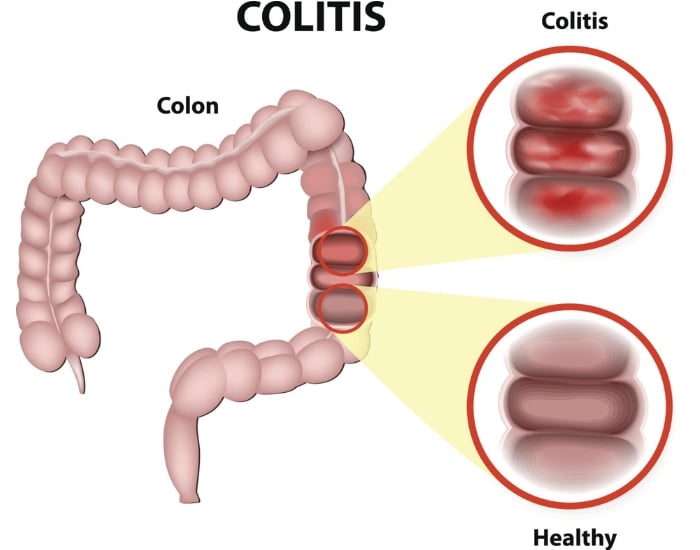
Conditions such as Crohn’s disease and ulcerative colitis can cause inflammation throughout the digestive tract. Inflammation may lead to bleeding, poor nutrient absorption, and difficulty maintaining healthy iron levels.
Patients with inflammatory bowel disease may also experience symptoms such as abdominal pain, diarrhea, fatigue, weight changes, or blood in stool.
Managing inflammation effectively is an important part of improving digestive health and preventing complications.
Hemorrhoids and Other Rectal Bleeding Causes
Hemorrhoids are swollen veins in the rectal area that can cause bleeding, especially during bowel movements. They are common and often treatable.
However, it is important not to automatically assume hemorrhoids are the cause of rectal bleeding or iron deficiency without proper evaluation. Other conditions can cause similar symptoms.
A gastroenterologist can help determine whether bleeding is coming from hemorrhoids or another source that requires attention.
Have symptoms like these?
Dr. Muhammad Ali Khan, a board-certified gastroenterologist and hepatologist, sees adults at our Katy and Cypress offices, serving patients across Greater Houston.
When Should You See a Gastroenterologist for Iron-Deficiency Anemia?
You should consider seeing a gastroenterologist when iron-deficiency anemia has no clear explanation, does not improve with treatment, or may be related to digestive blood loss.
Many people first discover anemia after routine blood work. Their doctor may recommend iron supplements, dietary changes, or additional testing. If iron levels continue to remain low, finding the underlying cause becomes increasingly important.
You should discuss a GI evaluation with your healthcare provider if you experience:
- Iron-deficiency anemia without an obvious cause
- Low iron levels despite taking supplements
- Recurring anemia after improvement
- Unexplained fatigue or weakness
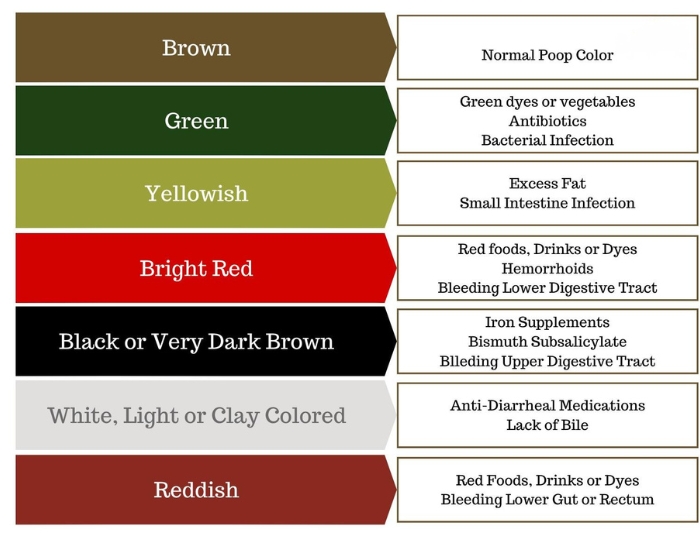
- Dark, tar-like stools
- Visible blood in stool
- Persistent abdominal discomfort
- Unexplained weight loss
- Changes in bowel habits
Adults with unexplained iron-deficiency anemia often need evaluation of the digestive tract because the GI system is one of the most common places where slow blood loss can occur.
The specific tests recommended depend on your age, symptoms, medical history, family history, and laboratory findings.

How Doctors Diagnose the Cause of Iron-Deficiency Anemia
Diagnosing iron-deficiency anemia involves more than confirming that iron levels are low. The larger question is: Why did the iron become low?
A gastroenterologist may use several approaches to understand whether digestive bleeding or another GI condition is involved.
Blood Tests
Blood testing helps determine the severity of anemia and whether your body’s iron stores are depleted.
Common laboratory tests may include:
- Complete blood count (CBC)
- Hemoglobin and hematocrit levels
- Serum iron
- Ferritin levels
- Total iron-binding capacity (TIBC)
- Transferrin saturation
Ferritin is especially useful because it reflects stored iron in the body. Low ferritin levels often indicate depleted iron reserves.
Stool Testing
In some situations, doctors may use stool tests to check for hidden blood that cannot be seen with the naked eye.
These tests can provide helpful information, although they may not always identify the exact location or cause of bleeding.
Upper Endoscopy (EGD)
An upper endoscopy allows a gastroenterologist to examine the upper digestive tract, including the esophagus, stomach, and first part of the small intestine.
This procedure may help identify causes such as:
- Stomach ulcers
- Gastritis
- Esophageal inflammation
- Bleeding lesions
- Other abnormalities
During an EGD, doctors can sometimes take biopsies or treat certain findings depending on the situation.
Colonoscopy
A colonoscopy allows a gastroenterologist to examine the entire colon and look for possible sources of bleeding.
It can detect:
- Colon polyps
- Inflammation
- Bleeding sources
- Colorectal cancer or precancerous changes
For many patients with unexplained iron-deficiency anemia, colonoscopy is an important diagnostic tool because it provides a direct view of the lower digestive tract.
Capsule Endoscopy
If upper endoscopy and colonoscopy do not identify the source of bleeding, doctors may sometimes evaluate the small intestine using capsule endoscopy.
This involves swallowing a small capsule containing a camera that captures images as it travels through the digestive tract.
Treatment Options for Iron-Deficiency Anemia Caused by GI Issues
Treating iron-deficiency anemia requires addressing both the low iron levels and the reason the deficiency developed.
Simply taking iron supplements may improve blood levels temporarily, but if ongoing blood loss continues, the problem may return.
Treatment depends on the underlying cause.
Iron Replacement Therapy
Many patients improve with oral iron supplements. These help restore the body's iron stores and support healthy red blood cell production.
However, some people experience side effects such as constipation, stomach discomfort, nausea, or difficulty absorbing oral iron.
In certain situations, intravenous (IV) iron may be considered, especially when oral supplements are ineffective or not tolerated.
Treating the Source of Bleeding
If testing identifies a digestive cause, treatment focuses on correcting that problem.
Examples include:
- Treating H. pylori infection
- Managing acid-related stomach conditions
- Removing bleeding polyps
- Treating inflammatory bowel disease
- Managing hemorrhoids or other rectal conditions
- Treating ulcers or other GI abnormalities
Finding the cause allows treatment to become more targeted and effective.
Prevention and Protecting Your Digestive Health
Preventing iron-deficiency anemia is not always as simple as adding more iron-rich foods to your diet. While nutrition plays an important role, long-term prevention often depends on understanding and managing the reason your iron levels became low in the first place.
If your anemia is related to digestive blood loss, the most important step is identifying and treating the underlying condition. Once the cause is addressed, maintaining healthy iron levels becomes much easier.
Some ways to support your digestive and overall health include:
- Following up with your healthcare provider when blood tests show low iron levels
- Completing recommended evaluations instead of only treating symptoms temporarily
- Eating a balanced diet that includes iron-rich foods
- Managing chronic digestive conditions appropriately
- Keeping recommended cancer screening appointments
- Reporting new symptoms such as stool changes, unexplained fatigue, or weight loss
Iron-rich foods may include lean meats, seafood, beans, lentils, leafy green vegetables, and fortified grains. However, dietary changes alone may not correct anemia when ongoing blood loss or absorption problems are present.
For this reason, patients with persistent or unexplained iron deficiency should focus on finding the reason behind the deficiency rather than only replacing lost iron.
Who Is More Likely to Develop Iron-Deficiency Anemia From GI Causes?
Iron-deficiency anemia can affect anyone, but certain individuals may have a higher chance of developing anemia related to digestive problems.
Risk factors that may increase concern include:
- Adults with newly diagnosed iron-deficiency anemia
- People with a history of gastrointestinal disorders
- Patients taking medications that may irritate the digestive tract
- Individuals with symptoms such as abdominal pain, stool changes, or unexplained weight loss
- People with a personal or family history of digestive diseases
- Patients whose anemia returns after treatment
Age and overall health also influence how doctors approach evaluation. The same laboratory result may require different next steps depending on a person's medical history and symptoms.
A gastroenterologist considers the complete picture rather than looking at one test result alone.
Get answers instead of guessing
Request a visit with Dr. Muhammad Ali Khan at our Katy and Cypress offices. Call the office to check your insurance coverage; self-pay options are available.
Why You Should Not Ignore Persistent Low Iron Levels
Many people live with fatigue for months or even years before seeking answers. Because tiredness is such a common complaint, it can be easy to overlook iron deficiency as a possible cause.
However, untreated iron-deficiency anemia can affect more than your energy level. Low oxygen delivery throughout the body may impact concentration, exercise tolerance, work performance, and overall quality of life.
For some patients, identifying anemia early may also reveal a digestive condition that requires treatment.
This does not mean every case of iron deficiency indicates a serious problem. Many causes are manageable and treatable. The goal of evaluation is to understand what is happening and provide the right care at the right time.
Expert Evaluation for Iron-Deficiency Anemia in Cypress and Katy, TX
If you have unexplained iron-deficiency anemia, working with an experienced gastroenterologist can help identify whether your digestive system may be contributing to the problem.
At United Gastroenterology Associates, PLLC, patients throughout Cypress, Katy, and the greater Houston area receive comprehensive digestive and liver care focused on accurate diagnosis and personalized treatment.
Led by Dr. Muhammad Ali Khan, MD, FACP, FASGE, a board-certified gastroenterologist and hepatologist, the practice provides advanced evaluation for digestive conditions that may contribute to anemia, including gastrointestinal bleeding, colon conditions, stomach disorders, and other GI concerns.
Dr. Khan brings extensive experience in gastroenterology and hepatology, including academic medicine and clinical research. His approach focuses on listening carefully to patients, explaining findings clearly, and creating treatment plans based on each individual's health needs.
Evaluation may include advanced diagnostic procedures such as:
- Upper endoscopy (EGD)
- Colonoscopy
- Capsule endoscopy when appropriate
- Digestive disease evaluation
- Liver and gastrointestinal health assessments
United Gastro TX serves patients at convenient locations in Cypress and Katy:
United Gastroenterology Associates Locations
Cypress GI Clinic
21216 Northwest Freeway, Suite 640
Cypress, TX 77429
Katy GI Clinic
23920 Katy Fwy, Suite 555
Katy, TX 77494
Phone: (346) 340-4414
If you are experiencing unexplained fatigue, low iron levels, or concerns about possible digestive bleeding, scheduling a consultation can help you understand your options and determine whether further evaluation is needed.
Frequently Asked Questions About Iron-Deficiency Anemia and GI Bleeding
Can gastrointestinal bleeding cause iron-deficiency anemia?
Yes. Slow or hidden bleeding anywhere in the digestive tract can gradually reduce iron levels and contribute to iron-deficiency anemia. The bleeding may not always be visible, which is why medical evaluation is sometimes necessary to identify the cause.
Can you have GI bleeding without seeing blood in your stool?
Yes. Some gastrointestinal bleeding is microscopic, meaning it cannot be seen by looking at the stool. Laboratory testing and procedures such as endoscopy or colonoscopy may help identify possible sources.
Does low iron always mean I have internal bleeding?
No. Iron deficiency can happen for several reasons, including insufficient dietary intake, increased iron needs, absorption problems, or blood loss. A healthcare provider can help determine the most likely cause based on your symptoms and medical history.
Should I get a colonoscopy for iron-deficiency anemia?
In many adults with unexplained iron-deficiency anemia, doctors may recommend colonoscopy to evaluate the colon for possible sources of bleeding, including polyps, inflammation, or other abnormalities. The decision depends on individual factors.
Can stomach ulcers cause anemia?
Yes. Stomach ulcers can sometimes bleed slowly over time, causing iron loss. An upper endoscopy can help identify ulcers and other conditions affecting the upper digestive tract.
How long does it take to recover from iron-deficiency anemia?
The timeline depends on how low your iron levels are, the cause of the deficiency, and how well your body responds to treatment. Many patients need several months of iron replacement while the underlying cause is addressed.
When should I see a gastroenterologist for low iron?
You should consider a gastroenterology evaluation if your iron deficiency is unexplained, keeps returning, does not improve with treatment, or occurs with symptoms such as digestive discomfort, stool changes, weight loss, or possible bleeding.
Sources
- NIDDK — Gastrointestinal bleeding
- MedlinePlus — Gastrointestinal bleeding
- NIDDK — Celiac disease
- NIDDK — Peptic ulcers
Medical Disclaimer
This article is for educational purposes only and does not replace professional medical advice, diagnosis, or treatment. Symptoms and treatment needs vary from person to person. If you have concerns about iron-deficiency anemia, possible GI bleeding, or digestive symptoms, consult a qualified healthcare professional.
Ready to understand why your iron levels are low?
United Gastroenterology Associates provides expert digestive care for patients in Cypress, Katy, and the greater Houston area. Contact the office to schedule a consultation with an experienced gastroenterology team.
Call: (346) 340-4414
Where to be seen in Katy and Cypress
United Gastroenterology Associates has two offices: Katy, at 23920 Katy Freeway, Suite 555, next to Memorial Hermann Katy Hospital, and Cypress, at 21216 Northwest Freeway, Suite 640, on US-290. Both are open Monday through Friday, 8:30 AM to 5:00 PM, closed for lunch from 12:00 to 1:30 PM, and serve patients from Fulshear, Richmond and across Greater Houston. Call (346) 340-4414 for either office.
Katy office
23920 Katy Freeway, Suite 555
Katy, TX 77494
Memorial Hermann Medical Plaza 1
Next steps
If you are dealing with iron-deficiency anemia or any ongoing digestive concern, a focused evaluation can find the cause and start the right treatment. Dr. Muhammad Ali Khan and the team at United Gastroenterology Associates see adults from Katy, Cypress, Fulshear, Richmond, Greater Houston and across Texas. Call (346) 340-4414 or request an appointment today.
If you have severe pain, vomit blood, pass black stools or have chest pain, call 911 or go to the nearest emergency room.