
Home › Abnormal Liver Enzymes
Abnormal Liver Enzymes · Cypress and Katy, TX
Abnormal Liver Enzymes Evaluation in Cypress and Katy, TX
Abnormal liver enzymes are blood test results, such as a high ALT or AST, that suggest the liver may be inflamed or injured. They often cause no symptoms and are usually found on routine blood work. At United Gastroenterology Associates, Dr. Muhammad Ali Khan, MD, FACP, FASGE, a board-certified gastroenterologist and hepatologist, evaluates abnormal liver tests for adults in Cypress and Katy, TX to find the cause and recommend treatment or monitoring.
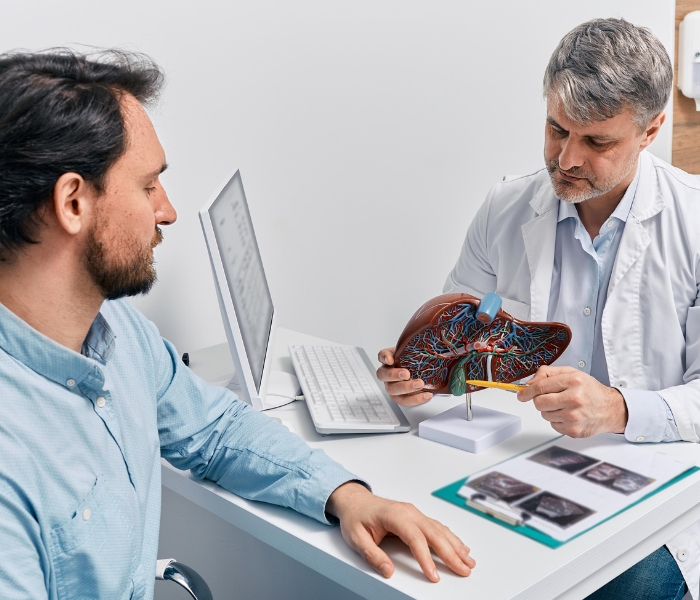
Dr. Muhammad Ali Khan, MD, FACP, FASGE
Gastroenterologist and Hepatologist
Meet Your Liver Specialist: Muhammad Ali Khan, MD, FACP, FASGE
BOARD-CERTIFIED Gastroenterologist and Hepatologist
CREDENTIALS AT A GLANCE
Board-Certified
Gastroenterology, hepatology, and internal medicine
Academic Medicine
Former Associate Professor, UT MD Anderson Cancer Center
Published Research
More than 100 peer-reviewed articles in gastroenterology
FACP and FASGE
Fellow, American College of Physicians and American Society for Gastrointestinal Endoscopy

“My gastroenterology & hepatology practice is dedicated to working closely with you to develop a personalized treatment plan that meets your unique needs and preferences.”
Dr. Muhammad Ali Khan, MD, FACP, FASGE
Board-certified gastroenterologist and hepatologist, United Gastroenterology Associates
At the heart of our practice is Dr. Muhammad Ali Khan, a board-certified gastroenterologist and hepatologist. He helps patients across Cypress, Katy, and the surrounding areas manage complex digestive and liver conditions.
After earning his medical degree from Dow Medical College, Dr. Khan completed his Internal Medicine residency at the University of Toledo. He further specialized through advanced fellowship training in Gastroenterology and Hepatology at the University of Tennessee.
Before joining our team, Dr. Khan served as an Associate Professor at MD Anderson Cancer Center. During his tenure, he participated in the care of patients with complex gastrointestinal conditions and cancers and contributed to research and medical education. He has authored more than 100 peer-reviewed scientific publications.
Dr. Khan is a Fellow of the American College of Physicians (FACP) and a Fellow of the American Society for Gastrointestinal Endoscopy (FASGE). He is also an active member of the American College of Gastroenterology and the Texas Medical Association. Read Dr. Khan’s full profile.
Professional Memberships
- American College of Gastroenterology
- American Society for Gastrointestinal Endoscopy (Fellow)
- American Gastroenterological Association
- American College of Physicians (Fellow)
- Texas Medical Association
- Texas Society of Gastroenterology & Endoscopy
Areas of Care
- Abnormal liver enzymes
- Fatty liver disease (MASLD)
- Hepatitis B and C
- Autoimmune and biliary liver disease
- Cirrhosis and liver fibrosis
- FibroScan liver testing
What Are Abnormal Liver Enzymes?
Abnormal liver enzymes are a common reason patients are referred to a gastroenterologist or hepatologist. Elevated liver enzymes often do not cause symptoms and are frequently discovered during routine blood work. Although many cases are temporary or mild, abnormal liver enzyme levels can sometimes indicate liver inflammation, fatty liver disease, viral hepatitis, medication-related liver injury, bile duct disorders, or other conditions that require medical evaluation.
United Gastroenterology Associates provides comprehensive evaluation of abnormal liver enzymes for adults in Cypress and Katy, Texas. Dr. Khan determines the underlying cause through a detailed medical history, laboratory testing, imaging, and advanced liver assessment when appropriate. Patients may also benefit from specialized hepatology services and ongoing management of chronic liver conditions.
Liver enzymes are proteins released into the bloodstream by liver cells. Blood tests measure these enzymes to help evaluate liver health. When liver cells become inflamed, injured, or stressed, enzyme levels may increase above the normal range. Elevated liver enzymes do not represent a disease by themselves. Instead, they are laboratory findings that may signal an underlying liver or biliary condition.
Many patients learn they have abnormal liver enzymes during:- Routine annual blood work
- Employment or insurance physicals
- Diabetes monitoring
- Cholesterol screening
- Evaluation of fatigue or abdominal pain
- Testing before surgery
- Follow-up for another medical condition
Some elevations are temporary and return to normal without treatment, while others require additional testing to determine the cause.
Board-Certified
Gastroenterology, hepatology, and internal medicine
Academic Medicine
Former Associate Professor, UT MD Anderson Cancer Center
Published Research
More than 100 peer-reviewed articles in gastroenterology
FACP and FASGE
Fellow, American College of Physicians and American Society for Gastrointestinal Endoscopy
When Should You Seek Emergency Care?
Most people with abnormal liver enzymes do not require emergency treatment. However, seek immediate medical care or call 911 if abnormal liver tests occur with:- Yellowing of the eyes or skin (jaundice)
- Severe abdominal pain, especially in the right upper abdomen
- Vomiting blood or passing black stools
- High fever with chills
- Confusion, excessive sleepiness, or changes in mental status
- Severe abdominal swelling
- Difficulty breathing
- Fainting or loss of consciousness
- Uncontrolled vomiting
- Sudden severe weakness
When to seek emergency care
Do not use the online appointment form for medical emergencies. Call 911 or go to the nearest emergency room.
Seek prompt medical evaluation if you develop
- Dark urine
- Pale or clay-colored stools
- Persistent nausea or vomiting
- New swelling of the legs or abdomen
- Easy bruising or unusual bleeding
- Rapidly worsening fatigue
- Severe itching with jaundice
These symptoms may indicate acute liver injury, bile duct obstruction, severe infection, or another condition requiring urgent medical attention.
Which Liver Enzymes May Be Elevated?
Several liver blood tests help evaluate liver health.
Alanine Aminotransferase (ALT)
ALT is found primarily in liver cells. Elevated ALT often suggests liver cell injury or inflammation and is commonly seen with fatty liver disease, viral hepatitis, and medication-related liver injury.
Aspartate Aminotransferase (AST)
AST is present in the liver, muscles, heart, and other tissues. Elevated AST may occur with liver disease but can also increase because of muscle injury or other medical conditions.
Alkaline Phosphatase (ALP)
ALP may become elevated when there is a problem involving the bile ducts or certain liver disorders. Additional testing is often needed to determine the source of an elevated ALP level.
Gamma-Glutamyl Transferase (GGT)
GGT is frequently measured when alkaline phosphatase is elevated. It helps determine whether the abnormality is likely coming from the liver or biliary system.
Bilirubin
Although bilirubin is not a liver enzyme, it is commonly included in liver function testing. Elevated bilirubin may occur with liver disease, bile duct obstruction, increased breakdown of red blood cells, or inherited conditions.
Your physician interprets these laboratory results together rather than relying on a single abnormal value.
Do Abnormal Liver Enzymes Cause Symptoms?
Many people have no symptoms and feel completely well when abnormal liver enzymes are discovered. When symptoms occur, they usually relate to the underlying condition rather than the abnormal blood test itself.
Elevated liver enzymes can be present even when no symptoms are noticeable. For this reason, abnormal blood tests should not be ignored, especially when elevations persist or continue to increase.
Possible symptoms of an underlying liver condition
- Fatigue
- Weakness
- Loss of appetite
- Nausea
- Vomiting
- Right upper abdominal discomfort
- Abdominal swelling
- Dark urine
- Pale-colored stools
- Yellowing of the eyes or skin
- Itchy skin
- Easy bruising
- Unexplained weight loss
A symptom alone does not confirm a diagnosis. Symptoms should be evaluated by a qualified medical professional.
Were You Told Your Liver Enzymes Are High?
Liver enzymes that stay elevated on repeat testing should be evaluated. Dr. Khan reviews your results and finds the cause at the Cypress and Katy offices.
What Can Cause Abnormal Liver Enzymes?
Abnormal liver enzymes can develop for many different reasons. Some causes are temporary and resolve on their own, while others may require ongoing monitoring or treatment. The pattern of liver enzyme elevation, your medical history, symptoms, medications, and imaging studies help determine the underlying cause.
Nonalcoholic Fatty Liver Disease (NAFLD)
One of the most common causes of elevated liver enzymes is nonalcoholic fatty liver disease (NAFLD), now increasingly referred to as metabolic dysfunction-associated steatotic liver disease (MASLD). Fat accumulates within the liver, which may lead to inflammation and, in some patients, liver scarring (fibrosis). Risk factors include:- Overweight or obesity
- Type 2 diabetes
- High cholesterol or triglycerides
- High blood pressure
- Metabolic syndrome
- Sedentary lifestyle
Alcohol-Related Liver Disease
Excessive alcohol consumption can damage liver cells and increase liver enzyme levels. Alcohol-related liver disease ranges from fatty liver to alcoholic hepatitis and cirrhosis. Possible symptoms include:- Fatigue
- Loss of appetite
- Nausea
- Abdominal pain
- Jaundice
- Easy bruising
- Abdominal swelling
Viral Hepatitis
Several viral infections can affect the liver and cause elevated liver enzymes. Examples include:- Hepatitis A
- Hepatitis B
- Hepatitis C
- Less commonly, other viral infections
Medication-Related Liver Injury
Prescription medications, over-the-counter medicines, vitamins, herbal supplements, and certain natural products may affect the liver. Examples include:- Acetaminophen
- Some antibiotics
- Cholesterol-lowering medications
- Anti-seizure medicines
- Certain antifungal medications
- Herbal supplements
- Bodybuilding supplements
Bile Duct Disorders
Problems affecting the bile ducts can also lead to abnormal liver blood tests. Examples include:- Gallstones blocking the bile ducts
- Bile duct inflammation
- Primary biliary cholangitis
- Primary sclerosing cholangitis
- Other biliary disorders
- Right upper abdominal pain
- Fever
- Jaundice
- Dark urine
- Pale stools
- Itching
Autoimmune Liver Diseases
Sometimes the immune system mistakenly attacks healthy liver tissue. Autoimmune liver conditions include:- Autoimmune hepatitis
- Primary biliary cholangitis (PBC)
- Primary sclerosing cholangitis (PSC)
Genetic and Metabolic Liver Disorders
Less common inherited conditions can also cause elevated liver enzymes. Examples include:- Hemochromatosis (iron overload)
- Wilson disease
- Alpha-1 antitrypsin deficiency
Liver Cirrhosis
Cirrhosis develops when long-term liver injury leads to extensive scarring. Common causes include:- Fatty liver disease
- Chronic hepatitis B
- Chronic hepatitis C
- Alcohol-related liver disease
- Autoimmune liver diseases
- Fatigue
- Jaundice
- Swelling of the abdomen or legs
- Easy bruising
- Confusion
- Unexplained weight loss
Liver Cancer and Other Liver Masses
Although uncommon, liver tumors can occasionally cause abnormal liver enzymes. These may include:- Hepatocellular carcinoma
- Metastatic cancer involving the liver
- Benign liver tumors
- Liver cysts
Muscle Disorders and Other Non-Liver Causes
Not every abnormal liver enzyme originates from the liver. AST, in particular, may increase because of:- Muscle injury
- Intense exercise
- Heart conditions
- Certain metabolic disorders
Who Is More Likely to Have Elevated Liver Enzymes?
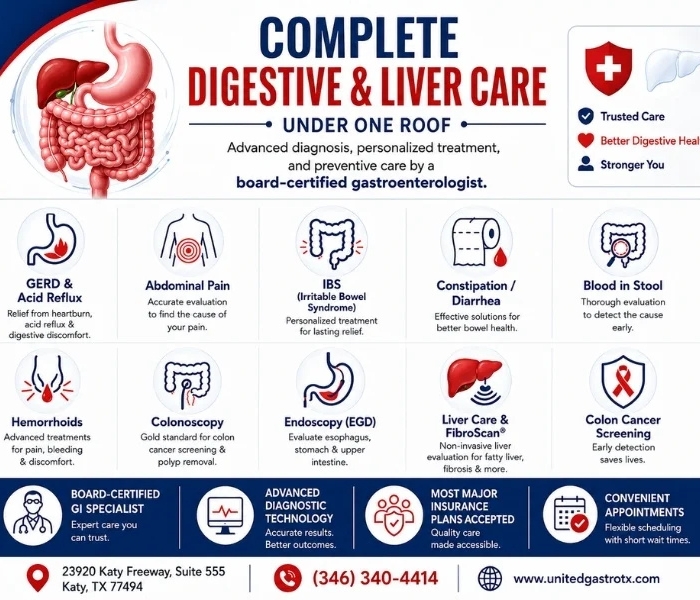 Certain factors increase the likelihood of developing abnormal liver tests. Risk factors include:
- Obesity
- Type 2 diabetes
- High cholesterol
- High blood pressure
- Regular alcohol use
- Chronic viral hepatitis
- Family history of liver disease
- Long-term medication use
- Certain herbal or dietary supplements
- Previous liver disease
- Exposure to viral hepatitis
- Metabolic syndrome
Having one or more risk factors does not necessarily mean liver disease is present, but it may increase the need for appropriate evaluation and follow-up.
When Should You See a Liver Specialist?
Schedule an evaluation if:- Liver enzymes remain elevated on repeat testing.
- Your primary care provider recommends further evaluation.
- You develop jaundice, dark urine, or pale stools.
- Blood tests suggest ongoing liver inflammation.
- You have fatty liver disease with risk factors for liver fibrosis.
- You have chronic hepatitis B or hepatitis C.
- Imaging shows liver abnormalities.
- You have a family history of liver disease.
- You have unexplained fatigue or right upper abdominal pain with abnormal liver tests.
Evaluation by a gastroenterologist or hepatology specialist can help identify the cause of abnormal liver enzymes and determine whether treatment, monitoring, or additional testing is appropriate.
Request an appointment · Liver specialist in Cypress and Katy
How Are Abnormal Liver Enzymes Evaluated?
Evaluation begins with a detailed medical history, physical examination, and review of your laboratory results. The goal is to identify the underlying cause of the abnormal liver enzymes rather than treating the laboratory value alone.
Not every patient requires every test. Your gastroenterologist will recommend the most appropriate evaluation based on your symptoms, medical history, risk factors, and the pattern of liver enzyme elevation.
Medical History and Physical Examination
Your healthcare provider may ask questions about:- When abnormal liver enzymes were first identified
- Previous liver blood test results
- Alcohol consumption
- Prescription and over-the-counter medications
- Vitamins and herbal supplements
- Family history of liver disease
- Recent travel
- Risk factors for viral hepatitis
- Diabetes, high cholesterol, or obesity
- Recent illness or infection
- Unexplained weight loss
- Abdominal pain or swelling
- Jaundice
- Dark urine or pale stools
During the physical examination, your physician may look for signs of liver disease such as jaundice, abdominal tenderness, liver enlargement, fluid buildup, or swelling in the legs.
Blood Tests
Additional laboratory testing may help determine why liver enzymes are elevated. Depending on your condition, testing may include:- Liver function tests (ALT, AST, ALP, GGT, bilirubin)
- Albumin and total protein
- Prothrombin time (INR)
- Complete blood count (CBC)
- Kidney function tests
- Blood glucose and hemoglobin A1C
- Cholesterol and triglyceride levels
- Hepatitis A, B, and C testing
- Iron studies
- Autoimmune liver disease markers
- Ceruloplasmin or other specialized testing when indicated
Repeat blood testing may also be recommended to determine whether liver enzyme elevations are temporary or persistent.
Liver Ultrasound
An abdominal ultrasound is commonly used to evaluate the liver and nearby organs. Ultrasound may help identify:- Fatty liver
- Liver enlargement
- Liver cysts or masses
- Gallstones
- Bile duct enlargement
- Signs of cirrhosis
- Fluid around the liver or abdomen
Ultrasound is painless, non-invasive, and often one of the first imaging studies performed when liver enzymes are elevated.
FibroScan®
Many patients with persistent abnormal liver enzymes benefit from FibroScan®, a specialized, non-invasive test that measures liver stiffness and estimates liver fibrosis. FibroScan may be recommended for patients with:- Fatty liver disease
- Chronic hepatitis B or C
- Alcohol-related liver disease
- Elevated liver enzymes of unclear cause
- Suspected liver fibrosis
- Long-term liver disease monitoring
Unlike a liver biopsy, FibroScan does not require needles or sedation and typically takes only a few minutes to complete.
CT Scan or MRI
In some situations, additional imaging may be needed to evaluate abnormalities seen on ultrasound or blood tests. Your physician may recommend:- CT scan
- MRI
- MRCP (Magnetic Resonance Cholangiopancreatography)
These studies can provide detailed images of the liver, bile ducts, pancreas, and surrounding organs.
Endoscopic Procedures
If abnormal liver enzymes are related to bile duct obstruction or another digestive condition, specialized endoscopic procedures may be recommended.
ERCP: Endoscopic Retrograde Cholangiopancreatography (ERCP) combines endoscopy and X-ray imaging to diagnose and treat certain bile duct disorders. ERCP may be recommended when there is concern for:- Bile duct stones
- Bile duct narrowing
- Bile duct leaks
- Blockages affecting the liver or pancreas
Upper endoscopy (EGD): Although upper endoscopy (EGD) is not routinely performed solely because liver enzymes are elevated, it may be recommended when symptoms such as persistent nausea, vomiting, upper abdominal pain, or gastrointestinal bleeding are also present.
Liver Biopsy
A liver biopsy is not necessary for every patient. However, it may be considered when:- The cause of abnormal liver enzymes remains unclear
- Advanced liver disease is suspected
- Autoimmune liver disease needs confirmation
- Results from blood tests and imaging are inconclusive
- The degree of liver inflammation or fibrosis needs further evaluation
During a liver biopsy, a small sample of liver tissue is examined under a microscope to provide additional diagnostic information.
How Are Abnormal Liver Enzymes Treated?
Treatment depends on the underlying cause of the abnormal liver enzymes. There is no single treatment that is appropriate for every patient. Your gastroenterologist will develop a personalized care plan based on your diagnosis, the severity of liver injury, your overall health, and whether liver damage is ongoing.
Do All Elevated Liver Enzymes Require Treatment?
No. Some mild elevations are temporary and return to normal without treatment. Treatment depends on:- The underlying diagnosis
- The degree of liver injury
- Whether liver damage is ongoing
- The presence of liver fibrosis or cirrhosis
- Other medical conditions
Can Abnormal Liver Enzymes Return to Normal?
Yes. Many patients see improvement once the underlying cause is identified and appropriately managed. Depending on the diagnosis, liver enzyme levels may improve after:- Weight loss
- Improved diabetes control
- Limiting or avoiding alcohol
- Adjusting medications under medical supervision
- Treating viral hepatitis
- Managing fatty liver disease
- Treating bile duct disorders
- Addressing autoimmune liver disease
Why Choose United Gastroenterology Associates for Abnormal Liver Enzymes?
United Gastroenterology Associates provides comprehensive evaluation and management of abnormal liver enzymes for adults in Cypress and Katy.
Evaluation by a board-certified liver specialist
Liver tests are reviewed by a physician board-certified in gastroenterology and hepatology.
Advanced liver fibrosis assessment with FibroScan®
A quick, noninvasive scan that estimates liver scarring and fat without a needle.
Diagnostic laboratory and imaging evaluation
Blood tests and imaging are ordered based on your pattern of liver enzyme elevation.
Management of fatty liver disease, viral hepatitis, autoimmune liver disease, and biliary disorders
Long-term management for chronic liver and bile duct conditions.
Long-term liver disease monitoring
Follow-up testing tracks whether enzymes improve and whether liver damage is progressing.
Coordination with primary care physicians and other specialists when needed
Results and recommendations are shared with your primary care physician and other specialists.
Liver Care in Cypress, Katy, and Greater Houston
United Gastroenterology Associates provides adult liver and digestive care at offices in Cypress and Katy, Texas. The Cypress office is on Northwest Freeway (US-290), and the Katy office is on Katy Freeway (I-10). Both offices share one phone number for scheduling.
United Gastroenterology Associates – Cypress Office
Cypress office – Northwest Freeway (US-290)
- Address: 21216 Northwest Freeway, Suite 640, Cypress, TX 77429
- Phone: (346) 340-4414
- Hours: Monday–Friday, 8:30 AM–5:00 PM (closed 12:00–1:30 PM for lunch; last appointment 4:30 PM)
United Gastroenterology Associates – Katy Office
Katy office – Katy Freeway (I-10) near the Grand Parkway
- Address: 23920 Katy Freeway, Suite 555, Katy, TX 77494
- Phone: (346) 340-4414
- Hours: Monday–Friday, 8:30 AM–5:00 PM (closed 12:00–1:30 PM for lunch; last appointment 4:30 PM)
Insurance and Self-Pay Options
United Gastroenterology Associates accepts most major insurance plans, including the carriers shown here. Coverage for visits, testing, and procedures depends on your plan, so the office verifies your benefits before your appointment. Self-pay options are available.
A carrier logo does not guarantee coverage for a specific plan or service. Call (346) 340-4414 to confirm your benefits.









What Patients Say About Dr. Khan
These reviews were shared by patients of United Gastroenterology Associates and are published on the practice website.
“From the moment I walked in, I felt like I was in good hands at United Gastroenterology Associates. The staff was courteous and efficient, and the doctors were knowledgeable and compassionate. They diagnosed my condition quickly and provided an effective treatment plan. I’m feeling much better thanks to them!”
Olivia
“Dr. Khan is an exceptionally kind and compassionate physician. He truly listens to his patients and takes the time to explain everything clearly and thoroughly. His treatment plans are straightforward and easy to understand, and he provides a very personalized, attentive level of care. I felt respected, heard, and genuinely cared for throughout my visit.”
Maria Andreina Behrens · Katy
“Dr. Khan is an amazing physician. He is so kind hearted & wants to help you in every way possible. He listens & doesn’t make you feel rushed. I feel so comfortable talking to him about anything. I am so glad to have him as my gastro doctor. His staff is outstanding as well. Shout out to Dr. Khan & his staff.”
Donna LaPlante · Cypress
How to Schedule a Liver Evaluation Appointment
Scheduling with United Gastroenterology Associates takes three steps. Request an appointment online or by phone and choose the Cypress or Katy office.
Request an appointment
Call (346) 340-4414 or use the online request form and choose “Abnormal Liver Enzymes” as the reason for your visit.
Share your records
Bring recent lab results, imaging reports, a medication list, and any referral. The office verifies your insurance or explains self-pay options.
Meet Dr. Khan
Dr. Khan reviews your history and results, explains what they mean, and recommends next steps, which may include further testing.
Frequently Asked Questions About Abnormal Liver Enzymes
Answers to common questions about elevated liver enzymes.
What level of liver enzymes is considered high?
Normal ranges vary by laboratory, but ALT or AST above the upper limit of normal on your lab report is considered elevated. How high the levels are and the pattern of which enzymes are elevated help guide the next steps.
Are mildly elevated liver enzymes serious?
Not always. Mild elevations are common and may be temporary. However, persistent or unexplained abnormalities should be evaluated to identify the underlying cause.
Can abnormal liver enzymes return to normal?
Yes. Many patients see improvement after treating the underlying condition, making lifestyle changes, adjusting medications when appropriate, or managing chronic liver disease.
Can fatty liver cause elevated liver enzymes?
Yes. Fatty liver disease is one of the most common causes of abnormal liver enzymes, although some people with fatty liver have normal liver tests.
Will I need a FibroScan?
Not everyone needs a FibroScan. Your physician may recommend FibroScan® if there is concern for liver fibrosis, fatty liver disease, or chronic liver disease.
Do abnormal liver enzymes mean I have cirrhosis?
No. Elevated liver enzymes do not automatically indicate cirrhosis. Many conditions can cause abnormal liver blood tests, and additional evaluation is often needed.
Can medications increase liver enzymes?
Yes. Certain prescription medications, over-the-counter medicines, and herbal supplements can affect liver enzyme levels.
When should I see a liver specialist?
You should schedule an evaluation if liver enzymes remain elevated, worsen over time, or are associated with symptoms such as jaundice, abdominal pain, or unexplained weight loss.
Where can I get abnormal liver enzymes evaluated in Cypress or Katy?
United Gastroenterology Associates evaluates abnormal liver tests at 21216 Northwest Freeway, Suite 640, Cypress, TX 77429 and 23920 Katy Freeway, Suite 555, Katy, TX 77494. Call (346) 340-4414 to schedule.
Request an Evaluation for Abnormal Liver Enzymes
Abnormal liver enzymes should not be ignored, even when you feel well. Early evaluation can help identify liver disease before permanent damage develops and guide appropriate treatment or monitoring. United Gastroenterology Associates provides evaluation for elevated liver enzymes, including diagnostic testing, FibroScan®, and ongoing liver disease management for adults in Cypress and Katy. Call (346) 340-4414 or request an appointment online.
Sources
- Kwo PY, Cohen SM, Lim JK. ACG Clinical Guideline: Evaluation of Abnormal Liver Chemistries. Am J Gastroenterol. 2017;112(1):18–35. doi.org/10.1038/ajg.2016.517
- National Institute of Diabetes and Digestive and Kidney Diseases. Liver Disease. niddk.nih.gov
- MedlinePlus. Liver Function Tests. National Library of Medicine. medlineplus.gov
This page provides general educational information and does not replace medical advice, diagnosis, or treatment. Symptoms should be evaluated by a qualified medical professional. For a medical emergency, call 911. Content reviewed by United Gastroenterology Associates, PLLC. Last updated September 24, 2026.