Important Note: Persistent Abdominal Pain Deserves Attention
Abdominal pain is common, and many episodes are temporary. However, pain that keeps returning, lasts longer than expected, or begins affecting your eating, sleep, work, or daily routine should not simply be ignored. Digestive conditions such as acid reflux, gastritis, irritable bowel syndrome, constipation, inflammatory bowel disease, gallbladder problems, and other gastrointestinal disorders can sometimes cause similar symptoms. Understanding the pattern of your pain and seeking medical evaluation when symptoms persist may help identify the cause and guide appropriate care.
When Should You See a Gastroenterologist for Abdominal Pain?
You should consider seeing a gastroenterologist for abdominal pain when the pain is persistent, keeps returning, interferes with daily life, or occurs with other concerning digestive symptoms. Pain that lasts for several days without improving, repeatedly returns over weeks or months, or has no clear explanation may warrant a more focused digestive evaluation.
A gastroenterologist is a doctor who specializes in conditions affecting the digestive system, including the esophagus, stomach, small intestine, colon, liver, pancreas, gallbladder, and related organs. If your abdominal pain appears connected to eating, bowel movements, heartburn, bloating, nausea, diarrhea, constipation, or blood in the stool, a GI evaluation may help identify what is causing your symptoms.
Many patients wait because the pain is not severe enough to feel like an emergency. That is understandable. Chronic digestive symptoms often develop gradually. You may first notice discomfort after a large meal, then occasional cramping, then more frequent bloating or changes in your bowel habits. Over time, you may start changing what you eat or avoiding activities because you are worried about triggering symptoms.
You do not have to wait until abdominal pain becomes unbearable before discussing it with a doctor. Persistent symptoms can provide important clues, and early evaluation may help identify the cause.
What Can Abdominal Pain Mean?
Abdominal pain is a broad symptom rather than a diagnosis. The abdomen contains multiple digestive and other organs, which means discomfort in this area can have many possible causes. Some causes are temporary and relatively mild, while others require medical testing and treatment.
The type of pain may provide useful information. Some people describe a burning sensation in the upper abdomen. Others experience cramping that improves after a bowel movement. Pain may feel sharp, dull, pressure-like, bloating-related, or like a persistent ache.
Doctors also consider when the pain occurs. For example, does it begin shortly after eating? Does it happen when your stomach is empty? Does it worsen at night? Is it related to certain foods? Does it improve after passing stool or gas?
These details do not automatically reveal the diagnosis, but they can help guide the evaluation.
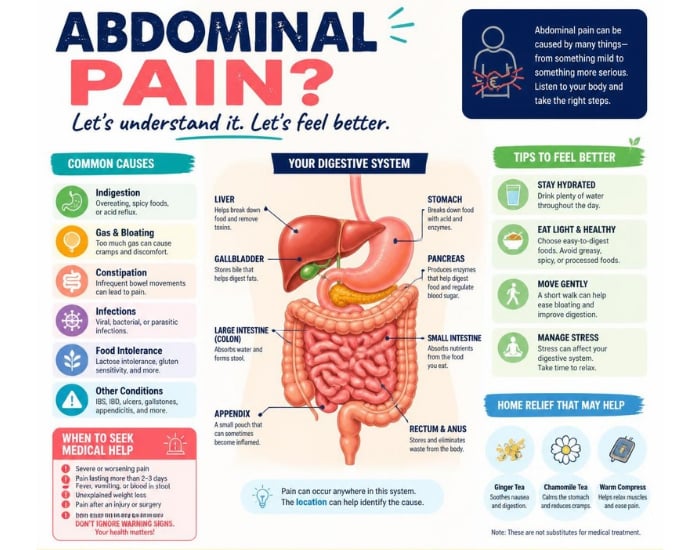
Common digestive conditions associated with abdominal pain may include:
- Acid reflux and gastroesophageal reflux disease (GERD)
- Gastritis
- Peptic ulcer disease
- Irritable bowel syndrome (IBS)
- Constipation
- Gas and bloating
- Inflammatory bowel disease (IBD)
- Crohn's disease
- Ulcerative colitis
- Gallbladder disorders
- Pancreatic conditions
- Celiac disease
- Diverticular disease
Because several different conditions can cause similar discomfort, persistent abdominal pain should not be diagnosed based only on an internet search or the location of the pain.

Does the Location of Abdominal Pain Matter?
Yes, the location of abdominal pain can give a gastroenterologist helpful information, although location alone cannot determine the exact cause. The abdomen is often divided into different regions, and symptoms from digestive organs may sometimes be felt in nearby areas.
Upper Abdominal Pain
Upper abdominal discomfort may be associated with conditions involving the stomach, esophagus, gallbladder, liver, pancreas, or upper portion of the small intestine. Some people experience burning, pressure, fullness, or discomfort after eating.
For example, upper abdominal pain accompanied by heartburn, acid regurgitation, or symptoms that worsen after meals may lead a doctor to evaluate conditions such as acid reflux or other upper digestive disorders. Persistent symptoms may sometimes require further testing.
Learn more about GERD and acid reflux care and upper endoscopy (EGD).
Lower Abdominal Pain
Lower abdominal pain may sometimes be associated with the colon or bowel habits. Constipation, diarrhea, inflammation, IBS, and other intestinal conditions can cause discomfort in this area.
If lower abdominal pain occurs with persistent changes in bowel movements, rectal bleeding, blood in the stool, or unexplained weight loss, it is important to discuss these symptoms with a healthcare professional.
Pain Around the Belly Button
Pain near the center of the abdomen can occur for many reasons. It may be associated with the small intestine, digestive upset, gas, or other conditions. The pattern of symptoms and associated signs are often more useful than location alone.
Abdominal Pain That Moves or Changes
Some people notice that their pain changes location or spreads to another area. This is another detail worth discussing with a doctor, particularly when the pain is persistent or worsening.
When Is Persistent Abdominal Pain a Concern?
There is no single number of days that determines whether abdominal pain is serious. However, pain that does not improve, repeatedly returns, or gradually becomes more frequent should not simply be ignored.
You may benefit from seeing an abdominal pain specialist or gastroenterologist if you have pain that:
- Lasts for several days and does not improve
- Returns repeatedly
- Occurs for weeks or months
- Interferes with work, sleep, eating, or daily activities
- Seems related to meals or certain foods
- Occurs with chronic diarrhea or constipation
- Occurs with frequent bloating or excessive gas
- Is associated with nausea or vomiting
- Occurs with blood in the stool
- Is accompanied by unexplained weight loss
Recurring pain is particularly important because patients can become accustomed to symptoms. You may think, “This always happens, so maybe this is just normal for me.” But recurring abdominal discomfort is not something you necessarily have to accept as part of everyday life.
Important Note: Do Not Let Online Searches Diagnose Your Symptoms
Reading about abdominal pain online can sometimes be reassuring, but it can also create unnecessary anxiety. Some causes of stomach or abdominal discomfort are mild and manageable, while others need further medical evaluation. Because symptoms such as bloating, cramping, diarrhea, constipation, nausea, and abdominal pain can occur with several different conditions, it is not always possible to determine the cause based on symptoms alone. If your pain is severe, persistent, worsening, or accompanied by concerning symptoms, avoid self-diagnosing and speak with a qualified healthcare professional.
What Other Symptoms Can Occur With Abdominal Pain?
Abdominal pain often provides more useful information when considered alongside other symptoms. For example, pain with heartburn may suggest a different group of digestive conditions than pain with chronic diarrhea or blood in the stool.
Abdominal Pain and Bloating
Bloating can make the abdomen feel tight, full, swollen, or uncomfortable. Some people experience visible distension, while others primarily notice pressure or fullness.
Gas and bloating are common, but frequent or persistent symptoms can be associated with a range of digestive issues. If bloating and abdominal discomfort continue despite changes in eating habits, a GI evaluation may help identify possible contributing factors.
You can also learn more about bloating and gas evaluation.
Abdominal Pain and Diarrhea
Short-term diarrhea can occur with infections, dietary changes, or temporary digestive irritation. Chronic or recurring diarrhea, however, may require further evaluation.
When abdominal pain and diarrhea continue for an extended period, doctors may consider conditions such as IBS, inflammatory bowel disease, food-related disorders, infections, medication effects, and other causes.
For ongoing symptoms, visit our chronic diarrhea specialist page.
Abdominal Pain and Constipation
Constipation can cause cramping, pressure, bloating, and lower abdominal discomfort. However, persistent constipation or significant changes in bowel habits should be evaluated rather than repeatedly treated without understanding the underlying cause.
Learn more about constipation and digestive health.
Abdominal Pain and Blood in the Stool
Blood in the stool should be discussed with a healthcare professional. The cause can vary, and bleeding should not automatically be attributed to hemorrhoids or another condition without proper evaluation.
Depending on the symptoms and medical history, your doctor may recommend further testing.
Visit our blood in stool specialist page for more information.
Abdominal Pain and Nausea or Vomiting
Nausea can accompany many digestive conditions. When nausea or vomiting is persistent, recurrent, or occurring with significant abdominal pain, medical evaluation may be needed to determine the cause.
See our page on nausea and vomiting for related information.
When Should You Worry About Abdominal Pain?
Some abdominal pain requires prompt medical attention rather than waiting for a routine gastroenterology appointment. Severe or sudden pain, especially when it rapidly worsens or occurs with other serious symptoms, should be evaluated urgently.
Seek urgent medical attention for symptoms such as severe or sudden abdominal pain, a rigid or extremely tender abdomen, vomiting blood, black or bloody stools, fainting, significant weakness, confusion, or an inability to keep fluids down. Other concerning symptoms may also require prompt evaluation depending on the situation.
This article is not a substitute for emergency medical care. If you believe you may be experiencing a medical emergency, seek immediate medical attention.
Common Digestive Causes of Abdominal Pain
Acid Reflux and GERD
GERD commonly causes heartburn and acid regurgitation, but some people also experience upper abdominal discomfort. Symptoms may be more noticeable after eating or when lying down.
Persistent reflux symptoms may require evaluation, particularly when they are frequent, do not improve, or occur with difficulty swallowing, unexplained weight loss, or other concerning symptoms.
Gastritis
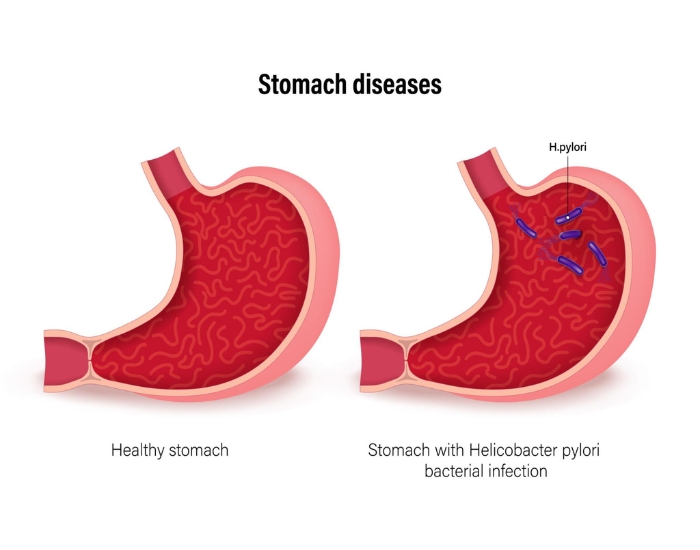
Gastritis refers to inflammation of the stomach lining. Symptoms may include upper abdominal discomfort, nausea, a feeling of fullness, or burning. The underlying cause can vary, so treatment depends on the individual situation.
Learn more about gastritis and stomach inflammation.
Irritable Bowel Syndrome
IBS is a common digestive condition that can cause recurring abdominal pain associated with changes in bowel habits. Some people experience diarrhea, constipation, or alternating bowel patterns.
Although IBS can significantly affect quality of life, it is different from inflammatory bowel disease. A doctor may need to evaluate symptoms to rule out other conditions before determining whether IBS is the cause.
Visit our IBS specialist page for additional information.
Inflammatory Bowel Disease
Crohn's disease and ulcerative colitis are forms of inflammatory bowel disease. Symptoms can include abdominal pain, diarrhea, blood in the stool, urgency, fatigue, and weight loss, although symptoms vary.
Ongoing symptoms may require specialized evaluation and management. Learn more about Crohn's disease care, ulcerative colitis care, and inflammatory bowel disease management.
Gallbladder, Liver, or Pancreatic Conditions
Conditions affecting the gallbladder, liver, or pancreas may also cause abdominal symptoms. The location of pain, timing, associated nausea, laboratory results, and imaging may all help guide an evaluation.
Patients with liver-related concerns can also explore our liver specialist services.

What Does a Gastroenterologist Do for Abdominal Pain?
A gastroenterologist begins by looking at the complete picture rather than focusing on one symptom alone. Your medical history, the exact characteristics of the pain, associated symptoms, medications, previous testing, family history, and dietary patterns can all provide useful information.
During an evaluation, you may be asked questions such as: When did the pain begin? Where exactly do you feel it? Does eating make it better or worse? Does it wake you from sleep? Have your bowel movements changed? Have you noticed bleeding, weight loss, nausea, vomiting, or difficulty swallowing?
The answers help your GI doctor decide whether additional testing is appropriate and which conditions should be considered.
How Is the Cause of Abdominal Pain Diagnosed?
There is no single test that explains every type of abdominal pain. Testing is selected based on your symptoms and medical history.
Depending on the situation, your evaluation may include blood work, stool testing, imaging, or endoscopic procedures.
Upper Endoscopy
An upper endoscopy, also called an EGD, allows a gastroenterologist to examine the upper digestive tract. It may be considered when symptoms suggest a problem involving the esophagus, stomach, or upper small intestine.
Learn more about EGD and upper endoscopy.
Colonoscopy
A colonoscopy allows a doctor to examine the inside of the colon. Depending on your symptoms, age, medical history, and other factors, it may be used to investigate certain causes of lower abdominal pain, bowel changes, bleeding, or chronic diarrhea.
Learn more about colonoscopy in Cypress or colonoscopy in Katy.
Other Testing
Additional testing may be recommended based on the clinical situation. The goal is not to perform unnecessary tests but to select an evaluation that makes sense for your symptoms and medical history.
How Is Abdominal Pain Treated?
Abdominal pain is treated by addressing its underlying cause whenever possible. There is no one medication or treatment that is appropriate for every patient.
For some people, treatment may involve dietary changes or lifestyle adjustments. Others may need medication, treatment for an underlying digestive disorder, or ongoing monitoring.
For example, treatment for GERD is different from treatment for IBS, inflammatory bowel disease, constipation, or gastritis. This is why identifying the cause matters.
If you have already tried over-the-counter medications or made dietary changes without improvement, a gastroenterology evaluation may help determine whether additional investigation is needed.
Why You Should Not Ignore or Self-Diagnose Persistent Abdominal Pain
Online symptom searches can be useful for learning about possible causes, but they cannot examine you, review your medical history, or determine which symptoms matter most in your specific situation.
One of the challenges with abdominal pain is that many conditions overlap. Bloating, cramping, diarrhea, and upper abdominal discomfort can occur with several different disorders. Assuming that symptoms are “just gas” or “just IBS” may delay evaluation if another condition is responsible.
At the same time, searching online can create unnecessary fear. A gastroenterologist can help place symptoms in the proper context and determine what, if any, further testing is appropriate.
Can Some Types of Abdominal Pain Be Prevented?
Not every cause of abdominal pain can be prevented. However, understanding your digestive patterns may help reduce symptoms related to certain conditions.
Depending on the cause, practical measures may include maintaining adequate hydration, eating a balanced diet appropriate for your individual needs, avoiding foods that consistently trigger symptoms, addressing constipation, following treatment recommendations for diagnosed digestive conditions, and discussing persistent symptoms rather than repeatedly ignoring them.
It is important to avoid extreme diets or eliminating multiple food groups without a clear reason. Significant dietary changes may not address the underlying cause and can sometimes create nutritional concerns.
Abdominal Pain Specialist in Cypress & Katy, TX
If you are experiencing persistent or recurring abdominal pain and are looking for an abdominal pain gastroenterologist in Cypress or Katy, TX, United Gastroenterology Associates provides evaluation for a wide range of digestive symptoms and conditions.
Our gastroenterology team can review your symptoms, medical history, previous testing, and digestive concerns to determine appropriate next steps. Whether abdominal pain is associated with bloating, chronic diarrhea, constipation, reflux, nausea, blood in the stool, or another digestive symptom, an individualized evaluation can help clarify the possible cause.
Patients can also learn more through our Abdominal Pain Specialist page, our Cypress Gastroenterologist page, or our Katy Gastroenterologist page.
Get Answers for Ongoing Digestive Symptoms
You do not have to wait until abdominal pain becomes unbearable to seek help. If stomach pain continues to disrupt your daily life or you are concerned about recurring digestive symptoms, a gastroenterology evaluation may help determine the next appropriate steps.
United Gastroenterology Associates serves patients in Cypress, Katy, and surrounding communities. Explore our Cypress gastroenterology services or Katy gastroenterology services to learn more about evaluation and care for digestive concerns.
Frequently Asked Questions About Abdominal Pain
When should I see a gastroenterologist for stomach pain?
You should consider seeing a gastroenterologist when stomach or abdominal pain is persistent, keeps returning, interferes with daily life, or occurs with symptoms such as chronic diarrhea, constipation, bloating, nausea, vomiting, blood in the stool, or unexplained weight loss.
How long is too long to have abdominal pain?
There is no single time limit that applies to every person. Pain that does not improve, continues for several days, or repeatedly returns over weeks or months should be discussed with a healthcare professional, especially if other symptoms are present.
What kind of doctor should I see for abdominal pain?
Your primary care provider may evaluate abdominal pain, and a gastroenterologist is a specialist in digestive conditions. If symptoms appear related to the digestive system or remain unexplained, a referral or direct evaluation by a GI specialist may be appropriate.
Can stress cause abdominal pain?
Stress can affect the digestive system and may worsen symptoms for some people. However, persistent abdominal pain should not automatically be attributed to stress without considering other possible medical causes.
Can IBS cause abdominal pain every day?
IBS can cause recurring abdominal pain and changes in bowel habits. Symptoms vary between individuals. Because other conditions can cause similar symptoms, persistent pain should be evaluated when appropriate.
Can gas cause severe abdominal pain?
Gas can cause significant discomfort, pressure, cramping, and bloating. However, severe, persistent, or worsening pain should not automatically be assumed to be caused by gas.
When should I worry about abdominal pain and diarrhea?
Consider medical evaluation when diarrhea and abdominal pain are persistent, recurrent, severe, associated with dehydration, blood in the stool, fever, unexplained weight loss, or other concerning symptoms.
Can acid reflux cause abdominal pain?
Acid reflux and GERD can cause upper digestive discomfort in addition to heartburn and regurgitation. Persistent symptoms may require evaluation because several digestive conditions can cause similar discomfort.
Does abdominal pain mean I need a colonoscopy?
Not necessarily. Whether a colonoscopy is appropriate depends on your symptoms, age, medical history, family history, and other clinical factors. A gastroenterologist can determine whether it is recommended.
What is the difference between stomach pain and abdominal pain?
People often use the terms interchangeably. Technically, the abdomen contains more than the stomach, including the intestines, liver, gallbladder, pancreas, and other organs. The location and pattern of symptoms can help guide the evaluation.
Final Thoughts: Listen to Persistent Abdominal Symptoms
Most people do not immediately think about seeing a specialist after one episode of stomach discomfort. Nor should every brief episode of abdominal pain cause alarm. But there is an important difference between temporary digestive discomfort and pain that keeps coming back without a clear explanation.
If you find yourself regularly planning meals around stomach pain, avoiding certain activities because of digestive symptoms, waking at night with discomfort, or repeatedly wondering why your abdomen hurts, it may be worth discussing the problem with a healthcare professional.
A gastroenterologist can help evaluate the pattern of your symptoms, consider possible digestive causes, and recommend appropriate next steps. Getting answers can be an important step toward understanding what your body is telling you and finding a management plan suited to your individual needs.
Persistent Abdominal Pain? Talk to a Gastroenterologist
If abdominal or stomach pain keeps coming back, does not improve, or occurs with bloating, diarrhea, constipation, nausea, heartburn, or other digestive symptoms, it may be time for a GI evaluation. Understanding the underlying cause can help you move beyond repeatedly managing symptoms on your own.
Learn more about abdominal pain specialist care in Cypress and Katy and discuss your symptoms with an experienced gastroenterology team.
Medical Disclaimer: This article is provided for general educational purposes only and does not replace professional medical advice, diagnosis, or treatment. Abdominal pain can have many possible causes. Always consult a qualified healthcare professional about persistent or concerning symptoms. Seek emergency medical care for severe or sudden symptoms or if you believe you may be experiencing a medical emergency.
Sources
Where to be seen in Katy and Cypress
United Gastroenterology Associates has two offices: Katy, at 23920 Katy Freeway, Suite 555, next to Memorial Hermann Katy Hospital, and Cypress, at 21216 Northwest Freeway, Suite 640, on US-290. Both are open Monday through Friday, 8:30 AM to 5:00 PM, closed for lunch from 12:00 to 1:30 PM, and serve patients from Fulshear, Richmond and across Greater Houston. Call (346) 340-4414 for either office.
Katy office
23920 Katy Freeway, Suite 555
Katy, TX 77494
Memorial Hermann Medical Plaza 1
Next steps
If you are dealing with gastroenterologist for abdominal pain or any ongoing digestive concern, a focused evaluation can find the cause and start the right treatment. Dr. Muhammad Ali Khan and the team at United Gastroenterology Associates see adults from Katy, Cypress, Fulshear, Richmond, Greater Houston and across Texas. Call (346) 340-4414 or request an appointment today.
If you have severe pain, vomit blood, pass black stools or have chest pain, call 911 or go to the nearest emergency room.