
If your gastroenterologist has recommended an upper endoscopy, also called an esophagogastroduodenoscopy or EGD, it is completely normal to wonder what will happen once you arrive. Will it hurt? Will you be awake? How long does it take? Can you breathe while the scope is being used?
These are common questions. An upper endoscopy is a routine procedure that allows a gastroenterologist to examine the upper part of your digestive tract using a thin, flexible camera. The examination can help identify causes of symptoms such as persistent heartburn, difficulty swallowing, nausea, vomiting, upper abdominal pain, unexplained anemia and gastrointestinal bleeding.
The procedure itself is usually relatively brief. Most of the time is spent preparing you for the examination and allowing you to recover safely afterward.
Important Note
An upper endoscopy can feel intimidating when you do not know what to expect. Understanding each step—from check-in and sedation to the examination and recovery—can make the experience much less stressful. Your gastroenterology team will give you individualized instructions, especially regarding fasting, medications and transportation home.
What Is an Upper Endoscopy?
An upper endoscopy is a procedure that allows a gastroenterologist to directly examine the esophagus, stomach and first part of the small intestine.
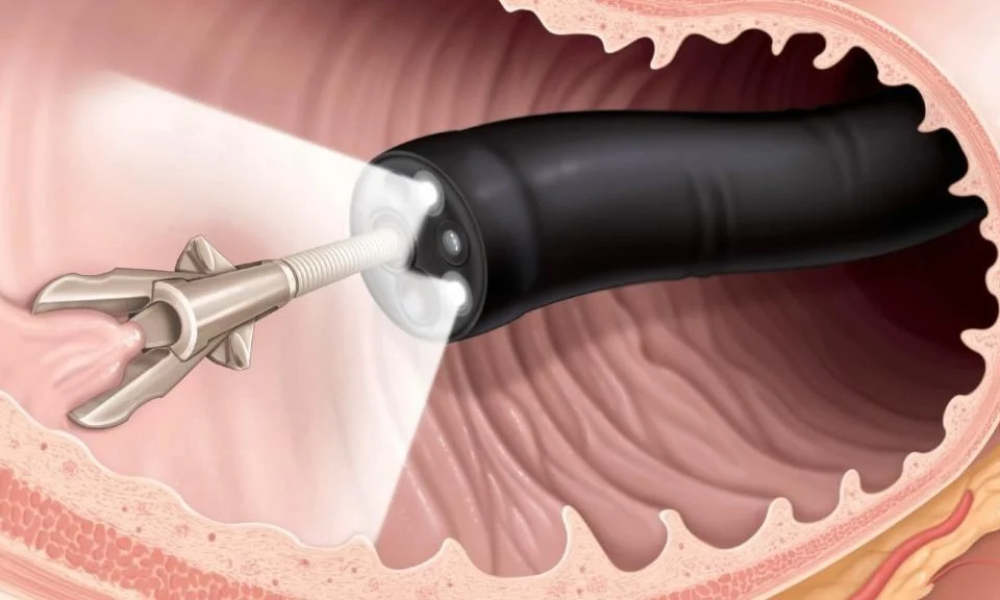
The physician uses an instrument called an endoscope. It is a thin, flexible tube with a small camera and light at its tip. The endoscope is gently passed through the mouth and guided through the upper digestive tract.
Unlike an X-ray or other imaging test, an upper endoscopy allows the gastroenterologist to see the lining of the digestive tract directly. If an abnormal area is identified, the physician can often take a small tissue sample, called a biopsy, during the same procedure.
Biopsies can be used to evaluate inflammation, infection, celiac disease, abnormal tissue or other conditions. Taking a biopsy does not necessarily mean that cancer is suspected. Tissue samples are frequently obtained to clarify a diagnosis.
What Does EGD Stand For?
EGD stands for esophagogastroduodenoscopy.
The name describes the three major areas examined:
- Esophago- refers to the esophagus.
- Gastro- refers to the stomach.
- Duodeno- refers to the duodenum, the first part of the small intestine.
You may hear your physician use the terms “upper endoscopy,” “EGD” or “upper GI endoscopy.” They generally refer to the same type of examination.
Why Would a Gastroenterologist Recommend an Upper Endoscopy?
An upper endoscopy may be recommended when symptoms or test results suggest a problem in the upper digestive tract.
Common reasons include persistent acid reflux, difficulty swallowing, unexplained upper abdominal discomfort, nausea, vomiting, gastrointestinal bleeding, unexplained iron-deficiency anemia and certain abnormal imaging or laboratory findings.
It may also be used to investigate suspected ulcers, gastritis, esophagitis, Barrett’s esophagus, celiac disease and other gastrointestinal conditions.
In some situations, endoscopy is performed not only to diagnose a problem but also to treat it. Depending on the finding, the gastroenterologist may be able to control bleeding, remove certain lesions, dilate a narrowed area or perform another therapeutic intervention.
What Happens Before an Upper Endoscopy?
Before the procedure, your medical team will review your health history, medications, allergies and preparation instructions.
You will typically be asked about medical conditions, previous procedures, medications and any history of problems with anesthesia or sedation.
Your vital signs may be checked, including blood pressure, heart rate and oxygen level.
You will also need to follow fasting instructions. The stomach generally needs to be empty so the gastroenterologist can see clearly and to reduce the risk of complications related to sedation or aspiration.
Your exact fasting schedule should come from your physician or procedure center. Do not rely on a general internet fasting schedule if your medical team has given you different instructions.
What About Medications Before an Upper Endoscopy?
Some medications may need special consideration before an upper endoscopy.
This can be particularly important if you take blood-thinning medication, diabetes medication, iron supplements or certain other prescription drugs.
Never stop a prescription medication on your own. Your gastroenterologist and prescribing physician can tell you whether a medication should be continued, temporarily adjusted or stopped.
Make sure your medical team knows about all prescription medications, over-the-counter medicines and supplements you take.
What Happens When You Arrive for the Procedure?
After you arrive, the staff will guide you through the check-in and preparation process.
You may be asked to change into a medical gown and remove items such as dentures or removable dental appliances if instructed.
A nurse or other healthcare professional will review your medical information and check your vital signs.
An intravenous line, commonly called an IV, may be placed so medications and fluids can be administered.
The medical team will also confirm that you have followed the fasting instructions and answer any last-minute questions.
Will You Be Awake During an Upper Endoscopy?
Most patients receive medication to make them comfortable and relaxed during an upper endoscopy.
The type and depth of sedation can vary depending on the procedure, your health, the facility and the anesthesia plan.
Many patients become very sleepy and have little or no memory of the procedure afterward.
Your care team will discuss the planned sedation or anesthesia approach with you before the procedure. Because these medications can temporarily affect alertness, you will generally need someone to take you home after the examination.
Is Your Throat Numbed During an Upper Endoscopy?
A local anesthetic may be sprayed into the throat to reduce the gag reflex and make insertion of the endoscope more comfortable.
You may notice a temporary numb or unusual sensation in your throat afterward. Your care team will tell you when it is safe to resume eating and drinking.
What Happens During an Upper Endoscopy?
During an upper endoscopy, the gastroenterologist gently guides a flexible camera through the mouth, down the esophagus and into the stomach and duodenum.
You will usually lie on your side. The endoscope is carefully passed through the mouth and into the upper digestive tract.
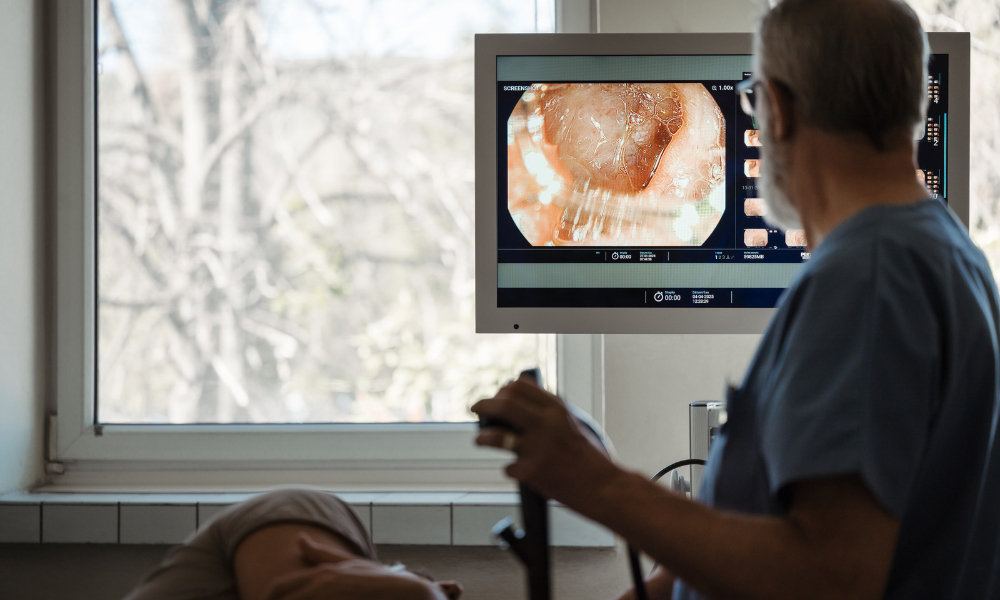
The camera sends images to a monitor, allowing the gastroenterologist to inspect the digestive tract.
The physician looks for abnormalities such as inflammation, ulcers, bleeding, narrowing, abnormal growths and changes in the lining of the esophagus, stomach or duodenum.
Small amounts of air or carbon dioxide may be introduced to expand the digestive tract and improve visibility. This can occasionally cause temporary bloating or belching after the procedure.
If necessary, the physician can pass small instruments through the endoscope to obtain biopsies or perform certain treatments.
Can You Breathe During an Upper Endoscopy?
Yes. You can breathe during an upper endoscopy because the endoscope passes through the esophagus, not the airway.
This is one of the most common concerns patients have before an EGD.
Your airway remains separate from the esophagus. In addition, your medical team continuously monitors you during sedation, including oxygen levels and other vital signs.
If you are anxious about breathing during the procedure, tell your healthcare team before the examination begins.
Does an Upper Endoscopy Hurt?
Most patients do not experience significant pain during an upper endoscopy, particularly when sedation is used.
You may notice pressure, temporary bloating or a sensation in your throat before sedation takes effect. Afterward, some people experience a mild sore throat or temporary gas and bloating.
If you experience significant or worsening pain after the procedure, however, you should contact your medical team.
Will the Doctor Take a Biopsy During an Upper Endoscopy?
A biopsy may be taken if your gastroenterologist believes tissue analysis will help with diagnosis.
The biopsy itself is generally not something patients feel because the digestive tract does not respond to the small tissue sampling in the same way that skin does.
Biopsies can help evaluate conditions such as celiac disease, inflammation, infection and abnormal cellular changes.
Receiving a biopsy does not automatically mean that something serious was found.
What Conditions Can an Upper Endoscopy Detect?
An upper endoscopy can help diagnose a wide range of digestive conditions.
Acid Reflux and Esophagitis
Endoscopy can show inflammation or injury to the esophageal lining associated with gastroesophageal reflux disease, commonly called GERD. Findings help shape your treatment plan for GERD.
It can also help identify complications associated with long-standing reflux.
Esophageal Strictures
A narrowed section of the esophagus can cause difficulty swallowing. During endoscopy, the gastroenterologist can evaluate the narrowing and, in selected cases, treat it with dilation.
Barrett’s Esophagus
Changes in the lining of the lower esophagus associated with chronic reflux can sometimes be identified during endoscopy. Biopsy may be used to determine whether cellular changes are present.
Gastritis
Inflammation of the stomach lining may be visible during an upper endoscopy. Tissue samples may sometimes help determine the underlying cause.
Peptic Ulcers
Endoscopy can identify ulcers in the stomach or duodenum and evaluate associated bleeding or other complications.
Gastrointestinal Bleeding
When bleeding originates in the upper digestive tract, endoscopy can help locate the source and may allow the physician to treat certain bleeding lesions during the same procedure.
Celiac Disease
When celiac disease is suspected, biopsies from the small intestine may be obtained during EGD to assist with diagnosis.
How Long Does an Upper Endoscopy Take?
The actual upper endoscopy is usually relatively short, often taking approximately 15 to 30 minutes depending on what needs to be examined or treated.
The total time at the facility is longer because you need time for check-in, preparation, sedation and recovery.
If additional procedures or treatments are necessary, the examination may take longer.
What Happens After an Upper Endoscopy?
After the examination, you will be taken to a recovery area while the effects of sedation begin to wear off.
Your medical team will monitor your vital signs and make sure you are sufficiently alert before discharge.
You may experience a mild sore throat, temporary bloating or increased gas. These symptoms are often short-lived.
If you received sedation, you may feel sleepy or somewhat groggy for the rest of the day.
Follow the discharge instructions regarding eating, drinking, medications and physical activity.
When Can You Eat After an Upper Endoscopy?
When you can eat and drink depends on the type of sedation, throat numbing medication and findings from the procedure.
Your medical team will tell you when it is safe to resume liquids and food.
If your throat remains numb, you may need to wait until the sensation returns before eating or drinking normally to reduce the risk of swallowing problems.
Is a Sore Throat Normal After an Upper Endoscopy?
A mild sore throat can occur after an endoscope passes through the mouth and throat.
It typically improves on its own.
If throat discomfort becomes severe, continues to worsen or is accompanied by difficulty breathing or swallowing, contact your medical team promptly.
Important Note
Most upper endoscopies go smoothly, and temporary throat irritation or bloating can occur afterward. At the same time, you should not ignore severe or unusual symptoms. Your discharge instructions will explain what is expected and when you should contact the medical team.
Are There Risks With Upper Endoscopy?
Upper endoscopy is generally considered a safe procedure, but like any medical procedure, it carries potential risks.
Possible complications include bleeding, infection, reactions to sedation, aspiration and, rarely, a tear or perforation of the digestive tract.
The risk depends partly on the reason for the procedure and whether additional treatment is performed during the examination.
Your gastroenterologist can explain the risks that are specifically relevant to you before the procedure.
When Should You Call Your Doctor After an Upper Endoscopy?
Contact your healthcare team if you develop symptoms that are severe, unexpected or worsening after the procedure.
Seek prompt medical attention for severe or worsening abdominal or chest pain, significant bleeding, vomiting blood, black or tarry stools, difficulty breathing, persistent vomiting, fever or other concerning symptoms.
A small amount of throat discomfort or temporary bloating can be expected, but severe symptoms should not be ignored.
Upper Endoscopy vs. Colonoscopy: What’s the Difference?
Both procedures use flexible cameras to examine the digestive tract, but they examine different areas.
An upper endoscopy examines the upper digestive tract—the esophagus, stomach and duodenum.
A colonoscopy examines the large intestine, including the colon and rectum.
The preparation is also different. Colonoscopy generally requires extensive bowel cleansing, while upper endoscopy primarily requires fasting so the stomach is empty.
In some circumstances, a patient may need both procedures, depending on symptoms, screening needs or test results.
How Should You Prepare for an Upper Endoscopy?
Preparation usually focuses on fasting and medication instructions.
Your medical team will tell you when to stop eating and drinking. You may also receive instructions regarding medications, particularly blood thinners, diabetes medications and other drugs that could affect the procedure.
Follow your specific instructions carefully.
You can also review United Gastro TX’s EGD preparation instructions before your appointment.
Upper Endoscopy in Cypress and Katy, TX
If you have persistent digestive symptoms and your physician recommends an upper endoscopy, working with a gastroenterology team experienced in diagnostic and therapeutic endoscopy can help ensure that your evaluation is appropriately planned.
United Gastro TX provides gastroenterology and endoscopy services for patients in the Cypress, Katy and surrounding Houston-area communities.
Patients can learn more about endoscopy in Cypress, TX and endoscopy near Katy, TX.
You can also learn about EGD and upper endoscopy and review the practice’s gastrointestinal procedures.
Have Questions About Your Upper Endoscopy?
Understanding what happens before, during and after an EGD can make the procedure feel much less uncertain. If you have questions about preparation, sedation, symptoms or recovery, speak with your gastroenterology team before your appointment.
Frequently Asked Questions About Upper Endoscopy
What happens during an upper endoscopy?
During an upper endoscopy, a gastroenterologist gently guides a thin, flexible camera through the mouth into the esophagus, stomach and duodenum. The physician examines the digestive lining and may take biopsies or perform treatment if necessary.
Are you awake during an upper endoscopy?
Most patients receive sedation to help them relax and remain comfortable. The amount and type of sedation vary depending on the procedure and individual circumstances.
Does an upper endoscopy hurt?
Most patients do not experience significant pain during an upper endoscopy, particularly when sedation is used. Temporary throat irritation, bloating or gas can occur afterward.
Can you breathe during an upper endoscopy?
Yes. The endoscope passes through the esophagus rather than the airway, so breathing remains possible. Your medical team also monitors you throughout the procedure.
How long does an upper endoscopy take?
The examination itself is often completed within about 15 to 30 minutes, although the entire appointment takes longer because of preparation and recovery.
Can an upper endoscopy detect acid reflux?
An upper endoscopy can identify inflammation or other changes associated with acid reflux and can help evaluate complications of GERD. However, not every person with reflux symptoms will have visible abnormalities on endoscopy.
Can an upper endoscopy detect an ulcer?
Yes. An upper endoscopy can identify ulcers in the stomach or duodenum and can help evaluate related bleeding or inflammation.
Can an upper endoscopy detect cancer?
An upper endoscopy can identify suspicious abnormalities in the esophagus, stomach or duodenum. If an abnormal area is found, a biopsy can be obtained for laboratory evaluation.
Can an upper endoscopy detect gastritis?
Endoscopy can show changes associated with inflammation of the stomach lining. Biopsies may also be taken to help determine the cause.
How long does recovery from an upper endoscopy take?
The endoscopy itself is usually brief, but sedation can cause temporary drowsiness. Most patients can leave after a period of monitored recovery, but they should follow their facility’s instructions and arrange transportation if sedation is used.
Can I drive after an upper endoscopy?
If you receive sedation or anesthesia, you should not drive yourself home. Follow your procedure center’s transportation requirements.
What can I eat after an upper endoscopy?
Your healthcare team will tell you when it is safe to eat and drink. Once permitted, many patients can gradually resume their normal diet unless they receive different instructions based on the procedure or findings.
Final Thoughts: What Should You Expect From an Upper Endoscopy?
An upper endoscopy is a valuable diagnostic procedure that allows a gastroenterologist to directly examine the esophagus, stomach and duodenum.
For most patients, the experience involves check-in, fasting verification, IV placement, sedation, the brief endoscopic examination and monitored recovery.
The procedure can help investigate symptoms such as persistent heartburn, difficulty swallowing, nausea, vomiting, abdominal discomfort and gastrointestinal bleeding. It can also identify conditions such as ulcers, inflammation, strictures and abnormal tissue.
If an abnormality is found, your gastroenterologist may be able to take a biopsy or perform certain treatments during the same examination.
The most important preparation step is to follow your medical team’s fasting and medication instructions exactly. If you have questions or concerns, ask before the procedure rather than trying to interpret the instructions yourself.
Medical Disclaimer: This article is for general educational purposes and does not replace individualized medical advice, diagnosis or treatment. Upper endoscopy preparation, sedation and recovery instructions can vary by patient and facility. Always follow the instructions provided by your gastroenterologist and procedure center. If you develop severe or concerning symptoms after an endoscopy, contact your healthcare provider or seek appropriate emergency medical care.