
Home › Colonoscopy in Katy, TX
Screening & Diagnostic Colonoscopy in Katy
Colonoscopy in Katy, TX
United Gastroenterology Associates provides screening and diagnostic colonoscopy for patients in Katy, TX at 23920 Katy Freeway, Suite 555, Katy, TX 77494. Colonoscopies are performed by Dr. Muhammad Ali Khan, MD, FACP, FASGE, a board-certified gastroenterologist, with clear preparation instructions, insurance verification handled by the office, and follow-up on your results.
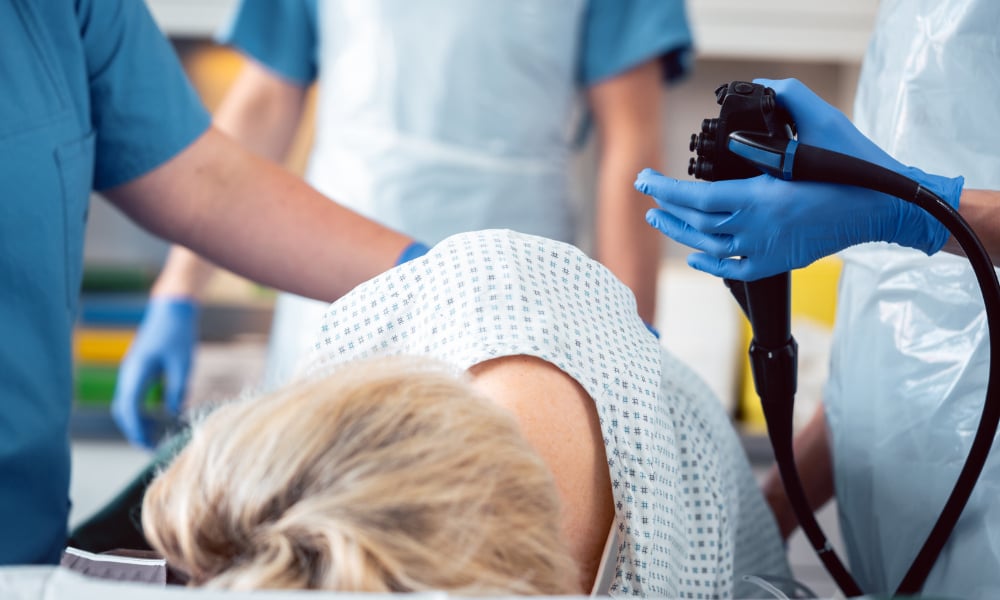
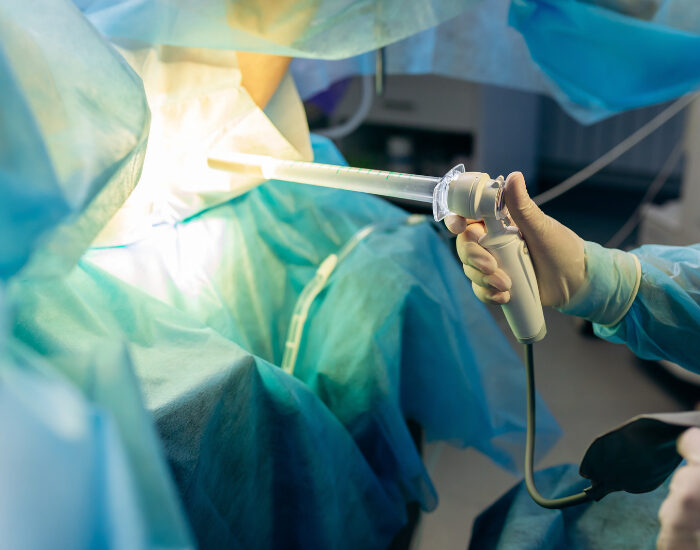
Screening and diagnostic colonoscopy at the Katy office, performed by Dr. Muhammad Ali Khan
Meet Your Colonoscopy Doctor: Muhammad Ali Khan, MD, FACP, FASGE
BOARD-CERTIFIED Gastroenterologist and Hepatologist
CREDENTIALS AT A GLANCE
Board-Certified
Gastroenterology, hepatology, and internal medicine
Academic Medicine
Former Associate Professor, UT MD Anderson Cancer Center
Published Research
More than 100 peer-reviewed articles in gastroenterology
FACP and FASGE
Fellow, American College of Physicians and American Society for Gastrointestinal Endoscopy
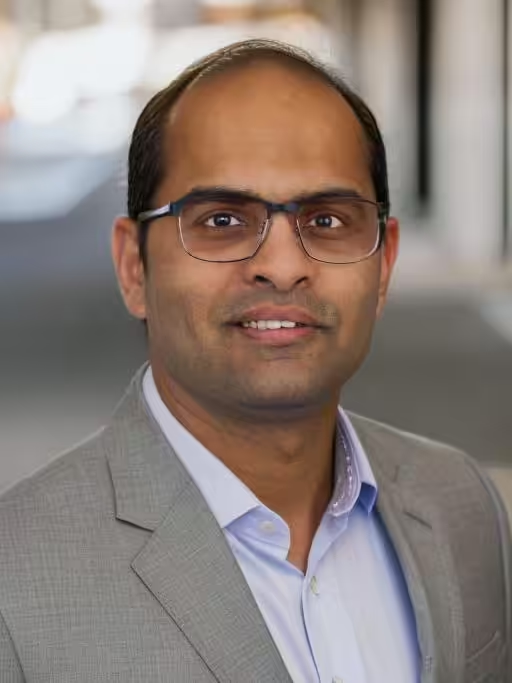
Dr. Muhammad Ali Khan, MD, FACP, FASGE
Board-certified gastroenterologist and hepatologist, United Gastroenterology Associates
Dr. Muhammad Ali Khan, MD, FACP, FASGE, is a board-certified gastroenterologist and hepatologist who sees patients at the United Gastroenterology Associates offices in Cypress and Katy. He performs screening and diagnostic colonoscopy, polyp removal and upper endoscopy, and evaluates rectal bleeding, changes in bowel habits and inflammatory bowel disease.
Dr. Khan earned his medical degree at Dow Medical College, completed an internal medicine residency at the University of Toledo, and completed a gastroenterology and hepatology fellowship at the University of Tennessee Health Science Center. He served as an Assistant Professor at the University of Alabama at Birmingham and as an Associate Professor at The University of Texas MD Anderson Cancer Center.
He is board-certified in gastroenterology, hepatology, and internal medicine, is a Fellow of the American Society for Gastrointestinal Endoscopy (FASGE) and the American College of Physicians (FACP), and has authored more than 100 peer-reviewed articles. Read Dr. Khan’s full profile.
Professional Memberships
- American College of Gastroenterology
- American Society for Gastrointestinal Endoscopy (Fellow)
- American Gastroenterological Association
- American College of Physicians (Fellow)
- Texas Medical Association
- Texas Society of Gastroenterology & Endoscopy
Areas of Care
- Screening and diagnostic colonoscopy
- Polyp removal (polypectomy)
- Rectal bleeding and blood in stool
- Crohn’s disease and ulcerative colitis
- Upper endoscopy (EGD)
- Liver and digestive conditions
Where Can I Get a Colonoscopy in Katy, TX?
Patients in Katy can schedule a colonoscopy with Dr. Muhammad Ali Khan at United Gastroenterology Associates, 23920 Katy Freeway, Suite 555, Katy, TX 77494, on the Katy Freeway (I-10) near the Grand Parkway (TX-99). The practice offers screening colonoscopy for adults who are due for colorectal cancer screening and diagnostic colonoscopy for symptoms such as rectal bleeding or changes in bowel habits. Call (346) 340-4414 or request an appointment online, Monday through Friday.
The office verifies your insurance and handles authorization before the procedure, so you know what to expect. Self-pay colonoscopy options are also available.
Get directions to the Katy office · Request an appointment online
Board-Certified
Gastroenterology, hepatology, and internal medicine
Academic Medicine
Former Associate Professor, UT MD Anderson Cancer Center
Published Research
More than 100 peer-reviewed articles in gastroenterology
FACP and FASGE
Fellow, American College of Physicians and American Society for Gastrointestinal Endoscopy
What Is a Colonoscopy?
A colonoscopy is an examination of the colon (large intestine) and rectum with a colonoscope, a thin, flexible tube with a light and camera. It lets a gastroenterologist see the lining of the entire colon, take small tissue samples (biopsies) and remove polyps during the same procedure.
Because precancerous polyps can be found and removed before they turn into cancer, colonoscopy is used both to prevent colorectal cancer and to find the cause of digestive symptoms.
Key Benefits
- Cancer prevention: removing polyps can stop colorectal cancer before it starts.
- Early diagnosis: finds conditions such as Crohn’s disease, ulcerative colitis and diverticulosis.
- Answers for symptoms: helps explain rectal bleeding, ongoing abdominal pain or persistent changes in bowel habits.
Screening vs. Diagnostic Colonoscopy
Screening colonoscopy checks for colorectal cancer and precancerous polyps in people without symptoms.
Diagnostic colonoscopy looks for the cause of symptoms or follows up an abnormal stool test or earlier findings.
Colon cancer screening · Self-pay colonoscopy
Need Appointment For ColonoscopyThe billing type (screening or diagnostic) can affect insurance coverage, so the office reviews it with you before the procedure.
When Should You Schedule a Colonoscopy Screening?
Routine screening finds most colorectal cancers early or prevents them. The U.S. Preventive Services Task Force recommends screening for adults ages 45 to 75 who are at average risk.1
Average Risk
Adults should begin colorectal cancer screening at age 45. Screening is recommended through age 75; decisions for ages 76 to 85 are made individually.
Higher Risk
A family history of colorectal cancer or certain gene changes may mean starting earlier, often 10 years before the youngest age of diagnosis in the family.
Symptoms
Blood in the stool, ongoing abdominal pain or unexplained weight loss should be evaluated rather than waiting for routine screening.
For average-risk adults with a normal colonoscopy, the next one is usually recommended in 10 years. Who needs colonoscopy screening · Screening vs diagnostic colonoscopy.
Do You Have a Higher Risk of Colorectal Cancer?
You may need to begin screening earlier, be screened more often, or use a specific screening method if you have certain risk factors.
Dr. Khan reviews your personal and family history to set a screening plan and interval that fit your risk.
Risk factors that may change your screening plan
- A parent, sibling, or child with colorectal cancer or advanced polyps
- A personal history of colon polyps or colorectal cancer
- Crohn’s disease or ulcerative colitis affecting the colon
- Lynch syndrome, familial adenomatous polyposis, or another hereditary cancer syndrome
- Previous radiation treatment involving the abdomen or pelvis
- A previous abnormal colorectal cancer screening result
Screening recommendations for higher-risk patients are individualized and should be determined by a qualified healthcare professional.
Due for a Colonoscopy in Katy?
Adults at average risk should begin colorectal cancer screening at age 45. Dr. Khan performs screening and diagnostic colonoscopy for Katy, Fulshear, Cinco Ranch and west Houston patients.
When Is a Diagnostic Colonoscopy Recommended?

After a clinical evaluation, a diagnostic colonoscopy may be recommended to find the cause of symptoms or to follow up an abnormal test result.
Colonoscopy can help investigate bleeding, changes in bowel movements, abdominal pain and unexplained weight loss. It may also be recommended for some patients with iron-deficiency anemia.
When to seek emergency care
Call 911 or go to the nearest emergency room for heavy rectal bleeding, black or tarry stools with dizziness or fainting, vomiting blood, or severe abdominal pain.
Reasons a diagnostic colonoscopy may be considered
- Rectal bleeding or blood in the stool
- Persistent or unexplained changes in bowel habits
- Ongoing diarrhea
- Unexplained abdominal pain
- Unintentional weight loss
- A positive FIT, stool DNA, or other colorectal screening test
- Unexplained iron-deficiency anemia
- Monitoring of inflammatory bowel disease
- Follow-up of previous polyps or abnormal findings
A symptom alone does not confirm a diagnosis. Symptoms should be evaluated by a qualified medical professional.
What Conditions Can a Colonoscopy Find or Treat?
A colonoscopy can find, and often treat, several conditions of the colon and rectum during the same procedure.
Colorectal Cancer
Early detection, and prevention by removing polyps before they can become cancerous.
Colon Polyps
Growths on the colon lining that are usually removed during the exam and sent for testing.
Inflammatory Bowel Disease
Diagnosing and monitoring Crohn’s disease and ulcerative colitis.
Diverticulosis
Small pockets in the colon wall that can sometimes lead to bleeding or diverticulitis.
Rectal Bleeding and Blood in Stool
Finding the source of visible or hidden bleeding.
Iron-Deficiency Anemia
Looking for slow or hidden bleeding in the colon when blood tests show iron-deficiency anemia.
Related care: rectal bleeding, chronic diarrhea, upper endoscopy in Katy.
What to Expect: Preparation, Procedure and Recovery
Knowing what happens at each step makes the day easier. Here is what your colonoscopy will look like.
Preparation
Your results depend on a clean colon. The office gives you written, easy-to-follow instructions for the diet the day before and your prescribed bowel cleansing solution, and answers your questions before the procedure.
The Procedure
The exam usually takes 30 to 60 minutes. You receive sedation so you stay comfortable, and most patients do not remember the procedure.
Recovery
You rest for about an hour while the sedation wears off. Because of the sedation, an adult must drive you home. Most patients return to normal activities the next day.
How Are Colonoscopy Quality and Safety Maintained?
Colonoscopy quality depends on a well-prepared colon, a careful and complete examination, and safe sedation with monitoring. Gastroenterology societies track quality measures such as the adenoma detection rate (how often precancerous polyps are found), the quality of bowel preparation, and the time spent examining the colon.
At United Gastroenterology Associates, safety starts with evidence-based bowel preparation instructions so the colon can be seen clearly. Your vital signs are monitored while you are sedated, and Dr. Khan performs a careful examination of the colon lining. You are welcome to ask about preparation, sedation and quality measures during your consultation.
Why Choose United Gastroenterology for Your Colonoscopy in Katy?
Patients from Katy, Fulshear, Cinco Ranch, Richmond and west Houston choose United Gastroenterology Associates for careful, well-explained colonoscopy care.
Board-Certified Expertise
Your colonoscopy is performed by Dr. Muhammad Ali Khan, a board-certified gastroenterologist and Fellow of the American Society for Gastrointestinal Endoscopy.
Polyp Detection and Removal
Polyps found during the exam can usually be removed at the same time and sent for testing.
Clear Preparation Guidance
Written prep instructions for common bowel preparations and answers to your questions before the procedure.
Clear Communication
Results and next steps, including when your next colonoscopy is due, are explained after the procedure.
Insurance Handled for You
The office verifies coverage and handles authorization before your procedure. Self-pay options are available.
Convenient Katy Location
On the Katy Freeway (I-10) frontage road near the Grand Parkway, with parking at the building.
Getting to Our Katy Colonoscopy Office
The Katy office is at 23920 Katy Freeway, Suite 555, Katy, TX 77494, on the Katy Freeway (I-10) frontage road near the Grand Parkway (TX-99). Patients from Cinco Ranch and Fulshear can reach the office via the Grand Parkway or the Westpark Tollway, and patients from Richmond can travel north on the Grand Parkway. The building has parking and elevator access to Suite 555.
United Gastroenterology Associates – Katy Office
Katy office – Katy Freeway (I-10) near the Grand Parkway
- Address: 23920 Katy Freeway, Suite 555, Katy, TX 77494
- Phone: (346) 340-4414
- Hours: Monday–Friday, 8:30 AM–5:00 PM (closed 12:00–1:30 PM for lunch; last appointment 4:30 PM)
Get directions to the Katy office · Katy gastroenterologist · Endoscopy in Katy
Insurance and Self-Pay Options
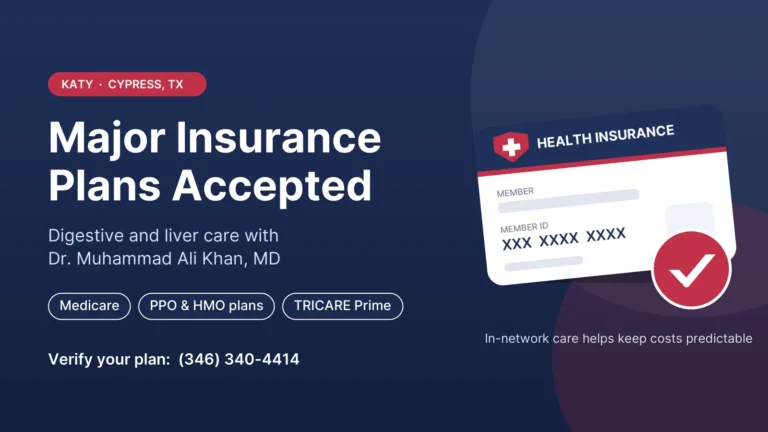
United Gastroenterology Associates accepts most major insurance plans, including the carriers shown here. Coverage for visits, testing, and procedures depends on your plan, so the office verifies your benefits before your appointment. Colonoscopy coverage depends on your plan and on whether the procedure is billed as screening or diagnostic, so the office verifies your benefits and handles authorization before your procedure. Self-pay colonoscopy options are available.
A carrier logo does not guarantee coverage for a specific plan or service. Call (346) 340-4414 to confirm your benefits.









What Patients Say About Dr. Khan
These reviews were shared by patients of United Gastroenterology Associates and are published on the practice website.
“Dr. Khan is an exceptionally kind and compassionate physician. He truly listens to his patients and takes the time to explain everything clearly and thoroughly. His treatment plans are straightforward and easy to understand, and he provides a very personalized, attentive level of care. I felt respected, heard, and genuinely cared for throughout my visit.”
Maria Andreina Behrens · Katy
“Dr Kahn and his staff are AWESOME. He is thorough, kind, listens and puts you at ease. The staff are patient and very helpful. I was so afraid of having a colonscopy. Dr Kahn was wonderful. My procedure went so well. It was over and done with in what seemed like a minute! So expect that! Dr Kahn is excellent, I trust him completely. And I recommend him, and his staff.”
Steph Apie · Fulshear
“Dr. Khan is an amazing physician. He is so kind hearted & wants to help you in every way possible. He listens & doesn’t make you feel rushed. I feel so comfortable talking to him about anything. I am so glad to have him as my gastro doctor. His staff is outstanding as well. Shout out to Dr. Khan & his staff.”
Donna LaPlante · Cypress
Frequently Asked Questions About Colonoscopy in Katy
Answers to common questions about colonoscopy at the United Gastroenterology Associates Katy office.
Where can I get a colonoscopy in Katy, TX?
Dr. Muhammad Ali Khan performs colonoscopy for patients of United Gastroenterology Associates, 23920 Katy Freeway, Suite 555, Katy, TX 77494. Call (346) 340-4414 or request an appointment online.
At what age should I get my first colonoscopy?
The U.S. Preventive Services Task Force recommends colorectal cancer screening starting at age 45 for adults at average risk. People with a family history or other risk factors may need to start earlier.
Does a colonoscopy hurt?
Most patients feel no pain during the procedure because sedation keeps them relaxed and comfortable. Some people have mild bloating or gas afterward.
How often do I need a colonoscopy?
For average-risk patients with normal findings, a repeat colonoscopy is usually recommended every 10 years. Patients with polyps, a family history or other risk factors may need shorter intervals set by their doctor.
How long does a colonoscopy take?
The exam typically takes 30 to 60 minutes, and most patients rest for about an hour afterward while the sedation wears off.
How do I prepare for a colonoscopy?
Preparation includes a special diet the day before and a bowel cleansing solution. The office gives you written instructions for your prescribed prep. View colonoscopy prep guides.
Can I drive home after a colonoscopy?
No. Because of the sedation, you need an adult to drive you home. Most patients return to normal activities the next day.
What happens if a polyp is found?
Most polyps can be removed during the same colonoscopy and sent for testing. Dr. Khan reviews the results with you and recommends when your next colonoscopy should be.
How much does a colonoscopy cost?
Cost depends on your insurance plan and on whether the colonoscopy is billed as screening or diagnostic. The office verifies your benefits before the procedure, and self-pay colonoscopy options are available.
Does a positive stool test mean I need a colonoscopy?
Yes. A positive FIT or stool DNA test should be followed by a colonoscopy to find the cause. A positive result does not mean you have cancer.
Schedule Your Colonoscopy in Katy Today
Whether you are due for routine screening or need to find the cause of symptoms, Dr. Khan and the Katy team can help you take the next step. Call (346) 340-4414 or request an appointment online.
Stay informed
Get The Latest
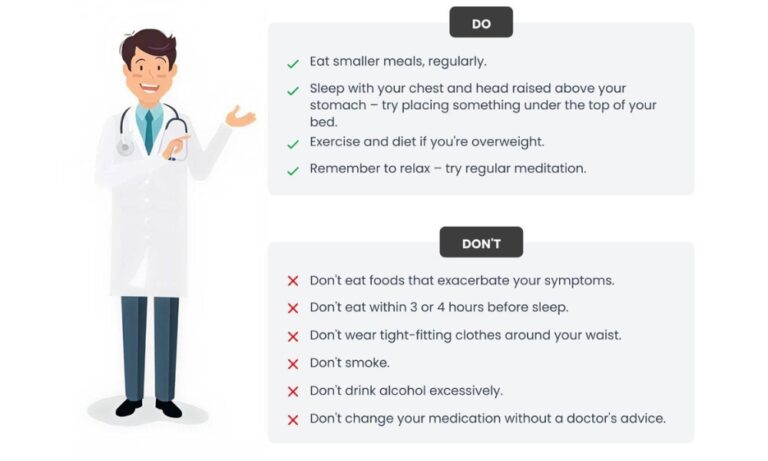
Digestive Discomfort? When to Consult a Gastroenterologist
Consulting with a gastroenterologist can lead to more accurate detection of polyps and cancer, fewer complications from procedures, and shorter hospital stays. So, for individuals experiencing digestive issues or in need of screening, reaching out to a gastroenterologist for expert care is recommended. Read More
Understanding Your Digestive System, Symptoms and Causes
The digestive system is composed of many parts, including the G.I. tract, liver, pancreas, and gallbladder, so it’s no surprise that symptoms in these areas can vary widely. Some symptoms can be mild, indicating something as simple as eating questionable leftovers. Learn More

Sources
- U.S. Preventive Services Task Force. Colorectal Cancer: Screening. Final recommendation statement, May 18, 2021. uspreventiveservicestaskforce.org
- Centers for Disease Control and Prevention. Screening for Colorectal Cancer. cdc.gov
- National Institute of Diabetes and Digestive and Kidney Diseases. Colonoscopy. niddk.nih.gov
This page provides general educational information and does not replace medical advice, diagnosis, or treatment. Symptoms should be evaluated by a qualified medical professional. For a medical emergency, call 911. Content reviewed by United Gastroenterology Associates, PLLC. Last updated September 27, 2026.