
Home › Liver Specialist in Cypress and Katy
Liver specialist · Cypress and Katy, TX
Liver Specialist in Katy & Cypress, TX
Were your liver enzymes elevated on a routine blood test? Did an ultrasound show fatty liver, or has your doctor recommended further evaluation for hepatitis or liver scarring? Muhammad Ali Khan, MD, FACP, FASGE, provides specialized liver and digestive care for patients in Katy and Cypress, Texas, from evaluating abnormal liver tests to long-term monitoring of chronic liver disease.

United Gastroenterology Associates, PLLC
Liver care in Cypress and Katy, TX
Meet Your Liver Specialist: Muhammad Ali Khan, MD, FACP, FASGE
BOARD-CERTIFIED Gastroenterologist and Hepatologist
CREDENTIALS AT A GLANCE
Board-Certified
Gastroenterology, hepatology, and internal medicine
Academic Medicine
Former Associate Professor, UT MD Anderson Cancer Center
Published Research
More than 100 peer-reviewed articles in gastroenterology
FACP and FASGE
Fellow, American College of Physicians and American Society for Gastrointestinal Endoscopy

“My gastroenterology & hepatology practice is dedicated to working closely with you to develop a personalized treatment plan that meets your unique needs and preferences.”
Dr. Muhammad Ali Khan, MD, FACP, FASGE
Board-certified gastroenterologist and hepatologist, United Gastroenterology Associates
Dr. Khan is a board-certified Gastroenterologist and Hepatologist with extensive academic and clinical experience. A former Associate Professor at MD Anderson Cancer Center, he has authored more than 100 peer-reviewed publications in gastroenterology and hepatology.
His approach integrates scientific precision with personalized, patient-centered care, ensuring every individual receives attention tailored to their unique health goals.
Dr. Khan earned his medical degree at Dow Medical College, completed an internal medicine residency at the University of Toledo, and completed a gastroenterology and hepatology fellowship at the University of Tennessee Health Science Center. He is a Fellow of the American College of Physicians (FACP) and the American Society for Gastrointestinal Endoscopy (FASGE). Read Dr. Khan’s full profile.
Professional Memberships
- American College of Gastroenterology
- American Society for Gastrointestinal Endoscopy (Fellow)
- American Gastroenterological Association
- American College of Physicians (Fellow)
- Texas Medical Association
- Texas Society of Gastroenterology & Endoscopy
Areas of Care
- Fatty liver disease (MASLD and MASH)
- Hepatitis B and C
- Cirrhosis and liver fibrosis
- Abnormal liver enzymes
- Autoimmune liver disease
- Liver fibrosis assessment
Why Patients Seek Liver Care
Elevated ALT or AST. ALT and AST are enzymes released when liver cells are irritated or injured. Mild elevations are common and can come from fatty liver, alcohol, medications or supplements, viral hepatitis, muscle injury or other conditions, and a single abnormal result does not mean advanced liver disease. Dr. Khan reviews your medications, history and repeat testing to find the cause and decide whether more evaluation is needed. Abnormal liver enzymes.
Fatty liver on ultrasound. Fat in the liver is now described as steatotic liver disease. When it occurs with metabolic risk factors such as excess weight, type 2 diabetes or prediabetes, high blood pressure or abnormal cholesterol, it is called MASLD (metabolic dysfunction-associated steatotic liver disease, formerly NAFLD); the inflammatory form is MASH (formerly NASH). The key question is whether there is scarring, which is usually estimated first with blood-based scores such as FIB-4 and then, if needed, with elastography such as FibroScan. Fatty liver care.
Fibrosis and cirrhosis. Ongoing liver injury can cause scarring (fibrosis). Cirrhosis is advanced, widespread scarring that changes the liver’s structure and raises the risk of complications and liver cancer. Knowing the stage of scarring guides treatment, how often you are monitored and when referral for advanced care or transplant evaluation is needed. FibroScan liver testing.
Hepatitis and other liver conditions. Hepatitis B and C are viral infections that are diagnosed with blood tests and can often be treated or controlled to prevent liver damage. Other conditions include alcohol-related liver disease, autoimmune hepatitis and bile duct disorders such as primary biliary cholangitis. Evaluation, monitoring and treatment plans are coordinated with your primary care physician and other specialists as needed. Hepatology care.
Hepatology overview · FibroScan testing · Liver test results explained
Board-Certified
Gastroenterology, hepatology, and internal medicine
Academic Medicine
Former Associate Professor, UT MD Anderson Cancer Center
Published Research
More than 100 peer-reviewed articles in gastroenterology
FACP and FASGE
Fellow, American College of Physicians and American Society for Gastrointestinal Endoscopy
Conditions We Evaluate
Dr. Khan provides diagnosis and long-term management for the following liver conditions.
Steatotic Liver Disease (MASLD, MASH and Alcohol-Related)
Fat in the liver linked to metabolic risk factors (MASLD, formerly NAFLD), its inflammatory form (MASH, formerly NASH), or to alcohol.
Hepatitis A, B, and C
Testing, treatment, and monitoring of viral hepatitis to prevent liver scarring and complications.
Liver Cirrhosis
Management of advanced scarring, including monitoring for fluid buildup, varices, and liver cancer.
Liver Fibrosis
Measuring and tracking liver scarring with FibroScan and blood tests.
Liver Cancer Screening & Monitoring
Regular ultrasound and blood tests for people at higher risk, such as those with cirrhosis.
Alcohol-Related Liver Disease
Evaluation, counseling, and coordinated care for liver damage caused by alcohol.
Elevated Liver Enzymes
A complete workup to find the cause of abnormal ALT, AST, or other liver tests.
Autoimmune Liver Disorders
Autoimmune hepatitis, primary biliary cholangitis, and primary sclerosing cholangitis.
Symptoms of Liver Disease You Should Not Ignore

Many liver conditions show subtle signs, and Dr. Khan at United Gastroenterology Associates in Katy can evaluate them. If you notice any of the following, it is important to seek medical evaluation:
These symptoms may indicate underlying liver dysfunction and should not be ignored. Many liver conditions cause no symptoms at all until they are advanced, which is why abnormal blood tests and risk factors also deserve evaluation.
When to seek emergency care
Call 911 or go to the nearest emergency room for vomiting blood, black or tarry stools, sudden confusion or extreme drowsiness, or severe abdominal pain with fever.
Symptoms that should be evaluated
- Yellowing of skin or eyes (jaundice)
- Persistent fatigue or weakness
- Pain in the upper right abdomen
- Swelling in the abdomen or legs
- Dark urine or pale stool
- Nausea or vomiting
- Loss of appetite
- Unexplained weight loss
- Itchy skin
- Easy bruising
A symptom alone does not confirm a diagnosis. Symptoms should be evaluated by a qualified medical professional.
When Should You See a Liver Specialist?
You should consider scheduling an appointment if:- Your blood tests show abnormal liver enzymes
- You have ongoing digestive or abdominal symptoms
- You are at risk due to diabetes, obesity, or alcohol use
- You have a history of hepatitis
- You experience unexplained fatigue or weight loss
Early evaluation can help find liver disease before complications develop. Dr. Khan provides liver care at United Gastroenterology Associates with clear explanations and a plan tailored to you.
Many liver conditions cause no symptoms until they are advanced, so abnormal blood tests and risk factors are reasons to be evaluated even if you feel well. New patients are welcome at our Cypress and Katy locations.
Book Your Liver Consultation Today
Do not wait for symptoms to worsen. Early diagnosis and treatment can protect your liver and your overall health. Dr. Khan sees liver patients at the Cypress and Katy offices.
Testing and Evaluation
Depending on your situation, evaluation may include the tests below. Not every patient needs every test, and some tests, such as imaging or biopsy, are performed at outside imaging or procedure facilities.
Our goal is to identify the exact cause of your condition and create a clear treatment path.
Comprehensive liver function blood tests
Blood tests measure liver enzymes, bilirubin, albumin, and clotting to show how the liver is working and help find the cause of damage.
Abdominal ultrasound imaging
Ultrasound checks liver size and texture, fat in the liver, gallstones, and blood flow.
FibroScan (non-invasive liver stiffness measurement)
A quick, noninvasive measurement of liver stiffness (scarring) and fat without a needle. Ask the office where your FibroScan will be performed.
CT scan or MRI referrals when needed
Cross-sectional imaging is ordered when more detail about the liver, bile ducts, or a liver spot is needed.
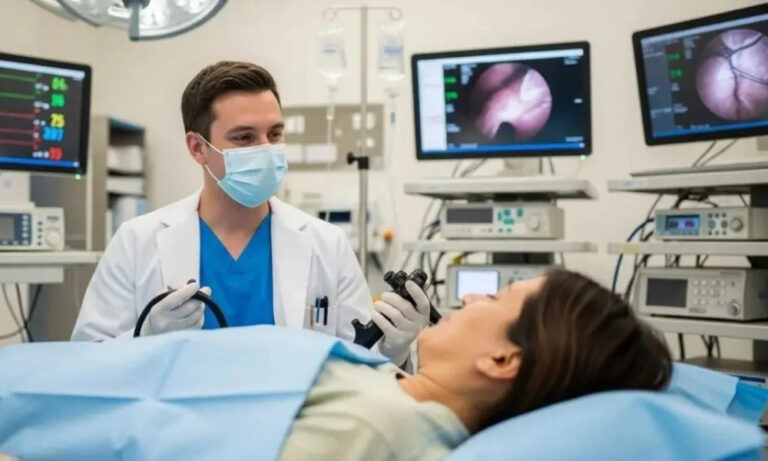
Endoscopy for related digestive conditions
Upper endoscopy checks for enlarged veins (varices) in patients with cirrhosis and evaluates related digestive symptoms.
Liver biopsy referrals for complex cases
A liver biopsy is arranged when blood tests and imaging cannot confirm the diagnosis or the stage of disease.
Care and Follow-Up
Your care plan depends on your diagnosis and the stage of disease, and it is coordinated with your primary care physician.
Viral Hepatitis Care
Testing, treatment planning and monitoring for hepatitis B and C to lower the risk of scarring and complications.
MASLD and MASH
Reducing metabolic risk through weight management, nutrition, physical activity and treatment of diabetes and cholesterol, with periodic fibrosis assessment. Prescription medicines are now approved for some adults with MASH and moderate to advanced fibrosis; whether one is appropriate depends on your stage and overall health.
Cirrhosis & Chronic Liver Disease
Monitoring liver function, preventing and managing complications such as fluid buildup and varices, and coordinating advanced care or transplant referral when needed.
Liver Cancer Surveillance
For people with cirrhosis and some people with chronic hepatitis B, ultrasound with or without an AFP blood test is generally recommended about every six months.
Elevated Liver Enzyme Evaluation
Follow-up of abnormal liver tests, with repeat testing and targeted evaluation to find and treat the cause.
Alcohol-Related Liver Disease Care
We provide diagnostic testing, counseling, and coordinated management for patients recovering from alcohol-related liver damage.
Why Choose United Gastroenterology Associates for Liver Care?
Patients choose United Gastroenterology Associates for liver care for these reasons.
Board-Certified Liver & GI Specialist
Dr. Khan is board-certified in gastroenterology, hepatology, and internal medicine.
Comprehensive Evaluation & Treatment
Evaluation, treatment planning and long-term follow-up are coordinated through one practice.
Insurance and Self-Pay
Insurance and self-pay options are available; call to confirm your plan.
Advanced Diagnostic Technology
FibroScan, lab testing, imaging, and endoscopy support an accurate diagnosis.
Compassionate, Personalized Care
Results and treatment options are explained clearly, with a plan tailored to you.
Two Convenient Offices
Offices on Northwest Freeway in Cypress and Katy Freeway in Katy, with one number for scheduling.
Trusted Liver Specialist Care in Cypress and Katy, TX
Patients can see United Gastroenterology Associates at either office. Our team provides accurate diagnosis and effective liver treatment in Katy and Cypress, using evidence-based approaches to manage conditions like fatty liver, hepatitis, and cirrhosis. We are committed to protecting your liver health, improving your quality of life, and delivering care you can rely on close to home.
United Gastroenterology Associates – Cypress Office
Cypress office – Northwest Freeway (US-290)
- Address: 21216 Northwest Freeway, Suite 640, Cypress, TX 77429
- Phone: (346) 340-4414
- Hours: Monday–Friday, 8:30 AM–5:00 PM (closed 12:00–1:30 PM for lunch; last appointment 4:30 PM)
United Gastroenterology Associates – Katy Office
Katy office – Katy Freeway (I-10) near the Grand Parkway
- Address: 23920 Katy Freeway, Suite 555, Katy, TX 77494
- Phone: (346) 340-4414
- Hours: Monday–Friday, 8:30 AM–5:00 PM (closed 12:00–1:30 PM for lunch; last appointment 4:30 PM)
Insurance and Self-Pay Options
Coverage for visits, testing and procedures depends on your plan, so please verify your benefits before your appointment. Self-pay options are available.
A carrier logo does not guarantee coverage for a specific plan or service. Call (346) 340-4414 to confirm your benefits.









What Patients Say About Dr. Khan
These Google reviews were posted by patients of United Gastroenterology Associates and are reproduced word for word.
“I had a great experience with Dr. Khan. He was very personable, took the time to listen, and explained everything in a way that was easy to understand. I came in feeling anxious about my MRI results, but he thoroughly reviewed my case and provided clear, reassuring guidance. His knowledge and calm approach really put me at ease.”
Rozay Bush · Cypress
“A convenient service; he listens carefully, prescribes the medication, and instills a sense of reassurance and confidence. A short visit with a lot of knowledge and feel helpful”
Eman Ali · Katy
“Dr. Khan is an amazing physician. He is so kind hearted & wants to help you in every way possible. He listens & doesn’t make you feel rushed. I feel so comfortable talking to him about anything. I am so glad to have him as my gastro doctor. His staff is outstanding as well. Shout out to Dr. Khan & his staff.”
Donna LaPlante · Cypress
How to Schedule a Liver Specialist Appointment
Scheduling with United Gastroenterology Associates takes three steps. Request an appointment online or by phone and choose the Cypress or Katy office.
Request an appointment
Call (346) 340-4414 or use the online request form and choose “Liver / Hepatology” as the reason for your visit.
Share your records
Bring recent lab results, imaging reports, a medication and supplement list, and any referral your plan requires. Please verify your insurance benefits or ask about self-pay options.
Meet Dr. Khan
Dr. Khan reviews your history and results, explains what they mean, and recommends next steps, which may include further testing.
Frequently Asked Questions: Liver Treatment
Your most common liver care questions answered by United Gastroenterology Associates.
What does high ALT or AST mean?
ALT and AST are liver enzymes. Higher levels suggest the liver is irritated or injured, often from fatty liver, alcohol, medications or hepatitis, but they do not show how much damage there is. Repeat testing and further evaluation identify the cause. Learn about ALT and AST.
Can fatty liver lead to fibrosis or cirrhosis?
Yes, in some people. Most people with fatty liver never develop serious liver disease, but ongoing fat and inflammation can cause scarring over years, especially with diabetes, obesity or alcohol use. Losing 7% to 10% of body weight, if you are overweight, can reduce liver fat and inflammation.
Should I see a liver specialist if I have no symptoms?
Often, yes. Many liver conditions cause no symptoms until they are advanced, so abnormal liver tests, fatty liver on imaging, hepatitis B or C, or risk factors such as diabetes or heavy alcohol use are reasons to be evaluated.
When should a primary care physician refer someone for liver evaluation?
Referral is often appropriate for liver enzymes that stay abnormal on repeat testing, fatty liver with signs of scarring or a higher FIB-4 score, hepatitis B or C, suspected cirrhosis, or an unexplained liver finding on imaging. Many patients can also schedule directly; check whether your plan requires a referral.
What is a FibroScan?
FibroScan is a painless, noninvasive ultrasound-based test that measures liver stiffness and fat in about 10 to 15 minutes. It helps stage liver scarring without a needle biopsy. Learn about FibroScan.
What is the difference between fibrosis and cirrhosis?
Fibrosis is scarring of the liver, graded from mild to advanced. Cirrhosis is the most advanced stage, in which scarring changes the liver’s structure. Earlier fibrosis can improve when the cause is treated; cirrhosis usually cannot be reversed, but treating the cause, preventing complications and regular monitoring help many people live well for years.
What does fatty liver on an ultrasound mean?
It means fat has built up in the liver. It is common and is often linked to weight, diabetes, cholesterol or alcohol. The next step is usually to check liver tests and estimate whether there is scarring. What to do after fatty liver on ultrasound.
Can abnormal liver tests return to normal?
Often, yes. Liver tests can improve when the cause is treated, for example after weight loss in fatty liver disease, stopping a medication or alcohol, or treating hepatitis. Your clinician will usually repeat the tests to confirm the trend.
Request a Liver Specialist Consultation
Choose the Katy or Cypress office to schedule a liver consultation with Dr. Khan. Call (346) 340-4414 or request an appointment online.
Stay informed
Get The Latest
Digestive Discomfort? When to Consult a Gastroenterologist
Consulting with a gastroenterologist can lead to more accurate detection of polyps and cancer, fewer complications from procedures, and shorter hospital stays. So, for individuals experiencing digestive issues or in need of screening, reaching out to a gastroenterologist for expert care is recommended. Read More
Understanding Your Digestive System, Symptoms and Causes
The digestive system is composed of many parts, including the G.I. tract, liver, pancreas, and gallbladder, so it’s no surprise that symptoms in these areas can vary widely. Some symptoms can be mild, indicating something as simple as eating questionable leftovers. Learn More
Sources
- Rinella ME, Neuschwander-Tetri BA, Siddiqui MS, et al. AASLD Practice Guidance on the clinical assessment and management of nonalcoholic fatty liver disease. Hepatology. 2023;77(5):1797–1835.
- Rinella ME, Lazarus JV, Ratziu V, et al. A multisociety Delphi consensus statement on new fatty liver disease nomenclature. Hepatology. 2023;78(6):1966–1986.
- National Institute of Diabetes and Digestive and Kidney Diseases. Liver Disease. niddk.nih.gov
- National Institute of Diabetes and Digestive and Kidney Diseases. Cirrhosis. niddk.nih.gov
- American Association for the Study of Liver Diseases. Practice Guidelines. aasld.org
This page provides general educational information and does not replace medical advice, diagnosis, or treatment. Symptoms should be evaluated by a qualified medical professional. For a medical emergency, call 911. Last updated October 20, 2026; physician review pending.