What do nausea and loss of appetite usually mean?
Nausea and loss of appetite usually mean that something is irritating the digestive tract, slowing how fast the stomach empties, or affecting the brain signals that control hunger. Common causes include viral gastroenteritis, food poisoning, acid reflux, gastritis, constipation, medicines and stress. Less often, they point to gallbladder, liver or pancreas disease, a slow-emptying stomach (gastroparesis), hormone problems or, rarely, cancer.
Hunger and nausea are controlled by the same network of nerves and hormones linking the gut to the brain. When the stomach lining is inflamed, when food sits in the stomach too long, or when the body is fighting an infection, that network turns down appetite and turns up queasiness. That is why people so often describe it as “I can’t eat without feeling sick.”
The most useful question is not just what you feel, but for how long and with what else. A day or two of nausea and no appetite after a sick child came home from school is very different from three weeks of early fullness and a few pounds of unexplained weight loss.
Reading the pattern of nausea and no appetite
- Sudden, lasts a few daysOften a stomach virus, food poisoning or a new medicine. Usually improves with rest and fluids.
- Tied to mealsPoints toward reflux, gastritis, an ulcer, gallbladder trouble or a stomach that empties slowly.
- Weeks, with weight lossNeeds a medical evaluation to look for liver, pancreas, hormone or other underlying conditions.
Why can’t I eat without feeling sick?
You may feel sick every time you eat because food triggers stretching, acid release and muscle contractions in a stomach that is already irritated or slow. Gastritis, acid reflux, peptic ulcers, functional dyspepsia and gastroparesis all make normal meals feel heavy and nauseating. Some medicines, including GLP-1 weight-loss and diabetes drugs, also slow stomach emptying and can cause nausea after eating.
Clues help separate these causes. Burning in the upper stomach suggests gastritis or an ulcer. A sour taste or burning in the chest suggests reflux. Feeling full after a few bites, bloating and vomiting food eaten hours earlier suggest slow stomach emptying. Pain under the right ribs after fatty meals suggests the gallbladder. Our guide to stomach pain after eating covers these meal-related patterns in more detail.
What are the most common causes of loss of appetite and nausea?
The most common causes of loss of appetite and nausea are viral gastroenteritis, food poisoning, acid reflux and gastritis, H. pylori infection, constipation, medicine side effects, anxiety or depression, and pregnancy. Gallbladder disease, pancreatitis, liver inflammation, gastroparesis, thyroid or kidney problems and uncontrolled diabetes are less common but important causes that need medical care.
Infections and food poisoning
Stomach viruses and contaminated food are the most frequent short-term cause. Nausea, vomiting, diarrhea and loss of appetite usually start suddenly and improve within a few days. The main risk is dehydration, especially in young children, older adults and people with chronic illnesses.
Acid reflux, gastritis and ulcers
Irritation of the esophagus or stomach lining makes eating uncomfortable. GERD often adds heartburn or a sour taste, while gastritis and peptic ulcers cause gnawing or burning upper abdominal pain. H. pylori, a common stomach bacterium, is behind many cases and is easy to test for.
Medicines
Many medicines cause nausea and reduce appetite, including antibiotics, metformin, iron supplements, opioid pain relievers, some antidepressants, chemotherapy and GLP-1 medicines such as semaglutide and tirzepatide. Anti-inflammatory pain relievers like ibuprofen can irritate the stomach lining. If symptoms began after a new medicine or a dose increase, tell the prescribing doctor rather than stopping it on your own.
Slow stomach emptying (gastroparesis)
In gastroparesis, the stomach muscles move food out too slowly. People feel full after a few bites, become nauseated after meals, bloat and sometimes vomit undigested food. Long-standing diabetes, certain medicines and prior surgery are common causes.
Gallbladder, pancreas and liver problems
Gallstones can cause nausea with pain under the right ribs, often after fatty meals. Pancreatitis causes severe upper abdominal pain that may spread to the back, with nausea and vomiting. Hepatitis and other liver conditions can cause nausea, fatigue, poor appetite and sometimes yellowing of the skin or eyes. Learn more about pancreatitis symptoms.
Constipation
A backed-up colon is an often-overlooked cause of nausea, bloating and poor appetite, especially in older adults and in people taking opioid or iron medicines.
Stress, anxiety and depression
The gut and the brain are closely connected. Anxiety can cause a queasy stomach and appetite loss, and depression often reduces interest in food. These symptoms are real and treatable, but it is still worth ruling out physical causes when they persist.
Other medical causes
Pregnancy, thyroid disease, kidney disease, Addison’s disease, migraine, heavy cannabis use (cannabinoid hyperemesis syndrome) and, uncommonly, cancers of the digestive tract can also cause ongoing nausea and loss of appetite.
| Possible cause | Common clues | Typical next step |
|---|---|---|
| Stomach virus or food poisoning | Sudden start, diarrhea or vomiting, others sick too | Fluids and rest; seek care if dehydrated |
| Reflux, gastritis or ulcer | Burning, sour taste, upper stomach pain | H. pylori test, acid-reducing treatment, sometimes EGD |
| Medicine side effect | Started after a new drug or higher dose | Talk to the prescribing doctor |
| Gastroparesis | Early fullness, vomiting undigested food, diabetes | Endoscopy and gastric emptying study |
| Gallbladder or pancreas | Pain under right ribs or into the back | Blood tests and abdominal imaging |
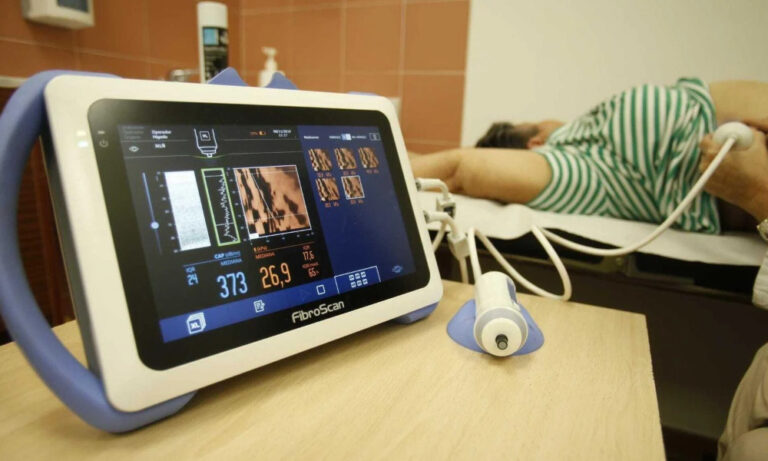
| Liver condition | Fatigue, dark urine, yellow eyes | Liver blood tests, imaging, FibroScan |
Have symptoms like these?
Dr. Muhammad Ali Khan, a board-certified gastroenterologist and hepatologist, sees adults at our Katy and Cypress offices, serving patients across Greater Houston.
When should I worry about nausea and no appetite?
Worry, and get medical care promptly, if nausea and no appetite last longer than one to two weeks, if you are losing weight without trying, or if you cannot keep fluids down for more than a day. Go to an emergency room for vomiting blood, black stools, severe abdominal or chest pain, signs of dehydration, confusion, a stiff neck with a severe headache, or yellowing of the skin or eyes.
Red-flag symptoms that need urgent care
- Vomiting blood or material that looks like coffee grounds
- Black, tarry or bloody stools
- Severe or worsening abdominal pain, or chest pain
- Unable to keep any fluids down for more than 24 hours, very little urine, dizziness or fainting
- High fever, stiff neck, severe headache or confusion
- Diabetes with vomiting, deep rapid breathing or fruity-smelling breath
- Yellowing of the skin or eyes
Even without red flags, schedule a visit if the symptoms keep coming back, if you need to change how you eat to avoid them, or if you are over 60 and the problem is new. Our page on nausea and vomiting care explains when a gastroenterologist is the right next step.
How does a gastroenterologist find the cause?
A gastroenterologist starts with a detailed history and exam, a review of every medicine, and basic blood tests such as a blood count, metabolic and liver panels, and lipase. Depending on the clues, next steps can include an H. pylori test, a pregnancy test, thyroid testing, an abdominal ultrasound or CT scan, an upper endoscopy (EGD) to look at the stomach lining, and a gastric emptying study for suspected gastroparesis.
Your evaluation, step by step
- Before your visitWrite down when the nausea started, how often it happens, what you can eat and any weight change. Bring a full medicine list.
- At the visitDr. Khan reviews your history and medicines, examines your abdomen and checks for warning signs.
- TestingBlood work, an H. pylori test, imaging, or an upper endoscopy are chosen based on your symptoms.
- Your planTreatment targets the cause, with follow-up to make sure your appetite and weight recover.
An upper endoscopy is a short procedure done with sedation. It lets the doctor see inflammation, ulcers or blockages and take small biopsies when needed.
How is nausea with loss of appetite treated?
Treatment depends on the cause. Infections usually need fluids and time. Reflux and gastritis are treated with acid-reducing medicine and trigger changes, H. pylori with a combination of antibiotics and acid suppression, and gastroparesis with diet changes and medicines that help the stomach empty. Medicine-related nausea may improve with a dose change. Prescription anti-nausea medicine can help while the underlying problem is treated.
Restoring nutrition is part of the plan. When appetite has been low for a while, Dr. Khan may suggest smaller, more frequent meals, liquid nutrition or a referral to a dietitian so that weight and energy recover while the cause is addressed.
Get answers instead of guessing
Request a visit with Dr. Muhammad Ali Khan at our Katy and Cypress offices. Call the office to check your insurance coverage; self-pay options are available.
What can I do at home when I have no appetite and feel nauseous?
At home, sip fluids often, eat small amounts of bland, low-fat food every two to three hours, and choose cool or room-temperature foods with mild smells. Sit upright for at least 30 minutes after eating, avoid alcohol and greasy or spicy meals, and note what makes symptoms better or worse. Ginger tea or candies help some people. If you cannot keep fluids down or symptoms last more than a week or two, see a doctor.
- Sip water, oral rehydration drinks or clear broth through the day
- Try crackers, toast, rice, bananas, applesauce or plain yogurt in small portions
- Eat slowly and stop before you feel full
- Avoid strong cooking smells, fatty and fried foods, and alcohol
- Keep a short diary of meals, symptoms and medicines
Tip: Bring your diary to the appointment
A one- to two-week log of what you ate, when nausea started and any weight change turns “I just don’t feel like eating” into a clear pattern, which often shortens the path to the right diagnosis.
Key takeaways
- Nausea and loss of appetite usually come from something irritating or slowing the digestive tract, and most short episodes resolve in days.
- If you can’t eat without feeling sick, reflux, gastritis, ulcers, slow stomach emptying and medicines are common reasons.
- Symptoms lasting more than one to two weeks, weight loss or trouble keeping fluids down need a medical evaluation.
- Vomiting blood, black stools, severe pain, confusion or signs of dehydration need emergency care.
- A gastroenterologist can use blood tests, H. pylori testing, imaging and endoscopy to find and treat the cause.
Frequently asked questions
Why do I have no appetite and feel nauseous all the time?
Constant nausea with no appetite can come from ongoing reflux or gastritis, H. pylori infection, slow stomach emptying, a medicine side effect, constipation, anxiety or depression, or problems with the liver, pancreas, thyroid or kidneys. If it lasts more than a week or two, see a doctor for testing.
Can anxiety cause nausea and loss of appetite?
Yes. Anxiety and stress affect the gut-brain connection and commonly cause a queasy stomach and reduced appetite. Because physical conditions can cause the same symptoms, persistent symptoms should still be evaluated before assuming stress is the only cause.
Is nausea and loss of appetite a sign of pregnancy?
It can be. Nausea and food aversions are common in early pregnancy. A home or office pregnancy test can confirm it. Severe vomiting in pregnancy that prevents keeping fluids down needs prompt medical care.
How long is too long to have no appetite?
A few days of poor appetite during an illness is common. Loss of appetite that lasts more than one to two weeks, or any unexplained weight loss, should be checked by a doctor.
What should I eat when I feel sick and have no appetite?
Small portions of bland, low-fat foods such as crackers, toast, rice, bananas, applesauce, broth and plain yogurt are usually easiest. Focus on fluids first, and eat every few hours rather than three large meals.
Do I need a referral to see a gastroenterologist in Katy or Cypress?
It depends on your insurance plan. Many PPO plans allow you to book directly, while some HMO plans require a referral. Call (346) 340-4414 and the team can help you check.
Sources
- MedlinePlus — Nausea and vomiting
- MedlinePlus — Appetite, decreased
- NIDDK — Gastroparesis
- NIDDK — Gastritis and gastropathy
- NIDDK — Viral gastroenteritis
- MedlinePlus — Helicobacter pylori infections
Where to be seen in Katy and Cypress
United Gastroenterology Associates has two offices: Katy, at 23920 Katy Freeway, Suite 555, next to Memorial Hermann Katy Hospital, and Cypress, at 21216 Northwest Freeway, Suite 640, on US-290. Both are open Monday through Friday, 8:30 AM to 5:00 PM, closed for lunch from 12:00 to 1:30 PM, and serve patients from Fulshear, Richmond and across Greater Houston. Call (346) 340-4414 for either office.
Katy office
23920 Katy Freeway, Suite 555
Katy, TX 77494
Memorial Hermann Medical Plaza 1
Next steps
If you are dealing with nausea and loss of appetite or any ongoing digestive concern, a focused evaluation can find the cause and start the right treatment. Dr. Muhammad Ali Khan and the team at United Gastroenterology Associates see adults from Katy, Cypress, Fulshear, Richmond, Greater Houston and across Texas. Call (346) 340-4414 or request an appointment today.
If you have severe pain, vomit blood, pass black stools or have chest pain, call 911 or go to the nearest emergency room.