What are the symptoms of stomach inflammation?
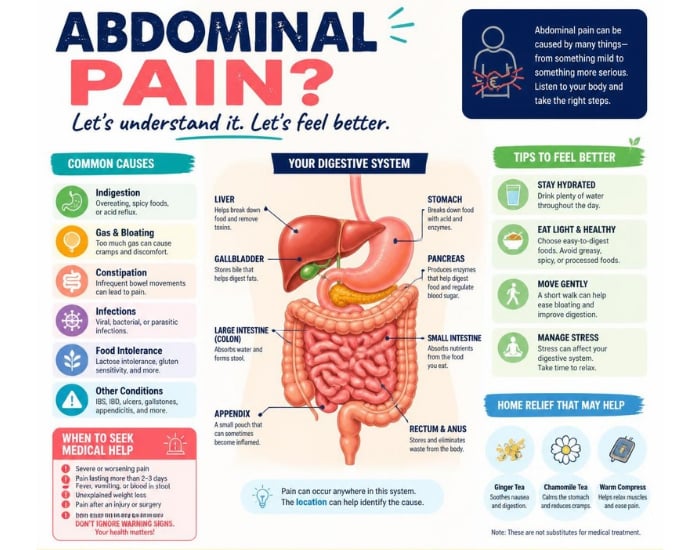
The most common stomach inflammation symptoms are a burning or gnawing pain in the upper abdomen, nausea, feeling full quickly, bloating, belching, indigestion and loss of appetite. Pain may get better or worse after eating. Some people have no symptoms at all. Severe gastritis can cause vomiting, black stools or vomiting blood, which need urgent care.
Stomach inflammation symptoms at a glance
- PainBurning or gnawing in the upper middle abdomen.
- DigestionNausea, bloating, belching and early fullness.
- Warning signsBlack stools, vomiting blood, weight loss, anemia.
What causes stomach inflammation?
The leading causes are H. pylori infection and regular use of NSAID pain relievers such as ibuprofen, naproxen and aspirin. Other causes include heavy alcohol use, smoking, severe physical stress from major illness or surgery, bile reflux, autoimmune gastritis, and less commonly Crohn's disease or other infections.
| Cause | How it inflames the stomach | Main treatment |
|---|---|---|
| H. pylori | Bacteria damage the lining | Antibiotics plus acid reducer |
| NSAIDs and aspirin | Reduce protective mucus | Stop or switch medication, PPI |
| Alcohol | Irritates and erodes lining | Stop or reduce alcohol |
| Autoimmune gastritis | Immune attack on stomach cells | B12 replacement, monitoring |
| Bile reflux | Bile washes back into the stomach | Medication, sometimes surgery |
| Severe illness or stress | Reduced blood flow to the lining | Acid suppression in hospital |
How do stomach inflammation symptoms differ from an ulcer?
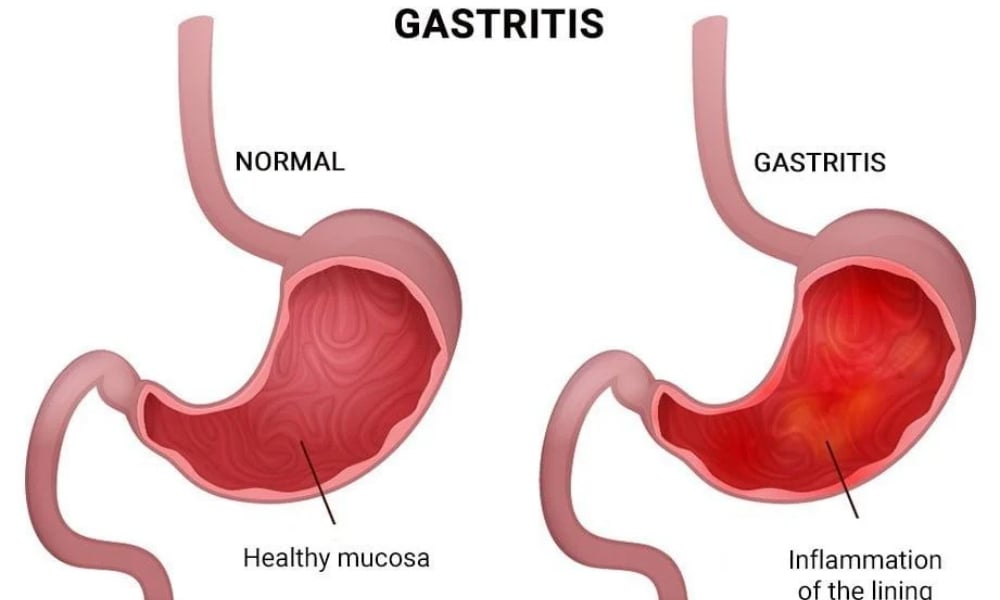
Gastritis is inflammation of the lining, while a peptic ulcer is an open sore that goes deeper. They share causes and symptoms, and gastritis can lead to ulcers. Ulcer pain is often more focused and may wake you at night or improve briefly with food. Only an upper endoscopy can reliably tell them apart. Read about peptic ulcer symptoms.
Get urgent care if you have
- Black, tarry stools
- Vomiting blood or coffee-ground material
- Severe, sudden stomach pain
- Dizziness or fainting
- Pain with unexplained weight loss
Have symptoms like these?
Dr. Muhammad Ali Khan, a board-certified gastroenterologist and hepatologist, sees adults at our Katy and Cypress offices, serving patients across Greater Houston.
How is stomach inflammation diagnosed?
Diagnosis often starts with a breath or stool test for H. pylori and blood tests for anemia. An upper endoscopy (EGD) lets the gastroenterologist see the stomach lining directly and take biopsies to confirm gastritis, identify the cause, and rule out ulcers or other problems. Endoscopy is recommended for warning signs, symptoms that do not respond to treatment, or new symptoms after age 60. Learn about upper endoscopy.
How is stomach inflammation treated?
Treatment targets the cause and lets the lining heal. H. pylori is treated with a 10- to 14-day combination of antibiotics and an acid reducer, followed by a test to confirm it is gone. NSAID-related gastritis improves when the drug is stopped or protected with a PPI. Acid-reducing medicine, limiting alcohol, stopping smoking and avoiding trigger foods help symptoms settle. Most cases improve within weeks.
Tip: If you need pain relief, ask whether acetaminophen is safe for you. It does not damage the stomach lining the way ibuprofen and naproxen can.
When should you see a gastroenterologist?
See a gastroenterologist if stomach inflammation symptoms last more than two weeks, return after treatment, or come with anemia, weight loss, vomiting or black stools. Dr. Muhammad Ali Khan diagnoses and treats gastritis for patients from Katy, Cypress, Fulshear, Richmond and Greater Houston. Learn more on our stomach inflammation and gastritis treatment page and in our guide to H. pylori testing and treatment.
Get answers instead of guessing
Request a visit with Dr. Muhammad Ali Khan at our Katy and Cypress offices. Most major insurance plans are accepted and self-pay options are available.
Key takeaways
- Common stomach inflammation symptoms are upper abdominal burning, nausea, bloating and early fullness.
- H. pylori and NSAID pain relievers are the leading causes.
- Upper endoscopy with biopsy confirms the diagnosis.
- Treating the cause usually heals the stomach lining within weeks.
- Black stools or vomiting blood need urgent care.
Frequently asked questions
How long does stomach inflammation last?
Acute gastritis often improves in a few days to weeks once the trigger is removed. Chronic gastritis from H. pylori lasts until the infection is treated.
What foods help stomach inflammation?
Smaller meals of lean protein, cooked vegetables, oatmeal, rice and bananas are usually well tolerated. Limit alcohol, coffee, spicy and fatty foods while healing.
Can stress cause stomach inflammation?
Everyday stress can worsen symptoms, but true stress gastritis usually occurs with severe illness, major surgery or burns.
Can stomach inflammation turn into cancer?
Long-term untreated H. pylori and autoimmune gastritis slightly raise stomach cancer risk, which is why testing and treatment matter.
Is gastritis contagious?
Gastritis itself is not, but H. pylori can spread between people, often within families.
Do I need a referral to see a gastroenterologist in Katy or Cypress?
It depends on your insurance plan. Many PPO plans let you book a specialist directly, while some HMO plans require a referral from your primary care doctor. Call (346) 340-4414 and the team can help you check.
Sources
- NIDDK — Gastritis and gastropathy
- MedlinePlus — H. pylori infections
- NIDDK — Peptic ulcers
- MedlinePlus — Indigestion
- American College of Gastroenterology — Dyspepsia
Where to be seen in Katy and Cypress
United Gastroenterology Associates has two offices: Katy, at 23920 Katy Freeway, Suite 555, next to Memorial Hermann Katy Hospital, and Cypress, at 21216 Northwest Freeway, Suite 640, on US-290. Both are open Monday through Friday, 8:30 AM to 5:00 PM, closed for lunch from 12:00 to 1:30 PM, and serve patients from Fulshear, Richmond and across Greater Houston. Call (346) 340-4414 for either office.
Katy office
23920 Katy Freeway, Suite 555
Katy, TX 77494
Memorial Hermann Medical Plaza 1
Next steps
If you are dealing with stomach inflammation symptoms or any ongoing digestive concern, a focused evaluation can find the cause and start the right treatment. Dr. Muhammad Ali Khan and the team at United Gastroenterology Associates see adults from Katy, Cypress, Fulshear, Richmond, Greater Houston and across Texas. Call (346) 340-4414 or request an appointment today.
If you have severe pain, vomit blood, pass black stools or have chest pain, call 911 or go to the nearest emergency room.