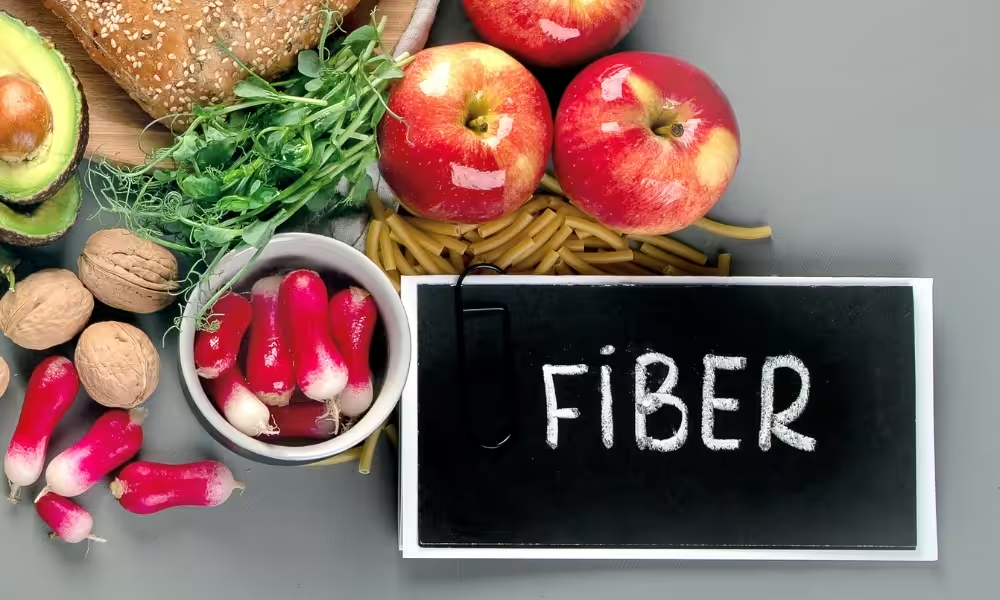
Make Sure You’re Staying Hydrated
Fiber works best when it has enough water to absorb, softening stools and supporting regularity. Without adequate hydration, fiber can actually make constipation worse, leading to bulkier stools that are harder to pass. Drinking enough water throughout the day can make a big difference in keeping digestion moving smoothly.
Check the Type of Fiber You’re Eating
Not all fiber is the same. Soluble fiber (found in foods like oats, beans, and fruits) helps add bulk to stools, while insoluble fiber (found in whole grains and vegetables) promotes movement through the digestive tract. Achieving a balance of both types is key—too much insoluble fiber without enough soluble fiber can sometimes worsen constipation. Our team can help guide you on how to incorporate a healthy mix of both into your diet. If you're unsure which foods to include, our specialists can also recommend specific foods that relieve constipation, helping you make dietary choices that support smoother digestion and long-term relief.
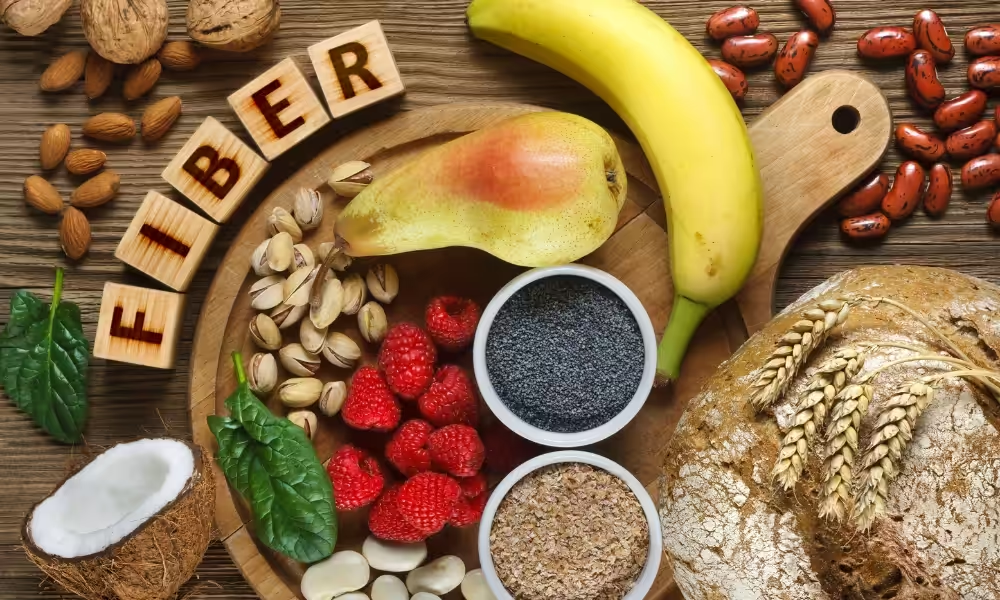
Get Moving for Better Digestion
Physical activity plays an important role in stimulating the muscles in your digestive tract, encouraging food and waste to move through efficiently. If your lifestyle is mostly sedentary, digestion can slow down, making constipation more likely. Regular exercise, even simple activities like walking, can make a noticeable difference in your digestive health.
Don’t Stress
Dealing with constipation, especially when you’re putting effort into a high-fiber diet, can be frustrating. However, stress and anxiety can exacerbate symptoms, so try to stay calm. Knowing that our team at United Gastroenterology Associates is here to help can bring peace of mind as you work through this.
Check Your Medications
Certain medications, such as pain relievers, iron supplements, and antacids, can have constipation as a side effect. If you’re concerned that one of your medications may be affecting your digestion, consult with your doctor or one of our specialists. We can explore alternative options that might reduce this side effect.
Rule Out Digestive Health Conditions
Sometimes, constipation can be a sign of underlying health conditions, like irritable bowel syndrome (IBS) or hypothyroidism. Our specialists at United Gastroenterology Associates are trained to identify and manage these conditions to bring you relief. If constipation persists despite dietary adjustments, we may recommend a comprehensive evaluation to check for any underlying issues. Many patients also wonder about IBS vs constipation differences, since irritable bowel syndrome often includes additional symptoms like bloating, abdominal discomfort, and changes in stool patterns. Our team can help determine whether your symptoms are related to IBS or functional constipation and recommend the appropriate treatment plan.
Practice Healthy Eating Habits
Eating habits can significantly impact digestion. Skipping meals, eating large portions infrequently, or not chewing food thoroughly can slow down your digestive process and lead to constipation. Try to eat smaller, more frequent meals and take the time to chew thoroughly to promote better digestion.
When to Seek Medical Attention
If constipation continues despite your efforts, it may be time to seek professional care. At United Gastroenterology Associates, we can conduct a thorough evaluation to understand the root cause of your constipation. We may recommend further tests, such as a colonoscopy, to rule out any serious conditions and ensure that you receive appropriate treatment. If you experience severe discomfort, unexplained weight loss, blood in your stool, or other abdominal pain warning signs, it’s important to seek medical care promptly to rule out more serious digestive conditions.
Effective Treatment and Prevention Tips
Based on your diagnosis, we’ll create a tailored treatment plan to relieve constipation and help prevent it from returning. Options may include:
- Dietary Adjustments: Incorporating a balanced mix of soluble and insoluble fiber along with staying hydrated can support optimal digestive health.
- Fiber Supplements: Sometimes, a specific fiber supplement may help regulate digestion more effectively.
- Prescription Medications: If necessary, we can prescribe medications to manage constipation.
- Lifestyle Modifications: Regular physical activity, consistent meal timing, and relaxation practices are key to supporting digestive health.
Take Control of Your Digestive Health
Constipation doesn’t need to disrupt your quality of life. If you’re struggling with persistent constipation, contact United Gastroenterology Associates, PLLC to schedule a consultation with an experienced gastroenterologist in Cypress or at our Katy location. Whether you need a trusted GI doctor in Katy TX or care in Cypress, our compassionate team is here to provide personalized digestive solutions.
Medical Disclaimer: This blog is for informational purposes only and does not constitute medical advice, diagnosis, or treatment. Always consult a qualified healthcare provider regarding any medical concerns or persistent digestive symptoms.
Have symptoms like these?
Dr. Muhammad Ali Khan, a board-certified gastroenterologist and hepatologist, sees adults at our Katy and Cypress offices, serving patients across Greater Houston.
Where to be seen in Katy and Cypress
United Gastroenterology Associates has two offices: Katy, at 23920 Katy Freeway, Suite 555, next to Memorial Hermann Katy Hospital, and Cypress, at 21216 Northwest Freeway, Suite 640, on US-290. Both are open Monday through Friday, 8:30 AM to 5:00 PM, closed for lunch from 12:00 to 1:30 PM, and serve patients from Fulshear, Richmond and across Greater Houston. Call (346) 340-4414 for either office.
Katy office
23920 Katy Freeway, Suite 555
Katy, TX 77494
Memorial Hermann Medical Plaza 1
Next steps
If you are dealing with constipated on a high fiber diet or any ongoing digestive concern, a focused evaluation can find the cause and start the right treatment. Dr. Muhammad Ali Khan and the team at United Gastroenterology Associates see adults from Katy, Cypress, Fulshear, Richmond, Greater Houston and across Texas. Call (346) 340-4414 or request an appointment today.
If you have severe pain, vomit blood, pass black stools or have chest pain, call 911 or go to the nearest emergency room.