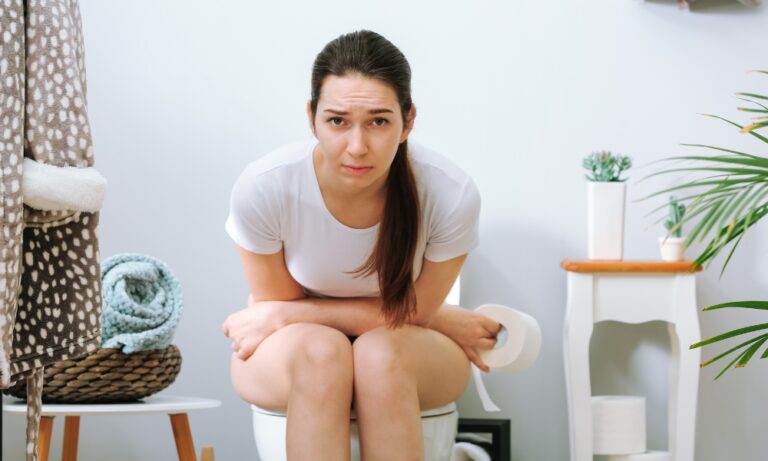
What are the best natural remedies for constipation?
The best natural remedies for constipation are drinking enough water, slowly increasing fiber to about 25 to 35 grams a day, eating prunes or two kiwifruit daily, staying physically active, trying to go at the same time each day after a meal, never ignoring the urge, and raising your knees with a footstool on the toilet. Fiber supplements such as psyllium help when diet alone is not enough. Most people notice improvement within a few days to two weeks.
Constipation usually means fewer than three bowel movements a week, hard or lumpy stools, straining, or a feeling that you have not fully emptied. It often comes from a low-fiber diet, not enough fluid, inactivity, travel, changes in routine, pregnancy or medicines such as opioids, iron and some antacids. Natural remedies work by softening stool, adding bulk and encouraging the colon’s normal rhythm.
How natural constipation remedies work
- SoftenWater, prunes, kiwifruit and soluble fiber keep stool soft and easier to pass.
- MoveWalking, a morning routine and a warm drink stimulate the colon’s natural contractions.
- ReleaseA footstool, unhurried time and responding to the urge help the bowel empty fully.
10 natural remedies for constipation
These 10 natural remedies for constipation are safe for most adults and work best together: drink more water, add fiber gradually, eat prunes or kiwifruit, walk daily, use the morning reflex, never delay the urge, use a footstool, consider a psyllium supplement, try gentle abdominal massage, and manage stress, sleep and medicines.
1. Drink more water
When you are low on fluid, the colon pulls more water out of stool, making it hard and dry. Aim to drink water steadily through the day, and more in Texas heat or when you exercise. A warm drink first thing in the morning helps some people get things moving.
2. Add fiber slowly
Most adults need about 25 to 35 grams of fiber a day. Add about 5 grams a day each week, from fruit, vegetables, beans, oats and whole grains, to avoid gas and bloating. See our list of the best foods to relieve constipation fast, including chia seeds.
3. Eat prunes or kiwifruit
Prunes contain fiber and sorbitol, a natural sugar alcohol that draws water into the bowel. Studies also show that about two green kiwifruit a day improves stool frequency and softness for many adults.
4. Move your body every day
Physical activity stimulates the muscles of the intestine. A 10- to 15-minute walk after meals, or any regular exercise you enjoy, can make bowel movements more regular.
5. Use your morning reflex
The colon is most active after waking and after eating, a response called the gastrocolic reflex. Give yourself 10 relaxed minutes on the toilet after breakfast each day, even if you do not feel a strong urge at first.
6. Never ignore the urge
Holding a bowel movement lets stool dry out and over time can dull the signals that tell you it is time to go. When you feel the urge, go as soon as you can.
7. Use a footstool
Raising your knees above your hips with a small stool straightens the angle of the rectum and makes it easier to pass stool with less straining. Lean forward slightly and relax your belly.
8. Consider a fiber supplement
Bulk-forming supplements such as psyllium can fill the gap when diet alone is not enough. Start with a small dose, take it with a full glass of water and follow the label.
9. Try gentle abdominal massage
Massaging the belly in slow clockwise circles, following the path of the colon, helps some people feel more comfortable and may encourage movement. It is gentle and safe for most adults.
10. Manage stress, sleep and medicines
Stress, poor sleep and changes in routine can slow the bowel. Some medicines, including opioid pain relievers, iron, calcium and certain antacids, commonly cause constipation. If constipation started after a new medicine, ask your doctor about alternatives rather than stopping it on your own.
| Remedy | Typical time to help | Best for |
|---|---|---|
| Warm drink, walk, morning routine | Same day for some people | Mild, occasional constipation |
| Prunes or prune juice | Hours to a day | Hard stools needing faster relief |
| More water and fiber | One to three days | Ongoing, diet-related constipation |
| Kiwifruit or psyllium daily | Several days to two weeks | Long-term regularity |
| Footstool and unhurried time | Right away | Straining or incomplete emptying |
What makes you poop instantly?
No natural remedy is truly instant, but the quickest natural steps are a warm drink or coffee in the morning, a short walk, and sitting with your knees raised on a footstool after a meal. Prune juice often works within hours. If you need faster relief, over-the-counter glycerin suppositories usually work within an hour, but use them only occasionally and as directed on the label.
If you often need something to make you go, that is a sign to look at the underlying cause with a doctor rather than relying on quick fixes.
Have symptoms like these?
Dr. Muhammad Ali Khan, a board-certified gastroenterologist and hepatologist, sees adults at our Katy and Cypress offices, serving patients across Greater Houston.
Do probiotics help with constipation?
Probiotics may help some people with constipation, but results are mixed and vary by strain. Fermented foods such as yogurt and kefir are a reasonable addition to a fiber-rich diet. If you try a probiotic supplement, give it about four weeks and stop if it does not help. Fiber, fluid and activity remain the most reliable natural remedies for constipation.
When are over-the-counter laxatives OK?
Over-the-counter laxatives are reasonable for short-term relief when natural remedies are not enough. Osmotic laxatives draw water into the bowel, stool softeners make stool easier to pass, and stimulant laxatives make the bowel contract. Follow the label, which generally advises against using laxatives for more than a week without a doctor’s advice. If you need them regularly, see a doctor to find the cause.
Ask a doctor before using laxatives if you are pregnant, have kidney or heart disease, or have abdominal pain, nausea or vomiting.
Tip: Track your bowel habits for two weeks
Note how often you go, what your stool looks like, what you ate and drank, and any medicines. This simple log shows which remedies are working and gives your doctor useful information if you need a visit.
When should I see a doctor for constipation?
See a doctor if constipation lasts more than three weeks despite natural remedies, keeps coming back, needs laxatives regularly, or is a new change in your bowel habits. Get prompt care for blood in the stool, black stools, unexplained weight loss, severe abdominal pain, vomiting, a swollen belly, or not passing gas. Adults 45 and older should also make sure they are up to date on colorectal cancer screening.
Red flags with constipation
- Blood in or on the stool, or black stools
- Unexplained weight loss or iron-deficiency anemia
- Severe abdominal pain, vomiting or a hard, swollen belly
- No bowel movement and no passing gas
- A lasting change in bowel habits after age 45, or a family history of colon cancer
Get answers instead of guessing
Request a visit with Dr. Muhammad Ali Khan at our Katy and Cypress offices. Most major insurance plans are accepted and self-pay options are available.
How does a gastroenterologist treat stubborn constipation?
A gastroenterologist looks for the cause with a detailed history, a medicine review, an exam and blood tests such as thyroid and calcium levels. A colonoscopy is recommended when there are warning signs or screening is due. Anorectal manometry can show whether the pelvic floor muscles are coordinating properly. Treatment may include tailored diet and fiber plans, prescription medicines, pelvic floor therapy with biofeedback, or treatment of conditions such as IBS.
Your evaluation, step by step
- History and medicinesDr. Khan reviews your bowel log, diet, activity and every medicine and supplement.
- Exam and labsA physical exam and blood tests check for thyroid, calcium and other causes.
- Testing when neededColonoscopy for warning signs or screening; anorectal manometry for straining or incomplete emptying.
- Your planDiet, medicine or pelvic floor therapy matched to the cause.
Learn how IBS differs from regular constipation and about colonoscopy in Katy and Cypress.
Key takeaways
- The most effective natural remedies for constipation are water, fiber added slowly, prunes or kiwifruit, daily movement and a regular routine.
- A footstool and unhurried time on the toilet reduce straining right away.
- Prune juice often works within hours; most diet changes take one to three days.
- Over-the-counter laxatives are for short-term use; follow the label and see a doctor if you need them often.
- Constipation lasting more than three weeks, or with bleeding, weight loss or severe pain, needs a medical evaluation.
Frequently asked questions
How can I relieve constipation fast at home?
Drink a warm beverage and water, take a short walk, eat prunes or drink prune juice, and sit on the toilet after a meal with your feet on a footstool. If these do not help, an over-the-counter laxative used as directed can provide short-term relief.
Is coffee a natural remedy for constipation?
Coffee stimulates the colon in many people and can trigger a bowel movement within minutes to an hour, especially in the morning. Drink water as well, since coffee alone will not keep stool soft.
How long is too long without a bowel movement?
Fewer than three bowel movements a week is generally considered constipation. If you have not had a bowel movement in several days and have pain, bloating, vomiting or cannot pass gas, seek medical care promptly.
Can dehydration cause constipation?
Yes. When you do not drink enough, the colon absorbs more water from stool, making it hard and difficult to pass. Hot weather, exercise and illness increase fluid needs.
Is it safe to use natural remedies for constipation during pregnancy?
Fluids, fiber-rich foods, walking and a footstool are generally safe in pregnancy. Ask your obstetrician before taking any supplement or laxative.
When should I see a gastroenterologist for constipation in Katy or Cypress?
See a gastroenterologist if constipation lasts more than three weeks, keeps returning, needs regular laxatives, or comes with bleeding, weight loss or severe pain. Call (346) 340-4414 to schedule at either office.
Sources
- NIDDK — Constipation
- NIDDK — Treatment for constipation
- NIDDK — Eating, diet and nutrition for constipation
- MedlinePlus — Constipation
- American College of Gastroenterology — Constipation
Where to be seen in Katy and Cypress
United Gastroenterology Associates has two offices: Katy, at 23920 Katy Freeway, Suite 555, next to Memorial Hermann Katy Hospital, and Cypress, at 21216 Northwest Freeway, Suite 640, on US-290. Both are open Monday through Friday, 8:30 AM to 5:00 PM, closed for lunch from 12:00 to 1:30 PM, and serve patients from Fulshear, Richmond and across Greater Houston. Call (346) 340-4414 for either office.
Katy office
23920 Katy Freeway, Suite 555
Katy, TX 77494
Memorial Hermann Medical Plaza 1
Next steps
If you are dealing with natural remedies for constipation or any ongoing digestive concern, a focused evaluation can find the cause and start the right treatment. Dr. Muhammad Ali Khan and the team at United Gastroenterology Associates see adults from Katy, Cypress, Fulshear, Richmond, Greater Houston and across Texas. Call (346) 340-4414 or request an appointment today.
If you have severe pain, vomit blood, pass black stools or have chest pain, call 911 or go to the nearest emergency room.