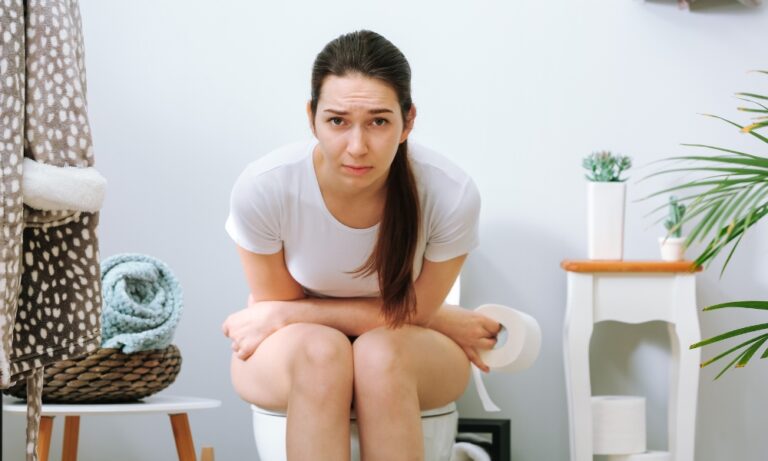
If you are in Houston and wondering whether your constipation is something to worry about, this guide will help you recognize warning signs and know when to seek expert medical care.
What Is Constipation?
Constipation refers to infrequent or difficult bowel movements, often accompanied by discomfort. People with constipation may experience straining during bowel movements, hard or lumpy stools, a sensation of incomplete evacuation, or even blockage in the rectum. Some may need to use manual maneuvers to pass stool, while others feel bloated or gassy as a result of slow-moving stool in the intestines.
Although occasional constipation can often be managed at home, chronic constipation is a red flag. It can interfere with daily life, affect nutrition, and in some cases, indicate serious digestive conditions, including bowel obstruction, irritable bowel syndrome (IBS), or even colorectal cancer. Therefore, it is important to recognize the symptoms early and take action.
Causes of Constipation
Several factors can contribute to constipation, and often, more than one factor is involved.
1. Diet
A diet low in fiber and high in processed foods is a major contributor to constipation. Fiber adds bulk to the stool and helps it move smoothly through the digestive tract. Without adequate fiber, stool can become hard and difficult to pass.
2. Dehydration
Not drinking enough water can cause dehydration, which directly affects the stool's consistency. When the body lacks fluids, the colon absorbs more water from stool, making it dry, hard, and difficult to pass.
3. Lack of Physical Activity
Regular exercise stimulates intestinal muscles and promotes regular bowel movements. Sedentary lifestyles, on the other hand, can slow digestion and contribute to constipation.
4. Medications
Certain medications, including painkillers, antidepressants, antacids containing calcium or aluminum, and iron supplements, can lead to constipation. If you recently started a new medication and notice bowel changes, it is worth discussing with your healthcare provider.
5. Stress
Emotional stress affects the digestive system, sometimes slowing intestinal motility and contributing to constipation. Stress management techniques can play an important role in maintaining regular bowel movements.
6. Ignoring the Urge
Delaying bowel movements can make constipation worse. The longer stool remains in the colon, the more water is absorbed, making it harder and more difficult to pass.
Signs That You Should See a Doctor in Houston
While mild constipation can often be managed at home, certain symptoms require prompt medical attention. Seeing a healthcare provider, especially a gastroenterologist, can help identify underlying causes and prevent complications.
1. Persistent Constipation
If constipation lasts for more than three weeks, it may indicate a chronic condition. Persistent constipation could be linked to IBS, bowel obstruction, or other gastrointestinal disorders. Early evaluation ensures timely intervention.
2. Severe Abdominal Pain
Severe cramping, bloating, or abdominal pain along with constipation could indicate a bowel obstruction or another serious digestive condition. In such cases, immediate medical attention is necessary to prevent complications.
3. Blood in Stool
The presence of blood in the stool can signal hemorrhoids, anal fissures, or more serious conditions such as colorectal cancer. Any unexplained bleeding warrants evaluation by a healthcare professional.
4. Unexplained Weight Loss
Losing weight without trying, especially alongside constipation, may indicate an underlying health problem. Conditions like thyroid disorders, chronic infections, or cancer may need to be ruled out.
5. Changes in Bowel Habits
A sudden change in bowel habits, including alternating between constipation and diarrhea, could indicate IBS or another gastrointestinal disorder. Tracking these patterns can help your doctor make a diagnosis.
6. Nausea and Vomiting
Constipation accompanied by nausea or vomiting may signal a bowel obstruction or severe digestive issue. This combination of symptoms requires urgent medical evaluation.
Have symptoms like these?
Dr. Muhammad Ali Khan, a board-certified gastroenterologist and hepatologist, sees adults at our Katy and Cypress offices, serving patients across Greater Houston.
How to Relieve Constipation
For mild or occasional constipation, several strategies can provide relief and promote regular bowel movements.
Increase Fiber Intake
Adding more fiber to your diet helps bulk up stool and facilitates its movement through the intestines. Include fruits, vegetables, whole grains, and legumes in your meals. Fiber supplements may also be considered if dietary changes alone are insufficient.
Stay Hydrated
Drinking plenty of water throughout the day keeps stool soft and easier to pass. Adequate hydration is especially important if you are increasing fiber intake, as fiber needs water to work effectively.
Exercise Regularly
Physical activity stimulates intestinal muscles and helps move stool through the colon. Even light activities, such as walking or stretching, can improve bowel regularity.
Don’t Ignore the Urge
Responding to the body’s natural urge to have a bowel movement prevents stool from becoming hard and difficult to pass. Delaying can worsen constipation and create a cycle of discomfort.
Over-the-Counter Remedies
Laxatives or stool softeners may provide short-term relief. However, they should be used sparingly and under the guidance of a healthcare provider. Overuse can lead to dependence or worsen digestive function over time.
Chronic Constipation and Medical Management
For chronic or severe constipation, medical evaluation is essential. A gastroenterologist can perform tests to determine the underlying cause, which may include:
- Colonoscopy to examine the colon for blockages, polyps, or inflammation
- Blood tests to check for thyroid disorders, electrolyte imbalances, or other systemic issues
- Imaging studies to detect structural abnormalities in the digestive tract
Treatment may involve prescription medications, dietary counseling, behavioral therapy, or other interventions tailored to the individual’s condition. Managing constipation effectively can prevent complications such as hemorrhoids, anal fissures, or fecal impaction.
Tips for Preventing Constipation
Preventive measures can help maintain healthy bowel function and reduce the risk of chronic constipation. These include:
- Eating a balanced, high-fiber diet
- Drinking plenty of water daily
- Exercising regularly
- Avoiding prolonged delays in responding to the urge to defecate
- Managing stress through meditation, deep breathing, or other relaxation techniques
- Monitoring medications with your doctor to avoid side effects that contribute to constipation
Adopting these habits consistently can support long-term digestive health and prevent constipation from becoming a chronic issue.
Get answers instead of guessing
Request a visit with Dr. Muhammad Ali Khan at our Katy and Cypress offices. Most major insurance plans are accepted and self-pay options are available.
When to Seek Expert Care
If lifestyle changes and over-the-counter remedies do not resolve constipation, or if symptoms are accompanied by warning signs such as blood in stool, severe pain, or unexplained weight loss, it is time to see a specialist. Consulting a gastroenterologist ensures that you receive comprehensive care, including diagnostic testing, symptom-specific treatment, and guidance on dietary and lifestyle modifications. Early intervention can help manage symptoms effectively and reduce the risk of complications.
Conclusion
Constipation is a common digestive problem that most people experience at some point. While occasional constipation can often be managed with simple dietary changes, hydration, and exercise, persistent or severe symptoms should not be ignored. Chronic constipation may signal underlying health issues such as IBS, bowel obstruction, or other gastrointestinal disorders.
By recognizing warning signs, adopting preventive habits, and seeking timely medical care, individuals can maintain healthy bowel function and improve their quality of life. If you are experiencing ongoing constipation or concerning digestive symptoms, consult a gastroenterologist in Houston, or find a trusted gastroenterologist in Cypress to receive personalized, symptom-specific care.
Don’t wait until constipation becomes a chronic problem. Schedule an appointment with an experienced gastroenterologist in Houston, or find a gastroenterologist in Katy. Early evaluation and expert guidance can help identify underlying causes, manage symptoms effectively, and support long-term digestive health.
Medical Disclaimer: This content is for educational purposes only and is not a substitute for professional medical advice. Always consult a healthcare provider for diagnosis or treatment of constipation or other digestive conditions.
Where to be seen in Katy and Cypress
United Gastroenterology Associates has two offices: Katy, at 23920 Katy Freeway, Suite 555, next to Memorial Hermann Katy Hospital, and Cypress, at 21216 Northwest Freeway, Suite 640, on US-290. Both are open Monday through Friday, 8:30 AM to 5:00 PM, closed for lunch from 12:00 to 1:30 PM, and serve patients from Fulshear, Richmond and across Greater Houston. Call (346) 340-4414 for either office.
Katy office
23920 Katy Freeway, Suite 555
Katy, TX 77494
Memorial Hermann Medical Plaza 1
Next steps
If you are dealing with chronic constipation houston or any ongoing digestive concern, a focused evaluation can find the cause and start the right treatment. Dr. Muhammad Ali Khan and the team at United Gastroenterology Associates see adults from Katy, Cypress, Fulshear, Richmond, Greater Houston and across Texas. Call (346) 340-4414 or request an appointment today.
If you have severe pain, vomit blood, pass black stools or have chest pain, call 911 or go to the nearest emergency room.