What foods relieve constipation fast?
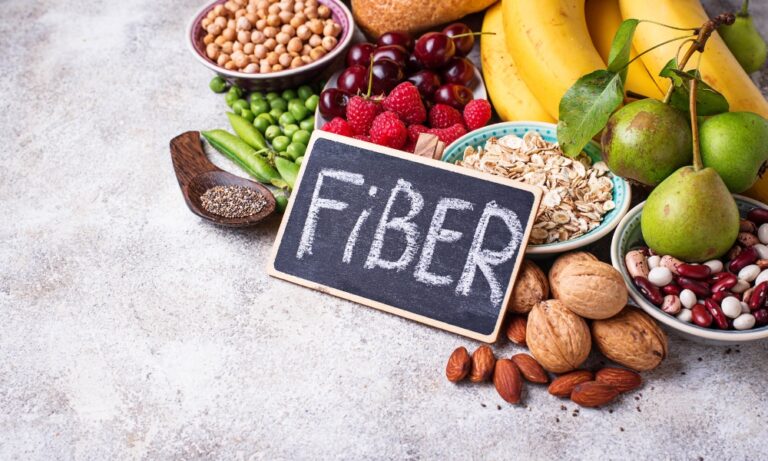
The foods that relieve constipation fastest are prunes and prune juice, kiwifruit, pears, apples with the skin, berries, chia seeds, ground flaxseed, beans and lentils, oats and wheat bran, and leafy and cruciferous vegetables. Prunes and prune juice often work within hours to a day because they contain sorbitol, a natural sugar alcohol that draws water into the bowel. High-fiber foods usually take one to three days and work best with extra water.
Two types of fiber help in different ways. Soluble fiber, found in oats, chia seeds, beans and the flesh of fruit, absorbs water and forms a soft gel that makes stool easier to pass. Insoluble fiber, found in bran, whole grains, vegetable skins and nuts, adds bulk and helps stool move along. Most fruits and vegetables contain a mix of both, which is why a varied plate works better than one “miracle” food.
How the best constipation foods work
- Draw water inPrunes, prune juice, pears and apples contain sorbitol and fructose that pull fluid into the bowel and soften stool.
- Soften and gelChia seeds, oats, flaxseed and beans add soluble fiber that holds water and makes stool easier to pass.
- Add bulkBran, whole grains, kiwifruit and vegetables add insoluble fiber that helps stool keep moving.
Do chia seeds help with constipation?
Yes, chia seeds can help with constipation for many people. They are very high in fiber, about 10 grams per ounce (roughly 2 to 3 tablespoons), and most of it is soluble fiber that absorbs water and forms a gel, which softens stool and adds bulk. Chia seeds are not a laxative drug and do not work instantly; they usually help over one to three days and only when you also drink enough water.
Because chia seeds can absorb many times their weight in liquid, they are best soaked before eating. Eating a spoonful of dry chia seeds and then drinking water has, in rare reports, caused the seeds to swell in the esophagus, so people with any trouble swallowing should always soak them first. Start small and increase gradually, since a sudden jump in fiber can cause gas and bloating.
How to use chia seeds for constipation
- Start with 1 tablespoon a day and work up to 2 tablespoons over a week if you tolerate it
- Soak the seeds in water, milk or yogurt for at least 10 to 15 minutes, or overnight as chia pudding
- Stir soaked chia into oatmeal, smoothies or yogurt with fruit
- Drink an extra glass or two of water through the day
- Give it two to three days before judging whether it is helping
Are chia seeds a laxative?
Not in the medical sense. Chia seeds act like a natural bulk-forming fiber, similar in effect to fiber supplements such as psyllium, rather than a stimulant laxative that makes the bowel contract. That makes them a gentle option for regular use, but not a rescue treatment for severe constipation.
Do chia seeds make you poop right away?
Usually not. Most people notice softer, easier bowel movements within a day or two of adding soaked chia seeds and more fluid. If you need faster relief, prunes or prune juice tend to act sooner.
Which fruits help you poop fast?
Prunes, kiwifruit, pears, apples, figs and berries are the fruits most likely to help you poop. Studies show that prunes and about two green kiwifruit a day improve stool frequency and softness in many adults with constipation. Pears and apples are rich in fructose and sorbitol, and berries add fiber with few calories. Eating the skin, when it is edible, adds extra fiber.
| Food | Why it helps | Easy way to eat it |
|---|---|---|
| Prunes or prune juice | Fiber plus sorbitol that draws water into the bowel | A handful of prunes, or a small glass of prune juice |
| Kiwifruit | Fiber and natural enzymes; studied for chronic constipation | Two kiwifruit a day, with or without the skin |
| Chia seeds | About 10 g fiber per ounce, forms a softening gel | Soaked in yogurt, milk or water as chia pudding |
| Ground flaxseed | Soluble and insoluble fiber | 1 to 2 tablespoons in oatmeal or smoothies |
| Pears and apples | Fiber, fructose and sorbitol | Whole fruit with the skin on |
| Beans and lentils | High in both fiber types | Soups, salads or rice and beans |
| Oats, bran and rye bread | Bulk-forming cereal fiber | Oatmeal, bran cereal or whole-grain rye bread |
| Vegetables | Fiber and water | Broccoli, leafy greens, sweet potatoes with skin |
Have symptoms like these?
Dr. Muhammad Ali Khan, a board-certified gastroenterologist and hepatologist, sees adults at our Katy and Cypress offices, serving patients across Greater Houston.
How much fiber and water do I need to relieve constipation?
Most adults need about 25 to 35 grams of fiber a day, but many Americans eat only about half that. Increase fiber gradually, by about 5 grams a day each week, to limit gas and bloating, and drink more fluid as you go, since fiber needs water to soften stool. Clear urine and regular thirst-free days are a simple sign that you are drinking enough.
If you have kidney or heart disease and have been told to limit fluids, ask your doctor how much to drink before increasing fiber. Fiber supplements such as psyllium can help fill the gap when diet alone is not enough.
What foods make constipation worse?
Foods that are low in fiber and high in fat tend to make constipation worse, including heavily processed snacks, white bread and pastries, fast food, fried food, large amounts of cheese and red meat, and unripe bananas. Not drinking enough fluid and relying on these foods for most meals slows the bowel. Cutting back on them while adding fruit, vegetables and whole grains usually helps.
Some medicines and supplements, such as iron, calcium, opioid pain relievers and certain antacids, can also cause constipation. If constipation started after a new medicine, tell your doctor rather than stopping it on your own.
What else helps constipation besides food?
Besides food, regular physical activity, a consistent bathroom routine after breakfast, not ignoring the urge to go, and a footstool to raise your knees on the toilet all help the bowel move. Fiber supplements and over-the-counter laxatives can help when diet changes are not enough, but use them as directed on the label and talk to a doctor if you need them often.
Our guide to natural remedies for constipation covers these habits step by step.
Tip: Change one thing at a time
Add one new food, such as soaked chia seeds or two kiwifruit a day, for a week before adding another. That way you can tell what actually helps your body, and you avoid the gas and bloating that come with adding too much fiber at once.
Get answers instead of guessing
Request a visit with Dr. Muhammad Ali Khan at our Katy and Cypress offices. Call the office to check your insurance coverage; self-pay options are available.
When should constipation be checked by a doctor?
See a doctor such as Dr. Khan if constipation lasts longer than three weeks despite diet changes, if you need laxatives regularly, or if it is a new change in your bowel habits. Get prompt care for blood in the stool, black stools, unexplained weight loss, severe abdominal pain, vomiting, a swollen belly, or not passing gas. Adults 45 and older who are due for colorectal cancer screening should also discuss a colonoscopy.
Red flags with constipation
- Blood in or on the stool, or black stools
- Unexplained weight loss or loss of appetite
- Severe abdominal pain, vomiting or a hard, swollen belly
- No bowel movement and no passing gas
- A lasting change in bowel habits after age 45, or a family history of colon cancer
A gastroenterologist can look for causes such as irritable bowel syndrome, pelvic floor problems, thyroid disease, medicine side effects or, less commonly, a blockage. Learn how IBS differs from regular constipation, or read about colonoscopy in Katy and Cypress.
Key takeaways
- Prunes and prune juice are among the fastest-acting foods to relieve constipation, often within hours to a day.
- Chia seeds help with constipation by adding soluble fiber, but soak them first and drink extra water.
- Kiwifruit, pears, apples, berries, beans, oats, bran and vegetables all add helpful fiber.
- Most adults need 25 to 35 grams of fiber a day; increase it slowly and drink more fluid.
- Constipation lasting more than three weeks, or with bleeding, weight loss or severe pain, needs a medical evaluation.
Frequently asked questions
How much chia seed should I eat for constipation?
Start with about 1 tablespoon a day, soaked in liquid, and increase to 2 tablespoons over a week if you tolerate it. Drink extra water. More is not always better, as too much fiber at once can cause gas and bloating.
Can I eat chia seeds dry for constipation?
It is safer to soak them first. Dry chia seeds absorb liquid and swell, and in rare cases have caused blockage in the esophagus when eaten dry. People with swallowing problems should always soak chia seeds.
What drink makes you poop fast?
Prune juice is one of the fastest-acting drinks for constipation. Warm water or coffee in the morning stimulates the colon in some people, and drinking enough water through the day helps fiber work.
Are bananas good or bad for constipation?
Ripe bananas contain fiber and can help, while unripe green bananas contain more resistant starch and may worsen constipation in some people.
How long does it take for fiber to relieve constipation?
High-fiber foods usually take one to three days to make stool softer and more regular. Prunes and prune juice often work sooner, within hours to a day.
When should I see a gastroenterologist for constipation?
See a gastroenterologist if constipation lasts more than three weeks despite diet changes, keeps returning, needs regular laxatives, or comes with bleeding, weight loss or severe pain. Call (346) 340-4414 for the Katy or Cypress office.
Sources
- NIDDK — Eating, diet and nutrition for constipation
- NIDDK — Treatment for constipation
- MedlinePlus — Constipation
- MedlinePlus — Dietary fiber
- American College of Gastroenterology — Constipation
Where to be seen in Katy and Cypress
United Gastroenterology Associates has two offices: Katy, at 23920 Katy Freeway, Suite 555, next to Memorial Hermann Katy Hospital, and Cypress, at 21216 Northwest Freeway, Suite 640, on US-290. Both are open Monday through Friday, 8:30 AM to 5:00 PM, closed for lunch from 12:00 to 1:30 PM, and serve patients from Fulshear, Richmond and across Greater Houston. Call (346) 340-4414 for either office.
Katy office
23920 Katy Freeway, Suite 555
Katy, TX 77494
Memorial Hermann Medical Plaza 1
Next steps
If you are dealing with foods to relieve constipation fast or any ongoing digestive concern, a focused evaluation can find the cause and start the right treatment. Dr. Muhammad Ali Khan and the team at United Gastroenterology Associates see adults from Katy, Cypress, Fulshear, Richmond, Greater Houston and across Texas. Call (346) 340-4414 or request an appointment today.
If you have severe pain, vomit blood, pass black stools or have chest pain, call 911 or go to the nearest emergency room.