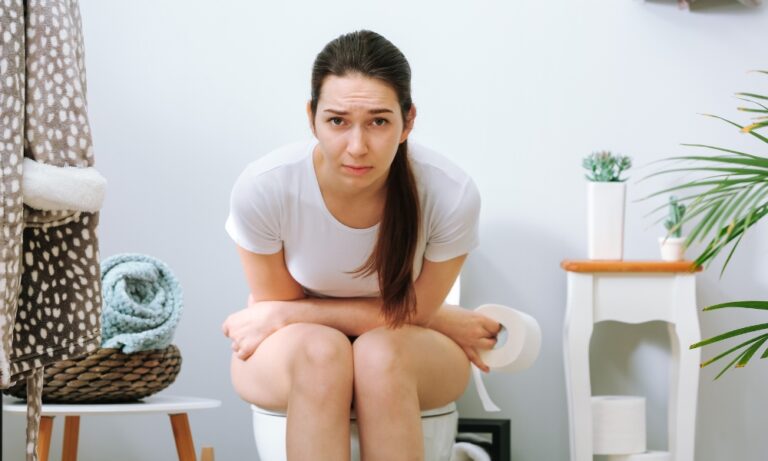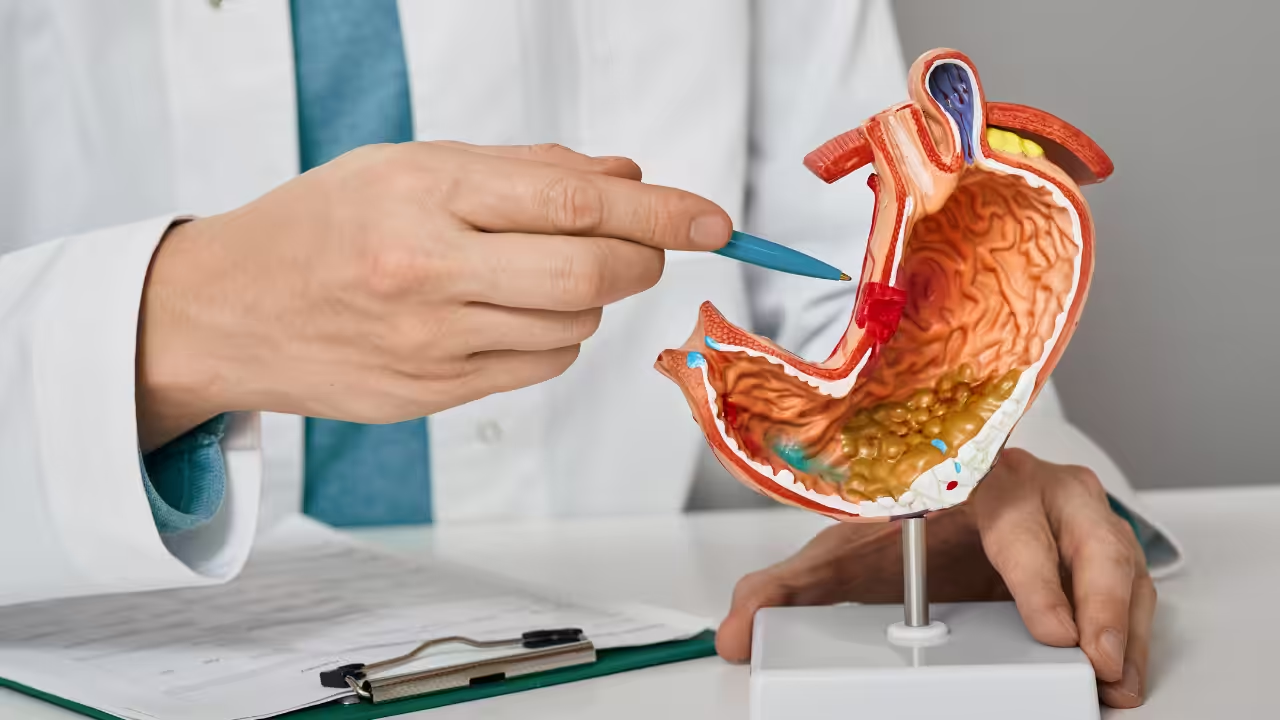
In this blog, we’ll explain when constipation becomes a concern, what symptoms should prompt a doctor’s visit, and how a gastroenterologist can help.
Understanding Constipation
Constipation is usually defined as having fewer than three bowel movements per week, although the experience can vary. Some people may have daily bowel movements but struggle with hard stools, straining, or a feeling of incomplete evacuation. Occasional constipation is normal, often caused by dehydration, low fiber intake, stress, or travel. However, persistent constipation—especially when accompanied by other symptoms—can indicate a more serious digestive issue.
Signs That Constipation May Be Serious
It’s important to recognize when constipation warrants medical attention. Here are the key signs that should not be ignored:
1. Constipation Lasting More Than a Week
If you’ve tried home remedies and still haven’t had relief after a week, it may be time to see a gastroenterologist. Chronic constipation could be caused by conditions such as Irritable Bowel Syndrome (IBS), hypothyroidism, or even a bowel obstruction.
Left untreated, long-term constipation can lead to complications like hemorrhoids, anal fissures, or fecal impaction, where hardened stool becomes trapped in the intestines. Seeking early medical care can prevent these problems.
2. Severe Abdominal Pain
Mild discomfort is common with occasional constipation, but severe or persistent abdominal pain is a red flag. This could indicate a bowel obstruction, worsening acid reflux, or another digestive disorder that needs prompt attention.
If pain is sudden, sharp, or intensifies over time, consult a gastroenterologist. Early evaluation can help identify the cause and provide effective treatment.
3. Blood in Your Stool
Noticing blood in your stool can be alarming. Bright red blood often comes from hemorrhoids or anal fissures, but darker, tarry stool may indicate bleeding higher in the digestive tract.
More serious causes include colon polyps, diverticulosis, or even colorectal cancer. A gastroenterologist can perform a colonoscopy to identify the source of bleeding and recommend appropriate treatment.
4. Unexplained Weight Loss
Unexpected weight loss along with chronic constipation can signal a serious underlying condition, such as inflammatory bowel disease (IBD), celiac disease, or cancer.
If you notice unexplained weight loss, don’t delay in consulting a gastroenterologist. They can help determine the cause and create a plan to restore digestive health and overall well-being.
5. Persistent Constipation Despite Remedies
Sometimes, even after trying fiber supplements, drinking plenty of water, exercising, and using over-the-counter laxatives, constipation persists. This may be caused by motility disorders, neurological issues, or other underlying conditions that require specialized treatment.
A gastroenterologist can provide advanced care, including prescription medications, biofeedback therapy, or, in rare cases, surgical options to relieve chronic constipation.
Have symptoms like these?
Dr. Muhammad Ali Khan, a board-certified gastroenterologist and hepatologist, sees adults at our Katy and Cypress offices, serving patients across Greater Houston.
Natural Remedies and Lifestyle Changes
For mild constipation, lifestyle changes and home remedies can be very effective. Incorporating high-fiber foods like prunes, flaxseeds, fruits, vegetables, and whole grains can help regulate bowel movements.
Staying hydrated is crucial. Dehydration can make stool hard and difficult to pass because the body pulls water from the stool to maintain fluid balance. Drinking plenty of water daily softens the stool and eases bowel movements.
Exercise is another important factor. Regular movement stimulates intestinal muscles and helps promote regularity. Activities like walking, jogging, or yoga can make a noticeable difference.
Herbal teas, such as peppermint or ginger, can soothe the digestive system and provide mild relief. In some cases, magnesium supplements or warm water with lemon may help alleviate constipation overnight.
Stress management also plays a role. Stress can slow digestion and worsen constipation. Incorporating techniques like meditation, deep breathing, or mindfulness can reduce digestive discomfort.
How a Gastroenterologist Can Help
When home remedies aren’t enough, a gastroenterologist can provide targeted care. During your visit, the doctor will review your medical history, lifestyle habits, and symptoms. They may recommend diagnostic tests such as:
- Colonoscopy – to examine the colon for blockages, inflammation, polyps, or other issues.
- Blood tests – to detect infections, inflammation, or metabolic conditions.
- Imaging tests – like X-rays or CT scans to check for abnormalities in the digestive tract.
After diagnosis, the gastroenterologist will develop a personalized treatment plan that may include prescription medications, dietary adjustments, and therapies aimed at restoring regular bowel function.
Get answers instead of guessing
Request a visit with Dr. Muhammad Ali Khan at our Katy and Cypress offices. Most major insurance plans are accepted and self-pay options are available.
When to Act Quickly
Certain symptoms require urgent evaluation. If constipation is accompanied by:
- Severe or sudden abdominal pain
- Vomiting
- Blood in the stool
- Unexplained weight loss
…contact a gastroenterologist immediately. Quick intervention can prevent complications such as bowel obstruction, perforation, or chronic digestive disorders.
Don’t ignore persistent constipation. Schedule an appointment with a gastroenterologist to get the care you need. If you’re in Houston, Cypress, or Katy, our specialists at United Gastroenterology Associates, PLLC can help identify the cause of your symptoms and develop a plan for relief.
- Gastroenterologist in Houston – Expert care for digestive issues.
- Gastroenterologist in Cypress – Personalized treatment for constipation and other GI conditions.
- Gastroenterologist in Katy – Comprehensive evaluations and advanced therapies for chronic constipation.
Take control of your digestive health today and prevent serious complications by seeking professional care.
Conclusion
While constipation is common, persistent or severe symptoms are not something to ignore. Early intervention from a gastroenterologist can make a significant difference in preventing complications and improving your quality of life. Paying attention to your body’s signals—such as prolonged constipation, blood in stool, unexplained weight loss, or severe abdominal pain—is the first step toward better digestive health.
By combining lifestyle changes, natural remedies, and professional medical care, you can manage constipation effectively and maintain a healthy digestive system.
Disclaimer: This blog is for informational purposes only and does not replace professional medical advice. Always consult a licensed healthcare provider for diagnosis and treatment of any health concerns.
When constipation needs a specialist: Ongoing or severe constipation is not something you have to live with. Explore constipation treatment in Cypress & Katy, TX, or call (346) 340-4414 to see a gastroenterologist.
Where to be seen in Katy and Cypress
United Gastroenterology Associates has two offices: Katy, at 23920 Katy Freeway, Suite 555, next to Memorial Hermann Katy Hospital, and Cypress, at 21216 Northwest Freeway, Suite 640, on US-290. Both are open Monday through Friday, 8:30 AM to 5:00 PM, closed for lunch from 12:00 to 1:30 PM, and serve patients from Fulshear, Richmond and across Greater Houston. Call (346) 340-4414 for either office.
Katy office
23920 Katy Freeway, Suite 555
Katy, TX 77494
Memorial Hermann Medical Plaza 1
Next steps
If you are dealing with when is constipation a concern or any ongoing digestive concern, a focused evaluation can find the cause and start the right treatment. Dr. Muhammad Ali Khan and the team at United Gastroenterology Associates see adults from Katy, Cypress, Fulshear, Richmond, Greater Houston and across Texas. Call (346) 340-4414 or request an appointment today.
If you have severe pain, vomit blood, pass black stools or have chest pain, call 911 or go to the nearest emergency room.