What are the symptoms of fatty liver disease?
Most people with early fatty liver disease have no symptoms. When fatty liver disease symptoms do appear, the most common are tiredness and a dull ache or fullness in the upper right abdomen. As the disease advances to inflammation and scarring, symptoms can include weakness, poor appetite, nausea, itching, yellowing of the skin and eyes, swelling of the legs or belly, easy bruising and confusion.
Fatty liver disease symptoms by stage
- Simple fatty liverUsually no symptoms; found on blood tests or imaging.
- Steatohepatitis (MASH)Fatigue, right upper abdominal discomfort.
- FibrosisOften still silent while scarring builds.
- CirrhosisJaundice, swelling, bruising, confusion.
Who is at risk for fatty liver disease?
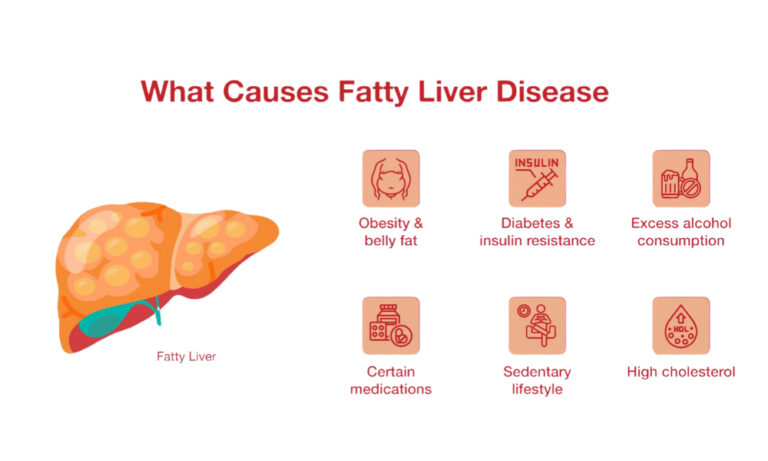
The biggest risk factors are excess weight, especially around the waist, type 2 diabetes or prediabetes, high triglycerides or low HDL cholesterol, high blood pressure and sleep apnea. Hispanic adults have higher rates, which matters in the Houston area. Heavy alcohol use causes a separate form of fatty liver. Some people develop it at a normal weight.
| Risk factor | Why it matters |
|---|---|
| Excess belly fat | Linked to insulin resistance and liver fat |
| Type 2 diabetes | More than half of people with diabetes have fatty liver |
| High triglycerides | Fat builds in liver cells |
| High blood pressure | Part of metabolic syndrome |
| Sleep apnea | Associated with faster progression |
| Hispanic ethnicity | Higher rates of fatty liver and MASH |
Signs of advanced liver disease: seek care promptly
- Yellowing of the skin or eyes
- A swelling abdomen or legs
- Vomiting blood or black stools
- Confusion or unusual drowsiness
- Easy bruising or bleeding
How is fatty liver disease diagnosed?
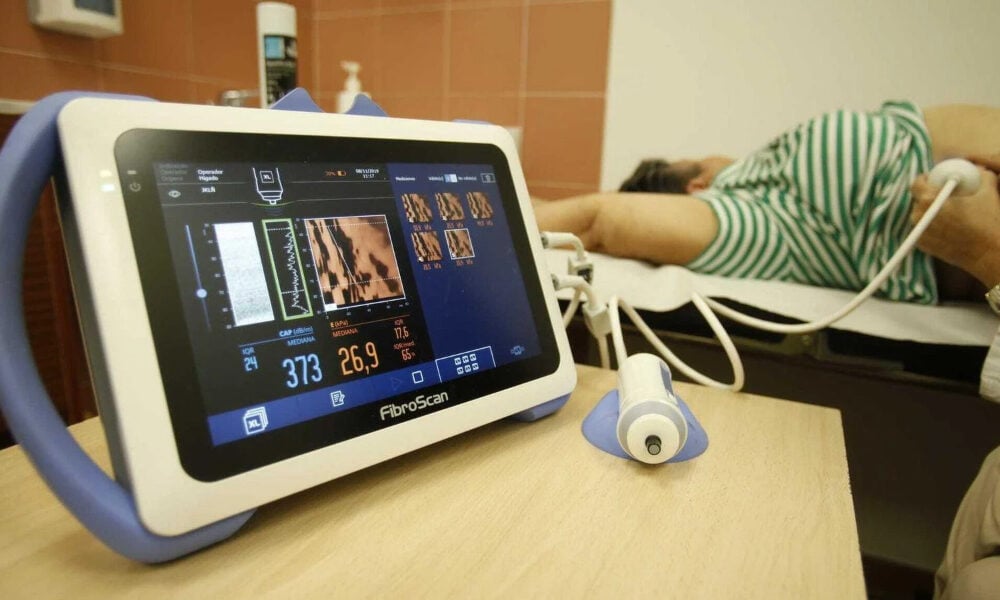
Fatty liver is often first suspected when routine blood work shows raised ALT or AST liver enzymes, or when an ultrasound shows a bright liver. A gastroenterologist confirms the diagnosis, rules out other liver diseases, and measures scarring with a FibroScan or a blood-based score such as FIB-4. A liver biopsy is rarely needed. See FibroScan in Katy and Cypress and fatty liver on ultrasound: what next.
Have symptoms like these?
Dr. Muhammad Ali Khan, a board-certified gastroenterologist and hepatologist, sees adults at our Katy and Cypress offices, serving patients across Greater Houston.
Why does early detection matter?
In its early stages fatty liver can be reversed, and even early scarring can improve. Once cirrhosis develops, damage is usually permanent and the risk of liver failure and liver cancer rises. Fatty liver also raises the risk of heart disease, which is the most common cause of death in people with the condition. Finding it early allows changes that protect both the liver and the heart.
Tip: If you have diabetes or excess weight, ask your doctor to calculate your FIB-4 score from routine blood tests. A higher score is a signal to get a FibroScan.
How is fatty liver disease treated?
The main treatment is gradual weight loss of 7 to 10 percent of body weight through diet and exercise, which can reduce liver fat, inflammation and scarring. Controlling diabetes, cholesterol and blood pressure, limiting alcohol and avoiding sugary drinks also help. Newer medications, including resmetirom and some GLP-1 based drugs, may be options for people with significant scarring. Read can fatty liver be reversed.
When should you see a liver specialist?
See a gastroenterologist or hepatologist if you have abnormal liver enzymes, fatty liver on imaging, a high FIB-4 score, or risk factors such as diabetes and obesity. Dr. Muhammad Ali Khan cares for fatty liver disease in patients from Katy, Cypress, Fulshear, Richmond and Greater Houston. See our fatty liver specialist and hepatology pages.
Get answers instead of guessing
Request a visit with Dr. Muhammad Ali Khan at our Katy and Cypress offices. Most major insurance plans are accepted and self-pay options are available.
Key takeaways
- Most people with fatty liver disease have no symptoms early on.
- Fatigue and right upper abdominal discomfort are the most common early symptoms.
- Jaundice, swelling and confusion signal advanced disease.
- Diabetes, excess weight and high triglycerides are the main risk factors.
- Early detection with blood tests and FibroScan allows reversal.
Frequently asked questions
Can fatty liver cause pain?
Some people feel a dull ache or fullness under the right ribs, but many have no pain at all.
What is the new name for fatty liver disease?
Non-alcoholic fatty liver disease (NAFLD) is now called metabolic dysfunction-associated steatotic liver disease (MASLD).
Can thin people get fatty liver?
Yes. Lean fatty liver occurs, especially with insulin resistance, genetics or certain diets.
Does fatty liver cause tiredness?
Yes, fatigue is one of the most commonly reported symptoms.
Do normal liver enzymes rule out fatty liver?
No. Many people with fatty liver have normal enzymes, so imaging or a FIB-4 score may be needed.
Do I need a referral to see a gastroenterologist in Katy or Cypress?
It depends on your insurance plan. Many PPO plans let you book a specialist directly, while some HMO plans require a referral from your primary care doctor. Call (346) 340-4414 and the team can help you check.
Sources
- NIDDK — Metabolic dysfunction-associated steatotic liver disease
- MedlinePlus — Fatty liver disease
- NIDDK — Liver disease
- NIDDK — Cirrhosis
- MedlinePlus — Liver diseases
Where to be seen in Katy and Cypress
United Gastroenterology Associates has two offices: Katy, at 23920 Katy Freeway, Suite 555, next to Memorial Hermann Katy Hospital, and Cypress, at 21216 Northwest Freeway, Suite 640, on US-290. Both are open Monday through Friday, 8:30 AM to 5:00 PM, closed for lunch from 12:00 to 1:30 PM, and serve patients from Fulshear, Richmond and across Greater Houston. Call (346) 340-4414 for either office.
Katy office
23920 Katy Freeway, Suite 555
Katy, TX 77494
Memorial Hermann Medical Plaza 1
Next steps
If you are dealing with fatty liver disease symptoms or any ongoing digestive concern, a focused evaluation can find the cause and start the right treatment. Dr. Muhammad Ali Khan and the team at United Gastroenterology Associates see adults from Katy, Cypress, Fulshear, Richmond, Greater Houston and across Texas. Call (346) 340-4414 or request an appointment today.
If you have severe pain, vomit blood, pass black stools or have chest pain, call 911 or go to the nearest emergency room.