
Fatty liver is one of those conditions that can be surprisingly easy to overlook. Many people have no obvious symptoms and discover they have excess fat in the liver after routine blood work, an ultrasound, CT scan or another medical evaluation. Others may notice fatigue, vague discomfort in the upper right side of the abdomen or other symptoms that are easy to attribute to something else.
Fatty liver means that excess fat has accumulated in the liver. When the condition is related to metabolic factors and alcohol is not the primary cause, it is commonly referred to as metabolic dysfunction-associated steatotic liver disease, or MASLD. Fatty liver can also occur for other reasons, including alcohol use, certain medications and some medical conditions.
Having fat in the liver does not automatically mean that the liver is permanently damaged. However, fatty liver can sometimes progress to inflammation, scarring, cirrhosis and other complications. That is why understanding the cause, assessing the degree of liver involvement and identifying risk factors are important.
Important Note
Fatty liver often develops quietly, which is exactly why it can be easy to underestimate. A person can feel completely well while changes are already occurring in the liver. The good news is that identifying fatty liver early gives you an opportunity to understand why it developed, assess whether scarring is present and make meaningful changes before more advanced liver disease develops.
What Is Fatty Liver?
Fatty liver occurs when more fat than normal accumulates inside liver cells.
The liver normally contains some fat, but excessive accumulation can indicate an underlying metabolic or other health issue.
Today, healthcare professionals increasingly use the term metabolic dysfunction-associated steatotic liver disease (MASLD) for fatty liver associated with metabolic risk factors. These may include overweight or obesity, insulin resistance, type 2 diabetes, high blood pressure, abnormal cholesterol or triglyceride levels and other features of metabolic dysfunction.
Fatty liver can exist without significant inflammation or fibrosis. In some people, however, fat accumulation is accompanied by inflammation and liver-cell injury. This can progress to a condition historically known as nonalcoholic steatohepatitis, or NASH, now generally described as metabolic dysfunction-associated steatohepatitis (MASH).
The distinction matters because the amount of fat in the liver is not the only issue. Doctors also want to understand whether inflammation and fibrosis, or liver scarring, are present.
What Are the Symptoms of Fatty Liver?
Most people with fatty liver have few or no symptoms, especially in the earlier stages.
That does not mean the condition is unimportant. It simply means the liver can tolerate changes for a long time without producing obvious symptoms.
When symptoms do occur, they may include:
- Fatigue
- A general feeling of low energy
- Mild discomfort in the upper right abdomen
- A feeling of fullness or pressure beneath the right ribs
- Occasionally, generalized weakness
These symptoms are not specific to fatty liver. Fatigue, for example, can occur with sleep problems, anemia, thyroid disorders, infections, medications and many other conditions.
More advanced liver disease can cause different symptoms, including jaundice, swelling of the abdomen or legs, easy bruising, confusion or significant changes in overall health. These symptoms require medical evaluation.
Why Can Fatty Liver Have No Symptoms?
The liver can develop substantial changes before a person notices anything unusual.
Unlike some organs, the liver does not always produce a clear warning signal when early disease develops. As a result, fatty liver is frequently discovered incidentally.
You may have routine blood work showing elevated liver enzymes. Your doctor may order an abdominal ultrasound because of another concern and notice increased liver fat. Or a CT scan performed for an unrelated reason may show changes consistent with steatosis.
This is one reason regular medical care and appropriate screening are valuable for people with metabolic risk factors.
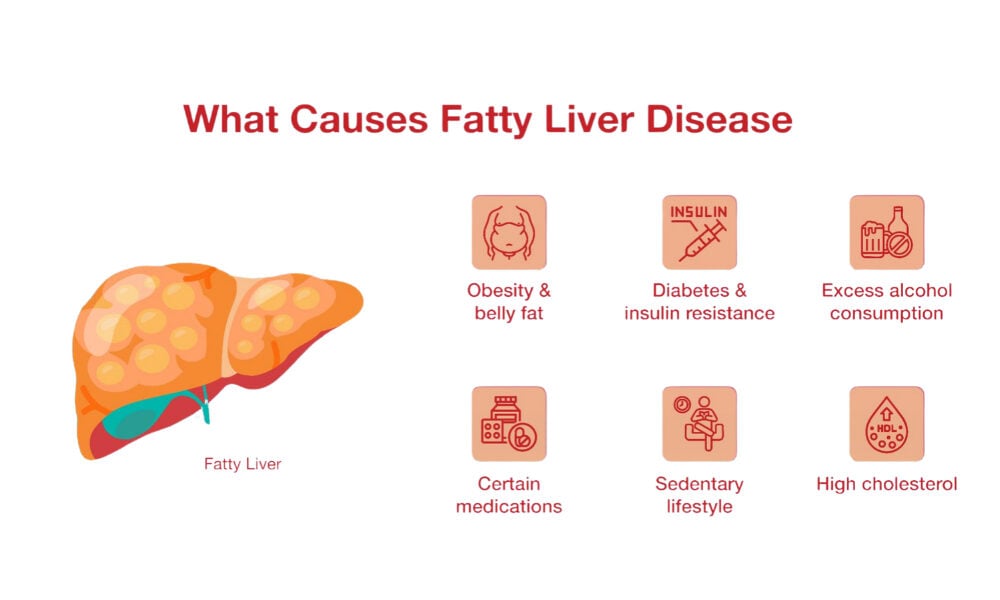
What Causes Fatty Liver?
Fatty liver can develop when the liver receives or produces more fat than it can properly process and remove.
Metabolic dysfunction is a major contributor. Insulin resistance, excess body weight, type 2 diabetes and abnormal blood lipid levels can all increase the likelihood of fat accumulating in the liver.
However, fatty liver is not caused by one single factor.
Other potential contributors include alcohol consumption, certain medications, rapid weight loss, some nutritional disorders and other medical conditions.
That is why diagnosing fatty liver is not simply a matter of seeing fat on an imaging test. A physician should consider the complete clinical picture and determine why it may be occurring.
What Is MASLD?
MASLD stands for metabolic dysfunction-associated steatotic liver disease and describes fatty liver associated with metabolic risk factors.
The terminology changed to better reflect the underlying biology and metabolic factors involved in many cases of fatty liver disease.
A person may be at increased risk if they have conditions such as obesity, type 2 diabetes, high blood pressure, high cholesterol or triglycerides, or other indicators of metabolic dysfunction.
MASLD can range from relatively mild fat accumulation without significant liver injury to disease accompanied by inflammation and fibrosis.
What Is MASH?
MASH stands for metabolic dysfunction-associated steatohepatitis and refers to fatty liver accompanied by inflammation and liver-cell injury.
MASH is more concerning than simple steatosis because ongoing inflammation can contribute to fibrosis.
Fibrosis means scar tissue is developing in the liver. As fibrosis advances, the liver may become increasingly stiff and its normal structure can become disrupted.
Not everyone with fatty liver develops MASH, and not everyone with MASH progresses to advanced liver disease. The goal of evaluation is to identify people at higher risk and monitor or treat them appropriately.
Who Is at Risk for Fatty Liver?
People with metabolic risk factors are more likely to develop fatty liver.
Common risk factors include overweight or obesity, insulin resistance, type 2 diabetes, high triglycerides, abnormal cholesterol, high blood pressure and metabolic syndrome.
A sedentary lifestyle and a diet high in highly processed foods, added sugars and excess calories may also contribute to metabolic dysfunction.
Family history can matter as well. Genetics can influence how an individual’s body stores and processes fat.
Importantly, fatty liver can occur in people who are not overweight. A normal body weight does not completely eliminate the possibility of metabolic fatty liver disease.
Can Alcohol Cause Fatty Liver?
Yes. Alcohol can cause fat to accumulate in the liver, and alcohol-associated liver disease is different from metabolic fatty liver disease.
The amount of alcohol that contributes to liver injury varies between individuals, and factors such as genetics, sex, nutrition, medications and other health conditions can influence risk.
When evaluating fatty liver, your healthcare provider may ask about alcohol use because it helps determine the most appropriate diagnosis and treatment strategy.
It is important to be honest about alcohol consumption during a medical evaluation. This information is used to understand your liver health, not to judge you.
Can Medications Cause Fatty Liver?
Some medications can contribute to liver injury or changes in liver fat, although medication-related liver disease is not the most common cause of fatty liver.
This is why your physician may review prescription medications, over-the-counter products and supplements when evaluating abnormal liver tests.
Do not stop a prescribed medication simply because you are concerned about your liver. Instead, discuss your concerns with your healthcare professional.
What Blood Tests Are Used to Check for Fatty Liver?
Blood tests can help evaluate liver health, but blood work alone cannot always determine how much fat or scarring is present.
Your healthcare provider may check liver enzymes such as ALT and AST. Other blood tests may evaluate bilirubin, alkaline phosphatase, albumin, platelet count and other markers that provide information about liver function and overall health.
Additional blood work may help rule out other causes of abnormal liver tests, such as viral hepatitis, autoimmune liver disease or certain metabolic conditions.
It is important to understand that normal liver enzymes do not necessarily mean there is no fatty liver or fibrosis. Some people with clinically important liver disease can have liver enzymes within the standard laboratory range.
Can an Ultrasound Detect Fatty Liver?
Yes. An abdominal ultrasound is commonly used to detect liver fat.
Ultrasound can identify changes in the appearance of the liver that are consistent with steatosis.
However, conventional ultrasound has limitations. It may not accurately quantify the amount of liver fat, and it does not reliably determine how much fibrosis is present.
That is why doctors may use additional testing when they need a better assessment of liver stiffness or fibrosis risk.
What Is a FibroScan?
FibroScan is a noninvasive test that can help assess liver stiffness and estimate liver fat.
The technology uses specialized ultrasound-based measurements to evaluate the liver.
One of the important measurements is liver stiffness, which can provide information about the likelihood of fibrosis. Another measurement can estimate the amount of fat in the liver.
FibroScan does not require a surgical procedure or a traditional liver biopsy.
For people with fatty liver, this can be useful because identifying fibrosis risk is often more important than simply knowing that fat is present.
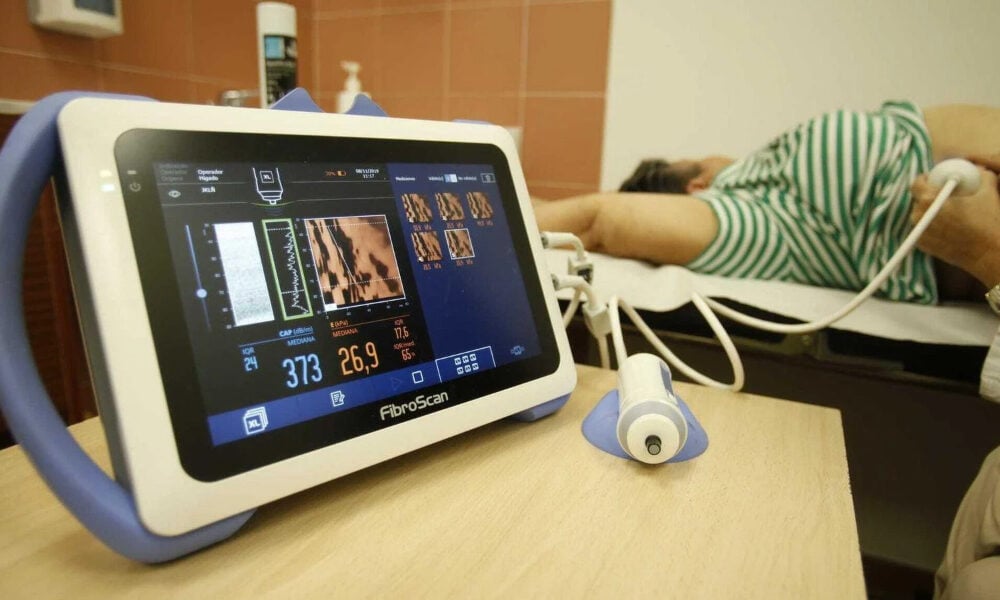
Learn more about FibroScan testing in Cypress and Katy.
Why Does Liver Fibrosis Matter?
Fibrosis is important because increasing amounts of scar tissue can interfere with normal liver structure and function.
Doctors often focus on fibrosis because it is a major indicator of the risk of future liver-related complications.
Fibrosis develops gradually. Early fibrosis may be manageable, particularly when the underlying causes are addressed. More advanced fibrosis can progress toward cirrhosis.
Not everyone with fatty liver develops significant fibrosis. The purpose of fibrosis assessment is to identify where you fall on that spectrum.
Can Fatty Liver Lead to Cirrhosis?
In some people, fatty liver can progress through inflammation and fibrosis and eventually lead to cirrhosis.
Cirrhosis occurs when extensive scar tissue replaces healthy liver tissue and disrupts the liver’s normal architecture.
Advanced liver disease can cause serious complications, including portal hypertension, fluid accumulation, gastrointestinal bleeding, liver failure and increased risk of liver cancer.
This progression does not happen to everyone with fatty liver. Many people never develop advanced disease, especially when risk factors are addressed and liver health is monitored appropriately.
How Is Fatty Liver Diagnosed?
Fatty liver is diagnosed using a combination of medical history, physical examination, blood tests and imaging or noninvasive liver assessment.
The evaluation often begins when fatty liver is suspected because of abnormal liver enzymes, metabolic risk factors or an imaging finding.
Your physician may review your weight history, diabetes status, cholesterol, blood pressure, medications, alcohol consumption and family history.
Imaging such as ultrasound can identify liver fat. Additional tests such as FibroScan can help assess liver stiffness and fat content.
In selected cases, more advanced imaging or a liver biopsy may be recommended when the diagnosis or degree of liver injury remains uncertain.
Does Fatty Liver Always Require a Liver Biopsy?
No. Most people with suspected fatty liver do not automatically need a liver biopsy.
Noninvasive testing has become increasingly useful for assessing liver fat and fibrosis risk.
A biopsy may still be considered in selected situations when doctors need detailed information about liver inflammation, fibrosis or another possible diagnosis that cannot be adequately determined through noninvasive methods.
Your gastroenterologist or liver specialist can explain whether a biopsy is appropriate based on your individual results.
What Are Noninvasive Fibrosis Scores?
Doctors can use certain blood-test-based calculations to estimate the likelihood of significant liver fibrosis.
One commonly used approach is the FIB-4 index, which incorporates factors such as age, AST, ALT and platelet count.
These scores do not diagnose advanced liver disease by themselves. Instead, they can help determine whether additional assessment, such as FibroScan or another form of testing, may be useful.
This stepwise approach can reduce unnecessary invasive procedures while identifying people who need closer evaluation.
Important Note
A fatty liver finding can sound frightening, but the diagnosis does not automatically mean cirrhosis or permanent liver failure. Fat accumulation, inflammation and fibrosis are different stages of liver disease. The most useful next step is to determine where you are on that spectrum and identify the factors that may be contributing to it. Avoid trying to interpret one liver enzyme or one imaging result in isolation.
How Is Fatty Liver Treated?
The foundation of fatty liver treatment is addressing the underlying metabolic and lifestyle factors that contribute to liver fat and inflammation.
For many people, this includes gradual and sustainable weight management, regular physical activity, improved nutrition and management of conditions such as diabetes, high cholesterol and high blood pressure.
The goal is not simply to lose weight as quickly as possible. Rapid, extreme weight loss is not appropriate for everyone and can sometimes create additional health problems.
A sustainable plan is more likely to become part of your long-term routine.
Can Losing Weight Improve Fatty Liver?
Yes. For people with overweight or obesity and metabolic fatty liver disease, meaningful weight loss can reduce liver fat and may improve inflammation and fibrosis risk.
Even relatively modest weight reduction can have beneficial effects on metabolic health.
The amount of weight loss recommended depends on the individual. People with more advanced liver disease should discuss weight-management goals with their healthcare team.
Instead of focusing only on the number on the scale, think about improving the health factors that influence the liver: blood sugar, blood pressure, cholesterol, physical activity, nutrition and body composition.
What Should You Eat If You Have Fatty Liver?
A heart-healthy, minimally processed eating pattern is generally a useful foundation for people with metabolic fatty liver disease.
Many patients benefit from emphasizing vegetables, fruits in appropriate portions, whole grains, legumes, nuts, seeds, lean proteins and healthy unsaturated fats.
Reducing excessive intake of sugary beverages, highly processed foods, refined carbohydrates and excess saturated fat can support metabolic health.
A Mediterranean-style eating pattern is often discussed because it emphasizes whole foods and healthy fats.
There is no single “fatty liver diet” that works for everyone. A registered dietitian or healthcare professional can help adapt nutritional recommendations to your needs, medications and other medical conditions.
Does Exercise Help Fatty Liver?
Regular physical activity can improve metabolic health and may reduce liver fat even when substantial weight loss does not occur.
Both aerobic activity and resistance training can be useful.
For someone who is currently inactive, starting with manageable activity is often more realistic than attempting an intense exercise program immediately.
Walking regularly, increasing daily movement and gradually adding strength training can create meaningful improvements over time.
What Is the Connection Between Diabetes and Fatty Liver?
Type 2 diabetes and insulin resistance are strongly associated with metabolic fatty liver disease.
When the body becomes less responsive to insulin, the way it stores and processes glucose and fat can change. This metabolic environment can promote fat accumulation in the liver.
People with diabetes and fatty liver may have a higher risk of progressive liver disease, making appropriate evaluation particularly important.
Managing blood sugar is therefore part of protecting both metabolic and liver health.
Can High Cholesterol Cause Fatty Liver?
Abnormal cholesterol and triglyceride levels are associated with metabolic fatty liver disease.
The same metabolic factors that contribute to abnormal blood lipids can also promote fat accumulation in the liver.
Managing cholesterol and triglycerides is therefore an important part of reducing overall cardiovascular and metabolic risk.
Never stop cholesterol medication on your own because you have fatty liver. Many commonly prescribed medications can be used safely in people with liver disease when appropriately monitored.
Can Fatty Liver Be Prevented?
Many cases of metabolic fatty liver can be prevented or their progression reduced by improving metabolic health.
Maintaining a healthy weight, staying physically active, eating a balanced diet, managing diabetes and cholesterol, avoiding excessive alcohol and keeping regular medical appointments can all support liver health.
Prevention does not require perfection.
Small improvements maintained consistently are often more valuable than dramatic changes that last only a few weeks.
When Should You See a Gastroenterologist for Fatty Liver?
You should consider seeing a gastroenterologist when fatty liver is found on imaging, liver enzymes remain abnormal, you have significant metabolic risk factors or there is concern about liver fibrosis.
A gastroenterologist can help determine whether additional testing is needed and whether your results suggest a low, intermediate or higher risk of progressive liver disease.
Evaluation is particularly important if you have diabetes, obesity, multiple metabolic risk factors, persistently abnormal liver tests or imaging findings suggesting significant liver changes.
If you have already been told you have fatty liver, the next question should not simply be, “How much fat is in my liver?” It should also be, “Is there inflammation or fibrosis, and what can I do to reduce my risk?”
Fatty Liver Evaluation in Cypress, Katy and the Houston Area
If you have been told that you have fatty liver or have abnormal liver tests, a gastroenterology evaluation can help clarify what the finding means.
Patients in Cypress, Katy and surrounding Houston-area communities can receive evaluation for fatty liver, abnormal liver enzymes and related digestive and liver conditions.
Depending on your medical history and test results, your gastroenterologist may recommend blood work, imaging or noninvasive fibrosis assessment such as FibroScan.
United Gastro TX provides gastroenterology services for patients seeking evaluation and management of liver and digestive conditions.
You can learn more about fatty liver specialist care in Cypress and Katy and FibroScan testing.
Concerned About Fatty Liver?
If fatty liver was found on an ultrasound, scan or blood test, you do not have to figure out what it means on your own. A gastroenterology evaluation can help determine whether additional testing is needed and whether there are signs of liver fibrosis.
Contact United Gastro TX to schedule a liver health evaluation
Frequently Asked Questions About Fatty Liver
What are the first symptoms of fatty liver?
Many people have no symptoms in the early stages. When symptoms occur, they may include fatigue or mild discomfort in the upper right abdomen. Symptoms alone cannot diagnose fatty liver.
Can fatty liver go away?
Fatty liver can improve when the underlying causes are addressed. Improvements in weight, physical activity, diet, blood sugar and other metabolic factors can reduce liver fat in many people.
Is fatty liver serious?
Fatty liver can range from relatively mild disease to a condition associated with inflammation and fibrosis. The presence of liver fat alone does not tell you whether significant liver damage exists, which is why risk assessment can be important.
Can fatty liver cause pain?
Some people report mild discomfort or pressure in the upper right abdomen, but many people with fatty liver have no pain. Abdominal pain can have many causes and should not automatically be attributed to fatty liver.
What blood tests indicate fatty liver?
Liver enzymes such as ALT and AST may be elevated in some people with fatty liver, but normal liver enzymes do not rule it out. Additional blood tests may be needed to evaluate liver function and exclude other causes of liver abnormalities.
Can an ultrasound detect fatty liver?
Yes. Ultrasound can identify changes consistent with liver fat. However, it has limitations and may not determine the degree of fibrosis. Additional noninvasive testing may be recommended.
What is a FibroScan used for?
FibroScan is a noninvasive liver assessment that can measure liver stiffness and estimate liver fat. It can help physicians assess the likelihood of liver fibrosis in appropriate patients.
Does fatty liver always lead to cirrhosis?
No. Most people with fatty liver do not automatically progress to cirrhosis. Risk varies depending on factors such as inflammation, fibrosis, diabetes, metabolic health and other individual characteristics.
Can fatty liver be reversed naturally?
Liver fat can improve substantially when the factors contributing to it are addressed. Regular physical activity, improved nutrition, appropriate weight management and control of metabolic conditions can all support liver health.
Can you have fatty liver with normal liver enzymes?
Yes. Normal ALT and AST levels do not completely exclude fatty liver or liver fibrosis. Imaging and noninvasive fibrosis assessment may be useful when risk factors or other findings raise concern.
Is fatty liver caused only by alcohol?
No. Fatty liver can have several causes. Metabolic dysfunction, including obesity, insulin resistance, diabetes and abnormal blood lipids, is a major contributor to metabolic fatty liver disease.
Do I need a liver biopsy for fatty liver?
Not necessarily. Many patients can be evaluated using blood tests, imaging and noninvasive fibrosis assessments. A biopsy may be considered in selected cases when more detailed information is needed.
When should I see a fatty liver specialist?
Consider seeing a gastroenterologist or liver specialist if fatty liver has been found on imaging, your liver enzymes are persistently abnormal, you have multiple metabolic risk factors or there is concern about liver fibrosis.
The Bottom Line on Fatty Liver
Fatty liver is common, often silent and usually manageable, but it should not be dismissed simply because you feel well.
The most important questions are why the liver has accumulated fat and whether there is evidence of inflammation or fibrosis.
Blood tests can provide useful information about liver health, while ultrasound and other imaging studies can identify liver fat. Noninvasive tests such as FibroScan can add valuable information about liver stiffness and fat content.
If you have been diagnosed with fatty liver, there is no need to assume the worst. At the same time, it is worth taking the finding seriously enough to understand your individual risk.
With appropriate medical guidance, lifestyle changes and management of conditions such as diabetes, high cholesterol and high blood pressure, many people can improve their liver health and reduce the likelihood of progression.
Medical Disclaimer: This article is for general educational purposes only and is not a substitute for professional medical advice, diagnosis or treatment. Liver disease can have many causes, and individual testing and treatment recommendations vary. If you have jaundice, vomiting blood, black stools, severe abdominal swelling, confusion or another urgent medical concern, seek prompt medical care.