Colon cancer warning signs can include blood in the stool, a persistent change in bowel habits, unexplained weight loss, ongoing abdominal discomfort, fatigue from blood loss and a feeling that the bowel is not completely emptying. These symptoms can have many causes, and having one does not mean you have cancer. Still, persistent or unexplained symptoms deserve medical attention.
Understanding what to watch for can help you recognize when it is time to speak with a doctor and when a colonoscopy or other evaluation may be appropriate.
Important Note
Blood in the stool or a sudden change in bowel habits can be frightening, but these symptoms do not automatically mean cancer. Hemorrhoids, infections, inflammatory bowel disease, polyps and other conditions can cause similar problems. The important point is not to guess at the cause. If something is persistent, unexplained or getting worse, getting evaluated can provide answers and, when necessary, allow treatment to begin earlier.
What Is Colon Cancer?
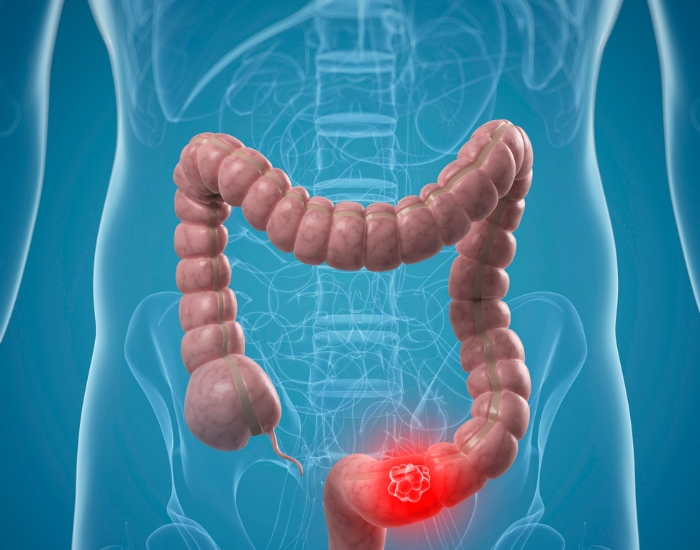
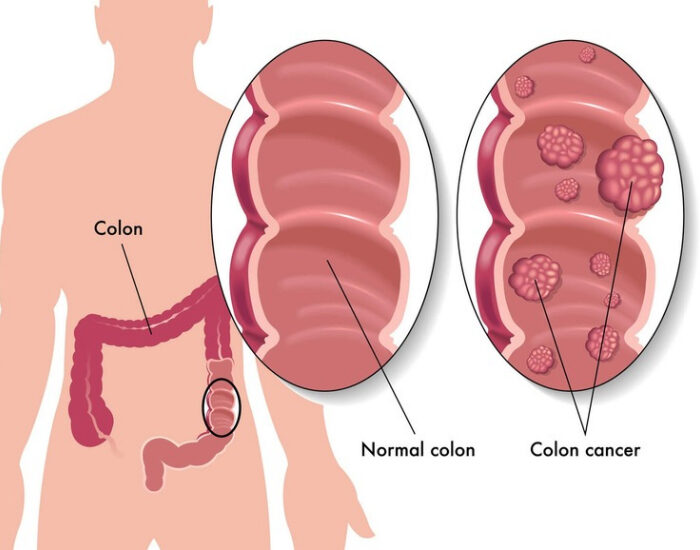
Colon cancer is a cancer that starts in the large intestine, usually from an abnormal growth called a polyp that slowly turns cancerous over several years. Together with rectal cancer it is called colorectal cancer, one of the most common cancers in the United States. Finding and removing polyps early through screening can stop many cancers before they start.
The colon is part of the digestive system and is responsible for absorbing water and electrolytes from digested material before waste moves into the rectum and eventually leaves the body.
Many colon cancers develop gradually. Some begin as adenomatous or other precancerous polyps that slowly acquire abnormal changes over time. A colonoscopy can identify and remove many polyps before they become cancerous, which is one reason colorectal cancer screening can be so effective.
Not every polyp becomes cancer, and not every colon cancer follows the same pattern. But recognizing symptoms and following recommended screening guidelines are important parts of protecting colorectal health.
What Are the Warning Signs of Colon Cancer?
The most important colon cancer warning signs are rectal bleeding or blood in the stool, a lasting change in bowel habits, unexplained weight loss, ongoing abdominal pain and unexplained fatigue from anemia. Many of these symptoms have harmless causes, but any sign that lasts more than a few weeks should be checked by a doctor or gastroenterologist.
| Warning sign | Common harmless causes | When to get checked |
|---|---|---|
| Blood in the stool | Hemorrhoids, anal fissures | Any new rectal bleeding |
| Change in bowel habits | Diet changes, IBS, medicines | Lasts more than a few weeks |
| Unexplained weight loss | Stress, thyroid problems | About 5% of body weight without trying |
| Fatigue with low iron | Heavy periods, low-iron diet | Any unexplained iron-deficiency anemia |
| Abdominal pain | Gas, constipation, IBS | Persistent or worsening pain |
Some people experience only one symptom. Others notice several changes at once.
The symptoms can also be subtle. Instead of seeing obvious blood, someone may gradually become more tired because of chronic blood loss. Instead of severe abdominal pain, they may notice a persistent change in bowel movements that never quite returns to normal.
That is why paying attention to changes that persist is important.
Is Blood in the Stool a Sign of Colon Cancer?
Yes, blood in the stool can be a warning sign of colon cancer, but hemorrhoids, anal fissures, diverticular disease and colitis cause bleeding far more often. Bright red blood usually comes from near the anus, while dark or mixed-in blood may come from higher in the colon. Any new rectal bleeding deserves a medical evaluation, especially after age forty-five.
Blood may appear bright red, dark red or sometimes make the stool look black and tarry. The location and source of bleeding can influence how it appears.
Hemorrhoids and anal fissures are common causes of bright red rectal bleeding. However, it is not safe to automatically assume that bleeding is from hemorrhoids, particularly if the bleeding is new, recurrent or accompanied by other symptoms.
Bleeding higher in the digestive tract can sometimes produce black, tarry stools, although several factors can affect stool color.
If you notice unexplained blood in your stool, discuss it with a healthcare professional.
Can a persistent change in bowel habits signal colon cancer?
Yes, a change in bowel habits that lasts more than a few weeks can be a warning sign of colorectal cancer. This includes new constipation, new diarrhea, switching between the two or a change in how often you go. A tumor can narrow the colon or irritate its lining, so persistent changes should be evaluated rather than ignored.
This can include new constipation, diarrhea or a noticeable change in the frequency, consistency or appearance of bowel movements.
For example, someone who normally has regular bowel movements may suddenly develop constipation that continues for weeks. Another person may begin having frequent loose stools without an obvious infection or dietary explanation.
Occasional changes are common and are often related to food, stress, medications or temporary illness. The concern is more about a persistent or unexplained change.
Can Narrow Stools Mean Colon Cancer?
Narrow, pencil-thin stools can happen with a tumor that narrows the lower colon or rectum, but they are much more often caused by constipation, irritable bowel syndrome or straining. Stool shape naturally varies from day to day. Narrow stools that persist for weeks, especially with bleeding or other changes, should be checked with a colonoscopy or other testing.
People sometimes become concerned when they notice thinner-than-usual bowel movements.
Stool shape can change because of diet, constipation, bowel spasms and other benign factors. However, if a persistent change in stool caliber occurs along with bleeding, abdominal pain, unexplained weight loss or other concerning symptoms, medical evaluation is appropriate.
Rather than focusing on one bowel movement, pay attention to persistent patterns.
Can New Constipation Be a Warning Sign?
New or persistent constipation can sometimes be linked with colon cancer, especially when a tumor narrows the bowel, but constipation is much more often caused by low fiber, low fluid intake, medicines or irritable bowel syndrome. Constipation that starts suddenly in adulthood, keeps getting worse or comes with bleeding or weight loss should be evaluated by a gastroenterologist.
Low fiber intake, inadequate fluid intake, medications, changes in activity and irritable bowel syndrome can all contribute to constipation.
However, constipation that is new and persistent—particularly in an older adult or someone with additional warning signs—should not simply be dismissed.
A physician can review the timing of symptoms, medications, family history and other risk factors to determine whether additional testing is appropriate.
Can Persistent Diarrhea Be a Colon Cancer Symptom?
Persistent diarrhea can have many causes, including infections, food intolerances, irritable bowel syndrome and inflammatory bowel disease, and colon cancer is a less common one. A tumor can irritate the colon or let only liquid stool pass a narrowed area. Diarrhea that lasts more than a few weeks without a clear reason should be evaluated by a doctor.
Infections, food intolerances, medications, irritable bowel syndrome, inflammatory bowel disease and other gastrointestinal disorders can cause chronic diarrhea.
Colon cancer can also alter bowel habits in some people.
If diarrhea persists, particularly when it is accompanied by blood, weight loss, anemia or abdominal pain, a gastroenterologist may recommend further evaluation.
Can abdominal pain and cramping be a sign of colon cancer?
Yes, persistent or unexplained abdominal pain, cramping or a feeling of fullness can be a symptom of colon cancer, especially in later stages. Most belly pain is caused by gas, constipation, irritable bowel syndrome or other harmless conditions. Pain that lasts for weeks, keeps returning or comes with bleeding, weight loss or bowel changes needs a medical evaluation.
The location and character of abdominal discomfort can vary. Some people describe cramping, pressure, bloating or a dull ache. Others notice discomfort that seems connected to bowel movements.
Most abdominal pain is not caused by cancer. Gas, constipation, food intolerance, IBS, ulcers, gallbladder disease and many other conditions are far more common.
What matters is whether the pain is persistent, unexplained, progressively worsening or associated with other warning signs.

What does it mean if you cannot fully empty your bowels?
A lasting feeling that you need a bowel movement even after using the bathroom is called tenesmus. It can be caused by a tumor in the rectum or lower colon, but hemorrhoids, constipation, proctitis and irritable bowel syndrome are more common causes. If the feeling persists for more than a few weeks, a gastroenterologist should examine the rectum and colon.
This feeling is sometimes called tenesmus.
It can occur with constipation, hemorrhoids, inflammatory bowel disease, infections and other conditions. In some cases, a growth in the rectum or colon can contribute to the sensation.
If this feeling continues or occurs with bleeding, changes in stool pattern or unexplained weight loss, speak with a healthcare professional.
Is unexplained weight loss a colon cancer warning sign?
Yes, losing weight without trying can be a warning sign of colon cancer and several other medical conditions. Doctors usually consider a loss of about five percent of body weight over six to twelve months significant. Unexplained weight loss, especially with bowel changes, bleeding or fatigue, should prompt a medical evaluation that may include blood tests and a colonoscopy.
Losing weight because you intentionally changed your diet or exercise routine is different from losing weight without trying.
Unexpected weight loss may result from reduced appetite, chronic illness, digestive problems, metabolic conditions or cancer.
If you are losing weight without trying, particularly if the change is significant or accompanied by bowel symptoms, your doctor may recommend further evaluation.
Can colon cancer cause fatigue and anemia?
Yes, colon cancer can cause slow, hidden bleeding that gradually leads to iron-deficiency anemia. Anemia lowers the oxygen carried in the blood, which causes tiredness, weakness, shortness of breath, pale skin or a fast heartbeat. Many people do not notice the blood loss in their stool, so unexplained fatigue with low iron should be checked by a doctor.
This type of bleeding may not be visible. A person may never see blood in the toilet or on toilet paper, yet small amounts of blood loss over time can reduce iron stores.
As anemia develops, someone may experience fatigue, weakness, reduced exercise tolerance, dizziness or shortness of breath.
Iron-deficiency anemia without an obvious explanation—especially in an adult—can require evaluation for gastrointestinal blood loss.
Get answers instead of guessing
Request a visit with Dr. Muhammad Ali Khan at our Katy and Cypress offices. Call the office to check your insurance coverage; self-pay options are available.
Why Is Iron-Deficiency Anemia Important?
Unexplained iron-deficiency anemia matters because the digestive tract is a common source of slow, chronic blood loss. In men and in women past menopause, iron-deficiency anemia without a clear cause usually leads to an upper endoscopy and colonoscopy. These tests can find bleeding ulcers, polyps or colon cancer, and treating the source prevents the anemia from returning.
Not everyone with iron deficiency has colon cancer. Dietary deficiency, menstrual blood loss, malabsorption and other conditions can cause anemia.
But in some patients, gastrointestinal bleeding may be occurring without obvious blood in the stool.
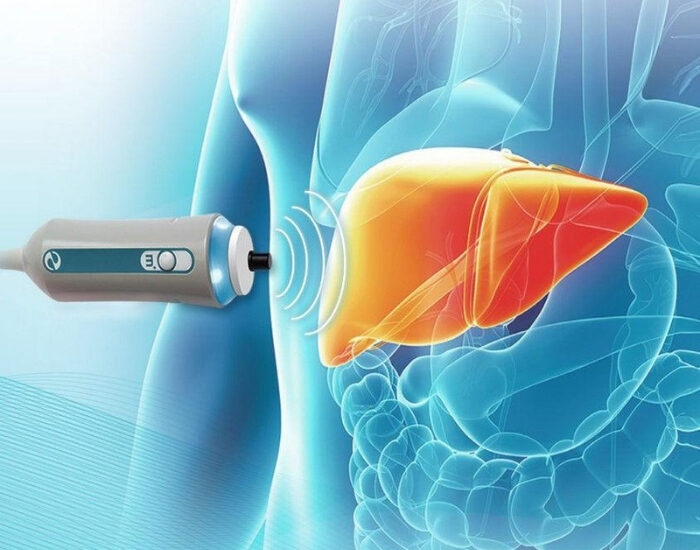
Depending on your age, sex, medical history and laboratory results, a physician may recommend colonoscopy, upper endoscopy or other testing to identify the source.
Is Bloating a Warning Sign of Colon Cancer?
Bloating by itself is usually not a sign of colon cancer, and it is far more often caused by gas, constipation, food intolerances or irritable bowel syndrome. Bloating deserves more attention when it is new, constant and paired with weight loss, bleeding, a change in bowel habits or a feeling of fullness after eating small amounts of food.
Bloating is extremely common and can occur with gas, constipation, food intolerance, IBS and dietary changes.
However, persistent bloating accompanied by other symptoms—such as unexplained weight loss, blood in the stool, persistent bowel changes or significant abdominal pain—should be discussed with a physician.
The combination of symptoms often provides more useful information than one symptom alone.
Can colon cancer cause loss of appetite?
Yes, a persistent loss of appetite can accompany colon cancer and other gastrointestinal cancers, often along with weight loss and fatigue. It can also be caused by stress, depression, infections, medicines and many common digestive problems. A poor appetite that lasts more than a few weeks without a clear reason should be discussed with your doctor.
Temporary appetite changes are common during illness, stress or medication changes.
More concerning is a sustained loss of appetite combined with unexplained weight loss, fatigue or ongoing digestive symptoms.
If you are consistently eating less without intending to and your weight is dropping, medical evaluation can help determine why.
Can Nausea Be a Colon Cancer Symptom?
Nausea is not one of the most specific colon cancer symptoms, and gastritis, reflux, infections, medicines and pregnancy are much more common causes. Advanced colon cancer can cause nausea and vomiting when a tumor blocks the bowel. Nausea with belly swelling, inability to pass gas or stool, or repeated vomiting needs prompt medical care from a doctor.
Reflux, gastritis, infections, medications, migraine, gallbladder problems and numerous other conditions can cause nausea.
In more advanced gastrointestinal obstruction, nausea or vomiting can occur. Severe or persistent vomiting, particularly when accompanied by abdominal swelling or inability to pass stool or gas, requires prompt medical attention.
Why do symptom combinations matter?
One symptom rarely means colon cancer, but several persistent symptoms occurring together deserve a closer look. For example, rectal bleeding with a change in bowel habits, or anemia with weight loss, raises concern more than either sign alone. Doctors weigh symptom combinations along with age and family history to decide how quickly testing should happen.
For example, a person with occasional constipation and no other symptoms may have a straightforward dietary or medication-related cause.
But someone who develops new constipation along with rectal bleeding, unexplained weight loss and fatigue may require a more thorough gastrointestinal evaluation.
Doctors look at the complete picture rather than diagnosing cancer from an isolated symptom.
Important Note
Many symptoms associated with colon cancer are also caused by common, treatable conditions. That is important to remember if you are worried. At the same time, reassurance should come from appropriate evaluation—not from assuming the symptom is harmless. If your bowel habits have changed and the change is not going away, a conversation with a gastroenterologist can help determine what is actually happening.
When Should You See a Gastroenterologist?
You should see a gastroenterologist when digestive symptoms are persistent, unexplained or recurring, or when they come with warning signs such as rectal bleeding, anemia or unintentional weight loss. You should also schedule a visit if you are due for colorectal cancer screening or have a strong family history. Early evaluation makes treatment simpler and more successful.
It is especially important to seek medical advice if you experience:
- Blood in or on the stool
- Black or tarry stools without an obvious explanation
- A persistent change in bowel habits
- New constipation or diarrhea that does not resolve
- Unexplained weight loss
- Iron-deficiency anemia
- Persistent abdominal pain or cramping
- A persistent feeling of incomplete bowel emptying
- Unexplained fatigue associated with other digestive symptoms
- A strong family history of colorectal cancer or polyps
A gastroenterologist can determine whether your symptoms require laboratory testing, stool testing, imaging, colonoscopy or another type of evaluation.
Can Colon Cancer Be Present Without Symptoms?
Yes, colon cancer and precancerous polyps often develop without any noticeable symptoms, especially in the early stages. That is why screening is recommended for adults at average risk starting at age 45, even when they feel well. Screening can find polyps before they turn into cancer and can catch cancer early, when it is most treatable.
This is one of the most important reasons not to wait for warning signs before considering colorectal cancer screening.
Screening is designed to identify cancer early or detect precancerous polyps before they have a chance to become cancer.
People who feel perfectly healthy can still benefit from age-appropriate colorectal cancer screening.
How Does a Colonoscopy Help Detect Colon Cancer?
A colonoscopy lets a gastroenterologist directly examine the lining of the rectum and the entire colon with a thin, flexible camera. Most polyps can be removed during the same procedure, which prevents them from turning into cancer. Any suspicious area can be sampled for a biopsy, so colonoscopy both screens for colon cancer and helps diagnose it.
During colonoscopy, a flexible camera is carefully guided through the large intestine.
If a polyp is found, it can often be removed and sent to a laboratory for examination.
If an abnormal area appears suspicious, the physician can obtain a biopsy for microscopic evaluation.
This ability to both detect and remove precancerous lesions is one of the major advantages of colonoscopy.
When Should Colorectal Cancer Screening Begin?
For adults at average risk, colorectal cancer screening generally begins at age 45, based on guidance from the American Cancer Society and the U.S. Preventive Services Task Force. People with a family history, inflammatory bowel disease or certain inherited syndromes may need to start earlier. Your doctor can recommend the right age and test for you.
People with a family history of colorectal cancer, certain hereditary syndromes, inflammatory bowel disease or other risk factors may need screening earlier or more frequently.
Screening recommendations can also vary based on the type of test used and previous findings.
If you are unsure when you should begin screening, discuss your personal risk factors with your healthcare provider.
Who Is at Higher Risk for Colon Cancer?
Age is the biggest risk factor, but a family history of colorectal cancer or polyps, inherited conditions such as Lynch syndrome, and inflammatory bowel disease also raise risk. Lifestyle factors include obesity, smoking, heavy alcohol use, physical inactivity and diets high in red or processed meat. Knowing your risk helps your doctor decide when and how to screen.
Risk may be higher if a close relative has had colorectal cancer or advanced polyps, particularly if they were diagnosed at a younger age.
People with Lynch syndrome, familial adenomatous polyposis and certain other inherited conditions may require specialized screening.
Long-standing ulcerative colitis or Crohn's disease involving the colon can also increase colorectal cancer risk.
Other factors, including smoking, heavy alcohol consumption, physical inactivity and certain dietary patterns, can influence overall risk.
What If Colon Cancer Runs in Your Family?
A family history of colorectal cancer can change when screening should begin and how often you need testing. If a parent, sibling or child had colon cancer or advanced polyps, screening often starts at age forty or ten years before the relative's diagnosis, whichever comes first. A gastroenterologist can build a screening plan based on your family history.
Tell your doctor if a parent, sibling or child has had colon cancer or advanced colorectal polyps.
The age at which your relative was diagnosed can be important, as can the number of affected relatives.
In some families, genetic counseling or testing may be appropriate.
How Is Colon Cancer Diagnosed?
Colon cancer is usually diagnosed with a colonoscopy, during which the gastroenterologist takes small tissue samples, or biopsies, from any suspicious area. A pathologist then examines the tissue under a microscope to confirm cancer. If cancer is found, CT scans, blood tests and sometimes MRI help determine the stage and guide treatment with surgeons and oncologists.
If a suspicious lesion is found, the physician can take a biopsy during colonoscopy. A pathologist then examines the tissue under a microscope to determine whether cancer is present.
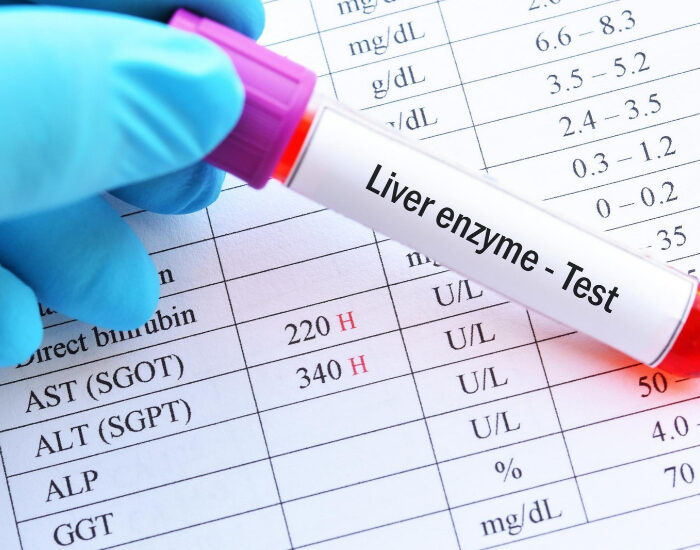
Additional imaging and laboratory testing may be performed after a diagnosis to determine the extent of disease and guide treatment.
A blood test alone cannot reliably rule out colon cancer.

Can Stool Tests Detect Colon Cancer?
Some stool-based tests can detect signs of colorectal cancer and are reasonable screening options for many average-risk adults. The fecal immunochemical test, or FIT, finds hidden blood and is done every year, while stool DNA tests look for abnormal DNA and blood. Any positive stool test needs a follow-up colonoscopy to find the source.
Examples include fecal immunochemical testing (FIT) and stool DNA-based testing.
These tests can be convenient, but they have different strengths and limitations compared with colonoscopy.
A positive stool-based screening test generally requires follow-up colonoscopy.
When Should Colon Symptoms Be Treated as Urgent?
Heavy rectal bleeding, black tarry stools, severe abdominal pain, fainting, severe weakness or signs of a bowel blockage need prompt medical attention. A blockage can cause belly swelling, vomiting and an inability to pass gas or stool. These symptoms should be treated as an emergency, and you should go to the nearest emergency room right away.
Do not wait for a routine appointment if you are experiencing significant bleeding or symptoms that suggest a potentially serious complication.
Emergency symptoms can include vomiting associated with severe abdominal swelling, inability to pass stool or gas, fainting or severe dizziness.
Can Colon Cancer Be Prevented?
Regular screening can prevent many colorectal cancers by finding and removing precancerous polyps before they turn into cancer. You can also lower your risk by staying active, keeping a healthy weight, not smoking, limiting alcohol and eating more fiber, fruits and vegetables with less red and processed meat. Prevention works best when screening starts on time.
Lifestyle habits may also support colorectal and overall health.
Maintaining a healthy body weight, staying physically active, avoiding tobacco, limiting excessive alcohol use and eating a balanced diet rich in fiber-containing foods can contribute to lower overall colorectal cancer risk.
However, healthy habits do not eliminate risk. Appropriate screening remains important.
Where can you get colorectal care in Cypress and Katy?
Dr. Muhammad Ali Khan at United Gastroenterology Associates provides colorectal care for patients in Cypress, Katy and nearby communities. If you have blood in your stool, unexplained bowel changes, persistent abdominal symptoms or another warning sign, an evaluation can determine the next step. The practice offers consultations, colonoscopy and follow-up care at both office locations.
Patients in Cypress, Katy and surrounding Houston-area communities can receive evaluation for gastrointestinal symptoms, colorectal screening and conditions affecting the digestive tract.
United Gastro TX provides gastroenterology services for patients with digestive health concerns, including colorectal conditions and screening.
The right evaluation depends on your age, symptoms, family history, previous screening and overall risk.
Don't Ignore Persistent Colorectal Symptoms
Blood in the stool, unexplained bowel changes, persistent abdominal discomfort or unexplained weight loss deserves attention. A gastroenterologist can help determine whether you need further testing or colorectal cancer screening.
Frequently Asked Questions About Colon Cancer Warning Signs
What is the most common warning sign of colon cancer?
Rectal bleeding or blood in the stool is one of the most common warning signs, along with a lasting change in bowel habits. Neither sign proves cancer, but both deserve a medical evaluation.
Is blood in the stool always a sign of colon cancer?
No, hemorrhoids and anal fissures are far more common causes of blood in the stool. A doctor should still evaluate new bleeding, because only testing can rule out cancer.
Can you have colon cancer without symptoms?
Yes, early colon cancer and precancerous polyps often cause no symptoms at all. Regular screening starting at age 45 is the best way to find them early.
When should I see a gastroenterologist in Cypress or Katy for colon cancer warning signs?
See a gastroenterologist if you notice rectal bleeding, a change in bowel habits that lasts more than a few weeks, or unexplained weight loss or anemia. United Gastroenterology Associates offers evaluation and colonoscopy at its Cypress and Katy offices.
What is the bottom line on colon cancer warning signs?
Colon cancer warning signs should not be ignored, but they should not be automatically read as a cancer diagnosis either. Most of these symptoms have harmless causes, yet only an evaluation can tell the difference. The best protection is to take lasting symptoms seriously, know your family history and start colorectal cancer screening on time.
Blood in the stool, persistent constipation or diarrhea, abdominal pain, unexplained weight loss and iron-deficiency anemia can have many causes. The key is recognizing when symptoms persist or occur together and getting appropriate medical evaluation.
Just as importantly, do not wait for symptoms before considering colorectal cancer screening. Colon cancer can develop silently, and screening can detect precancerous polyps before they become cancerous.
If you have a new or persistent colorectal symptom, a gastroenterologist can help determine what is causing it and whether colonoscopy or another diagnostic test is appropriate.
Medical Disclaimer: This article is for general educational purposes only and does not replace professional medical advice, diagnosis or treatment. If you have significant rectal bleeding, black stools, severe abdominal pain, fainting, severe weakness or other emergency symptoms, seek prompt medical attention.
What sources support this article?
- MedlinePlus — Colorectal cancer
- National Cancer Institute — Colorectal cancer
- USPSTF — Colorectal cancer screening
- American College of Gastroenterology — Colorectal cancer
Where can you see a gastroenterologist in Katy or Cypress?
United Gastroenterology Associates has two offices: Katy, at 23920 Katy Freeway, Suite 555, next to Memorial Hermann Katy Hospital, and Cypress, at 21216 Northwest Freeway, Suite 640, on US-290. Both are open Monday through Friday, 8:30 AM to 5:00 PM, closed for lunch from 12:00 to 1:30 PM, and serve patients from Fulshear, Richmond and across Greater Houston. Call (346) 340-4414 for either office.
Where is the Katy office?
23920 Katy Freeway, Suite 555
Katy, TX 77494
Memorial Hermann Medical Plaza 1
Where is the Cypress office?
21216 Northwest Freeway, Suite 640
Cypress, TX 77429
On US-290
What should you do next?
If you are dealing with colon cancer warning signs or any ongoing digestive concern, a focused evaluation can find the cause and start the right treatment. Dr. Muhammad Ali Khan and the team at United Gastroenterology Associates see adults from Katy, Cypress, Fulshear, Richmond, Greater Houston and across Texas. Call (346) 340-4414 or request an appointment today.
If you have severe pain, vomit blood, pass black stools or have chest pain, call 911 or go to the nearest emergency room.