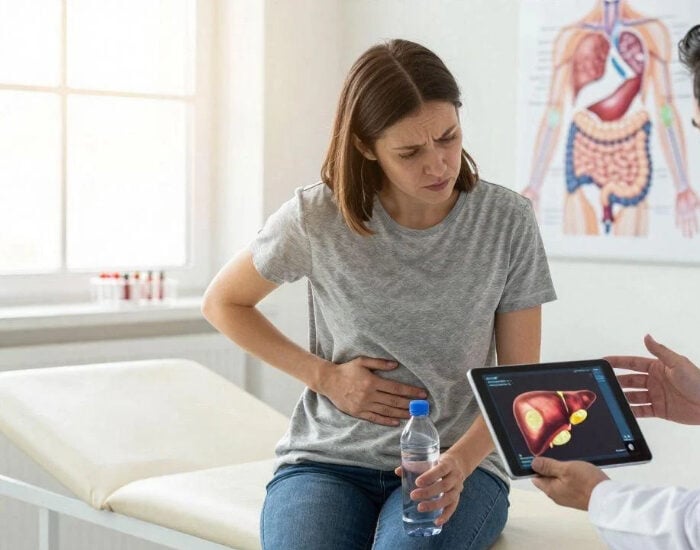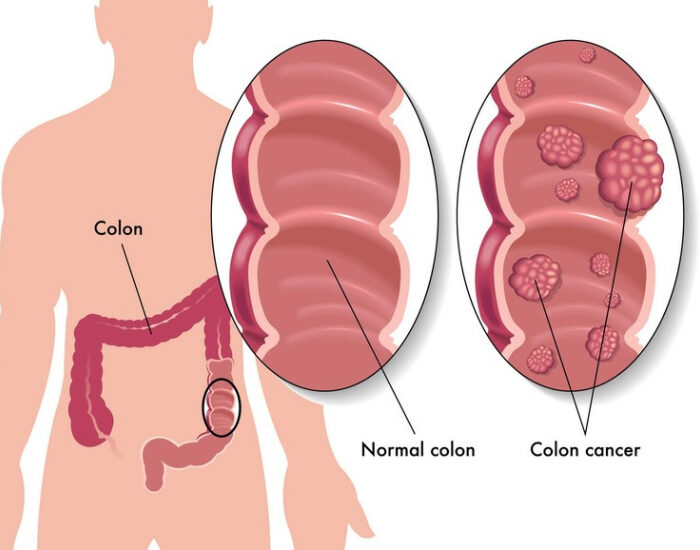
The good news is that finding fatty liver on an ultrasound does not automatically mean you have permanent liver damage. In many cases, fatty liver can be improved with the right evaluation, lifestyle changes, and medical guidance.
However, fatty liver should not simply be ignored. For some people, excess fat in the liver can trigger inflammation and gradually lead to fibrosis, which is the development of scar tissue. The important question after an ultrasound diagnosis is not only “Do I have fatty liver?” but also “How much does it affect my liver health?”
Understanding what your ultrasound result means, what tests may come next, and when to see a gastroenterologist or liver specialist can help you take the right steps early.
Important Note
A fatty liver diagnosis can feel overwhelming, but many people successfully improve their liver health when the condition is identified early. This guide explains what an ultrasound finding means, why additional evaluation may be needed, and how understanding your liver condition can help prevent future complications.
What Does Fatty Liver on Ultrasound Mean?
Fatty liver on ultrasound means that excess fat has accumulated inside your liver cells.
Your liver naturally contains some fat, but when too much fat builds up, it can change the appearance of the liver on imaging tests such as ultrasound.
During an ultrasound, doctors may describe findings such as:
- Increased liver echogenicity
- Fatty infiltration of the liver
- Mild, moderate, or severe fatty changes
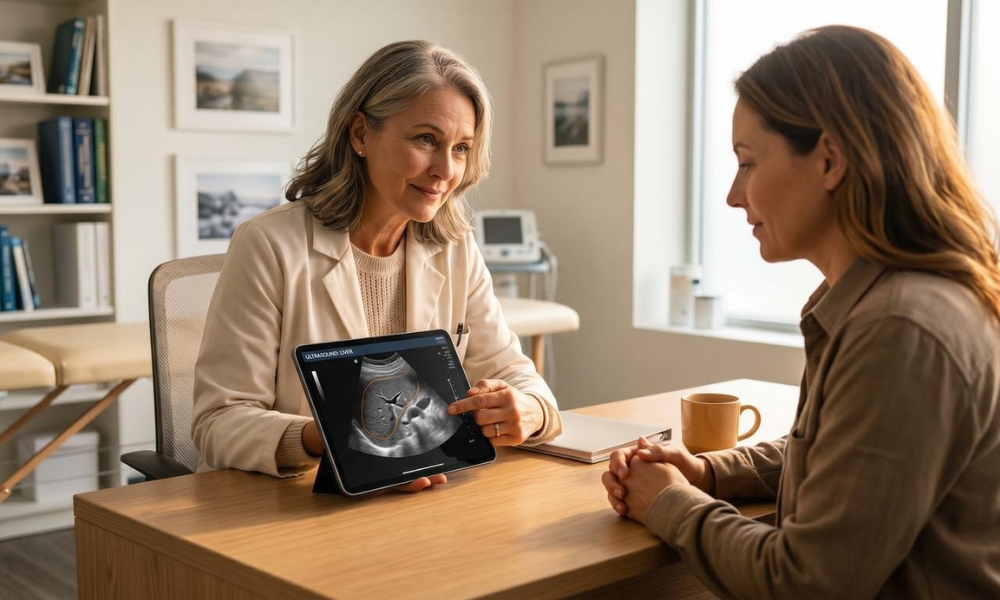
These terms generally indicate that fat accumulation is visible, but an ultrasound alone cannot always determine whether inflammation or scarring is present.
This is an important distinction because not everyone with fatty liver has the same level of risk.
What an Ultrasound Can and Cannot Tell You
| Ultrasound Can Help Show | Ultrasound May Not Fully Measure |
|---|---|
| Presence of fat accumulation in the liver | Amount of liver scarring (fibrosis) |
| Changes in liver appearance | Severity of inflammation |
| Possible liver enlargement | Future risk of progression |
This means the next step after a fatty liver ultrasound finding is usually not panic — it is evaluation.
Your doctor may want to understand:
-
- How much fat is present in the liver
- Whether liver inflammation may exist
- Whether fibrosis or scarring has developed
- What factors contributed to fatty liver
- What steps can reduce future risk
Is Fatty Liver Dangerous?
Fatty liver can range from a mild condition that improves with lifestyle changes to a condition that requires careful medical monitoring.
Many people discover they have fatty liver during an ultrasound performed for another reason, such as abdominal discomfort, routine testing, or evaluation of abnormal liver enzymes.
In the early stages, fatty liver may not cause noticeable problems. However, in some individuals, ongoing fat accumulation can lead to inflammation.
This progression may occur as follows:
- Fat accumulation in liver cells
- Liver inflammation
- Development of fibrosis (scar tissue)
- Advanced scarring or cirrhosis in some cases
Not everyone with fatty liver progresses through these stages. Many people remain stable or improve significantly when the underlying causes are addressed.
The goal of evaluation is to identify which category you fall into.
Why Does Fat Build Up in the Liver?
The liver plays a central role in processing nutrients, storing energy, and managing metabolism. When the body produces or receives more fat than the liver can effectively process, fat may accumulate inside liver cells.
Several factors can contribute to fatty liver development.
Insulin Resistance and Metabolic Health
One of the most common contributors to fatty liver is insulin resistance.
Insulin helps regulate how your body uses sugar for energy. When cells become less responsive to insulin, the body may store more fat, including within the liver.
Conditions commonly associated with insulin resistance include:
- Prediabetes
- Type 2 diabetes
- High cholesterol
- High triglycerides
- Metabolic syndrome
Weight and Body Composition
Being overweight can increase the likelihood of developing fatty liver, but body weight alone does not tell the entire story.
Some people with a normal body weight can still develop fatty liver due to genetics, diet, metabolic factors, or other health conditions.
Dietary Factors
Long-term eating patterns can influence liver fat accumulation.
Diets high in:
- Added sugars
- Sugary beverages
- Highly processed foods
- Excess calories
may contribute to increased fat storage in the liver.
Alcohol Exposure
Alcohol can also contribute to liver fat accumulation and inflammation.
Your doctor may discuss alcohol intake as part of your liver evaluation because understanding all possible contributors helps create the right treatment approach.
Different Types of Fatty Liver Disease
Fatty liver disease is not a single condition. Doctors consider different causes and risk factors when evaluating patients.
Metabolic Dysfunction-Associated Steatotic Liver Disease (MASLD)
MASLD is the newer medical term used for fatty liver disease associated with metabolic risk factors.
It is commonly linked with:
- Insulin resistance
- Diabetes
- High blood pressure
- High cholesterol
- Excess abdominal weight
Alcohol-Associated Liver Disease
Alcohol-related liver changes occur when alcohol exposure contributes to fat buildup and inflammation in the liver.
Evaluation helps determine whether alcohol is a contributing factor and what changes may support liver recovery.
Understanding which type of fatty liver you have helps your doctor recommend the most appropriate next steps.
What Should You Do After a Fatty Liver Diagnosis?
The next step after finding fatty liver on ultrasound is understanding how much it affects your liver health.
A common mistake patients make is assuming that an ultrasound showing fatty liver is either something to ignore completely or a sign of severe liver damage. The reality is usually somewhere in between.
The right follow-up depends on several factors, including your age, medical history, liver enzyme levels, metabolic health, symptoms, and whether there are signs that fibrosis may be developing.
After a fatty liver diagnosis, your healthcare provider may recommend several steps:
1. Review Your Liver Blood Tests
Your doctor may check or review liver-related blood tests to understand whether your liver is showing signs of inflammation or stress.
Common tests may include:
- ALT (alanine aminotransferase)
- AST (aspartate aminotransferase)
- Alkaline phosphatase
- Bilirubin
- Albumin
- Platelet count
These tests help provide a broader picture of liver health. A person can have fatty liver with normal liver enzymes, while another person may have elevated ALT or AST requiring additional evaluation.
2. Identify Your Risk Factors
Your doctor will look beyond the ultrasound image and evaluate factors that may contribute to fatty liver progression.
This may include discussing:
- Weight changes
- Blood sugar levels
- Diabetes or prediabetes
- Cholesterol levels
- Blood pressure
- Family history of liver disease
- Alcohol consumption
- Medications and supplements
This information helps create a personalized plan instead of using a one-size-fits-all approach.
3. Determine Whether Fibrosis Evaluation Is Needed
The most important question after a fatty liver diagnosis is often:
“Has fatty liver caused any scarring in my liver?”
Fibrosis refers to scar tissue that develops when the liver experiences ongoing injury or inflammation.
Some patients with fatty liver have little or no fibrosis, while others may have a higher risk of progression. Identifying fibrosis early allows doctors to recommend appropriate monitoring and treatment.
Why Your Doctor May Recommend FibroScan After a Fatty Liver Diagnosis
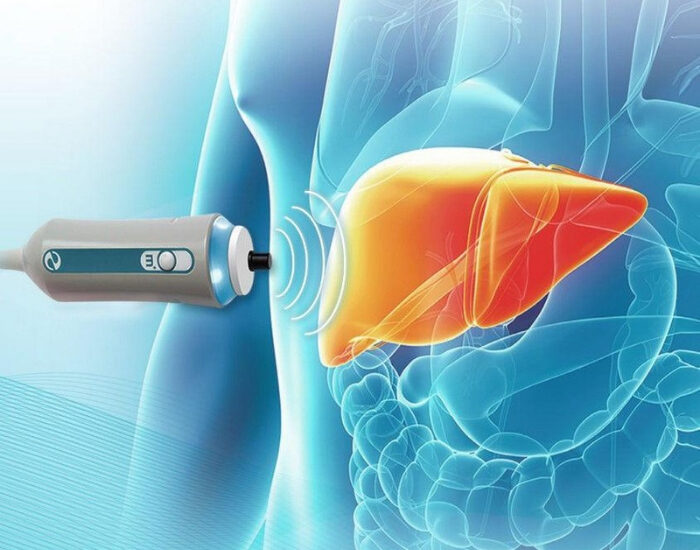
FibroScan is a non-invasive liver test that helps evaluate liver stiffness and fat levels.
After an ultrasound shows fatty liver, many patients want to know whether their liver is healthy or whether hidden damage may be present. FibroScan can provide additional information that a standard ultrasound cannot always show.
Unlike a traditional biopsy, FibroScan does not require removing a sample of liver tissue. Instead, it uses ultrasound-based technology to measure how easily vibrations move through the liver.
A FibroScan evaluation can help assess:
- Liver stiffness associated with fibrosis
- Degree of fat accumulation
- Possible risk of advanced liver disease
- Changes over time during monitoring
This makes FibroScan especially useful for patients with:
- Fatty liver found on ultrasound
- Elevated liver enzymes
- Diabetes or metabolic risk factors
- Chronic hepatitis history
- Concern for liver scarring
Learn more about FibroScan testing:
Have symptoms like these?
Dr. Muhammad Ali Khan, a board-certified gastroenterologist and hepatologist, sees adults at our Katy and Cypress offices, serving patients across Greater Houston.
Understanding Liver Fibrosis Risk
Many patients hear the word “fatty liver” and immediately worry about cirrhosis. While advanced liver disease is possible in some individuals, it is not the outcome for everyone.
The reason doctors focus on fibrosis is because scar tissue — not fat alone — is what determines long-term liver risk.
Fibrosis develops gradually when repeated liver injury causes the body to create scar tissue as part of the healing process.
Factors that may increase fibrosis risk include:
- Long-term uncontrolled diabetes
- Significant obesity
- Persistent abnormal liver enzymes
- Older age
- Chronic hepatitis infection
- Ongoing alcohol-related liver injury
- Family history of advanced liver disease
Early fibrosis may be reversible or manageable depending on the underlying cause. This is why early evaluation matters.
Important Note
A fatty liver diagnosis does not mean your liver is failing. Many patients improve their liver health significantly after identifying the cause and making appropriate changes. However, it is important not to assume that every case is harmless. A proper evaluation can show whether you simply need lifestyle support or whether additional liver monitoring is needed.
FibroScan Liver Elastography: What Patients Should Know
FibroScan is sometimes also called liver elastography because it evaluates the elasticity or stiffness of liver tissue.
A healthy liver is flexible. When fibrosis develops, liver tissue becomes stiffer.
During the test:
- You lie comfortably on an examination table
- A small probe is placed on the skin over the liver area
- The device sends gentle vibrations through the liver
- The machine calculates measurements related to stiffness and fat
The procedure is typically completed quickly and does not involve needles or anesthesia.
For patients diagnosed with fatty liver on ultrasound, elastography can answer important questions:
- Is there evidence of liver scarring?
- How closely should my liver be monitored?
- Are lifestyle changes improving my liver health?
- Do I need additional evaluation?
Learn more about liver elastography:
Symptoms of Fatty Liver Disease
Many people with fatty liver have no symptoms, especially during early stages.
This is why fatty liver is often discovered unexpectedly during an ultrasound performed for another reason.
Some people may experience:
- Fatigue
- Low energy
- Mild discomfort in the upper right side of the abdomen
- A feeling of fullness or pressure
- Difficulty losing weight
When fatty liver progresses to more advanced inflammation or scarring, symptoms may become more noticeable.
Possible warning signs include:
- Yellowing of the eyes or skin
- Abdominal swelling
- Leg swelling
- Confusion or unusual sleepiness
- Easy bruising or bleeding
- Severe persistent fatigue
These symptoms require medical evaluation because they may indicate more advanced liver concerns.
Lifestyle Changes That Support Liver Health
Lifestyle changes are one of the most important parts of fatty liver management.
The goal is not extreme dieting or unrealistic changes. Sustainable improvements that support metabolism and reduce liver stress are usually the most effective.
Focus on a Balanced Eating Pattern
A liver-friendly eating approach often includes:
- More vegetables and fruits
- High-quality protein sources
- Whole grains
- Healthy fats such as those found in nuts, fish, and olive oil
- Reduced intake of sugary beverages and highly processed foods
Maintain Regular Physical Activity
Exercise supports insulin sensitivity, weight management, and overall metabolic health.
Even moderate activity, such as walking regularly, can provide meaningful health benefits when performed consistently.
Manage Related Health Conditions
Controlling conditions such as diabetes, high cholesterol, and high blood pressure can play an important role in reducing liver disease risk.
Avoid Unnecessary Liver Stress
Discuss alcohol use, medications, and supplements with your healthcare provider. Some substances can affect liver health, and your doctor can help determine what is appropriate for your situation.
When Should You See a Liver Specialist After a Fatty Liver Diagnosis?
Not every person with fatty liver needs the same level of medical care, but some patients benefit from evaluation by a gastroenterologist or hepatologist.
If your ultrasound shows fatty liver, it is important to understand whether the condition is mild and manageable with lifestyle changes or whether additional monitoring is needed.
You should consider seeing a liver specialist if:
- Your liver enzymes remain elevated
- Your ultrasound shows significant fatty changes
- You have diabetes, obesity, or metabolic syndrome
- You have a family history of liver disease
- You have hepatitis risk factors
- You drink alcohol regularly and have abnormal liver tests
- You experience symptoms that may suggest advanced liver problems
- Your doctor recommends fibrosis evaluation
A liver specialist can help answer important questions such as:
- How serious is my fatty liver?
- Do I have liver inflammation or scarring?
- Do I need FibroScan or additional testing?
- What lifestyle changes are most important for my condition?
- How often should my liver be monitored?
The goal of specialist care is not only to treat existing liver problems but also to prevent future complications.
Get answers instead of guessing
Request a visit with Dr. Muhammad Ali Khan at our Katy and Cypress offices. Most major insurance plans are accepted and self-pay options are available.
How Hepatology Care Helps Patients With Fatty Liver
Hepatology focuses on diagnosing and treating diseases of the liver, gallbladder, and related digestive organs.
For patients with fatty liver, hepatology care involves looking at the complete picture rather than focusing only on ultrasound findings.
A liver specialist may evaluate:
- The amount of fat in the liver
- Possible liver inflammation
- Fibrosis risk
- Metabolic health factors
- Medication effects
- Other possible causes of liver abnormalities
This comprehensive approach helps ensure that important conditions are not missed and that treatment recommendations are personalized.
Fatty liver is closely connected with overall metabolic health. For this reason, liver care often includes coordination with your primary care provider and other healthcare specialists when needed.
Can Fatty Liver Be Reversed?
In many cases, fatty liver can improve, especially when the underlying causes are identified and addressed early.
The liver has a remarkable ability to repair itself. Reducing liver stress and improving metabolic health can help decrease fat accumulation and lower the risk of progression.
Factors that may improve fatty liver include:
- Gradual and sustainable weight loss when appropriate
- Regular physical activity
- Improved blood sugar control
- Managing cholesterol levels
- Following a balanced nutrition plan
- Avoiding unnecessary alcohol intake
- Following medical recommendations
However, improvement depends on several factors, including the severity of fatty liver, whether fibrosis is present, and the underlying cause.
This is why a proper evaluation is valuable. Two people may both have fatty liver on ultrasound but require very different follow-up plans.
How Is Fatty Liver Monitored Over Time?
Monitoring helps doctors understand whether your liver condition is stable, improving, or progressing.
Your follow-up plan may include:
- Repeat liver enzyme testing
- Periodic imaging when appropriate
- FibroScan monitoring
- Management of metabolic risk factors
- Regular follow-up appointments
The frequency of monitoring depends on your individual risk factors.
Someone with mild fatty liver and normal liver tests may require a different follow-up schedule than someone with elevated enzymes and signs of fibrosis risk.
Your healthcare provider will determine the most appropriate approach based on your specific situation.
Fatty Liver Care in Cypress and Katy, TX
If your ultrasound recently showed fatty liver, getting a professional evaluation can help you understand what the finding means and what steps should come next.
At United Gastroenterology Associates, PLLC, patients throughout Cypress, Katy, and the greater Houston area receive specialized digestive and liver care focused on accurate diagnosis, evidence-based treatment, and compassionate patient support.
The practice is led by Dr. Muhammad Ali Khan, MD, FACP, FASGE, a board-certified gastroenterologist and hepatologist specializing in digestive disorders and liver health.
Dr. Khan provides evaluation and management for a wide range of liver conditions, including:
- Fatty liver disease
- Abnormal liver enzyme results
- Liver fibrosis assessment
- Chronic liver disease
- Hepatitis-related conditions
- Cirrhosis monitoring
Patients with fatty liver may benefit from a comprehensive evaluation that includes reviewing laboratory results, assessing risk factors, and determining whether additional testing such as FibroScan is appropriate.
United Gastro TX offers advanced liver evaluation services designed to help patients understand their condition and create a personalized care plan.
Learn more about liver specialist care:
Liver Specialist Cypress and Katy TX
Learn more about hepatology services:
United Gastroenterology Associates
Cypress Location
21216 Northwest Freeway, Suite 640
Cypress, TX 77429
Katy Location
23920 Katy Fwy, Suite 555
Katy, TX 77494
Phone: (346) 340-4414
Office Hours: Monday-Friday
Frequently Asked Questions About Fatty Liver Found on Ultrasound
What should I do after finding fatty liver on ultrasound?
After a fatty liver diagnosis, the next step is usually evaluating your overall liver health. This may include reviewing liver blood tests, assessing risk factors, and determining whether additional testing such as FibroScan is needed to check for fibrosis.
Is fatty liver on ultrasound serious?
Fatty liver can range from a mild condition that improves with lifestyle changes to a condition requiring ongoing monitoring. The seriousness depends on whether inflammation or fibrosis is present.
Can fatty liver go away?
Many people can improve fatty liver by addressing the underlying causes, such as metabolic health issues, diet, physical activity, and other contributing factors. Improvement depends on individual circumstances.
Do I need FibroScan if my ultrasound shows fatty liver?
Not everyone requires FibroScan, but it may be recommended for patients who have risk factors for liver fibrosis, abnormal liver enzymes, or concerns about long-term liver health.
Can fatty liver cause elevated ALT and AST?
Yes. Fat accumulation in the liver can irritate liver cells and may contribute to elevated ALT and AST levels. However, normal liver enzymes do not always rule out fatty liver-related concerns.
What foods should I avoid with fatty liver?
Many patients benefit from reducing sugary beverages, excessive processed foods, and foods high in unhealthy fats while focusing on balanced nutrition. Your healthcare provider can help create recommendations based on your health needs.
What doctor treats fatty liver disease?
A gastroenterologist or hepatologist specializes in liver conditions and can evaluate fatty liver, abnormal liver tests, fibrosis risk, and treatment options.
Can fatty liver turn into cirrhosis?
In some individuals, ongoing liver inflammation can lead to fibrosis and eventually advanced scarring. However, many people with fatty liver do not progress to cirrhosis, especially when the condition is identified and managed early.
Medical Disclaimer
This article is intended for educational purposes only and does not replace medical advice, diagnosis, or treatment from a qualified healthcare professional.
If your ultrasound shows fatty liver, abnormal liver tests, or you have concerns about your liver health, schedule an evaluation with a gastroenterologist or liver specialist.
Early assessment can help identify risks, protect liver function, and support better long-term health outcomes.
Schedule your liver consultation with United Gastroenterology Associates in Cypress or Katy, TX.
Call (346) 340-4414 today.
Where to be seen in Katy and Cypress
United Gastroenterology Associates has two offices: Katy, at 23920 Katy Freeway, Suite 555, next to Memorial Hermann Katy Hospital, and Cypress, at 21216 Northwest Freeway, Suite 640, on US-290. Both are open Monday through Friday, 8:30 AM to 5:00 PM, closed for lunch from 12:00 to 1:30 PM, and serve patients from Fulshear, Richmond and across Greater Houston. Call (346) 340-4414 for either office.
Katy office
23920 Katy Freeway, Suite 555
Katy, TX 77494
Memorial Hermann Medical Plaza 1
Next steps
If you are dealing with fatty liver on ultrasound or any ongoing digestive concern, a focused evaluation can find the cause and start the right treatment. Dr. Muhammad Ali Khan and the team at United Gastroenterology Associates see adults from Katy, Cypress, Fulshear, Richmond, Greater Houston and across Texas. Call (346) 340-4414 or request an appointment today.
If you have severe pain, vomit blood, pass black stools or have chest pain, call 911 or go to the nearest emergency room.