
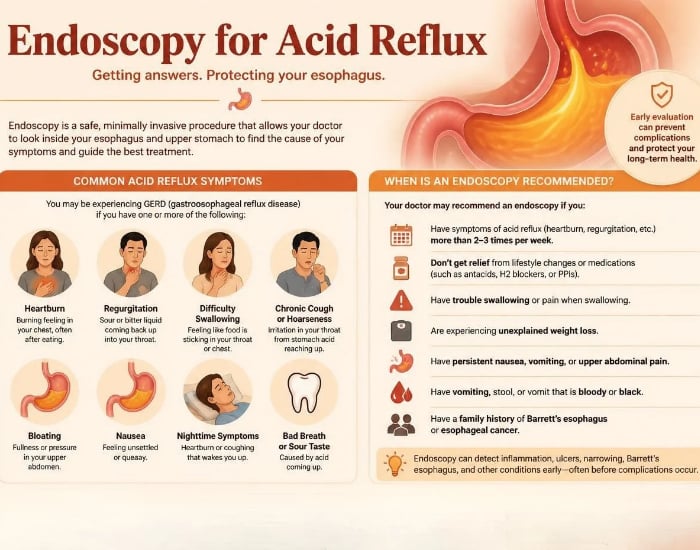
Acid reflux is common, and occasional heartburn does not necessarily mean you need an endoscopy. But when reflux symptoms become frequent, persistent, difficult to control, or are accompanied by certain warning signs, your gastroenterologist may recommend an upper endoscopy to look more closely at your esophagus and stomach.
So, when is an endoscopy recommended for acid reflux? In general, an upper endoscopy may be appropriate when symptoms do not improve with initial treatment, when the diagnosis is uncertain, or when there are symptoms that could indicate complications such as esophageal inflammation, narrowing or Barrett’s esophagus. The procedure allows a gastroenterologist to directly examine the upper digestive tract and, when necessary, obtain tissue samples for further evaluation.
Knowing why an endoscopy may be recommended can make the process less intimidating. It also helps distinguish ordinary occasional heartburn from reflux symptoms that deserve a more thorough medical evaluation.
Important Note
Persistent heartburn should not automatically be dismissed as something you simply have to live with. Many cases of acid reflux can be managed effectively, but ongoing symptoms may sometimes signal irritation or complications in the esophagus. If your reflux keeps returning, interferes with sleep or daily life, or comes with trouble swallowing, bleeding or unexplained weight loss, talk with a qualified healthcare professional rather than trying to diagnose the cause yourself.
What Is an Endoscopy for Acid Reflux?
An upper endoscopy, also called an EGD, is a procedure that allows a gastroenterologist to directly examine the esophagus, stomach and first part of the small intestine.
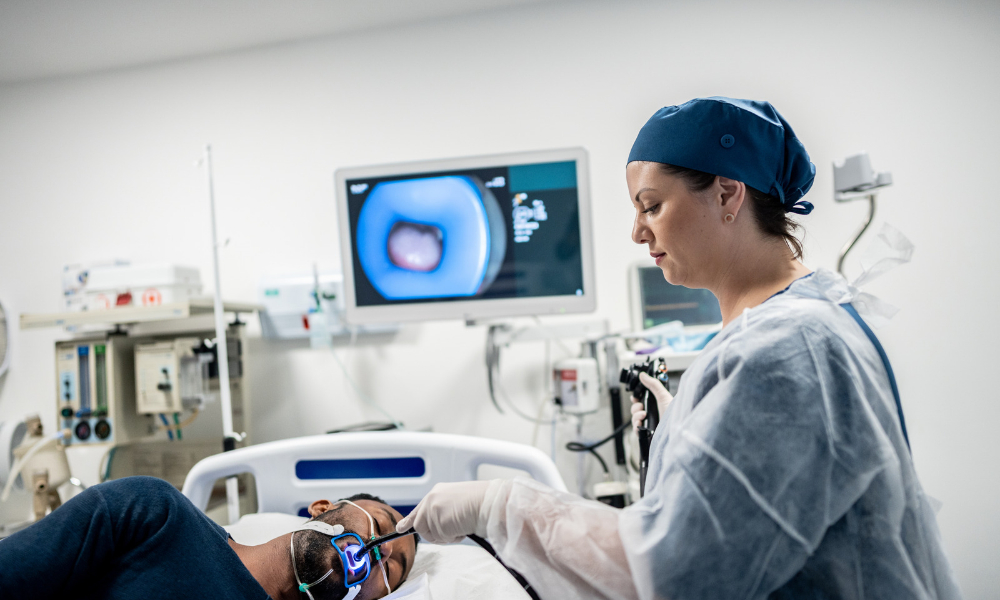
During an upper endoscopy, a thin, flexible instrument with a camera is gently guided through the mouth and into the upper digestive tract. The physician can examine the lining of the esophagus and look for inflammation, irritation, narrowing, ulcers, abnormal tissue and other changes.
For someone with persistent acid reflux, one of the main goals is to determine whether repeated exposure to stomach contents has caused visible injury to the esophagus.
An endoscopy does not have to be performed simply because someone experiences heartburn occasionally. In many people, acid reflux can initially be diagnosed and managed based on symptoms and medical history. Endoscopy becomes more useful when there is a specific reason to look inside the upper digestive tract.
When Is an Endoscopy Recommended for Acid Reflux?
An endoscopy may be recommended when acid reflux is persistent, difficult to control, associated with warning symptoms, or when your gastroenterologist needs to evaluate possible complications.
The decision is individualized. Your physician may consider how often you experience reflux, how long you have had symptoms, whether treatment has helped, your age and medical history, and whether you have symptoms that require additional investigation.
Some of the most common situations in which an upper endoscopy may be considered include persistent GERD symptoms despite treatment, difficulty swallowing, painful swallowing, gastrointestinal bleeding, unexplained anemia, recurrent vomiting, unexplained weight loss or other concerning symptoms.
An endoscopy may also be recommended when your doctor wants to evaluate the esophagus for complications of chronic gastroesophageal reflux disease.
Can Persistent Acid Reflux Require an Endoscopy?
Yes. Persistent or troublesome reflux may be one reason your gastroenterologist considers an upper endoscopy.
Occasional heartburn after a large meal is different from heartburn that occurs repeatedly or continues despite appropriate treatment. If symptoms remain troublesome, the doctor may want to determine whether there is inflammation or another condition contributing to your symptoms.
However, persistent symptoms do not automatically mean that an endoscopy will reveal damage. Some people have significant reflux symptoms without obvious injury on endoscopy, while others may have esophageal changes with relatively mild symptoms.
This is one reason medical evaluation is more useful than trying to judge the severity of reflux based only on how the symptoms feel.
When Is Endoscopy Recommended If Reflux Medication Is Not Working?
If acid reflux symptoms continue despite appropriate treatment, your doctor may consider additional evaluation.
Before recommending an endoscopy, a gastroenterologist may review how you are taking medication, when your symptoms occur, what foods or activities trigger them and whether another condition could be causing similar symptoms.
If symptoms continue despite treatment, an upper endoscopy can help look for visible causes such as esophagitis, a narrowing of the esophagus or other abnormalities.
Depending on the situation, your physician may also consider other testing for reflux or other gastrointestinal conditions. The right test depends on the clinical question being asked.
What Acid Reflux Warning Signs Mean You May Need an Endoscopy?
Certain symptoms deserve more attention because they can indicate something beyond uncomplicated heartburn.
Difficulty swallowing is one particularly important symptom. If food feels like it is sticking in your throat or chest, or swallowing has gradually become harder, an upper endoscopy may be recommended to examine the esophagus.
Other concerning symptoms can include painful swallowing, gastrointestinal bleeding, vomiting blood, black or tarry stools, unexplained anemia, persistent vomiting and unexplained weight loss.
These symptoms do not automatically mean that a serious disease is present. They simply mean that your healthcare provider may need more information before deciding how best to manage your symptoms.
Why Is Difficulty Swallowing Important With Acid Reflux?
Difficulty swallowing, or dysphagia, should not be ignored, particularly when it is new, progressive or persistent.
Long-standing reflux can sometimes contribute to inflammation and scarring in the esophagus. In some people, this may lead to narrowing that makes swallowing more difficult.
An upper endoscopy allows the gastroenterologist to directly examine the esophageal lining and determine whether there is a structural problem, inflammation or another abnormality.
If you experience a sensation that food is becoming stuck, particularly if it is getting worse over time, discuss it with your physician.
For more information, see our guide to difficulty swallowing and dysphagia.
What Is the Connection Between GERD and Endoscopy?
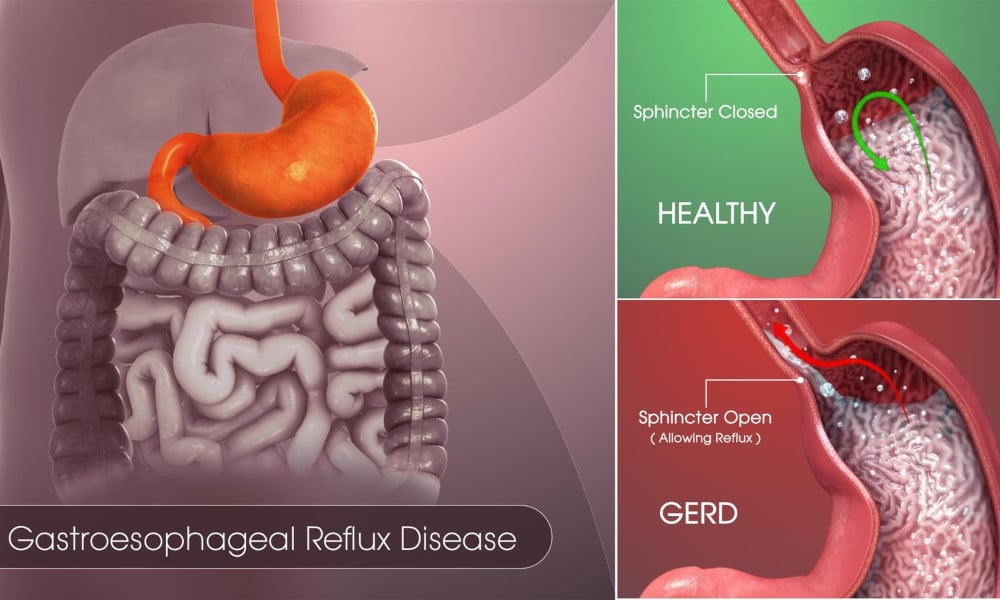
GERD, or gastroesophageal reflux disease, is chronic or troublesome acid reflux that can sometimes cause complications in the esophagus.
When stomach contents repeatedly move upward into the esophagus, they can irritate the esophageal lining. Some people develop visible inflammation, while others may experience symptoms without obvious damage.
An upper endoscopy can help identify complications and evaluate the condition of the upper digestive tract when there is a clinical reason to do so.
It is important to understand that endoscopy is not required for every person with GERD. Many people can be diagnosed and treated without undergoing an invasive procedure.
To learn more about the condition itself, visit our page about gastroesophageal reflux disease.
Can an Endoscopy Detect Esophagitis?
Yes. An upper endoscopy can identify visible inflammation of the esophageal lining, known as esophagitis.
Esophagitis can have several possible causes, including reflux. When acid or other stomach contents repeatedly contact the esophagus, irritation can develop.
The severity of visible inflammation can vary. Your gastroenterologist may document what is seen during the procedure and determine whether additional treatment or follow-up is appropriate.
In some circumstances, tissue samples may also be obtained to investigate other potential causes of esophageal symptoms.
Can Acid Reflux Cause Barrett’s Esophagus?
Long-standing gastroesophageal reflux can be associated with Barrett’s esophagus, a condition involving changes in the lining of the lower esophagus.
Barrett’s esophagus does not mean that a person has cancer. However, it can be associated with an increased risk of developing esophageal adenocarcinoma compared with people without the condition.
Because Barrett’s esophagus may not cause obvious symptoms beyond those associated with reflux, some patients may be evaluated based on their individual risk factors and clinical history.
If Barrett’s esophagus is suspected or identified, your gastroenterologist can explain whether biopsies, surveillance or additional treatment are appropriate.
Can an Endoscopy Find an Ulcer?
Yes. Upper endoscopy can identify many ulcers involving the esophagus, stomach or duodenum.
Ulcers can have different causes, including certain medications and infections, as well as other factors. An endoscopy can help determine where an ulcer is located and whether there are signs of bleeding or other complications.
If an ulcer is found, your physician can recommend treatment based on the suspected cause and your medical history.
Can Heartburn Be Caused by Something Other Than GERD?
Yes. Heartburn-like symptoms can have several possible causes.
Acid reflux and GERD are common explanations, but symptoms such as burning in the chest, upper abdominal discomfort, throat irritation or regurgitation can sometimes overlap with other gastrointestinal conditions.
Some people also have functional gastrointestinal disorders in which symptoms occur without obvious structural damage.
This is why persistent or unusual symptoms should be discussed with a healthcare professional instead of assuming that every episode of chest or upper abdominal burning is simply acid reflux.
Important Note
Finding no major abnormality on an endoscopy can still be useful information. Not every person with reflux symptoms has visible esophageal damage, and a normal-looking esophagus does not mean your symptoms are imaginary. Your gastroenterologist may use the endoscopy results together with your symptoms, medical history and other testing to determine what is happening.
What Can an Endoscopy Detect in Someone With Acid Reflux?
An upper endoscopy can provide a close view of the upper digestive tract and may identify several conditions or complications.
Depending on the patient, findings may include:
- Esophagitis or inflammation of the esophagus
- Changes associated with Barrett’s esophagus
- Esophageal narrowing or stricture
- Ulcers
- Gastritis
- Upper gastrointestinal bleeding
- Abnormal tissue or growths
- Other structural abnormalities
Not every abnormality found during an endoscopy is caused by acid reflux. The physician interprets the findings in the context of the patient’s symptoms and medical history.
Can a Gastroenterologist Take a Biopsy During an Endoscopy?
Yes. A gastroenterologist can take small tissue samples during an upper endoscopy when medically appropriate.
A biopsy does not necessarily mean that cancer is suspected. Tissue samples can be used to investigate inflammation, Barrett’s esophagus, celiac disease, infection and other conditions.
The sample is sent to a pathology laboratory, where it is examined under a microscope. Results are generally reviewed after the procedure rather than immediately during the examination.
How Do You Prepare for an Endoscopy for Acid Reflux?
Preparation for an upper endoscopy is usually centered around fasting.
Your procedure center will give you specific instructions about when to stop eating and drinking. You may also need to discuss medications with your healthcare team, particularly blood thinners, diabetes medications and other medicines that could affect the procedure.
Do not change prescription medications on your own. Follow the individualized instructions provided by your medical team.
You can also review the EGD preparation instructions before your appointment.
What Happens During an Endoscopy for Acid Reflux?
During an upper endoscopy, the gastroenterologist guides a flexible camera through the mouth and into the esophagus, stomach and duodenum.
Medication is commonly used to help patients remain comfortable and relaxed. The healthcare team monitors you throughout the procedure.
The gastroenterologist carefully examines the digestive tract lining. If necessary, biopsies can be obtained or certain abnormalities can be treated.
After the examination is complete, the endoscope is removed and you are taken to a recovery area while the effects of sedation wear off.
Does an Endoscopy for Acid Reflux Hurt?
Most patients are given medication designed to make the procedure comfortable.
You may notice a temporary sore throat, bloating or mild discomfort afterward. The experience varies from person to person, and your care team will explain the sedation approach before the procedure.
If you are worried about discomfort, tell your medical team. Understanding the process beforehand can make the experience considerably less stressful.
What Is Recovery Like After an Endoscopy?
Recovery is generally brief when there are no complications.
You may experience temporary throat irritation, bloating or mild digestive discomfort. If sedation was used, you may feel tired or less alert for several hours.
You should follow your facility’s instructions regarding driving, work, medications, food and other activities after the procedure.
If you develop severe pain, significant bleeding, difficulty breathing, persistent vomiting, fever or another concerning symptom after an endoscopy, contact your medical team or seek appropriate medical care.
Does Everyone With Acid Reflux Need an Endoscopy?
No. Most people with occasional heartburn do not automatically need an endoscopy.
Doctors often begin with a medical history, symptom assessment and appropriate treatment. An upper endoscopy is considered when there is a specific clinical reason to examine the upper digestive tract.
The decision may depend on the severity and duration of symptoms, response to treatment, warning signs and individual risk factors.
That distinction is important. An endoscopy is a valuable diagnostic and therapeutic tool, but it is not necessary for every person who experiences reflux.
What Is the Difference Between Occasional Heartburn and GERD?
Occasional heartburn can happen to many people, particularly after large meals or foods that trigger reflux.
GERD refers to a more persistent or troublesome pattern of reflux that may require medical management.
Symptoms can include heartburn, regurgitation, chest discomfort, sour-tasting fluid in the mouth, nighttime symptoms and other digestive or throat complaints.
If symptoms are frequent or interfering with sleep, work, eating or everyday activities, talk with a healthcare professional about appropriate evaluation.
Can Lifestyle Changes Help Acid Reflux?
Lifestyle measures can help some people reduce reflux symptoms, although the most effective approach varies from person to person.
Some patients find that identifying and avoiding individual food triggers helps. Eating smaller meals, avoiding lying down immediately after eating and maintaining a healthy weight when appropriate may also help reduce symptoms in some individuals.
Nighttime reflux may improve for some people by changing meal timing and elevating the head of the bed.
These measures do not replace medical evaluation when warning symptoms are present.
How Is Acid Reflux Treated?
GERD treatment depends on the severity of symptoms, the presence of complications and your overall health.
Treatment may involve lifestyle changes, medications that reduce or control stomach acid, or other approaches in selected patients.
If symptoms continue despite treatment, your gastroenterologist may reassess the diagnosis and determine whether additional testing, including endoscopy, is appropriate.
For patients looking for more information about treatment options, see our acid reflux treatment resource.
When Is Acid Reflux a Medical Emergency?
Chest pain should never automatically be assumed to be acid reflux.
If you experience sudden, severe or unexplained chest pain—particularly if it is accompanied by shortness of breath, sweating, dizziness, weakness, pain spreading to the arm or jaw, or other concerning symptoms—seek emergency medical evaluation.
Gastroesophageal reflux can cause chest burning, but heart-related conditions can sometimes feel similar. It is safer to have concerning chest symptoms evaluated than to assume they are caused by GERD.
Endoscopy for Acid Reflux in Cypress, Katy and the Houston Area
If persistent acid reflux is interfering with your daily life or you have been advised to consider an upper endoscopy, a gastroenterologist can help determine whether the procedure is appropriate.
United Gastro TX provides gastroenterology services for patients in Cypress, Katy and the surrounding Houston area. Learn more about endoscopy in Cypress, TX or endoscopy near Katy, TX.
Patients can also learn more about EGD and upper endoscopy and the broader range of gastroenterology procedures available.
Persistent Acid Reflux? Know When to Get Evaluated
If heartburn keeps coming back, does not improve with appropriate treatment, or is accompanied by difficulty swallowing, bleeding, weight loss or other warning symptoms, talk with a gastroenterologist about your evaluation options.
Frequently Asked Questions
When should I get an endoscopy for acid reflux?
An endoscopy may be recommended when reflux symptoms are persistent, difficult to control, associated with warning symptoms such as difficulty swallowing or bleeding, or when your gastroenterologist needs to evaluate possible complications.
Does everyone with GERD need an endoscopy?
No. Many people with GERD can be diagnosed and managed without endoscopy. The procedure is generally considered when there is a specific clinical reason to examine the upper digestive tract.
Can an endoscopy show acid reflux?
An endoscopy can show certain complications or visible changes associated with reflux, such as esophagitis or Barrett’s esophagus. However, some people with reflux symptoms have a normal-appearing esophagus.
Can an endoscopy detect GERD?
An upper endoscopy can provide important information when evaluating GERD, especially when complications are suspected. However, not every person with GERD will have visible abnormalities during endoscopy.
Can an endoscopy show damage from acid reflux?
Yes. An upper endoscopy can identify visible inflammation, narrowing, ulcers and certain other changes that may be associated with chronic reflux.
Can acid reflux cause esophagitis?
Yes. Repeated exposure of the esophagus to stomach contents can cause inflammation known as reflux esophagitis.
Can acid reflux cause Barrett’s esophagus?
Chronic GERD is associated with Barrett’s esophagus, a condition in which the lining of the lower esophagus changes. If it is suspected or identified, your gastroenterologist can explain appropriate follow-up.
Is an endoscopy painful?
Medication is commonly used to help patients remain comfortable during an upper endoscopy. Temporary throat irritation or bloating may occur afterward.
How long does an endoscopy take?
The examination itself is often relatively short, although the total appointment takes longer because of preparation, sedation and recovery.
Can an endoscopy find the cause of heartburn?
It can identify certain structural problems and complications that may contribute to symptoms, but not every cause of heartburn is visible during endoscopy. Your physician may recommend additional testing when appropriate.
What happens if my endoscopy is normal but I still have reflux symptoms?
A normal endoscopy does not mean your symptoms are not real. Some patients have reflux symptoms without visible esophageal injury. Your gastroenterologist may consider your symptoms, medical history and other diagnostic tests when determining the next step.
The Bottom Line
An endoscopy is not automatically necessary for everyone with acid reflux. For many people, occasional heartburn can be managed without an invasive procedure. But persistent symptoms, treatment-resistant reflux or warning signs can change the situation.
An upper endoscopy gives a gastroenterologist a direct view of the esophagus, stomach and duodenum. It can help identify inflammation, narrowing, ulcers, Barrett’s esophagus and other abnormalities, and it can allow biopsies or certain treatments when appropriate.
If your heartburn is becoming a regular part of your life, you are having trouble swallowing, you notice bleeding, you are losing weight without trying or your symptoms are not improving with appropriate treatment, don’t simply keep putting it off. A conversation with a gastroenterologist can help determine whether an endoscopy or another form of evaluation makes sense for you.
Medical Disclaimer: This article is intended for general educational purposes and does not replace personalized medical advice, diagnosis or treatment. The need for endoscopy varies from person to person. Always discuss persistent or concerning symptoms with a qualified healthcare professional. Seek urgent medical evaluation for severe or unexplained chest pain, significant bleeding, difficulty breathing or other emergency symptoms.