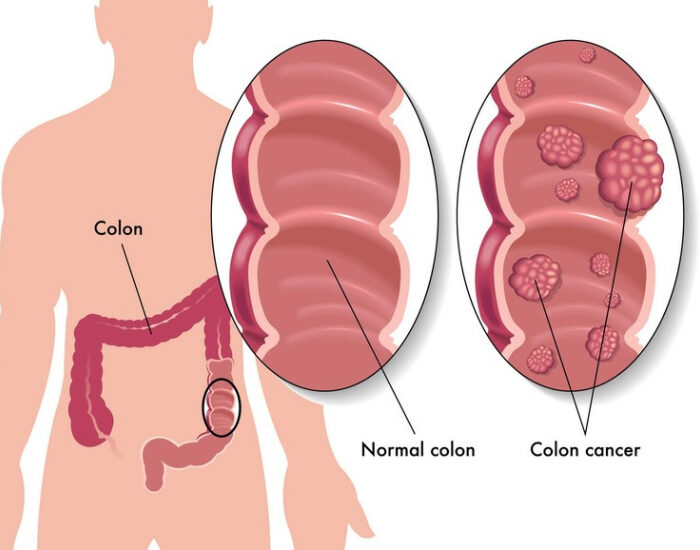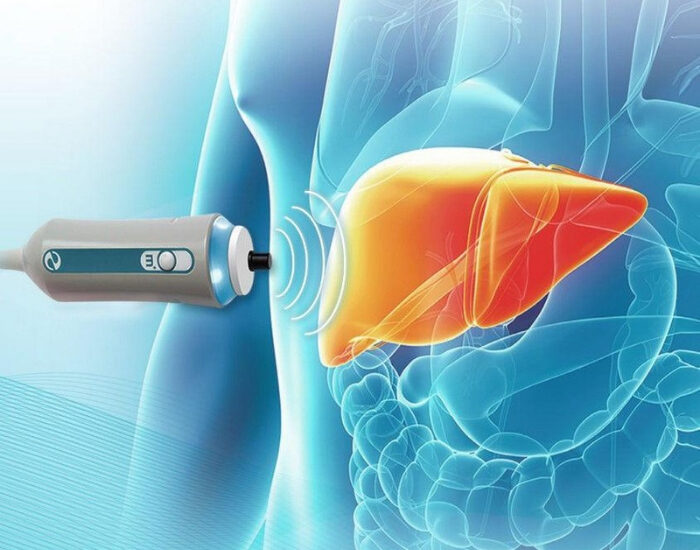
Difficulty swallowing, medically known as dysphagia, can have many causes, and an upper endoscopy is one of the important tests doctors may use to find out what is happening. An endoscopy can allow a gastroenterologist to examine the esophagus, stomach and upper portion of the small intestine, look for narrowing or inflammation, identify certain abnormalities and take tissue samples when necessary.
Not everyone with swallowing difficulty needs an endoscopy. The right evaluation depends on whether the problem involves solids, liquids or both, how long it has been occurring, whether symptoms are getting worse, and whether other symptoms such as weight loss, bleeding, chest pain or food getting stuck are present.
Important Note
Difficulty swallowing should not be something you simply learn to live with, especially when it is recurring or getting worse. Sometimes the cause is manageable, such as acid reflux or a medication-related irritation. In other cases, swallowing problems may be related to an esophageal narrowing, inflammation, a motility disorder or another condition that deserves medical attention. Understanding the pattern of your symptoms is an important first step toward getting the right evaluation.
What Is Difficulty Swallowing or Dysphagia?
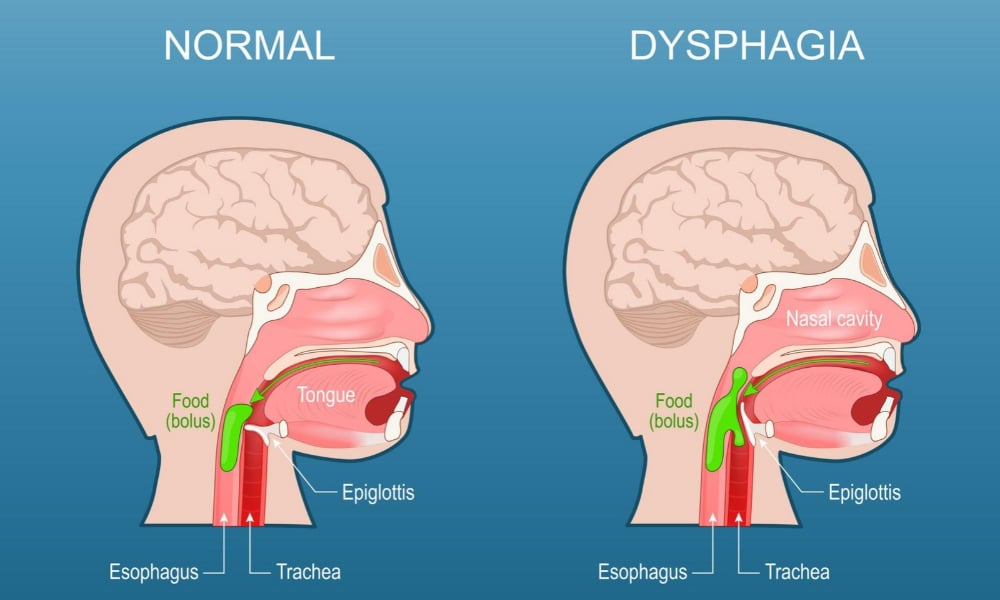
Dysphagia is the medical term for difficulty moving food or liquid from the mouth through the throat and esophagus into the stomach.
It can feel different from person to person. Some people describe a sensation that food is sticking in the throat. Others feel pressure or discomfort behind the breastbone after swallowing. Some notice that solid food, particularly meat or bread, seems to move slowly. Others have trouble swallowing liquids.
Occasionally, people use the phrase “difficulty swallowing” when they actually mean something different, such as a lump-in-the-throat sensation. That feeling, known as globus sensation, does not necessarily mean food is physically blocked.
Because several different problems can produce similar sensations, describing exactly what happens when you swallow can help your physician determine what needs to be investigated.
When Is an Endoscopy Needed for Difficulty Swallowing?
An upper endoscopy may be recommended when dysphagia is persistent, unexplained, worsening, associated with food getting stuck, or accompanied by other concerning symptoms.
An upper endoscopy, also called esophagogastroduodenoscopy or EGD, uses a thin, flexible tube with a camera to examine the upper digestive tract.
The procedure allows the gastroenterologist to directly inspect the lining of the esophagus, stomach and duodenum. If an abnormal area is seen, small tissue samples can be collected for laboratory analysis.
Endoscopy can be particularly useful when the physician suspects a structural problem in the esophagus, inflammation, narrowing, a ring or web, eosinophilic esophagitis, or another condition that cannot be diagnosed from symptoms alone.
However, an endoscopy is only one possible part of a dysphagia evaluation. Depending on the symptoms, a swallowing study, barium esophagram or esophageal manometry may also be considered.
Why Should Persistent Difficulty Swallowing Be Evaluated?
Persistent difficulty swallowing can interfere with nutrition, hydration and quality of life, and it may sometimes signal an underlying esophageal condition that requires treatment.
A person with dysphagia may gradually change the way they eat without realizing it. You might begin choosing softer foods, taking smaller bites, chewing for much longer or avoiding foods that previously caused trouble.
Over time, this can affect how much you eat and drink.
Some people also become anxious around meals because they are worried that food will become stuck. That concern can make eating less enjoyable and may cause someone to avoid restaurants or social events.
When swallowing difficulty is recurring, identifying the underlying cause can help prevent the problem from becoming a larger disruption to daily life.
Does It Matter Whether You Have Trouble Swallowing Solids or Liquids?
Yes. Whether dysphagia affects solids, liquids or both can provide useful clues about the possible cause.
Difficulty swallowing solid foods can sometimes suggest a narrowing or other structural problem within the esophagus. For example, inflammation from reflux can lead to scar tissue and narrowing over time.
Difficulty swallowing both solids and liquids may raise greater concern for an esophageal motility problem, although symptoms can overlap and this pattern is not enough by itself to establish a diagnosis.
Some people initially have trouble with solid foods and later develop difficulty with liquids as the underlying problem progresses.
For this reason, your gastroenterologist may ask very specific questions about the consistency of foods that cause symptoms.
What Causes Difficulty Swallowing?
Common causes of dysphagia include acid reflux-related narrowing, eosinophilic esophagitis, esophageal rings or webs, inflammation, motility disorders and neurological or muscular conditions.
The cause can originate in different parts of the swallowing process.
Some swallowing problems occur in the mouth or throat. Others involve the esophagus, the muscular tube that carries food from the throat to the stomach.
When the problem appears to originate in the esophagus, a gastroenterologist may be involved in the evaluation.
Can GERD Cause Difficulty Swallowing?
Yes. Long-standing gastroesophageal reflux disease, or GERD, can cause inflammation and scarring in the esophagus that may make swallowing difficult.
Repeated exposure to stomach acid can irritate the lining of the esophagus. In some people, chronic inflammation can eventually contribute to a narrowing called an esophageal stricture.
Food may then have difficulty passing through the narrowed area.
GERD can also cause other symptoms, including heartburn, regurgitation, sour taste, chronic cough and chest discomfort.
Difficulty swallowing should not automatically be assumed to be “just reflux,” however. New or persistent dysphagia deserves appropriate evaluation, particularly when it is getting worse.
Learn more about GERD and acid reflux care.
What Is an Esophageal Stricture?
An esophageal stricture is a narrowing of the esophagus that can make it harder for food to pass into the stomach.
One of the more common causes of an esophageal stricture is chronic acid reflux.
Patients may notice that food seems to stick in a predictable location. Meat, bread and other solid foods may be particularly difficult to swallow.
An endoscopy can help identify the narrowing and determine its location and severity.
In selected cases, the gastroenterologist may be able to treat the narrowing during the same procedure by carefully widening the narrowed area.
Can Eosinophilic Esophagitis Cause Dysphagia?
Yes. Eosinophilic esophagitis, often called EoE, is an inflammatory condition of the esophagus that can cause difficulty swallowing and food impaction.
EoE involves an increased number of eosinophils, a type of white blood cell, within the esophageal tissue.
Symptoms can include difficulty swallowing, food sticking, chest discomfort and, in some people, heartburn-like symptoms that do not respond adequately to standard acid-reducing treatment.
An important feature of EoE is that the diagnosis generally requires biopsies of the esophagus. The lining can sometimes look relatively normal even when microscopic inflammation is present.
That is why an upper endoscopy with appropriate biopsies can be an important part of the evaluation.
What If Food Gets Stuck in Your Esophagus?
If food becomes completely stuck and you cannot swallow saliva or liquids, this can require urgent medical attention.
Food impaction can occur in people with an underlying esophageal narrowing, ring, eosinophilic esophagitis or another structural problem.
Some people describe the experience as sudden and frightening. They may be able to breathe normally but cannot get the food to pass or cannot swallow their own saliva.
If you are unable to swallow saliva, are drooling, have significant breathing difficulty or feel that an obstruction is completely blocking the esophagus, seek emergency medical care rather than waiting for a routine appointment.
Can Esophageal Rings or Webs Cause Difficulty Swallowing?
Yes. Esophageal rings and webs are thin structures that can narrow the passageway and make solid foods difficult to swallow.
A Schatzki ring, for example, is a ring-like narrowing near the lower part of the esophagus. It can cause intermittent difficulty swallowing solid food.
A person may feel completely normal between episodes, which can make the problem easy to ignore.
Endoscopy can help identify certain structural abnormalities and may provide an opportunity for treatment when appropriate.
Get answers instead of guessing
Request a visit with Dr. Muhammad Ali Khan at our Katy and Cypress offices. Call the office to check your insurance coverage; self-pay options are available.
Can Achalasia Cause Difficulty Swallowing?
Achalasia is an esophageal motility disorder that can cause difficulty swallowing both food and liquids.
The lower esophageal sphincter does not relax normally, and the muscles of the esophagus may not move food toward the stomach effectively.
Symptoms may include difficulty swallowing, regurgitation of undigested food, chest discomfort, coughing or weight loss.
Endoscopy may be used to rule out structural causes and examine the esophagus, but specialized testing such as esophageal manometry is generally important for confirming a diagnosis of achalasia.
What Are Esophageal Motility Disorders?
Esophageal motility disorders occur when the muscles or nerves responsible for moving food through the esophagus do not function normally.
Examples include achalasia and other disorders involving abnormal contractions or impaired relaxation.
These conditions can cause difficulty swallowing, chest discomfort or the sensation that food is moving unusually slowly.
Because motility disorders involve how the esophagus functions rather than simply how it looks, an endoscopy may not provide the complete answer.
Your gastroenterologist may recommend esophageal manometry, which measures pressure and muscle activity within the esophagus.
What Symptoms Can Occur Along With Dysphagia?
Difficulty swallowing can occur alone or alongside other digestive symptoms.
Common associated symptoms include:
- Food feeling stuck in the throat or chest
- Regurgitation of food or liquid
- Heartburn
- Chest discomfort when swallowing
- Coughing during or after swallowing
- Choking or throat clearing
- Unexplained weight loss
- Repeated vomiting
- Hoarseness or voice changes
- Difficulty swallowing pills
- Food coming back up after eating
The combination of symptoms can be more informative than any one symptom by itself.
When Is Difficulty Swallowing a Warning Sign?
Difficulty swallowing becomes more concerning when it is progressive, associated with weight loss or bleeding, causes food to become stuck, or occurs with significant chest pain or other serious symptoms.
Seek prompt medical attention if you experience:
- Food becoming completely stuck
- Inability to swallow saliva or liquids
- Difficulty breathing associated with swallowing problems
- Vomiting blood
- Black or tarry stools
- Unexplained or significant weight loss
- Progressively worsening swallowing difficulty
- Severe chest pain
- Persistent vomiting
These symptoms do not automatically mean that a serious disease is present. They indicate that delaying evaluation may not be appropriate.
Important Note
Difficulty swallowing can feel alarming, but it does not automatically mean something dangerous is happening. Conditions such as reflux-related narrowing, eosinophilic esophagitis and other treatable problems can cause dysphagia. The important thing is not to guess at the cause. If swallowing problems are persistent, worsening or accompanied by warning signs, let a qualified healthcare professional determine what evaluation is appropriate.
What Happens During an Endoscopy for Difficulty Swallowing?
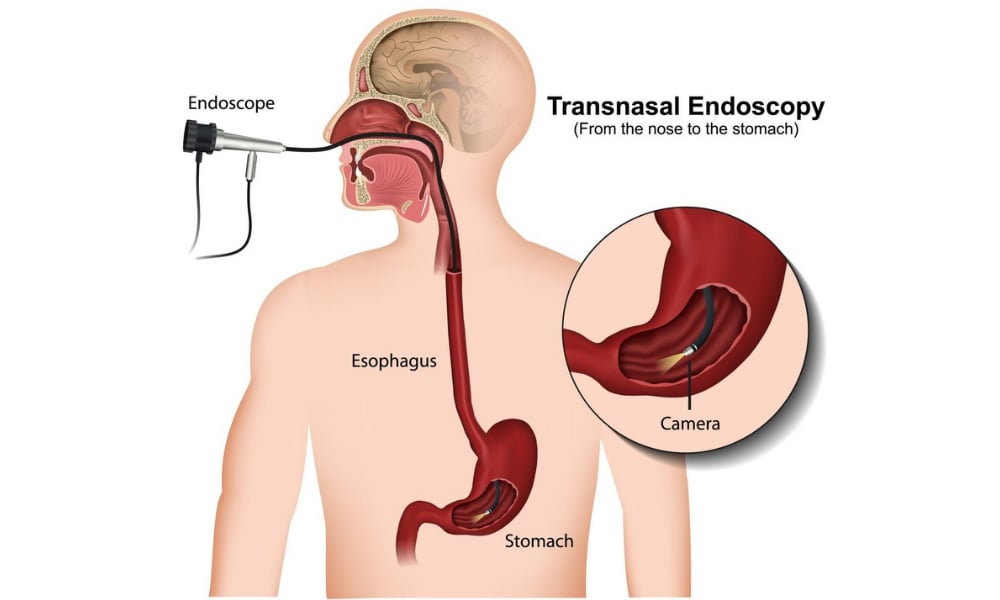
During an upper endoscopy, a gastroenterologist uses a thin flexible camera to examine the esophagus, stomach and duodenum.
Before the procedure, patients typically receive instructions about fasting and medications.
Medication is generally given to help you relax and remain comfortable during the examination.
The endoscope is carefully passed through the mouth and into the upper digestive tract. The physician examines the lining for inflammation, narrowing, rings, abnormal tissue and other findings.
If needed, small biopsies can be taken.
These tissue samples are generally painless because the digestive tract does not sense biopsies in the same way skin does.
The procedure itself is usually relatively brief, although the total time at the facility is longer because of preparation and recovery.
Why Are Biopsies Sometimes Needed During Endoscopy?
Biopsies allow doctors to examine tissue under a microscope and identify abnormalities that cannot always be seen with the camera.
This is especially important when conditions such as eosinophilic esophagitis are being considered.
Biopsies may also be taken when there are areas of inflammation or other changes that require microscopic evaluation.
A normal-looking esophagus does not always mean the tissue is completely normal at the microscopic level.
Is a Barium Swallow the Same as an Endoscopy?
No. A barium swallow and an upper endoscopy are different tests that provide different types of information.
During a barium swallow or esophagram, you swallow a contrast material while X-ray images are taken. The test can show how the esophagus moves and can identify certain structural abnormalities.
An endoscopy provides a direct visual examination of the digestive tract and allows biopsies to be taken.
Depending on your symptoms, your physician may recommend one test or both.
What Is Esophageal Manometry?
Esophageal manometry measures the pressure and muscle contractions within the esophagus during swallowing.
It is particularly useful when a motility disorder such as achalasia is suspected.
Unlike endoscopy, which primarily evaluates the structure and lining of the digestive tract, manometry evaluates function.
That distinction is important because someone can have a normal-looking esophagus but still have a significant swallowing disorder.
How Does a Gastroenterologist Diagnose Dysphagia?
Dysphagia diagnosis begins with a detailed history and physical examination, followed by testing based on the suspected location and cause of the swallowing problem.
Your physician may ask whether the problem occurs with solids, liquids or both. They may ask whether food feels stuck in the throat or chest, whether symptoms occur immediately after swallowing, whether you have reflux and whether the problem has been getting worse.
Age, medical history, medications and previous gastrointestinal problems can also influence the evaluation.
Possible tests include an upper endoscopy, barium swallow, modified barium swallow, esophageal manometry and other studies.
How Is Difficulty Swallowing Treated?
Treatment depends entirely on the cause of dysphagia.
If acid reflux is contributing to inflammation or narrowing, treatment may focus on controlling reflux and healing the esophageal lining.
If an esophageal stricture is present, an endoscopic dilation may be considered.
Eosinophilic esophagitis may require dietary therapy, medications or other targeted treatment.
Motility disorders such as achalasia may require specialized therapies designed to improve the passage of food through the lower esophageal sphincter.
If the swallowing problem originates in the throat or involves neurological or muscular issues, speech-language pathology and other specialists may become part of the treatment team.
The key is treating the underlying problem rather than simply trying to make swallowing easier temporarily.
What If You Have Both Heartburn and Difficulty Swallowing?
Heartburn combined with difficulty swallowing deserves medical attention because reflux can sometimes cause esophageal inflammation or narrowing.
Occasional heartburn is common, but dysphagia is a symptom that changes the evaluation.
If you have been treating reflux on your own and are now developing difficulty swallowing, speak with a healthcare professional rather than simply increasing medications without guidance.
An upper endoscopy may be appropriate depending on your age, symptom history and other risk factors.
Why Is Weight Loss With Dysphagia Concerning?
Unintentional weight loss can indicate that swallowing difficulty is affecting nutrition or that an underlying condition needs further evaluation.
Someone may begin eating less because meals have become uncomfortable or frightening. Alternatively, an underlying digestive condition may affect appetite or nutrient intake.
Unexplained weight loss together with progressive dysphagia is an important reason to seek medical evaluation promptly.
Does Age Affect the Need for Endoscopy?
Age is one factor doctors consider when evaluating dysphagia, but it is not the only one.
The significance of swallowing difficulty depends on the complete clinical picture, including how long symptoms have been present, whether they are progressing, whether there are alarm symptoms and whether there are relevant personal or family risk factors.
Your physician can determine whether an endoscopy or another test is appropriate for your particular situation.
Can Difficulty Swallowing Be Prevented?
Some causes of dysphagia can be reduced or managed, but not every cause can be prevented.
Managing chronic acid reflux may reduce the risk of complications associated with long-standing esophageal inflammation.
Taking medications exactly as prescribed and following appropriate swallowing instructions for pills can also help reduce irritation in certain circumstances.
For people with known eosinophilic esophagitis or another chronic esophageal condition, following the recommended treatment plan can reduce the likelihood of recurrent symptoms.
Most importantly, recurring swallowing difficulty should not be ignored simply because symptoms temporarily improve.
Dysphagia and Endoscopy Care in Cypress, Katy and the Houston Area
If swallowing has become uncomfortable, unpredictable or difficult, getting an evaluation can provide clarity. Patients in Cypress, Katy and surrounding Houston-area communities can seek specialized gastroenterology care for persistent digestive symptoms, including difficulty swallowing and conditions affecting the esophagus.
United Gastro TX provides gastroenterology evaluation and treatment for patients experiencing dysphagia and related digestive conditions. Depending on your symptoms, a gastroenterologist can determine whether an upper endoscopy or another diagnostic test is appropriate.
You can learn more about dysphagia specialist care and upper endoscopy services.
Having Trouble Swallowing?
Recurring difficulty swallowing should not be something you simply work around. If food feels stuck, swallowing is becoming progressively harder, or your symptoms are affecting your ability to eat comfortably, a gastroenterology evaluation can help determine what is causing the problem.
Contact United Gastro TX to discuss your swallowing symptoms
Frequently Asked Questions About Difficulty Swallowing and Endoscopy
When should I see a gastroenterologist for difficulty swallowing?
You should consider seeing a gastroenterologist when difficulty swallowing is persistent, recurring, worsening or interfering with eating and drinking. Prompt evaluation is especially important if food gets stuck, you have unexplained weight loss, bleeding, persistent vomiting or other concerning symptoms.
Does difficulty swallowing always require an endoscopy?
No. Some people with dysphagia may need a barium swallow, swallowing evaluation, esophageal manometry or another test instead of—or in addition to—an endoscopy. The appropriate test depends on the suspected cause.
What does an endoscopy look for when you have trouble swallowing?
An upper endoscopy can look for esophageal inflammation, strictures, rings, webs, abnormal tissue, narrowing and other structural problems. It also allows biopsies to be taken when conditions such as eosinophilic esophagitis are suspected.
Can acid reflux cause difficulty swallowing?
Yes. Chronic GERD can cause inflammation and, in some cases, scarring and narrowing of the esophagus. Persistent difficulty swallowing in someone with reflux should be evaluated rather than assumed to be routine heartburn.
Can anxiety cause difficulty swallowing?
Anxiety and stress can influence throat sensations and swallowing awareness, and some people experience a lump-in-the-throat sensation during periods of stress. However, persistent or true difficulty moving food or liquids should not automatically be attributed to anxiety without appropriate evaluation.
What does dysphagia feel like?
Dysphagia can feel like food is sticking in the throat or chest, food is moving slowly, swallowing requires extra effort, or liquids and solids are difficult to pass. The exact sensation varies depending on the underlying cause.
Why does food feel stuck in my chest?
Food may feel stuck in the chest when there is narrowing, inflammation or abnormal movement of the esophagus. An esophageal stricture, ring, eosinophilic esophagitis or a motility disorder can cause this sensation.
What if food gets stuck and will not go down?
If food becomes completely stuck and you cannot swallow saliva or liquids, seek urgent medical attention. A complete food impaction may require prompt removal by a medical professional.
Can eosinophilic esophagitis cause trouble swallowing?
Yes. Difficulty swallowing and food getting stuck are important symptoms of eosinophilic esophagitis. Diagnosis typically involves an upper endoscopy with biopsies.
Can a narrowing of the esophagus be treated during endoscopy?
In appropriate cases, an esophageal narrowing can be treated with endoscopic dilation. The specific approach depends on the cause, location and severity of the narrowing.
Is an upper endoscopy painful?
Patients are generally given medication to promote comfort and relaxation during an upper endoscopy. You may have a mild sore throat or temporary bloating afterward, but your healthcare team will provide specific preparation and recovery instructions.
Can difficulty swallowing be a sign of cancer?
Difficulty swallowing can occur with esophageal cancer, but there are many more common and treatable causes of dysphagia. Progressive swallowing difficulty, particularly when associated with unexplained weight loss or bleeding, should be evaluated promptly so the cause can be identified.
What tests are used to diagnose dysphagia?
Depending on the symptoms, testing may include upper endoscopy, barium esophagram, modified barium swallow, esophageal manometry and other studies. Your gastroenterologist will determine which test is most appropriate.
Should I see a doctor if I only have trouble swallowing occasionally?
Occasional symptoms may not always indicate a serious problem, but recurring difficulty swallowing is worth discussing with a healthcare professional, particularly if the episodes are becoming more frequent or involve solid foods getting stuck.
The Bottom Line: When Is an Endoscopy Needed for Dysphagia?
Difficulty swallowing should not automatically lead to an endoscopy, but persistent, progressive or unexplained dysphagia often warrants evaluation by a gastroenterologist.
An upper endoscopy can provide valuable information about the esophagus and upper digestive tract. It can identify inflammation, narrowing, rings and other structural abnormalities, while biopsies can help diagnose conditions such as eosinophilic esophagitis.
At the same time, endoscopy does not diagnose every swallowing disorder. If a motility problem is suspected, additional testing such as esophageal manometry may be necessary.
The most useful thing you can do is pay attention to the pattern. Does food stick? Is it only solid food, or do liquids cause problems too? Are symptoms becoming more frequent? Are you losing weight? Do you have reflux, chest discomfort, vomiting or bleeding?
Those details help your physician determine what may be happening and which diagnostic approach makes sense.
If swallowing has become consistently difficult, uncomfortable or unpredictable, you do not have to guess at the cause. A proper evaluation can help identify the problem and guide appropriate treatment.
Medical Disclaimer: This article is intended for general educational purposes only and does not replace professional medical advice, diagnosis or treatment. If you cannot swallow saliva or liquids, have significant difficulty breathing, severe chest pain, vomiting blood or another medical emergency, seek immediate medical attention.
Sources
Where to be seen in Katy and Cypress
United Gastroenterology Associates has two offices: Katy, at 23920 Katy Freeway, Suite 555, next to Memorial Hermann Katy Hospital, and Cypress, at 21216 Northwest Freeway, Suite 640, on US-290. Both are open Monday through Friday, 8:30 AM to 5:00 PM, closed for lunch from 12:00 to 1:30 PM, and serve patients from Fulshear, Richmond and across Greater Houston. Call (346) 340-4414 for either office.
Katy office
23920 Katy Freeway, Suite 555
Katy, TX 77494
Memorial Hermann Medical Plaza 1
Next steps
If you are dealing with difficulty swallowing or any ongoing digestive concern, a focused evaluation can find the cause and start the right treatment. Dr. Muhammad Ali Khan and the team at United Gastroenterology Associates see adults from Katy, Cypress, Fulshear, Richmond, Greater Houston and across Texas. Call (346) 340-4414 or request an appointment today.
If you have severe pain, vomit blood, pass black stools or have chest pain, call 911 or go to the nearest emergency room.