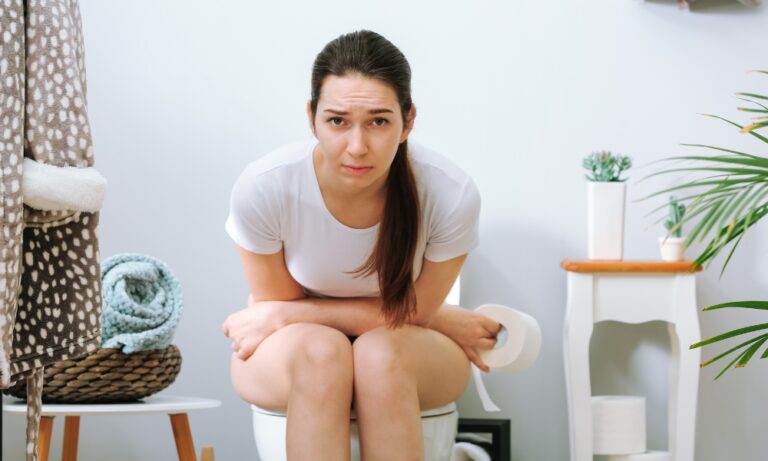
What is chronic constipation?
Dr. Khan defines chronic constipation as having hard, lumpy or difficult-to-pass stools, straining, a feeling of incomplete emptying, or fewer than three bowel movements a week for at least three months. It can be primary, caused by how the colon or pelvic floor works, or secondary, caused by medicines, diet, hormones or another condition. Many people have both slow transit and problems with how they empty.
Three main types of chronic constipation
- Normal transitThe colon moves normally but stools are hard and difficult to pass; the most common type.
- Slow transitStool moves through the colon more slowly than normal.
- Pelvic floor dysfunctionPelvic muscles tighten instead of relaxing, making it hard to empty.
What causes ongoing constipation?
Ongoing constipation, which Dr. Khan evaluates at our Cypress and Katy offices, is commonly caused by low fiber and fluid intake, inactivity, ignoring the urge to go, medicines such as opioids, iron, calcium, some antidepressants, blood pressure medicines and antacids, pelvic floor dysfunction, irritable bowel syndrome, pregnancy, hypothyroidism, diabetes, high calcium and neurological conditions.
Less often, a narrowing or growth in the colon is responsible, especially when constipation is new in someone over 45.
| Cause | Clues |
|---|---|
| Diet and lifestyle | Low fiber, low fluid, little activity |
| Medicines | Started after a new prescription or supplement |
| Pelvic floor dysfunction | Straining with soft stool, needing to press or reposition |
| IBS with constipation | Abdominal pain linked to bowel movements, bloating |
| Hormone or metabolic | Fatigue, cold intolerance (thyroid), diabetes, high calcium |
| Structural problem | New constipation after 45, bleeding, thinner stools, weight loss |
Have symptoms like these?
Dr. Muhammad Ali Khan, a board-certified gastroenterologist and hepatologist, sees adults at our Katy and Cypress offices, serving patients across Greater Houston.
What treatments help chronic constipation?
Treatment for chronic constipation usually starts with fiber, especially soluble fiber such as psyllium, plenty of fluid, activity and a regular bathroom routine. Osmotic laxatives such as polyethylene glycol are often next. When these are not enough, prescription medicines that draw fluid into the intestine or speed movement can help, and biofeedback-based pelvic floor therapy is highly effective for pelvic floor dysfunction.
- Fiber, ideally soluble fiber like psyllium, increased gradually
- Fluids through the day and daily physical activity
- A regular routine after breakfast, with a footstool
- Osmotic laxatives used as directed
- Prescription medicines when over-the-counter options fail
- Pelvic floor therapy with biofeedback for dyssynergia
Start with our guides on natural remedies for constipation and foods that relieve constipation.
Tip: Track stool form
Note how often you go and whether stools are hard pellets, lumpy, smooth or loose. Pair it with notes on straining. These details help your doctor tell slow transit from an emptying problem.
When does chronic constipation need testing?
Chronic constipation needs testing when it does not improve with fiber and laxatives, when there are warning signs such as bleeding, weight loss or anemia, when it is a new change after age 45, or when straining and incomplete emptying suggest a pelvic floor problem. Tests may include blood work, colonoscopy, anorectal manometry to check pelvic floor coordination, and studies that measure how fast stool moves through the colon.
See a doctor promptly for
- Blood in the stool or black stools
- Unexplained weight loss or iron-deficiency anemia
- New constipation after age 45, or a family history of colon cancer
- Severe pain, vomiting or a swollen belly
How does a gastroenterologist manage chronic constipation?
A gastroenterologist reviews your history, diet and medicines, examines you, including a rectal exam, and orders tests when needed. The plan is then matched to the type of constipation: fiber and medicine for normal or slow transit, pelvic floor therapy for dyssynergia, treatment of underlying conditions, and safer alternatives to constipating medicines when possible. Follow-up adjusts treatment until you are comfortable.
Dr. Muhammad Ali Khan performs or arranges anorectal manometry and colonoscopy. Learn when constipation becomes a concern.
Get answers instead of guessing
Request a visit with Dr. Muhammad Ali Khan at our Katy and Cypress offices. Call the office to check your insurance coverage; self-pay options are available.
What are the key takeaways?
- Chronic constipation lasts at least three months and has several types with different treatments.
- Diet, medicines, pelvic floor dysfunction and IBS are common causes.
- Soluble fiber, fluids, activity and osmotic laxatives are first-line treatments.
- Prescription medicines and pelvic floor therapy help when first-line steps fail.
- Bleeding, weight loss or new constipation after 45 needs prompt evaluation.
Frequently Asked Questions
Is it safe to take laxatives every day?
Osmotic laxatives such as polyethylene glycol are generally safe for daily long-term use under a doctor's guidance. Stimulant laxatives are best used occasionally unless your doctor advises otherwise.
What is pelvic floor dysfunction?
Pelvic floor dysfunction is poor coordination of the muscles used to pass stool, which makes emptying difficult even when stool is soft. It is treated with pelvic floor physical therapy and biofeedback.
Can chronic constipation be cured?
Many people get lasting relief once the cause is found and treated. Others manage it well long term with diet, laxatives and, when needed, prescription medicine.
Do I need a referral to see a gastroenterologist in Katy or Cypress?
Many PPO plans and traditional Medicare do not require a referral, while HMO plans usually do. United Gastroenterology Associates can check your plan before you schedule.
What sources support this article?
- NIDDK — Constipation
- NIDDK — Treatment for constipation
- MedlinePlus — Constipation
- American College of Gastroenterology — Constipation
Where can you see a gastroenterologist in Katy or Cypress?
United Gastroenterology Associates has two offices: Katy, at 23920 Katy Freeway, Suite 555, next to Memorial Hermann Katy Hospital, and Cypress, at 21216 Northwest Freeway, Suite 640, on US-290. Both are open Monday through Friday, 8:30 AM to 5:00 PM, closed for lunch from 12:00 to 1:30 PM, and serve patients from Fulshear, Richmond and across Greater Houston. Call (346) 340-4414 for either office.
Where is the Katy office?
23920 Katy Freeway, Suite 555
Katy, TX 77494
Memorial Hermann Medical Plaza 1
Where is the Cypress office?
21216 Northwest Freeway, Suite 640
Cypress, TX 77429
On US-290
What should you do next?
If you are dealing with chronic constipation or any ongoing digestive concern, a focused evaluation can find the cause and start the right treatment. Dr. Muhammad Ali Khan and the team at United Gastroenterology Associates see adults from Katy, Cypress, Fulshear, Richmond, Greater Houston and across Texas. Call (346) 340-4414 or request an appointment today.
If you have severe pain, vomit blood, pass black stools or have chest pain, call 911 or go to the nearest emergency room.