What causes ulcerative colitis?
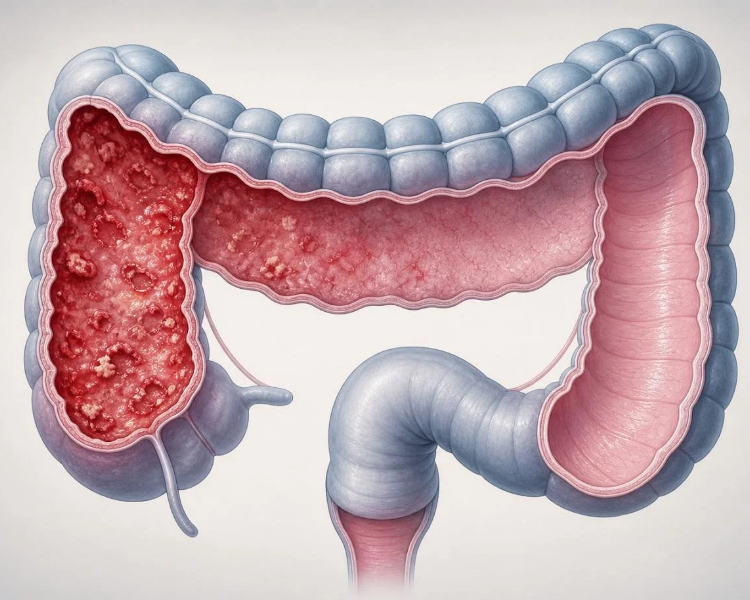
The exact cause of ulcerative colitis is not known. Researchers believe it develops when the immune system overreacts to bacteria in the colon in people with a genetic tendency, combined with environmental factors. This abnormal immune response causes ongoing inflammation of the colon lining. Ulcerative colitis is not caused by stress or diet, although both can affect symptoms.
Ulcerative colitis causes: three factors working together
- GenesA family history of IBD raises risk.
- Immune responseThe immune system attacks the colon lining instead of calming down.
- Environment and microbiomeGut bacteria, infections and modern lifestyle factors play a role.
Who is at risk for ulcerative colitis?
Ulcerative colitis most often starts between ages 15 and 30, with a second smaller peak after 60. Risk is higher if a parent, sibling or child has IBD, and it is more common in people of Ashkenazi Jewish descent. Living in urban or industrialized areas is linked to higher rates. Interestingly, former smokers have a higher risk than current smokers, but smoking is never recommended because of its other harms.
What triggers ulcerative colitis flares?
Common flare triggers include stopping or missing medication, gut infections such as C. difficile, NSAID pain relievers like ibuprofen and naproxen, some antibiotics, and stress. Certain foods may worsen symptoms during a flare without causing the disease. Keeping track of possible triggers and staying on maintenance treatment are the best ways to reduce flares.
| Factor | Causes UC? | Can worsen symptoms? |
|---|---|---|
| Genetics and family history | Raises risk | No |
| Immune system dysfunction | Yes, core mechanism | Yes |
| Gut bacteria imbalance | Likely contributes | Yes |
| Stress | No | Yes |
| Diet | No proven cause | Yes, during flares |
| NSAIDs and some antibiotics | No | Yes |
Have symptoms like these?
Dr. Muhammad Ali Khan, a board-certified gastroenterologist and hepatologist, sees adults at our Katy and Cypress offices, serving patients across Greater Houston.
What are the symptoms of ulcerative colitis?
The main symptoms are diarrhea, often with blood or mucus, rectal bleeding, an urgent need to have a bowel movement, cramping abdominal pain and a feeling of incomplete emptying. Severe cases can cause fever, weight loss, fatigue and anemia. Symptoms often come and go in flares and periods of remission. Read more about signs of intestinal inflammation in ulcerative colitis.
Seek care quickly if you have
- Heavy rectal bleeding or passing clots
- More than six bloody stools a day
- Fever, a racing heart or severe abdominal pain
- A swollen, tender belly
- Signs of dehydration, dizziness or fainting
How is ulcerative colitis diagnosed?
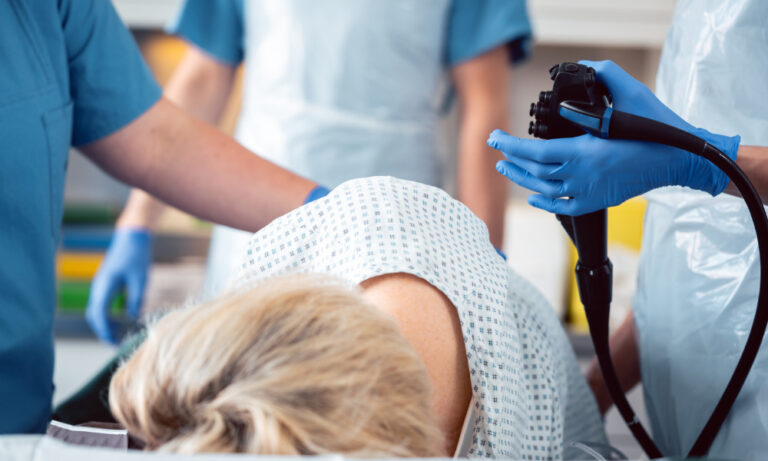
Ulcerative colitis is diagnosed with a colonoscopy and biopsies, which show the pattern of continuous inflammation starting in the rectum. Blood tests check for anemia and inflammation, and stool tests rule out infection and measure calprotectin, an inflammation marker. These tests also separate ulcerative colitis from Crohn's disease and infectious colitis. Learn about colonoscopy in ulcerative colitis.
How is ulcerative colitis treated?
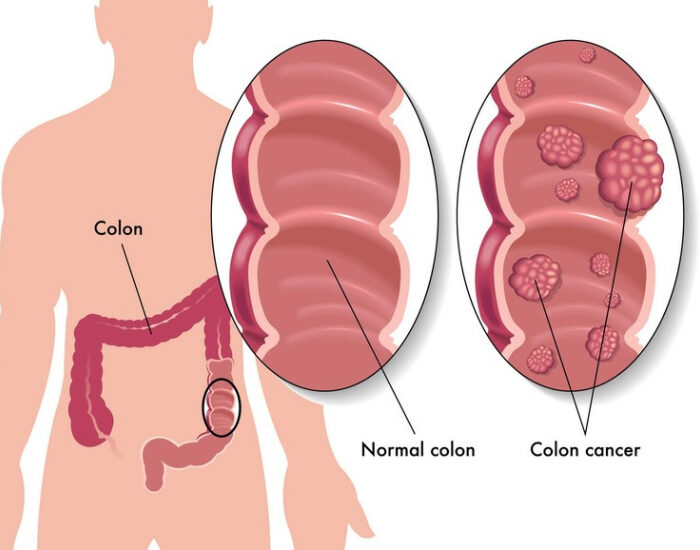
Treatment aims to calm inflammation, heal the colon lining and keep the disease in remission. Options include 5-ASA medicines such as mesalamine, short courses of steroids for flares, immunomodulators, biologic therapies and newer oral small-molecule drugs. Surgery is an option for severe or resistant disease. People with long-standing ulcerative colitis also need regular surveillance colonoscopies because of a higher colon cancer risk.
Tip: Use acetaminophen instead of NSAIDs for pain unless your doctor says otherwise, and tell every new doctor that you have ulcerative colitis before starting antibiotics.
Get answers instead of guessing
Request a visit with Dr. Muhammad Ali Khan at our Katy and Cypress offices. Most major insurance plans are accepted and self-pay options are available.
When should you see a gastroenterologist?
See a gastroenterologist if you have diarrhea lasting more than two weeks, blood or mucus in your stool, or urgency that disrupts daily life. Dr. Muhammad Ali Khan diagnoses and manages ulcerative colitis for patients from Katy, Cypress, Fulshear, Richmond and across Greater Houston. Learn more about our ulcerative colitis care.
Key takeaways
- Ulcerative colitis causes are a mix of genes, immune response and environment.
- Stress and diet do not cause ulcerative colitis but can worsen symptoms.
- NSAIDs, infections and missed medication are common flare triggers.
- Diagnosis requires colonoscopy with biopsies.
- Modern treatment can keep most patients in long-term remission.
Frequently asked questions
Is ulcerative colitis hereditary?
It runs in families but is not directly inherited. Having a close relative with IBD raises your risk, yet most people with a family history never develop it.
Can stress cause ulcerative colitis?
No. Stress does not cause ulcerative colitis, but it can make symptoms feel worse and may be linked to flares in some people.
Can food cause ulcerative colitis?
No specific food causes it. During a flare, some people feel better limiting high-fiber, spicy or fatty foods, but diet changes should be planned with your care team.
Is ulcerative colitis an autoimmune disease?
It is considered an immune-mediated disease, where the immune system causes chronic inflammation of the colon lining.
Can ulcerative colitis be cured?
Medication cannot cure it, but it can control it long term. Removing the colon surgically does cure the colon disease and is used for severe cases.
Do I need a referral to see a gastroenterologist in Katy or Cypress?
It depends on your insurance plan. Many PPO plans let you book a specialist directly, while some HMO plans require a referral from your primary care doctor. Call (346) 340-4414 and the team can help you check.
Sources
- NIDDK — Ulcerative colitis
- NIDDK — Symptoms and causes of ulcerative colitis
- NIDDK — Treatment for ulcerative colitis
- MedlinePlus — Ulcerative colitis
- American College of Gastroenterology — Ulcerative colitis
Where to be seen in Katy and Cypress
United Gastroenterology Associates has two offices: Katy, at 23920 Katy Freeway, Suite 555, next to Memorial Hermann Katy Hospital, and Cypress, at 21216 Northwest Freeway, Suite 640, on US-290. Both are open Monday through Friday, 8:30 AM to 5:00 PM, closed for lunch from 12:00 to 1:30 PM, and serve patients from Fulshear, Richmond and across Greater Houston. Call (346) 340-4414 for either office.
Katy office
23920 Katy Freeway, Suite 555
Katy, TX 77494
Memorial Hermann Medical Plaza 1
Next steps
If you are dealing with ulcerative colitis causes or any ongoing digestive concern, a focused evaluation can find the cause and start the right treatment. Dr. Muhammad Ali Khan and the team at United Gastroenterology Associates see adults from Katy, Cypress, Fulshear, Richmond, Greater Houston and across Texas. Call (346) 340-4414 or request an appointment today.
If you have severe pain, vomit blood, pass black stools or have chest pain, call 911 or go to the nearest emergency room.