What is a colon infection?
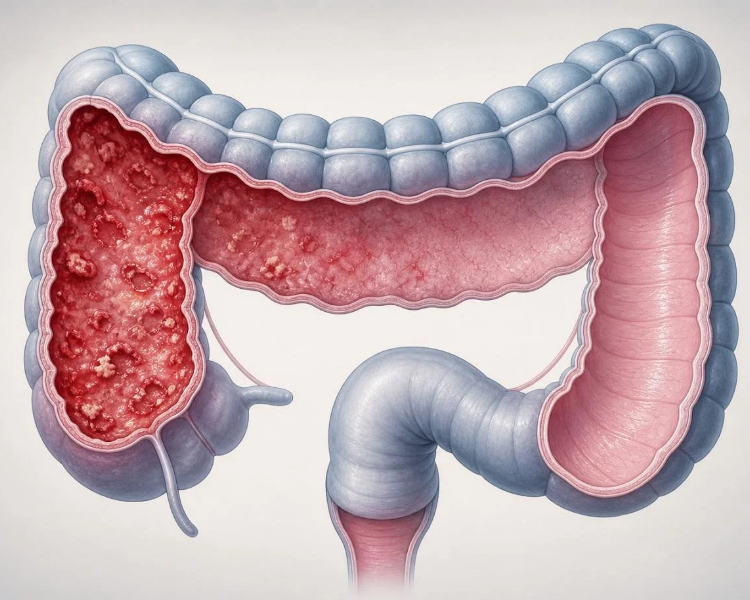
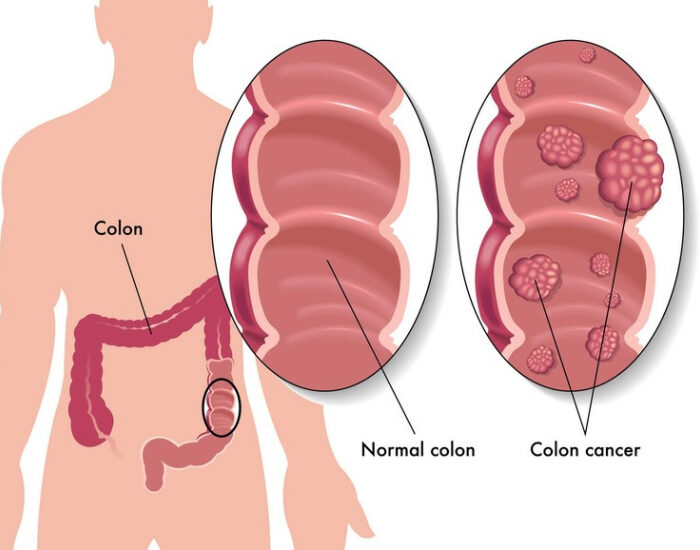
A colon infection is inflammation of the large intestine caused by a germ, such as bacteria, a virus or a parasite. It is also called infectious colitis. The infection damages the colon lining, which leads to diarrhea that may be watery or bloody, cramping abdominal pain, urgency, fever and sometimes nausea. Most colon infections last a few days to a week, but some cause severe illness or dehydration.
The colon absorbs water from digested food, so when its lining is inflamed, stool becomes loose and frequent. Blood or mucus in the stool usually means the lining itself has been injured, which is more typical of bacterial or parasitic colitis than of a simple stomach virus.
What are the 7 most common reasons for colon infection?
The seven most common reasons for colon infection are bacterial food poisoning, C. difficile infection after antibiotics, contaminated water and travel, viral infections in people with weakened immunity, diverticulitis, a weakened immune system that allows unusual germs to take hold, and close contact in households, child care or healthcare settings where germs spread easily.
How germs reach the colon
- Food and waterUndercooked meat, eggs, unwashed produce or untreated water carry bacteria and parasites.
- AntibioticsAntibiotics disrupt healthy gut bacteria and let C. difficile overgrow.
- People and placesGerms spread on hands and surfaces at home, in child care and in hospitals.
Reason 1: Bacterial food poisoning
Bacteria such as Salmonella, Campylobacter, Shigella and Shiga toxin-producing E. coli are leading causes of infectious colitis. They spread through undercooked poultry and meat, raw eggs, unpasteurized milk and contaminated produce. Symptoms usually begin within hours to a few days and often include bloody diarrhea and fever.
Reason 2: C. difficile after antibiotics
Clostridioides difficile (C. diff) causes colitis when antibiotics wipe out the healthy bacteria that normally keep it in check. It is more common in older adults, after hospital stays and in nursing homes. Watery diarrhea three or more times a day during or after antibiotics is a reason to call your doctor.
Reason 3: Contaminated water and travel
Drinking untreated water or eating raw foods while traveling can expose you to bacteria and parasites such as Entamoeba histolytica, which causes amebic colitis. Travelers’ diarrhea is common and usually brief, but bloody stools or symptoms that persist after you return home should be checked.
Reason 4: Viral infections
Common stomach viruses mainly affect the stomach and small intestine and usually clear within days. Some viruses, such as cytomegalovirus (CMV), can cause true colitis, especially in people with weakened immune systems or inflammatory bowel disease.
Reason 5: Diverticulitis
Diverticula are small pouches that can form in the wall of the colon with age. When one becomes inflamed or infected, it is called diverticulitis, which typically causes lower left abdominal pain, fever and a change in bowel habits. Mild cases may be managed at home with a doctor’s guidance, while complicated cases need hospital care.
Reason 6: A weakened immune system
Chemotherapy, organ transplant medicines, long-term steroids, some biologic medicines and conditions such as HIV make colon infections more likely and can allow unusual germs to cause illness. People with weakened immunity should contact their doctor early when diarrhea starts.
Reason 7: Close contact and healthcare settings
Germs like Shigella, norovirus and C. diff spread easily from person to person on hands and surfaces, especially in households, child care centers, nursing homes and hospitals. Some sexually transmitted infections can also inflame the rectum, a condition called proctitis.
| Cause | Common clues | Typical approach |
|---|---|---|
| Bacterial food poisoning | Recent risky food, bloody diarrhea, fever | Fluids; stool testing if severe; antibiotics only for some bacteria |
| C. difficile | Recent antibiotics or hospital stay, watery diarrhea | Stool test and specific antibiotic treatment |
| Travel or untreated water | Symptoms during or after travel | Stool testing for bacteria and parasites |
| Viral (such as CMV) | Weakened immunity or IBD | Biopsy may be needed; antiviral treatment if confirmed |
| Diverticulitis | Lower left belly pain, fever, age over 40 | CT scan; treatment depends on severity |
What are the symptoms of a colon infection?
Symptoms of a colon infection include diarrhea, which may be watery, bloody or contain mucus, cramping abdominal pain, an urgent need to have a bowel movement, fever, chills, nausea, fatigue and sometimes loss of appetite. Diverticulitis more often causes steady lower left abdominal pain with fever and constipation or diarrhea. Dehydration causes thirst, dark urine, dizziness and very little urine.
Have symptoms like these?
Dr. Muhammad Ali Khan, a board-certified gastroenterologist and hepatologist, sees adults at our Katy and Cypress offices, serving patients across Greater Houston.
When should I see a doctor for a colon infection?
See a doctor if diarrhea lasts more than three days, if you have bloody or black stools, a fever above 102°F, severe or worsening abdominal pain, signs of dehydration, or vomiting that prevents you from keeping fluids down. Also call your doctor promptly if diarrhea starts during or after antibiotics, if you are pregnant, older, or have a weakened immune system, or if symptoms began after recent travel.
Get urgent care for
- Bloody diarrhea, black stools or heavy rectal bleeding
- High fever, severe abdominal pain or a swollen, rigid belly
- Dizziness, fainting, confusion or very little urine
- Vomiting that prevents keeping fluids down
- Diarrhea with a weakened immune system or after recent antibiotics
How is a colon infection diagnosed?
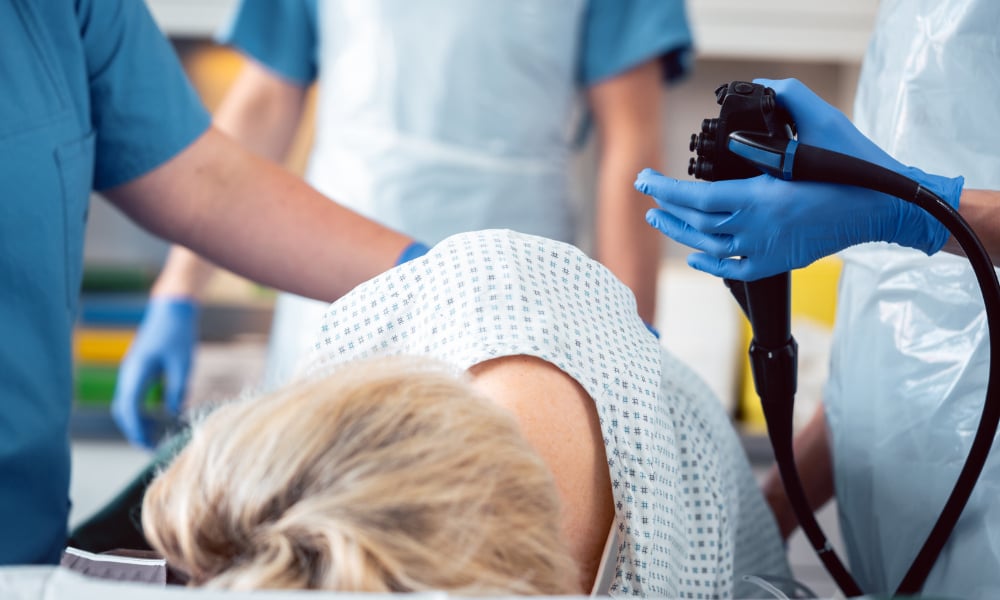
A colon infection is diagnosed with a history of your symptoms, food, travel and antibiotic use, an exam, and stool tests that look for bacteria, viruses, parasites and C. difficile toxin. Blood tests check for dehydration and inflammation. A CT scan is used when diverticulitis or a complication is suspected, and a colonoscopy or flexible sigmoidoscopy with biopsies may be needed when symptoms persist or the diagnosis is unclear.
Colonoscopy also helps separate infection from conditions that look similar, such as colon ulcers from inflammatory bowel disease or ischemic colitis. Learn more about colonoscopy in Katy and Cypress.
Your evaluation, step by step
- HistoryFood, travel, antibiotics, contacts and how long symptoms have lasted.
- Stool and blood testsIdentify the germ and check for dehydration and inflammation.
- Imaging or scopeCT for diverticulitis; colonoscopy if symptoms persist.
- TreatmentFluids and targeted medicine when the cause calls for it.
How is a colon infection treated?
Most colon infections are treated with fluids, rest and time, and oral rehydration drinks help prevent dehydration. Antibiotics are used only for certain infections, because they can make some, such as Shiga toxin-producing E. coli, worse. C. difficile is treated with specific antibiotics, parasites with antiparasitic medicine, and diverticulitis according to severity. Severe dehydration or complications need hospital care.
Avoid anti-diarrhea medicines if you have bloody diarrhea or a high fever unless a doctor says they are safe, because slowing the bowel can keep some germs in the colon longer.
Tip: Note what you ate and where you traveled
Write down meals from the three days before symptoms started, any travel, recent antibiotics and anyone else who is sick. These details often point directly to the cause.
Get answers instead of guessing
Request a visit with Dr. Muhammad Ali Khan at our Katy and Cypress offices. Most major insurance plans are accepted and self-pay options are available.
How can I prevent a colon infection?
You can lower your risk of a colon infection by washing hands with soap and water after using the bathroom and before handling food, cooking meat and eggs thoroughly, keeping raw and cooked foods separate, avoiding unpasteurized milk, drinking safe water when traveling, and using antibiotics only when they are truly needed. Alcohol-based hand sanitizer does not kill C. diff spores, so soap and water matter.
Key takeaways
- A colon infection, or infectious colitis, is inflammation of the large intestine caused by bacteria, viruses or parasites.
- Common reasons include food poisoning, C. diff after antibiotics, travel, viral infections, diverticulitis, weakened immunity and close contact.
- Bloody diarrhea, high fever, severe pain or dehydration needs prompt medical care.
- Stool tests identify most causes; CT and colonoscopy are used for diverticulitis or persistent symptoms.
- Antibiotics help only some infections, so testing guides treatment.
Frequently asked questions
How long does a colon infection last?
Most colon infections improve within a few days to a week. C. diff infection, parasitic infections and diverticulitis may last longer and usually need specific treatment.
Is a colon infection contagious?
Many are. Bacteria, viruses and parasites that cause colitis can spread through contaminated food, water, hands and surfaces. Diverticulitis is not contagious.
What should I eat with a colon infection?
Focus on fluids first, then bland foods such as rice, toast, bananas, applesauce, broth and crackers as you feel able. Avoid alcohol, greasy foods and large amounts of dairy until you recover.
Do I need antibiotics for a colon infection?
Not always. Many colon infections clear on their own, and antibiotics can worsen some, such as certain E. coli infections. Your doctor decides based on stool test results and how sick you are.
Can a colon infection cause bloody stool?
Yes. Bacterial and parasitic infections that injure the colon lining often cause bloody diarrhea. Any blood in the stool should be evaluated by a doctor.
Do I need a referral to see a gastroenterologist in Katy or Cypress?
It depends on your insurance plan. Call (346) 340-4414 and the team can help you check.
Sources
- MedlinePlus — C. diff infections
- MedlinePlus — Foodborne illness
- NIDDK — Diverticular disease
- NIDDK — Diarrhea
- MedlinePlus — Diarrhea
Where to be seen in Katy and Cypress
United Gastroenterology Associates has two offices: Katy, at 23920 Katy Freeway, Suite 555, next to Memorial Hermann Katy Hospital, and Cypress, at 21216 Northwest Freeway, Suite 640, on US-290. Both are open Monday through Friday, 8:30 AM to 5:00 PM, closed for lunch from 12:00 to 1:30 PM, and serve patients from Fulshear, Richmond and across Greater Houston. Call (346) 340-4414 for either office.
Katy office
23920 Katy Freeway, Suite 555
Katy, TX 77494
Memorial Hermann Medical Plaza 1
Next steps
If you are dealing with colon infection or any ongoing digestive concern, a focused evaluation can find the cause and start the right treatment. Dr. Muhammad Ali Khan and the team at United Gastroenterology Associates see adults from Katy, Cypress, Fulshear, Richmond, Greater Houston and across Texas. Call (346) 340-4414 or request an appointment today.
If you have severe pain, vomit blood, pass black stools or have chest pain, call 911 or go to the nearest emergency room.