A gastroenterologist can help determine whether constipation is related to diet, medications, lifestyle, irritable bowel syndrome, a problem with how the pelvic floor muscles work, a thyroid or metabolic condition, or another digestive disorder. In some cases, persistent constipation can also signal a more serious problem that needs prompt evaluation.
The good news is that constipation is usually manageable once the underlying cause is understood. The goal is not simply to make you have a bowel movement. It is to understand why your bowel habits have changed and find a treatment approach that produces comfortable, predictable bowel movements without relying on trial and error.
Important Note
Constipation can be frustrating and sometimes embarrassing, but it is a legitimate medical concern when symptoms persist. If you are regularly straining, going several days without a bowel movement, feeling incompletely emptied or needing repeated laxatives to stay regular, you do not have to simply live with it. Understanding the cause can make treatment safer and more effective.
What Is Constipation?
Constipation means having bowel movements that are infrequent, hard, dry or difficult to pass, or feeling that you have not fully emptied your bowels. Many doctors use fewer than three bowel movements a week as a guide, but straining and hard stool count too. At United Gastroenterology Associates, Dr. Khan looks at your usual pattern, because a change from your normal matters most.
There is no single number of bowel movements that is considered normal for everyone. Some healthy people have bowel movements several times a day, while others naturally go every other day. What matters is a change from your usual pattern and whether bowel movements are difficult or uncomfortable.
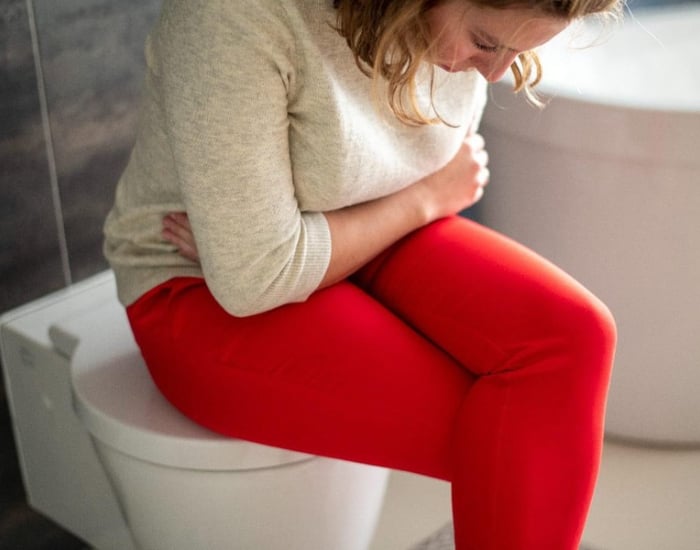
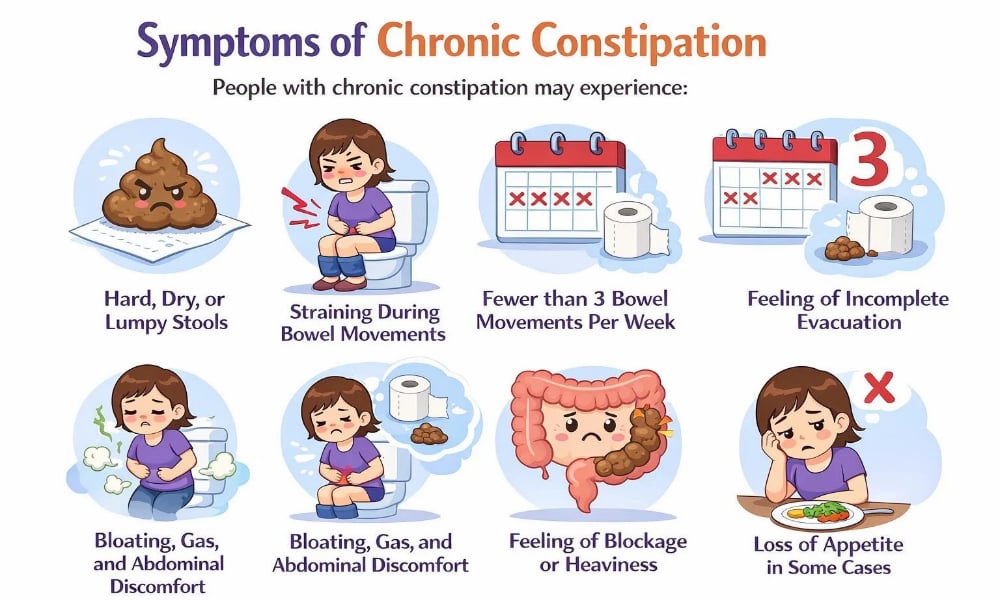
Constipation may involve fewer bowel movements than usual, hard or lumpy stools, significant straining, a sensation that stool is stuck, or the feeling that you have not completely emptied your rectum.
Some people experience constipation only occasionally. Others develop chronic constipation that continues for months or repeatedly returns despite home treatment.
Constipation can also occur alongside bloating, abdominal discomfort, gas and changes in appetite. When these symptoms become persistent, a gastroenterologist can help determine whether there is an underlying digestive condition contributing to the problem.
When Should You See a GI Doctor for Constipation?
See a gastroenterologist when constipation lasts more than a few weeks, keeps coming back, or does not improve with more fiber, fluids and activity. Book a visit sooner if you notice blood in the stool, unexplained weight loss, severe abdominal pain or a lasting change in bowel habits. Dr. Khan evaluates chronic constipation at our Katy and Cypress offices and builds a plan around the cause.
Occasional constipation after travel, a change in diet or a temporary disruption in routine is usually not a reason for alarm. But constipation that continues despite reasonable lifestyle changes deserves more attention.
A GI doctor may be particularly helpful if you regularly need laxatives to have bowel movements, your symptoms interfere with daily activities, constipation alternates with diarrhea, or you feel that your bowel habits have changed significantly.
Medical evaluation is also important when constipation begins suddenly without an obvious explanation, particularly in an older adult or someone with other risk factors.
The purpose of seeing a gastroenterologist is not automatically to perform invasive testing. In many cases, the first step is a detailed discussion of your symptoms, medications, diet, bowel habits and medical history.
How Long Is Too Long to Be Constipated?
There is no single number of days that makes constipation dangerous, but symptoms that last longer than three weeks, or that keep returning over months, deserve a medical evaluation. Doctors usually call constipation chronic when it lasts three months or more. Go sooner if you cannot pass stool or gas, or if constipation comes with vomiting, a swollen belly or severe pain.
Going a day or two without a bowel movement may be normal for some people. However, if you normally have regular bowel movements and suddenly go several days without one, particularly if you are uncomfortable, it is worth paying attention to the change.
Constipation that continues for several weeks or repeatedly returns despite self-care should be discussed with a healthcare professional.
Chronic constipation is generally considered when symptoms occur over an extended period rather than as an isolated episode. Your gastroenterologist can evaluate the pattern rather than focusing only on how many days have passed since your last bowel movement.
What Are the Symptoms of Constipation?
The most common symptoms of constipation are fewer bowel movements than usual, hard or lumpy stools, straining, and a feeling that the bowel has not fully emptied. Some people also notice bloating, lower abdominal cramping or a need to press on the abdomen to pass stool. Symptoms vary from person to person, and the most common ones include the following.
- Fewer bowel movements than usual
- Hard or dry stools
- Straining during bowel movements
- A feeling that stool is difficult to pass
- A sensation of incomplete bowel emptying
- Feeling that there is a blockage near the rectum
- Needing to use your hands or change your body position to help pass stool
- Bloating or abdominal fullness
- Abdominal discomfort
Not everyone with constipation experiences every symptom. A person may have bowel movements relatively often but still be constipated if the stool is consistently hard, difficult to pass or associated with incomplete emptying.
Why Is My Stool Hard and Difficult to Pass?
Stool becomes hard and difficult to pass when it moves too slowly through the colon, because the colon keeps absorbing water from it. Low fiber intake, not drinking enough fluids, certain medications, inactivity and ignoring the urge to go can all slow things down. Conditions such as IBS with constipation, an underactive thyroid or pelvic floor problems can also play a role.
The colon normally absorbs water as digestive material moves through it. When transit becomes slower, the stool can become drier, harder and more difficult to pass.
Not drinking enough fluids, eating too little fiber, being physically inactive and ignoring the urge to have a bowel movement can contribute.
However, persistent hard stools can also occur because of medications, hormonal or metabolic conditions, slow-transit constipation, pelvic floor dysfunction or other medical problems.
If your stool remains hard despite reasonable changes to fluids, fiber and activity, a GI evaluation may help identify what is preventing normal bowel function.
Is Straining During a Bowel Movement Normal?
Occasional mild straining can happen to anyone, but frequent or forceful straining is a common sign of constipation and is not something you simply have to live with. Repeated straining can lead to hemorrhoids, anal fissures and a feeling of incomplete emptying. If you strain with most bowel movements, a gastroenterologist can look for causes such as slow transit or pelvic floor dysfunction.
Repeated straining can make bowel movements stressful and uncomfortable. Over time, it may also contribute to problems such as hemorrhoids or anal fissures.
Some people strain because stool is hard. Others have difficulty relaxing the pelvic floor muscles during defecation, which can make it difficult to evacuate stool even when the stool itself is not particularly hard.
This distinction matters because the treatment for a pelvic floor evacuation disorder can be very different from simply adding more fiber.
What Causes Constipation?
Constipation is usually caused by a mix of diet, lifestyle, medications and how the colon and pelvic floor muscles work. Common triggers include low fiber, too little fluid, inactivity, travel, pregnancy and medicines such as opioids or iron. Medical causes include IBS with constipation, slow-transit constipation, pelvic floor dysfunction, an underactive thyroid, diabetes and, less often, a blockage in the colon.
One of the most common contributors is inadequate dietary fiber. Fiber adds bulk and can help stool retain water, making it easier to pass.
Low fluid intake can also contribute, although simply drinking enormous amounts of water is not a universal solution for chronic constipation.
Physical inactivity may slow bowel function. Travel and changes in daily routines can also disrupt normal bowel habits.
Medications are another important cause. Certain pain medications, particularly opioids, can cause significant constipation. Some antacids, iron supplements, antidepressants and other medications may also affect bowel function.
Medical conditions such as hypothyroidism, diabetes, neurologic disorders and certain electrolyte abnormalities can contribute to constipation.
Digestive disorders, including irritable bowel syndrome with constipation, can also cause chronic symptoms.
Can Medications Cause Constipation?
Yes, many common medications and supplements can cause or worsen constipation. Opioid pain relievers are among the strongest culprits, but iron and calcium supplements, some antidepressants, antihistamines, certain blood pressure drugs and aluminum-containing antacids can also slow the bowels. Never stop a prescribed medicine on your own; Dr. Khan can review your medication list and suggest safer options with your prescribing doctor.
Opioid pain medicines are particularly well known for slowing intestinal movement. Some medications used for depression, allergies, high blood pressure and other conditions can also contribute.
Iron supplements may cause hard stools and constipation in some people. Certain calcium-containing antacids can have a similar effect.
This is one reason your medication list is important during a GI evaluation.
If you suspect a medication is causing constipation, do not stop a prescribed medicine on your own. Your doctor can determine whether the medication is contributing and whether the dose or treatment plan can safely be adjusted.
Can Low Fiber Cause Constipation?
Yes, a low-fiber diet is one of the most common reasons for constipation, because fiber adds bulk and holds water in stool so it moves more easily. Most adults need about 22 to 34 grams of fiber a day, and many Americans get far less. Increase fiber slowly over a few weeks and drink more water to limit gas and bloating.
Fiber is found in foods such as vegetables, fruits, whole grains, legumes, nuts and seeds. Increasing fiber gradually can help some people become more regular.
However, more fiber is not always the answer for every person with chronic constipation.
Someone with significant bloating, slow-transit constipation or a pelvic floor disorder may feel worse after suddenly adding large amounts of fiber. The type and amount of fiber can matter, too.
For that reason, persistent constipation deserves an individualized approach rather than a simple instruction to "eat more fiber."
Does Drinking More Water Help Constipation?
Drinking more water helps constipation mainly when you are not getting enough fluid, since dehydration makes stool harder and drier. Water works best alongside fiber, because fiber needs fluid to soften stool. Extra water beyond your body's needs will not cure chronic constipation on its own, so persistent symptoms usually need a closer look at diet, medications and bowel function.
However, drinking excessive amounts of water does not necessarily correct chronic constipation if the underlying problem involves slow bowel transit, medications or pelvic floor dysfunction.
A practical goal is to maintain normal hydration throughout the day and increase fluid intake when appropriate, particularly during hot weather or increased physical activity.
If you have a medical condition that requires fluid restriction, follow your healthcare professional's recommendations rather than increasing fluids on your own.
Can Exercise Help Constipation?
Yes, regular physical activity can help constipation by stimulating the natural muscle contractions that move stool through the colon. Walking for 20 to 30 minutes most days, cycling, swimming or yoga can all help, especially for people who sit for long periods. Exercise works best as part of a plan that also includes fiber, fluids and a regular bathroom routine.
Movement stimulates normal activity throughout the body, including the digestive tract. Even simple activities such as walking can be helpful for people who spend much of the day sitting.
Exercise is not a cure for every type of constipation, however. If symptoms persist despite regular activity, further evaluation may be needed.
Could Constipation Be IBS?
Yes, constipation can be a sign of irritable bowel syndrome with constipation, called IBS-C. The key difference is abdominal pain: in IBS-C, belly pain or cramping occurs regularly and is linked to bowel movements, often with bloating. Ordinary constipation may cause discomfort, but recurring pain is a central feature of IBS. A gastroenterologist can tell the two apart and tailor treatment.
IBS is a disorder of gut-brain interaction characterized by abdominal pain associated with changes in bowel habits. Some people primarily experience constipation, while others experience diarrhea or alternating bowel patterns.
IBS-C is different from simple constipation because recurrent abdominal pain is a central part of the condition.
IBS does not cause the intestinal inflammation seen in inflammatory bowel disease such as Crohn's disease or ulcerative colitis.
If constipation occurs alongside persistent abdominal pain, bloating or alternating diarrhea, a gastroenterologist can help determine whether IBS or another digestive disorder may be involved.
Get answers instead of guessing
Request a visit with Dr. Muhammad Ali Khan at our Katy and Cypress offices. Call the office to check your insurance coverage; self-pay options are available.
What Is Slow-Transit Constipation?
Slow-transit constipation is a condition in which stool moves through the colon much more slowly than normal, even when diet and fluids are adequate. It often causes infrequent bowel movements, little urge to go and bloating. Doctors confirm it with a colonic transit study, such as a marker X-ray, and treat it with fiber, osmotic laxatives or prescription medicines.
People with slow-transit constipation may have infrequent bowel movements and may not feel a strong urge to go. Stool can become hard because it remains in the colon longer.
In some cases, dietary changes and standard over-the-counter treatments may not provide adequate relief.
A gastroenterologist can determine whether symptoms suggest slow transit and, when appropriate, recommend specialized testing or prescription treatments.
What Is Pelvic Floor Dysfunction?
Pelvic floor dysfunction means the muscles at the bottom of the pelvis do not relax and coordinate properly during a bowel movement. Instead of opening, they may tighten, so stool feels blocked even when it is soft. Signs include heavy straining, needing to press on the perineum and incomplete emptying. Anorectal manometry can diagnose it, and biofeedback therapy often helps.
Defecation requires coordinated relaxation of the pelvic floor and anal muscles while pressure is generated in the abdomen.
If these muscles do not relax appropriately, stool can feel stuck even when it has reached the rectum.
Clues can include prolonged straining, repeated attempts to have a bowel movement, a sensation of blockage or the need to change positions or use manual techniques to evacuate stool.
When pelvic floor dysfunction is identified, pelvic floor physical therapy and biofeedback may be more effective than repeatedly increasing laxative doses.

What Are the Warning Signs of Constipation?
Warning signs that constipation needs prompt medical attention include blood in the stool, black or tarry stools, unexplained weight loss, severe or worsening abdominal pain, vomiting, fever and a new, lasting change in bowel habits after age 45. Anemia or a family history of colon cancer also raises concern. These signs do not always mean something serious, but they should be checked.
These symptoms do not automatically mean that something serious is wrong, but they should not be dismissed as ordinary constipation.
Warning signs include:
- Blood in the stool or rectal bleeding
- Black, tarry stools
- Unexplained weight loss
- Persistent or severe abdominal pain
- Persistent vomiting
- Fever
- Severe abdominal swelling or distention
- Inability to pass stool or gas with significant abdominal discomfort
- A sudden and unexplained change in bowel habits
- New constipation that persists, particularly later in adulthood
- Unexplained anemia
These symptoms can have many causes, but they warrant appropriate evaluation.
When Is Constipation an Emergency?
Constipation becomes an emergency when it comes with severe or worsening abdominal pain, repeated vomiting, a hard and swollen belly, or an inability to pass stool or gas. These can be signs of a bowel obstruction, which needs care right away. Do not wait for a clinic appointment in these situations; go to the nearest emergency room.
A bowel obstruction is different from ordinary constipation. It occurs when the normal movement of intestinal contents becomes blocked.
If you have severe or worsening abdominal pain along with vomiting, marked distention or inability to pass gas or stool, do not continue trying increasingly strong laxatives at home without medical guidance.
Seek urgent medical care.
Important Note
Most constipation is not an emergency, and there are many effective treatments available. The concern is when constipation behaves differently from your usual pattern or appears with warning signs. Severe pain, repeated vomiting, significant swelling, bleeding or an inability to pass gas should not be treated as routine constipation at home.
How Does a GI Doctor Diagnose Constipation?
A gastroenterologist diagnoses chronic constipation mainly through a detailed history and physical exam, including how often you go, stool form, straining, diet, medications and warning signs. A rectal exam can reveal impaction, hemorrhoids or pelvic floor problems. Most patients do not need invasive tests at first; testing is added when symptoms persist, warning signs appear or treatment does not work.
Your gastroenterologist may ask how often you have bowel movements, what your stools look like, how much you strain and whether you feel completely empty afterward.
You may also be asked about abdominal pain, bloating, bleeding, weight changes and whether constipation alternates with diarrhea.
Your diet, fluid intake, physical activity, medications, supplements and previous digestive problems are also important.
A physician may use a standardized stool classification system, such as the Bristol Stool Form Scale, to understand stool consistency.
Depending on your age, symptoms, medical history and warning signs, additional testing may be recommended.
What Blood Tests May Be Used for Constipation?
Blood tests are not needed for everyone with constipation, but your doctor may order them when an underlying condition is suspected. Common tests include a complete blood count to look for anemia, a thyroid test for hypothyroidism, calcium levels and blood sugar for diabetes. Abnormal results can point to a treatable cause and help decide whether a colonoscopy is needed.
Testing may evaluate for conditions such as anemia, thyroid dysfunction, electrolyte abnormalities or other metabolic problems depending on the individual situation.
Blood testing is not necessary for every person with occasional constipation.
Your doctor will decide whether laboratory testing is appropriate based on your symptoms and medical history.
Does Constipation Require a Colonoscopy?
Not everyone with constipation needs a colonoscopy. It is usually recommended when warning signs are present, such as rectal bleeding, anemia, unexplained weight loss or a recent change in bowel habits, or when you are due for colorectal cancer screening, which starts at age 45 for average-risk adults. Dr. Khan decides based on your symptoms, age and family history.
A colonoscopy may be recommended when there are symptoms or risk factors that make examination of the colon appropriate.
Examples can include rectal bleeding, unexplained iron-deficiency anemia, significant changes in bowel habits, unexplained weight loss or appropriate colorectal cancer screening based on age and risk.
For some patients with chronic constipation and no warning signs, a colonoscopy may not be the first test needed.
The decision should be based on the overall clinical picture rather than constipation alone.
Learn more about colonoscopy and colorectal evaluation.
What Tests Are Used for Chronic Constipation?
When chronic constipation does not improve with fiber, fluids and standard laxatives, a gastroenterologist may order specialized tests. Anorectal manometry measures how the rectal and anal muscles work, a balloon expulsion test checks whether you can pass a small balloon, and a colonic transit study shows how fast stool moves. Defecography is sometimes used to view pelvic floor movement.
Depending on the suspected cause, tests may evaluate how quickly stool moves through the colon or how well the rectum and pelvic floor muscles function.
Anorectal manometry, for example, can evaluate pressure and coordination of muscles involved in defecation.
A balloon expulsion test may also help assess whether a person can appropriately evacuate stool from the rectum.
Colonic transit testing can provide information about how quickly material moves through the colon.
These tests are not necessary for everyone. They are generally considered when symptoms persist despite appropriate initial management or when a specific bowel-movement disorder is suspected.
How Is Chronic Constipation Treated?
Chronic constipation is treated according to its cause, usually starting with more fiber, adequate fluids, regular activity and a consistent bathroom routine. If those are not enough, options include osmotic laxatives such as polyethylene glycol, stimulant laxatives and prescription medicines such as linaclotide or prucalopride. Pelvic floor dysfunction is often treated with biofeedback therapy rather than laxatives alone.
| Treatment option | How it helps | Usually best for |
|---|---|---|
| Dietary fiber or psyllium | Adds bulk and holds water in stool | Mild constipation and low-fiber diets |
| Osmotic laxatives (polyethylene glycol) | Draw water into the colon to soften stool | First-line daily use |
| Stimulant laxatives (senna, bisacodyl) | Trigger colon muscle contractions | Occasional or rescue use |
| Prescription medicines (linaclotide, plecanatide, prucalopride) | Increase intestinal fluid or colon movement | Chronic constipation or IBS-C not helped by OTC options |
| Biofeedback therapy | Retrains pelvic floor muscles to relax | Pelvic floor dysfunction |
The first step is often to establish a consistent bowel routine and address contributing factors.
For some people, increasing dietary fiber gradually can improve stool bulk and consistency. Adequate hydration and regular physical activity may also help.
When these measures are not enough, physicians may recommend medications such as osmotic laxatives, stimulant laxatives for selected situations, stool-softening approaches or prescription medications designed specifically for chronic constipation.
People with IBS-C may require a different treatment strategy than someone with opioid-induced constipation or pelvic floor dysfunction.
That is why finding the underlying pattern matters.
Are Laxatives Safe for Constipation?
Most over-the-counter laxatives are safe when used as directed, and the right choice depends on your symptoms. Fiber supplements and osmotic laxatives such as polyethylene glycol are usually tried first, while stimulant laxatives such as senna work well for occasional use. Talk with a doctor before using laxatives daily for weeks, especially if you have kidney or heart problems.
Osmotic laxatives work by drawing water into the stool and are commonly used for constipation.
Stimulant laxatives increase intestinal contractions and may be appropriate in certain situations.
Fiber supplements can help some people, while others may experience more bloating if fiber is increased too quickly or if their constipation has another underlying cause.
Using multiple products repeatedly without understanding why constipation is occurring is not an ideal long-term strategy.
If you find yourself depending on laxatives regularly, speak with a healthcare professional about a more structured treatment plan.
Can a Regular Bathroom Routine Help?
Yes, a regular bathroom routine can help, because the colon is most active after waking and after meals through the gastrocolic reflex. Try sitting on the toilet for a few minutes at the same time each day, often after breakfast, without straining or rushing. A small footstool that raises your knees can also make bowel movements easier to pass.
For many people, the urge to have a bowel movement is strongest after eating, particularly after breakfast.
Instead of repeatedly delaying the urge, allow enough time to sit comfortably without rushing.
Position can also matter. Using a small footstool to raise the feet slightly may help place the body in a more natural position for defecation.
These strategies are simple, but they can become an important part of a broader constipation-management plan.
How Can You Prevent Constipation?
You can lower your risk of constipation by eating enough fiber from fruits, vegetables, whole grains and beans, drinking fluids throughout the day and staying physically active. Respond to the urge to go instead of waiting, and keep a consistent bathroom routine. If a medication seems to cause constipation, ask your doctor about alternatives rather than stopping it yourself.
Try to include a variety of fiber-rich foods in your diet rather than suddenly consuming very large amounts of fiber.
Regular physical activity can support overall digestive health.
Responding to the urge to have a bowel movement rather than consistently postponing it may also help.
If a medication is causing constipation, your healthcare professional may be able to recommend an alternative or an additional treatment to prevent symptoms.
What Should You Eat When You Are Constipated?
When you are constipated, focus on fiber-rich foods such as prunes, pears, apples, berries, kiwi, beans, lentils, oats, whole grains, vegetables, nuts and seeds, along with plenty of water. Prunes and kiwi have good evidence for softening stool. Add these foods gradually over one to two weeks so your gut can adjust without extra gas and bloating.
Some people find foods such as kiwifruit or prunes helpful, while others benefit from a broader increase in dietary fiber.
Increase fiber gradually rather than making a dramatic overnight change. A sudden increase can cause gas and bloating.
If you have significant chronic constipation, severe bloating or a diagnosed digestive condition, ask your healthcare professional about an appropriate dietary approach.
What Foods Can Make Constipation Worse?
No single food causes constipation in everyone, but some foods can make it worse when they crowd out fiber. Common examples include highly processed snacks, fast food, large amounts of cheese and red meat, white bread and other refined grains, and too little fluid. Unripe bananas and alcohol bother some people. A food diary helps identify your own triggers.
However, diets that contain very little fiber and rely heavily on highly processed foods may make constipation more likely in some people.
Large amounts of certain foods may also displace fiber-rich foods from the diet.
The goal is generally not to create a long list of forbidden foods. Instead, focus on dietary balance and identify patterns that consistently worsen your symptoms.
What Happens If Chronic Constipation Is Left Untreated?
Left untreated, chronic constipation can lower quality of life and lead to complications such as hemorrhoids, anal fissures, rectal prolapse and fecal impaction. Long-term straining can also weaken the pelvic floor. Untreated symptoms may hide another condition that needs care. Getting evaluated early helps you find the cause and an effective treatment before complications develop.
Constant straining can make bowel movements physically uncomfortable and can create anxiety around using the bathroom.
In some cases, stool can become severely impacted and difficult to pass.
Chronic constipation can also make it harder to identify a new change in bowel habits because the person may assume every new symptom is simply part of their usual constipation.
That is another reason significant changes should be discussed with a healthcare professional.
What Is Fecal Impaction?
Fecal impaction is a mass of hard, dry stool stuck in the rectum or lower colon that cannot be passed normally. It is more common in older adults, people who are bedbound and those taking opioids. Signs include rectal pressure, abdominal pain and, sometimes, watery stool leaking around the blockage. Treatment may involve enemas or manual removal by a clinician.
It can occur after prolonged constipation and is more common in certain populations, including people with limited mobility or those taking medications that slow intestinal movement.
Symptoms can include abdominal discomfort, rectal pressure, difficulty passing stool and sometimes leakage of liquid stool around the impacted stool.
Liquid leakage does not necessarily mean constipation has resolved. In some situations, it can occur because liquid stool is passing around an obstruction of hardened stool.
Suspected fecal impaction should be evaluated by a healthcare professional.
Where can you get chronic constipation care in Cypress, Katy or Houston?
Dr. Muhammad Ali Khan treats chronic constipation at United Gastroenterology Associates offices on Katy Freeway in Katy and on Northwest Freeway in Cypress, serving patients from across Greater Houston. Visits cover your history, an exam and, when needed, testing such as colonoscopy or anorectal studies. Most major insurance plans are accepted, and self-pay options are available.
If constipation is persistent, recurrent or difficult to control, a gastroenterologist can help evaluate potential causes and develop a treatment plan suited to your symptoms.
United Gastro TX provides gastroenterology care for patients in Cypress, Katy and surrounding Houston-area communities. Our digestive health services include evaluation of bowel symptoms, abdominal discomfort and other gastrointestinal concerns.
You can explore our gastroenterology services in the Houston area or learn more about related digestive conditions such as IBS, which can sometimes involve chronic constipation and abdominal pain.
Persistent Constipation Deserves an Explanation
If constipation keeps returning, requires frequent laxatives or is interfering with your daily life, you do not have to keep guessing at the cause. A gastroenterology evaluation can help identify contributing factors and guide appropriate treatment.
Frequently Asked Questions About Constipation
When should I see a doctor for chronic constipation?
See a gastroenterologist if constipation lasts longer than three weeks, keeps coming back or does not improve with fiber, fluids and activity. Go sooner if you notice blood in the stool, unexplained weight loss, vomiting or severe abdominal pain.
How long does constipation have to last to be considered chronic?
Doctors usually call constipation chronic when infrequent, hard or difficult bowel movements last three months or longer. Symptoms that persist for more than a few weeks are still worth discussing with a doctor.
What is the best treatment for chronic constipation?
The best treatment depends on the cause, but most plans start with more fiber, fluids, exercise and an osmotic laxative such as polyethylene glycol. Prescription medicines or pelvic floor biofeedback therapy help when those first steps are not enough.
Do I need a colonoscopy for chronic constipation?
Not always, because most people with chronic constipation do not have a structural problem in the colon. A colonoscopy is recommended when warning signs are present or when you are due for colorectal cancer screening at age 45 or older.
What is the bottom line on chronic constipation?
Constipation is common, but chronic constipation that lasts for weeks, keeps returning or comes with warning signs deserves a medical evaluation rather than endless trial and error. Most causes are treatable with diet changes, medications or pelvic floor therapy. If home measures have not worked, request an appointment with Dr. Khan in Katy or Cypress to find the cause.
Occasional constipation may improve with changes to fiber, fluids, activity and bowel habits. But when symptoms continue, repeatedly return or require frequent use of laxatives, it is worth looking beyond temporary relief and asking why the problem keeps happening.
A gastroenterologist can evaluate potential contributors ranging from diet and medications to IBS-C, slow-transit constipation and pelvic floor dysfunction. When warning signs are present, appropriate testing can help rule out more serious causes.
The most important message is simple: you do not need to wait until constipation becomes severe before asking for help. Persistent changes in bowel habits deserve attention, and effective treatments are available once the underlying problem is understood.
Medical Disclaimer: This article is intended for general educational purposes and does not replace professional medical advice, diagnosis or treatment. If you have severe abdominal pain, repeated vomiting, significant abdominal swelling, gastrointestinal bleeding or an inability to pass stool or gas, seek prompt medical attention.
What sources support this article?
- NIDDK — Constipation
- NIDDK — Treatment for constipation
- MedlinePlus — Constipation
- American College of Gastroenterology — Constipation
Where can you see a gastroenterologist in Katy or Cypress?
United Gastroenterology Associates has two offices: Katy, at 23920 Katy Freeway, Suite 555, next to Memorial Hermann Katy Hospital, and Cypress, at 21216 Northwest Freeway, Suite 640, on US-290. Both are open Monday through Friday, 8:30 AM to 5:00 PM, closed for lunch from 12:00 to 1:30 PM, and serve patients from Fulshear, Richmond and across Greater Houston. Call (346) 340-4414 for either office.
Where is the Katy office?
23920 Katy Freeway, Suite 555
Katy, TX 77494
Memorial Hermann Medical Plaza 1
Where is the Cypress office?
21216 Northwest Freeway, Suite 640
Cypress, TX 77429
On US-290
What should you do next?
If you are dealing with chronic constipation or any ongoing digestive concern, a focused evaluation can find the cause and start the right treatment. Dr. Muhammad Ali Khan and the team at United Gastroenterology Associates see adults from Katy, Cypress, Fulshear, Richmond, Greater Houston and across Texas. Call (346) 340-4414 or request an appointment today.
If you have severe pain, vomit blood, pass black stools or have chest pain, call 911 or go to the nearest emergency room.