What is symptom-specific GI treatment?
Symptom-specific GI treatment is an approach where the gastroenterologist starts from your main symptom, narrows down the likely causes, chooses the right tests, and then treats the cause that is found. Instead of repeated trial-and-error medications, you get a focused diagnosis, a targeted treatment plan and follow-up to make sure symptoms resolve.
How symptom-specific GI care works
- ListenDetailed history of the main symptom, triggers and red flags.
- TestOnly the tests that fit: labs, stool, breath tests, imaging or endoscopy.
- Treat and follow upTargeted treatment, then review until symptoms are controlled.
Which symptoms are treated and how?
Each common GI symptom has its own short list of likely causes and tests. The table below shows how GI treatment in Houston is matched to the most common complaints Dr. Khan sees, from heartburn and bloating to diarrhea and rectal bleeding.
| Main symptom | Common causes | Typical tests | Treatment examples |
|---|---|---|---|
| Heartburn, reflux | GERD, hiatal hernia | Upper endoscopy, pH study | Diet changes, acid reducers |
| Upper abdominal pain | Gastritis, ulcer, H. pylori, gallstones | H. pylori test, endoscopy, ultrasound | Antibiotics, acid therapy, referral for surgery |
| Bloating and gas | IBS, SIBO, lactose intolerance | Breath tests, celiac blood test | Low-FODMAP diet, antibiotics |
| Chronic diarrhea | IBS, IBD, celiac, infection | Stool tests, colonoscopy | Targeted medication, diet |
| Constipation | IBS-C, slow transit, pelvic floor | Labs, colonoscopy if indicated | Fiber, laxatives, prescription agents |
| Rectal bleeding | Hemorrhoids, fissure, polyps, colitis | Colonoscopy | Banding, polyp removal, IBD therapy |
Have symptoms like these?
Dr. Muhammad Ali Khan, a board-certified gastroenterologist and hepatologist, sees adults at our Katy and Cypress offices, serving patients across Greater Houston.
Why does targeted treatment work better?
Many digestive conditions share symptoms. Bloating can come from IBS, celiac disease or bacterial overgrowth, and each needs a different treatment. Testing for the right cause avoids months of medications that do not help, catches serious conditions early and lowers the chance of symptoms returning.
Symptoms that need urgent attention
- Black stools or heavy rectal bleeding
- Vomiting blood
- Severe or worsening abdominal pain
- Yellow skin or eyes
- Unexplained weight loss or trouble swallowing
What procedures are used in GI treatment in Houston?
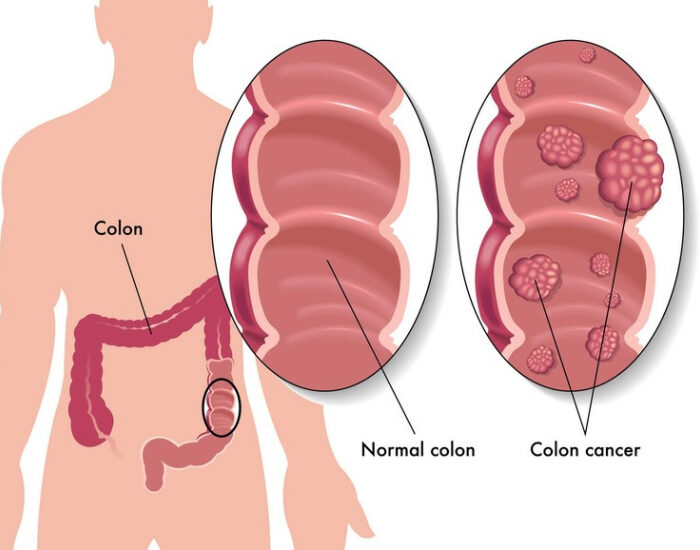
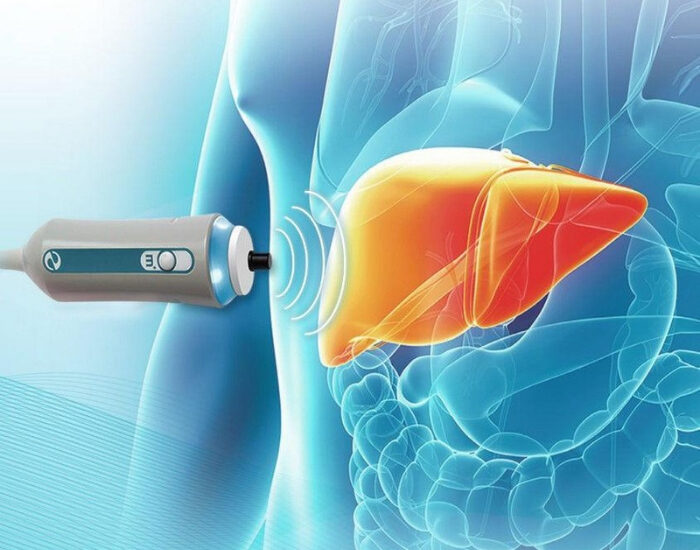
The most common procedures are upper endoscopy (EGD) to look at the esophagus, stomach and duodenum; colonoscopy to examine the colon and remove polyps; flexible sigmoidoscopy; capsule endoscopy for the small intestine; and FibroScan to measure liver stiffness and fat. Most are outpatient and done with sedation. See upper endoscopy, colonoscopy and capsule endoscopy.
Tip: Name your one most bothersome symptom at the start of your visit. Leading with it helps your gastroenterologist focus testing where it matters most.
Where can you get symptom-specific GI treatment near Houston?
Dr. Muhammad Ali Khan provides symptom-specific GI treatment at United Gastroenterology Associates in Katy and Cypress, serving Houston, Fulshear, Richmond and surrounding Texas communities. Explore our pages on abdominal pain, bloating and gas, chronic diarrhea and rectal bleeding, or see our Houston gastroenterologist page.
Get answers instead of guessing
Request a visit with Dr. Muhammad Ali Khan at our Katy and Cypress offices. Most major insurance plans are accepted and self-pay options are available.
Key takeaways
- Symptom-specific GI treatment starts from your main symptom and tests for its likely causes.
- Targeted testing avoids trial-and-error medicine and finds serious problems early.
- Common tests include labs, stool and breath tests, endoscopy and colonoscopy.
- Red flags such as bleeding or weight loss need prompt evaluation.
- Dr. Khan offers GI treatment for Houston-area patients in Katy and Cypress.
Frequently asked questions
Do I need a procedure for every GI symptom?
No. Many problems are diagnosed with history, labs, stool or breath tests. Procedures are used when they will change the diagnosis or treatment.
How long does it take to find the cause?
Many patients have a working diagnosis after the first visit and initial tests, often within a few weeks.
Can I be treated for more than one symptom?
Yes. Symptoms often overlap, such as reflux with bloating, and your plan can address several at once.
Is GI treatment covered by insurance?
Most visits, tests and procedures are covered by major plans. Self-pay options are also available. See our insurance page.
How do I book?
Call (346) 340-4414 or request an appointment online for the Katy or Cypress office.
Do I need a referral to see a gastroenterologist in Katy or Cypress?
It depends on your insurance plan. Many PPO plans let you book a specialist directly, while some HMO plans require a referral from your primary care doctor. Call (346) 340-4414 and the team can help you check.
Sources
- MedlinePlus — Digestive diseases
- NIDDK — Acid reflux (GER and GERD) in adults
- NIDDK — Irritable bowel syndrome
- NIDDK — Diarrhea
- NIDDK — Constipation
- NIDDK — Colonoscopy
- American College of Gastroenterology — Patient resources
Where to be seen in Katy and Cypress
United Gastroenterology Associates has two offices: Katy, at 23920 Katy Freeway, Suite 555, next to Memorial Hermann Katy Hospital, and Cypress, at 21216 Northwest Freeway, Suite 640, on US-290. Both are open Monday through Friday, 8:30 AM to 5:00 PM, closed for lunch from 12:00 to 1:30 PM, and serve patients from Fulshear, Richmond and across Greater Houston. Call (346) 340-4414 for either office.
Katy office
23920 Katy Freeway, Suite 555
Katy, TX 77494
Memorial Hermann Medical Plaza 1
Next steps
If you are dealing with gi treatment in houston or any ongoing digestive concern, a focused evaluation can find the cause and start the right treatment. Dr. Muhammad Ali Khan and the team at United Gastroenterology Associates see adults from Katy, Cypress, Fulshear, Richmond, Greater Houston and across Texas. Call (346) 340-4414 or request an appointment today.
If you have severe pain, vomit blood, pass black stools or have chest pain, call 911 or go to the nearest emergency room.