
Home › Colonoscopy
Screening & Diagnostic Colonoscopy in Katy & Cypress, TX
Colonoscopy in Katy, Cypress & Near Fulshear, TX
In short: At United Gastroenterology Associates, Dr. Muhammad Ali Khan, MD, FACP, FASGE, performs screening and diagnostic colonoscopy for patients of the practice’s Katy and Cypress, TX offices. Adults at average risk should discuss colorectal cancer screening from age 45, or earlier with a family history or other risk factors. The office explains preparation and verifies insurance benefits beforehand. Call (346) 340-4414 to schedule.
United Gastroenterology Associates provides screening and diagnostic colonoscopy for appropriate patients at convenient Katy and Cypress locations, serving patients throughout west and northwest Houston, including Fulshear-area patients who use the Katy location. Most major insurance plans are accepted. Check insurance information.
Dr. Muhammad Ali Khan, MD, FACP, FASGE
Board-Certified Gastroenterologist & Hepatologist
Meet Your Colonoscopy Doctor: Muhammad Ali Khan, MD, FACP, FASGE
BOARD-CERTIFIED Gastroenterologist and Hepatologist
CREDENTIALS AT A GLANCE
Board-Certified
Gastroenterology, hepatology, and internal medicine
Academic Medicine
Former Associate Professor, UT MD Anderson Cancer Center
Published Research
More than 100 peer-reviewed articles in gastroenterology
FACP and FASGE
Fellow, American College of Physicians and American Society for Gastrointestinal Endoscopy
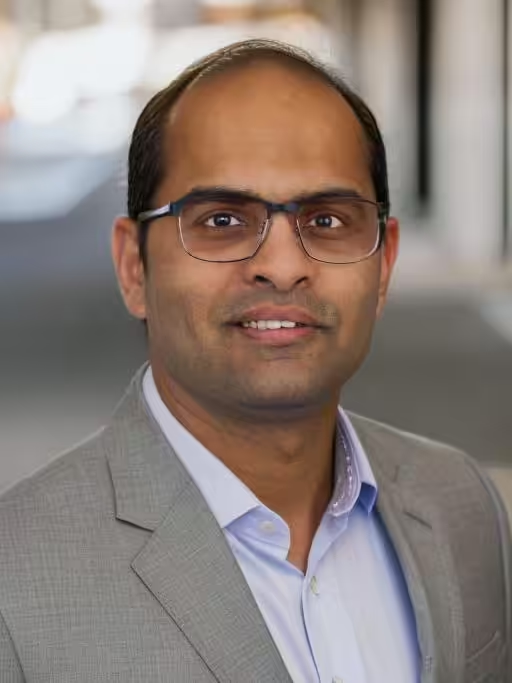
Dr. Muhammad Ali Khan, MD, FACP, FASGE
Board-certified gastroenterologist and hepatologist, United Gastroenterology Associates
Dr. Muhammad Ali Khan, MD, FACP, FASGE, is a board-certified gastroenterologist and hepatologist who sees patients at the United Gastroenterology Associates offices in Cypress and Katy. He performs screening, surveillance and diagnostic colonoscopy, removes polyps, and evaluates bleeding, bowel changes and inflammatory bowel disease.
Dr. Khan earned his medical degree at Dow Medical College, completed an internal medicine residency at the University of Toledo, and completed a gastroenterology and hepatology fellowship at the University of Tennessee Health Science Center. He served as an Assistant Professor at the University of Alabama at Birmingham and as an Associate Professor at The University of Texas MD Anderson Cancer Center.
He is board-certified in gastroenterology, hepatology, and internal medicine, is a Fellow of the American Society for Gastrointestinal Endoscopy (FASGE) and the American College of Physicians (FACP), and has authored more than 100 peer-reviewed articles. Read Dr. Khan’s full profile.
Professional Memberships
- American College of Gastroenterology
- American Society for Gastrointestinal Endoscopy (Fellow)
- American Gastroenterological Association
- American College of Physicians (Fellow)
- Texas Medical Association
- Texas Society of Gastroenterology & Endoscopy
Areas of Care
- Screening colonoscopy
- Diagnostic colonoscopy
- Polyp removal
- Surveillance after polyps
- Rectal bleeding
- Changes in bowel habits
- Crohn's disease and ulcerative colitis
- Upper endoscopy (EGD)
Board-Certified
Gastroenterology, hepatology, and internal medicine
Academic Medicine
Former Associate Professor, UT MD Anderson Cancer Center
Published Research
More than 100 peer-reviewed articles in gastroenterology
FACP and FASGE
Fellow, American College of Physicians and American Society for Gastrointestinal Endoscopy
What Is a Colonoscopy?
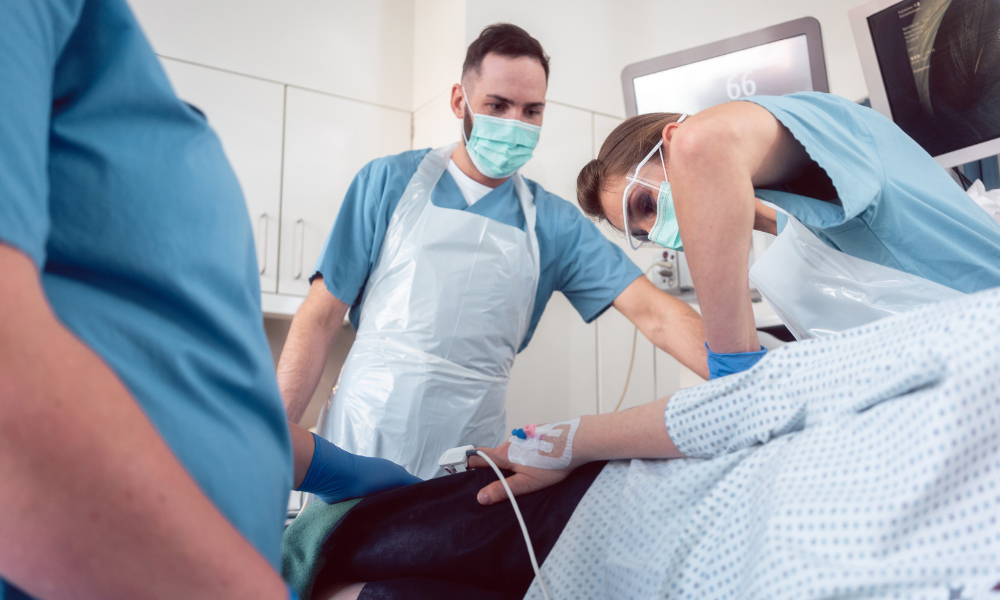
A colonoscopy is a procedure that lets a gastroenterologist examine the lining of the colon and rectum with a thin, flexible camera called a colonoscope, usually under sedation. It can find and remove polyps, take small tissue samples (biopsies), and look for sources of bleeding, inflammation and cancer.
Colonoscopy is used in two main ways: as a screening test for people without symptoms, and as a diagnostic test to investigate symptoms or abnormal test results. Because polyps can be removed during the same procedure, screening colonoscopy can help prevent colorectal cancer, not just find it.
What a colonoscopy can detect · Screening vs diagnostic colonoscopy
Screening Colonoscopy
For people at average risk, current U.S. screening guidance recommends starting colorectal cancer screening at age 45. A normal colonoscopy in an average-risk person is usually repeated in about 10 years. Colonoscopy is one of several screening options; stool-based tests are another, and an abnormal stool test should be followed by a colonoscopy.
Your screening plan can be different if:- A parent, sibling or child has had colorectal cancer or advanced polyps, which often means starting earlier and repeating more often
- You have had polyps removed before, which usually means surveillance colonoscopy at an interval based on what was found
- You have inflammatory bowel disease, certain inherited syndromes or other high-risk conditions
Your gastroenterologist will recommend the timing that fits your history.
Colon cancer screening in Katy and Cypress · Colorectal cancer screening guide · Colonoscopy vs Cologuard
Diagnostic Colonoscopy
A diagnostic colonoscopy investigates symptoms or abnormal results. It may be recommended, based on your evaluation, for:
Rectal Bleeding or Blood in Stool
Bright red blood, maroon stools or blood mixed with stool, after checking for urgent causes.
Persistent Bowel Changes
A new and lasting change in bowel habits, stool size or frequency, especially after age 45.
Unexplained Chronic Diarrhea
Diarrhea lasting weeks, particularly with bleeding, weight loss or nighttime symptoms.
Selected Cases of Constipation
Constipation with bleeding, anemia, weight loss, a new change or when screening is due.
Iron-Deficiency Anemia
When clinically appropriate, to look for slow bleeding in the colon.
Abnormal Stool Test or IBD Care
Following up a positive stool test, and diagnosing or monitoring Crohn’s disease and ulcerative colitis.
Not every symptom requires a colonoscopy. The decision depends on your symptoms, age, history and examination.
Gastroenterology Care for Fulshear Patients
Patients from Fulshear and nearby communities can conveniently visit our Katy gastroenterology office at 23920 Katy Freeway, Suite 555, Katy, TX 77494, about 21 minutes away. United Gastroenterology Associates welcomes new patients seeking evaluation for colonoscopy, colon cancer screening, bowel changes, abdominal pain and other digestive concerns.
What to Expect Before a Colonoscopy
Before your procedure, you will have a consultation or pre-procedure review. The team reviews your medical history and medications and gives you written preparation instructions. Tell your gastroenterologist if you take blood thinners, diabetes medicines, iron or weight-loss injections, because some may need to be adjusted. Do not stop any medicine unless you are told to.
Because sedation is used, plan for a responsible adult to drive you home, and expect to rest for the remainder of the day.
Colonoscopy prep instructions · How to prepare for a colonoscopy
Colonoscopy Preparation
A clean colon is essential for an accurate exam. Your instructions are specific to the prep prescribed for you, but most preparations follow these steps:
A Few Days Before
Many patients switch to a low-fiber, low-residue diet and stop certain supplements as instructed.
The Day Before
A clear-liquid diet, then the first part of the bowel prep in the evening. Stay near a bathroom and keep drinking clear fluids.
The Day of the Procedure
The second part of the prep is usually taken several hours before your arrival, then nothing by mouth for the time specified.
Follow the exact instructions you receive from the office; they may differ from this general overview.
What Happens During the Procedure?
You lie on your side and receive sedation through an IV for comfort. The gastroenterologist gently guides the colonoscope through the rectum and colon, inflating the colon slightly with air or carbon dioxide to see the lining. Polyps can be removed and biopsies taken during the same procedure. The exam usually takes about 30 to 60 minutes, and most people remember little of it.
Colonoscopy is generally safe. Possible risks, such as bleeding after polyp removal, a tear in the colon wall or a reaction to sedation, are uncommon and will be discussed with you beforehand.
After Your Colonoscopy
You rest in a recovery area until the sedation wears off. Mild bloating or gas is common and usually passes quickly. Because of sedation, you should not drive, work or make important decisions for the rest of the day, and most people return to normal activities the next day.
Your gastroenterologist discusses what was seen before you leave. If polyps were removed or biopsies taken, results usually follow within a week or two, along with a recommendation for when you need your next colonoscopy.
Low-residue foods for colonoscopy · Colonoscopy cost and insurance
When Should I Schedule My First Screening Colonoscopy?
If you are at average risk, talk with a gastroenterologist about screening when you turn 45. You may need to start earlier if you have a family history of colorectal cancer or advanced polyps, inflammatory bowel disease, or an inherited condition. If you have symptoms, do not wait for a screening birthday; schedule an evaluation.
When to seek emergency care
Call 911 or go to the emergency room for heavy rectal bleeding, black or tarry stools with dizziness or fainting, or severe abdominal pain.
Schedule an evaluation sooner for
- Rectal bleeding or blood in the stool
- A lasting change in bowel habits
- Unexplained iron-deficiency anemia
- Unexplained weight loss
- A positive stool-based screening test
- A strong family history of colorectal cancer
Screening and diagnostic recommendations are individualized; your gastroenterologist will advise you based on your history.
Colonoscopy at Our Katy and Cypress Offices
Dr. Khan sees patients at the Cypress office at 21216 Northwest Freeway, Suite 640, Cypress, TX 77429, serving Cypress, Tomball, Jersey Village and northwest Houston, and at the Katy office at 23920 Katy Freeway, Suite 555, Katy, TX 77494, serving Katy, Fulshear, Richmond, Rosenberg and west Houston. Fulshear-area patients usually find the Katy office most convenient. Both offices share one phone number for scheduling. Paying without insurance? See our self-pay colonoscopy page.
United Gastroenterology Associates – Cypress Office
Cypress office – Northwest Freeway (US-290)
- Address: 21216 Northwest Freeway, Suite 640, Cypress, TX 77429
- Phone: (346) 340-4414
- Hours: Monday–Friday, 8:30 AM–5:00 PM (closed 12:00–1:30 PM for lunch; last appointment 4:30 PM)
United Gastroenterology Associates – Katy Office
Katy office – Katy Freeway (I-10) near the Grand Parkway
- Address: 23920 Katy Freeway, Suite 555, Katy, TX 77494
- Phone: (346) 340-4414
- Hours: Monday–Friday, 8:30 AM–5:00 PM (closed 12:00–1:30 PM for lunch; last appointment 4:30 PM)
Insurance and Self-Pay Options
United Gastroenterology Associates accepts most major insurance plans. Insurance coverage, benefits and patient responsibility vary by plan and should be verified before treatment or procedures; the office can help you check your benefits. Self-pay options are available.
A carrier logo does not guarantee coverage for a specific plan or service. Call (346) 340-4414 to confirm your benefits.









What Patients Say About Dr. Khan
These reviews were shared by patients of United Gastroenterology Associates and are published on the practice website.
“Dr Kahn and his staff are AWESOME. He is thorough, kind, listens and puts you at ease. The staff are patient and very helpful. I was so afraid of having a colonscopy. Dr Kahn was wonderful. My procedure went so well. It was over and done with in what seemed like a minute! So expect that! Dr Kahn is excellent, I trust him completely. And I recommend him, and his staff.”
Steph Apie · Fulshear
“Dr. Khan is an exceptionally kind and compassionate physician. He truly listens to his patients and takes the time to explain everything clearly and thoroughly. His treatment plans are straightforward and easy to understand, and he provides a very personalized, attentive level of care. I felt respected, heard, and genuinely cared for throughout my visit.”
Maria Andreina Behrens · Katy
“Dr. Khan is an amazing physician. He is so kind hearted & wants to help you in every way possible. He listens & doesn’t make you feel rushed. I feel so comfortable talking to him about anything. I am so glad to have him as my gastro doctor. His staff is outstanding as well. Shout out to Dr. Khan & his staff.”
Donna LaPlante · Cypress
Colonoscopy Guides and Related Care
Learn more about screening, preparation and the conditions colonoscopy helps evaluate.
Colonoscopy Near You
Colonoscopy in Katy
Colonoscopy in Cypress
Colonoscopy for Houston patients
Colonoscopy: Frequently Asked Questions
Answers to common questions about colonoscopy in Katy and Cypress.
At what age should I begin colon cancer screening?
Current U.S. guidance recommends that people at average risk begin colorectal cancer screening at age 45. People with a family history or other risk factors may need to start earlier.
What is the difference between screening and diagnostic colonoscopy?
A screening colonoscopy checks for polyps or cancer in people without symptoms. A diagnostic colonoscopy investigates symptoms such as bleeding or bowel changes, or follows up an abnormal test. Insurance may treat them differently.
How long does colonoscopy preparation take?
Most preparation starts a few days before with a low-fiber diet, followed by clear liquids and a split-dose bowel prep the day before and the morning of the procedure.
Can I drive after a colonoscopy?
No. Because of sedation, you need a responsible adult to drive you home and should not drive for the rest of the day.
Does a colonoscopy hurt?
Most patients receive sedation and feel little or no discomfort during the procedure. Mild bloating afterward is common and passes quickly.
How often do I need a colonoscopy?
For an average-risk person with a normal exam, usually about every 10 years. If polyps are found or you have higher risk, your gastroenterologist will recommend a shorter interval.
Is colonoscopy covered by insurance?
Coverage depends on your plan and whether the procedure is screening or diagnostic. Benefits and patient responsibility should be verified before the procedure; the office can help.
Where can I get a colonoscopy near Katy, Cypress or Fulshear?
Dr. Muhammad Ali Khan sees patients at 23920 Katy Freeway, Suite 555, Katy, TX 77494 and 21216 Northwest Freeway, Suite 640, Cypress, TX 77429. Fulshear patients usually use the Katy location. Call (346) 340-4414 to schedule a colonoscopy consultation.
Need a Gastroenterology Appointment?
United Gastroenterology Associates welcomes new patients at our Katy and Cypress offices. Send a request and our team will contact you to schedule, or call (346) 340-4414.
- Board-certified gastroenterologist & hepatologist
- Most major insurance plans accepted
- Katy and Cypress locations
- Convenient access for Fulshear patients at the Katy office
- Colonoscopy and endoscopy available when clinically appropriate
Request an Appointment
Tell us how to reach you. Please do not include detailed medical information; we will discuss your symptoms when we call.
Prefer to book yourself? Use our online scheduler. Insurance coverage, benefits and patient responsibility vary by plan and should be verified before treatment or procedures. View insurance information. For a medical emergency, call 911.
Sources
- US Preventive Services Task Force. Screening for Colorectal Cancer: US Preventive Services Task Force Recommendation Statement. JAMA. 2021;325(19):1965–1977. doi.org/10.1001/jama.2021.6238
- National Institute of Diabetes and Digestive and Kidney Diseases. Colonoscopy. niddk.nih.gov
This page provides general educational information and does not replace medical advice, diagnosis, or treatment. Symptoms should be evaluated by a qualified medical professional. For a medical emergency, call 911. Content reviewed by United Gastroenterology Associates, PLLC. Last updated September 30, 2026.