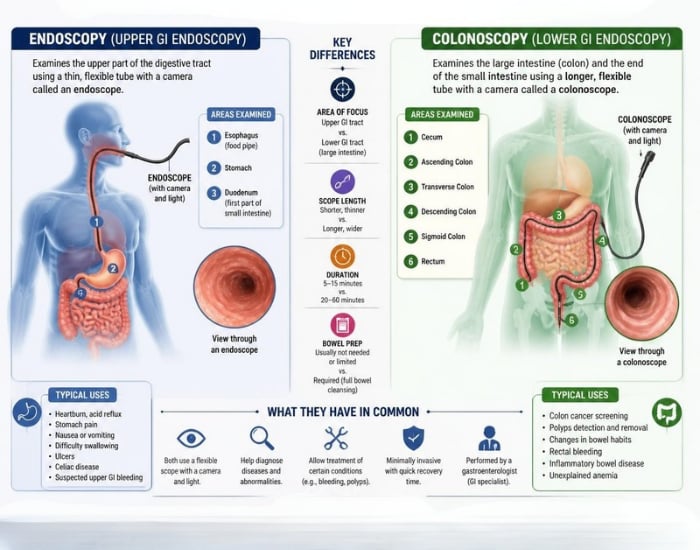
The answer depends on more than convenience. Your age, personal and family medical history, previous screening results, symptoms and overall colorectal cancer risk all matter. For some average-risk adults, either test may be an appropriate screening option. For others, colonoscopy may be the more appropriate choice, and people with concerning symptoms generally need diagnostic evaluation rather than relying on a home screening test.
Important Note
There is no single colorectal cancer screening test that is perfect for everyone. The most important screening test is one that is appropriate for your risk level and that you can complete on the recommended schedule. Understanding the difference between colonoscopy and Cologuard can help you have a more informed conversation with your doctor instead of choosing a test based only on convenience.
Colonoscopy vs. Cologuard: What Is the Difference?
Cologuard is a stool-based screening test that looks for certain DNA changes and blood associated with colorectal cancer and some precancerous lesions, while Colonoscopy examines the inside of the colon directly.
Colonoscopy is performed by a gastroenterologist using a flexible camera called a colonoscope. The physician can examine the lining of the rectum and colon and, when appropriate, remove polyps or obtain biopsies during the same procedure.
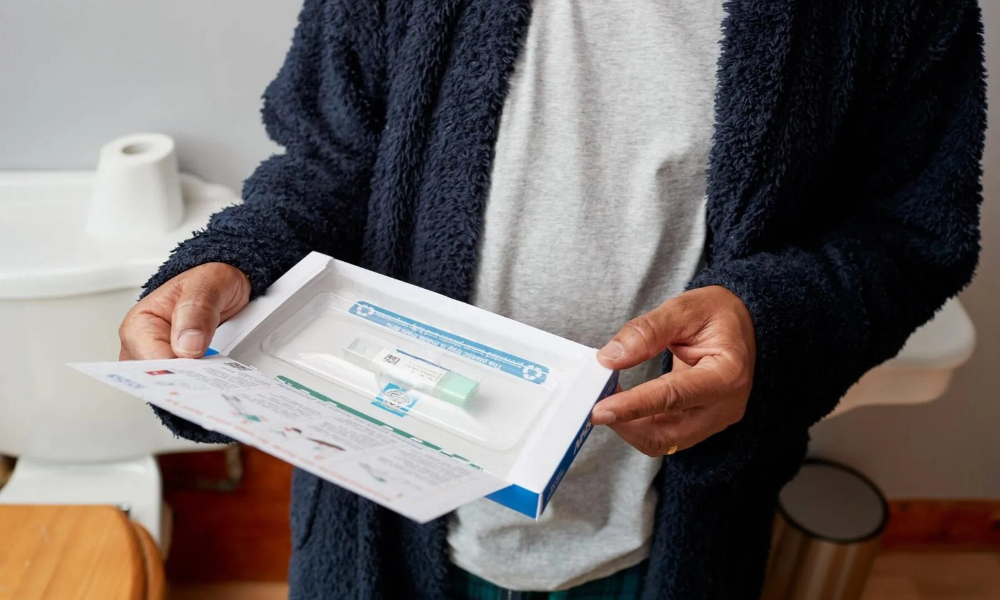
Cologuard, also known as a multitarget stool DNA test, is completed at home. A stool sample is collected and sent to a laboratory for analysis. The test does not require bowel preparation, sedation or insertion of a scope.
These differences are important because the tests have different strengths and limitations. Colonoscopy provides direct visualization and can prevent some colorectal cancers by allowing precancerous polyps to be removed. Cologuard is noninvasive and convenient, but a positive result requires follow-up colonoscopy.
What Is a Colonoscopy?
A colonoscopy is an examination of the colon and rectum using a flexible tube with a small camera. Before the procedure, patients follow bowel preparation instructions designed to clear stool from the colon so the physician can see the intestinal lining as clearly as possible.
During the examination, the gastroenterologist looks for polyps, abnormal tissue, inflammation, bleeding sources, masses and other changes. If a removable polyp is discovered, it may often be removed during the procedure. If an area looks abnormal, a biopsy may be taken for laboratory analysis.
This ability to both detect and treat certain abnormalities during the same examination is one of the most important differences between colonoscopy and stool-based screening.
Colonoscopy can be used for routine colorectal cancer screening in appropriate patients as well as diagnostic evaluation when symptoms or previous test results require a closer examination.
Learn more about screening colonoscopy.
What Is Cologuard?
Cologuard is a noninvasive stool-based colorectal cancer screening test that can be completed at home. It analyzes a stool sample for certain molecular markers associated with colorectal cancer and precancerous lesions, along with blood in the stool.
The convenience is one of its biggest advantages. There is no bowel preparation, sedation or procedure involving a colonoscope.
However, Cologuard is a screening test, not a diagnostic colon examination. It does not allow a physician to directly inspect the colon or remove a polyp.
If the test produces a positive result, the next step is generally a diagnostic colonoscopy. A positive Cologuard result does not mean that you have cancer, but it does mean the finding needs to be evaluated appropriately.
How Does Colonoscopy Compare With Cologuard?
The simplest way to understand the difference is to think about what each test is designed to do.
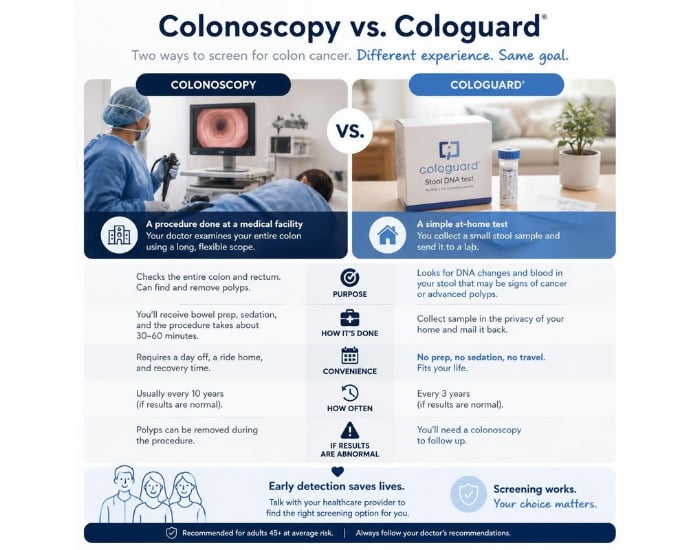
Colonoscopy provides a direct visual examination of the colon and offers the opportunity to remove certain polyps during the same procedure. Cologuard provides a noninvasive screening approach that can be performed at home but does not directly examine the colon.
For an average-risk person who is deciding between recommended screening options, the choice may come down to the person's preferences after understanding the benefits, limitations and recommended follow-up associated with each test.
| Feature | Colonoscopy | Cologuard |
|---|---|---|
| Type of test | Endoscopic examination | Stool-based screening |
| Where it is performed | Medical facility | At home |
| Bowel preparation | Required | Not required |
| Directly views colon | Yes | No |
| Can remove polyps? | Yes, when appropriate | No |
| If positive | Further management depends on findings | Follow-up diagnostic colonoscopy is needed |
Which Is More Accurate: Colonoscopy or Cologuard?
The answer depends on what you mean by “accurate.” Colonoscopy and Cologuard do not work in the same way, so their strengths should not be reduced to one number.
Colonoscopy directly examines the lining of the colon and can identify abnormalities that may not produce a detectable stool signal. It can also remove certain polyps during the same procedure.
Cologuard is designed to identify molecular and blood-related signals in stool that may indicate colorectal cancer or certain precancerous lesions. It is a useful screening option for appropriate average-risk adults, but it can produce both false-positive and false-negative results.
No screening test should be interpreted as a guarantee. The important question is whether the test is appropriate for your individual risk and whether you will complete the recommended follow-up.
What Happens If Cologuard Is Positive?
A positive Cologuard test does not automatically mean you have colon cancer.
It means the test detected findings that require further evaluation. The recommended next step is a diagnostic colonoscopy, which allows a gastroenterologist to directly inspect the colon and determine whether polyps, cancer or another condition is present.
This is an important distinction. A stool-based test can indicate that further investigation is needed, but it cannot remove a polyp or directly determine what is happening inside the colon.
If a Cologuard test is positive, it is important not to ignore the result simply because you feel well. Colorectal cancer and precancerous polyps can exist without obvious symptoms.
What If My Cologuard Test Is Negative?
A negative Cologuard result means the test did not detect the markers it was designed to identify at that time. It does not mean that colorectal cancer or precancerous polyps are impossible.
Screening needs to be repeated according to the recommended schedule for the particular test and the individual's risk profile.
If you develop symptoms such as rectal bleeding, unexplained anemia or a persistent change in bowel habits, a negative stool screening test should not be used as a reason to dismiss those symptoms. Symptomatic patients may require diagnostic evaluation.
Is Cologuard Better Than Colonoscopy?
Cologuard is not simply “better” or “worse” than colonoscopy. The tests serve different roles and have different trade-offs.
For someone who strongly prefers a noninvasive screening approach and is an appropriate candidate for stool-based screening, Cologuard may be an appealing option.
For someone who wants direct visualization of the colon and the ability to remove certain polyps during the examination, colonoscopy offers capabilities that Cologuard does not.
The best screening strategy is the one that matches your risk level and medical situation and that you can follow through with appropriately.
Is Colonoscopy More Effective at Preventing Colon Cancer?
One important distinction is that colonoscopy can potentially prevent colorectal cancer by identifying and removing certain precancerous polyps.
When a polyp is removed, that particular lesion is no longer present to potentially progress. This is different from a screening test that identifies signals suggesting that additional evaluation is necessary.
That does not mean stool-based screening has no role in prevention. Regular colorectal cancer screening can reduce the risk of dying from colorectal cancer by helping identify disease earlier, and some stool-based tests can detect certain precancerous lesions.
The key is to complete screening consistently and follow up appropriately when a test result is abnormal.
Who Can Consider Cologuard?
Cologuard is intended for certain adults at average risk for colorectal cancer. Eligibility can depend on age, personal history, family history and other medical factors.
It is not automatically appropriate for people with symptoms or those at increased risk for colorectal cancer. A person with a history of certain polyps, colorectal cancer, inflammatory bowel disease, certain hereditary cancer syndromes or significant family history may need a different screening strategy.
This is why choosing a screening test should begin with determining your risk category rather than simply asking which test is easiest.
Who May Need Colonoscopy Instead?
Colonoscopy may be particularly important when a person needs direct examination of the colon rather than routine average-risk screening.
This can include people with certain symptoms, previous abnormal screening results, a history of colorectal polyps or cancer, certain high-risk family histories, inflammatory bowel disease or other factors that increase colorectal cancer risk.
For example, if someone has persistent rectal bleeding, unexplained iron-deficiency anemia or a concerning change in bowel habits, the question is no longer simply, “Which screening test should I take?” The appropriate question may be, “What diagnostic evaluation do I need?”
Can You Use Cologuard Instead of Colonoscopy If You Have Symptoms?
Not necessarily. This is one of the most important distinctions to understand.
Cologuard is a screening test for appropriate individuals without symptoms suggestive of colorectal disease. If you have symptoms that require investigation, your physician may recommend diagnostic testing rather than relying on an at-home screening test.
For example, persistent rectal bleeding should be medically evaluated rather than simply tested with Cologuard.
Likewise, unexplained iron-deficiency anemia, significant unexplained weight loss or persistent changes in bowel habits may require a more comprehensive evaluation.
Learn more about our blood in stool specialist services.
Important Note
It is easy to assume that a home stool test is always the simpler answer. But if you have symptoms or an elevated colorectal cancer risk, the right test may be different. A positive stool test also does not end the screening process—it generally leads to colonoscopy. Your symptoms and medical history should guide the decision.
What Are the Advantages of Colonoscopy?
Colonoscopy has several important advantages. The most obvious is that it provides a direct examination of the colon and rectum.
It also allows the physician to identify and remove many polyps during the same procedure. If an area appears abnormal, a biopsy can often be obtained immediately.
Another advantage is that, for people with a normal screening colonoscopy and average risk, the recommended interval between screening examinations can be relatively long compared with some other screening strategies.
However, colonoscopy requires preparation, involves a procedure and typically requires some form of sedation or anesthesia. Patients generally need someone to take them home afterward and should plan for recovery time according to their medical team's instructions.
What Are the Advantages of Cologuard?
The biggest advantage of Cologuard is convenience. It can be completed at home without bowel preparation, sedation or a colonoscope.
For people who are reluctant to undergo colonoscopy, a home-based screening option may make it easier to participate in colorectal cancer screening.
That matters because an incomplete or avoided screening process provides no protection. A person who refuses colonoscopy but is willing and eligible to complete an appropriate stool-based screening test may be better protected by completing that screening than by doing nothing.
However, Cologuard has an important limitation: if the result is positive, colonoscopy is needed for diagnostic evaluation.
What Are the Disadvantages of Colonoscopy?
Colonoscopy requires preparation, which many patients consider the most difficult part of the process. The colon needs to be sufficiently clean so the physician can see the lining properly.
The procedure also involves sedation in many cases and requires temporary activity restrictions afterward. As with any medical procedure, colonoscopy carries potential risks, although serious complications are uncommon.
Your physician can explain the specific risks and benefits based on your medical history.
What Are the Disadvantages of Cologuard?
Cologuard does not directly examine the colon and cannot remove polyps.
It can also produce positive results that are not caused by colorectal cancer, meaning some people will undergo follow-up colonoscopy even though cancer is not ultimately found.
Conversely, a negative result does not guarantee that colorectal cancer or a precancerous lesion is absent.
Another important consideration is adherence. Stool-based screening needs to be repeated at the recommended interval. Skipping future tests reduces the benefit of a screening strategy that depends on regular testing.
How Often Should You Get a Colonoscopy?
The recommended interval depends on why you are having the procedure and what was found.
For many average-risk adults who have a normal screening colonoscopy, screening is commonly repeated every 10 years. However, this does not apply to everyone.
If polyps are found, the appropriate interval may be shorter. The number, size and type of polyps, along with the quality of the examination and other factors, can influence the recommendation.
People with increased colorectal cancer risk may also require a different schedule.
Never assume that a previous recommendation applies forever. Your gastroenterologist should review your current risk factors and previous results when determining your next screening date.
When Should Colorectal Cancer Screening Begin?
For adults at average risk, colorectal cancer screening generally begins at age 45 under current major U.S. recommendations.
Some people should begin earlier because of increased risk. Family history, personal history of polyps or colorectal cancer, inflammatory bowel disease and certain inherited conditions can affect when screening should begin and which test is appropriate.
Screening is important even if you feel completely healthy. Colorectal cancer and precancerous polyps can develop without noticeable symptoms.
Learn more about colorectal cancer screening.
What If Colon Cancer Runs in Your Family?
A family history of colorectal cancer can change your screening strategy.
If a close relative has had colorectal cancer or certain advanced polyps, your physician may recommend beginning screening earlier or undergoing colonoscopy rather than relying on an average-risk screening schedule.
The details matter. Your doctor may ask which relative was affected, their age at diagnosis and whether additional family members have had colorectal cancer or related cancers.
If you know your family's medical history, bring those details to your appointment.
What If You Have a Personal History of Colon Polyps?
A previous history of colorectal polyps can also affect future screening.
Once a polyp has been removed, the pathology report becomes important. The type, size, number and other features can determine when another colonoscopy should be performed.
This is one reason it is valuable to keep copies of previous colonoscopy and pathology reports. Your current gastroenterologist can use that information when developing an appropriate surveillance plan.
What If You Have Blood in Your Stool?
Blood in the stool should not automatically be treated as a routine screening issue.
Although hemorrhoids are common, rectal bleeding can have many possible causes, including polyps, diverticular disease, inflammation and colorectal cancer.
If you notice persistent or unexplained blood in the stool, discuss it with a healthcare professional. Depending on your age, symptoms and risk factors, a diagnostic colonoscopy may be more appropriate than an at-home stool screening test.
Read more about rectal bleeding evaluation in Cypress and Katy.
Not Sure Which Colorectal Cancer Screening Test Is Right for You?
You do not have to choose between colonoscopy and Cologuard without understanding your personal risk. A gastroenterologist can review your age, symptoms, family history and previous screening results and help determine the appropriate next step.
Learn more about colonoscopy services or explore our colorectal cancer screening resources.
Colonoscopy vs. Cologuard: Which Should You Choose?
For an average-risk adult who has no concerning symptoms, both colonoscopy and Cologuard may be reasonable screening options depending on current recommendations and individual circumstances.
Colonoscopy offers direct visualization, polyp removal and biopsy during the same procedure. Cologuard offers convenience and can be completed at home without bowel preparation or sedation.
The decision becomes different when symptoms, previous polyps, family history, inflammatory bowel disease or other risk factors are present. In those situations, your physician may recommend colonoscopy or another diagnostic strategy.
Perhaps the most important principle is this: the best colorectal cancer screening test is one that is appropriate for your risk and that you will actually complete on schedule.
If you are eligible for screening but have been postponing it because you are uncertain about the options, talking with a gastroenterologist can help you understand your choices without pressure.
Colonoscopy and Colorectal Cancer Screening in Cypress and Katy, TX
For patients in Cypress, Katy and surrounding Houston communities, United Gastro TX provides gastroenterology services focused on digestive health, colorectal cancer screening and colonoscopy.
You can learn more about colonoscopy in Cypress, TX and colonoscopy in Katy, TX.
If you are due for colorectal cancer screening, have a positive stool test or have symptoms that require evaluation, a gastroenterologist can help determine whether colonoscopy or another diagnostic approach is appropriate.

Take the Next Step in Colorectal Cancer Screening
Whether you are considering your first screening test, deciding between colonoscopy and Cologuard, or need follow-up after an abnormal result, getting personalized guidance can help you move forward with confidence.
Explore new patient information and learn more about digestive health services available through United Gastro TX.
Frequently Asked Questions About Colonoscopy vs. Cologuard
Is colonoscopy better than Cologuard?
Neither test is universally “better.” Colonoscopy provides direct examination of the colon and allows certain polyps to be removed, while Cologuard offers a convenient, noninvasive screening option for appropriate average-risk adults. Your individual risk and preferences should guide the decision.
Can Cologuard replace a colonoscopy?
For some average-risk adults, Cologuard is an accepted colorectal cancer screening option. However, it does not replace diagnostic colonoscopy when a Cologuard result is positive or when symptoms or risk factors indicate that direct evaluation is needed.
What happens if Cologuard is positive?
A positive Cologuard result generally requires follow-up diagnostic colonoscopy. A positive result does not mean you have cancer, but it should be evaluated rather than ignored.
Can Cologuard detect polyps?
Cologuard is designed to detect certain signals associated with colorectal cancer and some precancerous lesions. It cannot directly see or remove a polyp. Colonoscopy can directly identify and remove many polyps during the procedure.
Is Cologuard as good as a colonoscopy?
Cologuard and colonoscopy are different types of screening tests. Colonoscopy provides direct visualization and allows intervention, while Cologuard is noninvasive and performed at home. The appropriate option depends on your risk, medical history and screening preferences.
Do I still need a colonoscopy if my Cologuard is negative?
A negative Cologuard result does not mean you will never need a colonoscopy. You should continue colorectal cancer screening according to the recommended schedule, and a colonoscopy may become appropriate if you develop symptoms, have an abnormal future screening test or develop other risk factors.
Can I use Cologuard if I have blood in my stool?
You should discuss rectal bleeding with a healthcare professional rather than assuming a stool screening test is sufficient. Depending on your symptoms and risk factors, diagnostic evaluation such as colonoscopy may be recommended.
At what age should I start colon cancer screening?
For adults at average risk, colorectal cancer screening generally begins at age 45. People with increased risk may need to begin earlier or follow a different screening strategy.
How often should I have a colonoscopy?
The interval depends on your individual risk and previous findings. Many average-risk adults with a normal screening colonoscopy are advised to repeat screening in 10 years, while people with polyps or other risk factors may need earlier follow-up.
Which test is easier, colonoscopy or Cologuard?
Cologuard is generally more convenient because it can be completed at home without bowel preparation or sedation. Colonoscopy requires preparation and a medical procedure but offers direct visualization and the ability to remove certain polyps.
Final Thoughts
Choosing between colonoscopy and Cologuard is not simply a choice between an “easy” test and a “thorough” test. Each has a different purpose, process and follow-up pathway.
For appropriate average-risk adults, Cologuard can offer a convenient way to participate in colorectal cancer screening. Colonoscopy provides a more direct examination and can identify and remove many precancerous polyps during the same procedure.
If a screening test is positive, follow-up matters. If you have symptoms, your situation may require diagnostic evaluation rather than routine screening. And if your personal or family history puts you at higher risk, your gastroenterologist may recommend a different approach altogether.
The most important step is not to postpone colorectal cancer screening because you are uncertain about which option to choose. Discuss your choices with a qualified healthcare professional and choose a screening strategy that fits your medical needs and that you can follow consistently.
Medical Disclaimer: This article is provided for general educational purposes and does not constitute medical advice, diagnosis or treatment. Colorectal cancer screening recommendations can vary according to age, personal and family history, symptoms, previous test results and other risk factors. If you have rectal bleeding, unexplained anemia, persistent changes in bowel habits, unexplained weight loss or other concerning symptoms, consult a qualified healthcare professional for personalized evaluation.
Where to be seen in Katy and Cypress
United Gastroenterology Associates has two offices: Katy, at 23920 Katy Freeway, Suite 555, next to Memorial Hermann Katy Hospital, and Cypress, at 21216 Northwest Freeway, Suite 640, on US-290. Both are open Monday through Friday, 8:30 AM to 5:00 PM, closed for lunch from 12:00 to 1:30 PM, and serve patients from Fulshear, Richmond and across Greater Houston. Call (346) 340-4414 for either office.
Katy office
23920 Katy Freeway, Suite 555
Katy, TX 77494
Memorial Hermann Medical Plaza 1
Next steps
If you are dealing with colonoscopy vs cologuard or any ongoing digestive concern, a focused evaluation can find the cause and start the right treatment. Dr. Muhammad Ali Khan and the team at United Gastroenterology Associates see adults from Katy, Cypress, Fulshear, Richmond, Greater Houston and across Texas. Call (346) 340-4414 or request an appointment today.
If you have severe pain, vomit blood, pass black stools or have chest pain, call 911 or go to the nearest emergency room.