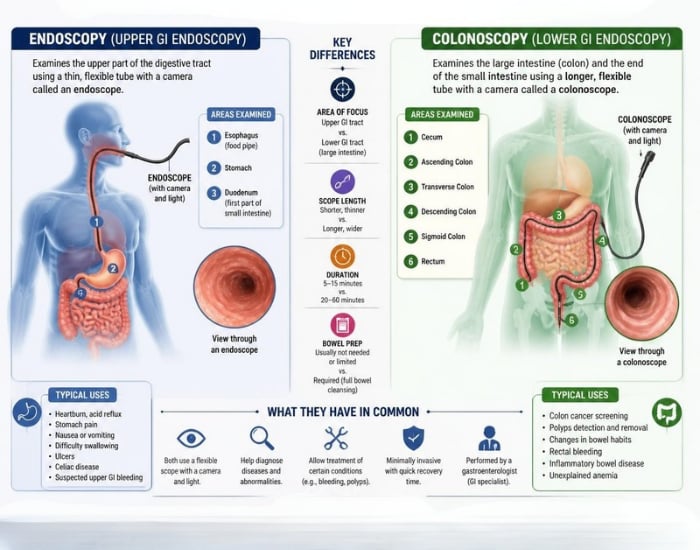
For many patients, one of the first questions after a doctor recommends a colonoscopy is, “How much will this cost?” This is a completely reasonable concern. While colonoscopy is an important tool for preventing colorectal cancer and diagnosing digestive problems, the cost can vary depending on several factors.
The final price of a colonoscopy may depend on whether the procedure is performed for screening or diagnostic reasons, your insurance coverage, whether polyps are removed, facility fees, anesthesia services, and additional testing that may be required.
For patients in Katy and Cypress, TX, understanding these factors can make the process easier and help you prepare before your appointment.
Important Note
Many patients delay important digestive health procedures because they are worried about unexpected costs. Learning what affects colonoscopy pricing, what insurance may cover, and what questions to ask beforehand can help you make informed decisions without unnecessary stress.
What Determines the Cost of a Colonoscopy?
The cost of a colonoscopy is not a single fixed amount because several factors influence the final price of the procedure.
When patients search online for colonoscopy costs, they often find a wide range of prices. This happens because every patient’s situation is different. A routine screening colonoscopy for a healthy patient may involve different costs compared with a diagnostic colonoscopy performed because of symptoms or abnormal test results.
Some of the main factors that affect colonoscopy cost include:
- The reason the colonoscopy is being performed
- Whether the procedure is screening or diagnostic
- Your insurance coverage and benefits
- Your deductible and copay requirements
- Anesthesia services
- Facility charges
- Pathology testing if tissue samples are collected
- Removal of polyps during the procedure
Because these details vary from patient to patient, the best way to understand your expected cost is to discuss your specific situation with your gastroenterology office and insurance provider.
How Much Does a Colonoscopy Cost With Insurance?
For patients with insurance, the cost of a colonoscopy depends on their specific insurance plan, the reason for the procedure, and whether additional services are needed.
Many insurance plans provide coverage for preventive colorectal cancer screening because early detection can help identify problems before they become more serious.
However, patients should understand that coverage rules can differ between insurance plans.
Your out-of-pocket cost may depend on:
- Whether your colonoscopy is classified as screening or diagnostic
- Your annual deductible status
- Your insurance network requirements
- Your plan’s preventive care benefits
- Whether additional procedures are performed
Before your appointment, it is helpful to confirm your benefits and ask what expenses you may be responsible for.
Questions to consider asking include:
- Is my colonoscopy considered preventive screening?
- Will I have any out-of-pocket expenses?
- Are anesthesia and pathology services covered?
- Is the gastroenterologist in my insurance network?
United Gastroenterology Associates works with patients to help them understand their insurance options and prepare for their digestive healthcare needs.
Learn more about insurance information:
How Much Does a Colonoscopy Cost Without Insurance?
Patients without insurance may have different pricing options depending on the type of colonoscopy, services required, and the healthcare facility providing the procedure.
Not having insurance does not mean you cannot receive important digestive healthcare. Many patients without insurance still need colonoscopy evaluation for symptoms, preventive screening, or follow-up after abnormal test results.
When discussing self-pay colonoscopy options, patients should ask about what is included in the total cost.
Important questions include:
- Does the price include the procedure itself?
- Are physician fees included?
- Are anesthesia services included?
- Are pathology fees separate?
- Are preparation instructions and medications included?
Understanding the complete cost structure can help prevent confusion and allow you to plan appropriately.
United Gastroenterology Associates provides digestive health services for patients in Katy, Cypress, and surrounding communities, including options for patients who need guidance regarding payment and insurance questions.
Learn more:
Gastroenterology Care Without Insurance
Does Screening vs Diagnostic Colonoscopy Affect Cost?
Yes, whether your colonoscopy is classified as screening or diagnostic may affect how the procedure is processed and what costs you may experience.
A screening colonoscopy is performed to look for colorectal cancer or precancerous polyps in patients who do not have symptoms.
A diagnostic colonoscopy is performed because there is a medical concern that requires evaluation, such as:
- Blood in stool
- Persistent abdominal discomfort
- Unexplained anemia
- Changes in bowel habits
- Abnormal stool testing results
The actual procedure may look similar, but the reason behind the procedure can influence insurance classification.
For example, a patient who schedules a routine colorectal cancer screening may have different coverage considerations compared with a patient undergoing colonoscopy after an abnormal screening test.
Common Colonoscopy Cost Factors at a Glance
| Cost Factor | Why It Matters |
|---|---|
| Insurance Coverage | Determines benefits, deductibles, copays, and patient responsibility. |
| Procedure Type | Screening and diagnostic colonoscopies may be handled differently. |
| Polyp Removal | Additional services may affect final charges. |
| Pathology Testing | Laboratory analysis may create additional costs. |
| Anesthesia | Sedation services may be billed separately depending on coverage. |
What Additional Costs Should You Consider Before a Colonoscopy?
Understanding possible additional expenses before your colonoscopy can help you avoid surprises and better prepare for your appointment.
Many patients assume the colonoscopy procedure itself is the only cost involved. However, several parts of the process may contribute to the overall expense depending on your insurance plan, medical situation, and the services required.
Before scheduling your procedure, it is helpful to understand that colonoscopy care usually involves multiple steps, including consultation, preparation, the procedure itself, recovery, and possible laboratory evaluation.
Some additional costs that may apply include:
Gastroenterologist Consultation Fees
Some patients meet with a gastroenterologist before their colonoscopy, especially if they have symptoms, abnormal test results, or a complex medical history.
During this visit, your doctor reviews your health history, medications, symptoms, and reasons for needing the procedure. This consultation helps determine whether colonoscopy is the appropriate next step.
Colonoscopy Preparation Costs
Before the procedure, patients typically need bowel preparation medication to clean the colon. This allows the gastroenterologist to clearly examine the colon lining and identify abnormalities such as polyps or inflammation.
The cost of preparation medications can vary depending on the product prescribed, your insurance coverage, and pharmacy pricing.
Anesthesia or Sedation Services
Many patients receive sedation during colonoscopy to improve comfort and relaxation. Depending on your insurance plan and the facility arrangement, anesthesia services may be billed separately.
Before your procedure, ask whether sedation services are included in your expected coverage or if they require additional payment.
Pathology Testing After Polyp Removal or Biopsy
If your gastroenterologist finds a polyp or takes a tissue sample during colonoscopy, the sample may be sent to a laboratory for further evaluation.
This laboratory analysis helps determine whether abnormal cells are present and guides future recommendations.
Because pathology services may be separate from the procedure itself, patients should understand how these services are handled by their insurance plan.
Does Colonoscopy Preparation Add to the Total Cost?
Yes, colonoscopy preparation may contribute to the overall cost, although the amount varies based on the medication prescribed and insurance coverage.
Colonoscopy preparation is one of the most important parts of the procedure. A properly cleaned colon allows your gastroenterologist to detect small polyps, areas of inflammation, bleeding sources, or other abnormalities more accurately.
Some patients worry about the preparation process, but modern preparation options have improved significantly. Your healthcare team can provide instructions to make the process as comfortable as possible.
Preparation-related expenses may include:
- Bowel cleansing medication
- Special dietary recommendations before the procedure
- Clear liquids or approved preparation supplies
- Transportation arrangements after sedation
Following preparation instructions carefully is important because an incomplete bowel preparation may result in reduced visibility during the colonoscopy and, in some cases, the need to repeat the procedure.
Important Note
Cost concerns are common, but delaying a recommended colonoscopy because of uncertainty may allow important digestive health issues to go undetected. Understanding your options, asking questions, and discussing financial concerns with your healthcare team can help you move forward with confidence.
Questions to Ask Your Insurance Provider Before a Colonoscopy
Speaking with your insurance provider before your procedure can help you understand your expected financial responsibility.
Insurance coverage can be confusing because every plan has different rules regarding preventive care, diagnostic procedures, deductibles, and provider networks.
Before your colonoscopy appointment, consider asking your insurance company these questions:
- Is colonoscopy covered under my current plan?
- Is my procedure considered screening or diagnostic?
- Will I have a deductible, copay, or coinsurance?
- Are anesthesia services covered?
- Are pathology services covered if polyps are removed?
- Is my gastroenterologist considered in-network?
- Is the procedure facility covered under my plan?
These questions can provide a clearer picture of your expected expenses and help you prepare before the procedure date.
Have symptoms like these?
Dr. Muhammad Ali Khan, a board-certified gastroenterologist and hepatologist, sees adults at our Katy and Cypress offices, serving patients across Greater Houston.
What Are Colonoscopy Options for Patients Without Insurance?
Patients without insurance may still have options for receiving important colonoscopy care.
Many people assume that lack of insurance means they must delay medical evaluation. However, delaying recommended digestive care can sometimes allow conditions to worsen or become more difficult to treat.
Patients without insurance may benefit from discussing:
- Self-pay procedure options
- Available payment arrangements
- Cost estimates before scheduling
- Financial assistance information
Every patient’s situation is different, so having a direct conversation with the gastroenterology office is the best way to understand available options.
At United Gastroenterology Associates, patients in Katy and Cypress can receive guidance about digestive health services, procedures, and questions related to insurance or payment options.
Choosing the Right Gastroenterologist for Colonoscopy Care
While cost is an important factor, choosing an experienced gastroenterologist is also essential for receiving safe, thorough, and patient-focused care.
A colonoscopy is not simply a procedure. It is an opportunity to identify problems early, prevent colorectal cancer, and better understand your digestive health.
When choosing a gastroenterology provider, consider:
- Board certification and medical experience
- Experience performing colonoscopy procedures
- Clear communication about preparation and expectations
- Availability of follow-up care
- Convenient location and appointment access
Patients often feel more comfortable when they know their questions are being answered and their concerns are taken seriously.
United Gastroenterology Associates provides digestive health services for patients throughout Katy, Cypress, and surrounding communities, including colonoscopy evaluation and colorectal cancer screening.
Why Colonoscopy Is an Important Investment in Your Health
A colonoscopy is more than a medical expense — it is an important investment in preventing serious digestive health problems.
Colorectal cancer is often preventable when precancerous polyps are identified and removed early. Colonoscopy allows gastroenterologists to directly examine the colon and address problems before they progress.
For patients experiencing symptoms such as:
- Blood in stool
- Unexplained changes in bowel habits
- Persistent abdominal discomfort
- Unexplained anemia
- Abnormal colorectal screening results
a colonoscopy can provide important answers.
Although thinking about medical costs can feel stressful, understanding the value of early detection can help patients make informed decisions about their health.

How to Prepare Financially for Your Colonoscopy
A little preparation before your appointment can make the financial process much easier.
Before your procedure date, consider:
- Reviewing your insurance benefits
- Confirming provider network status
- Requesting an estimate of expected costs
- Understanding whether your procedure is screening or diagnostic
- Planning for preparation medication expenses
- Asking questions about possible additional charges
Being informed allows you to focus less on financial uncertainty and more on receiving the healthcare you need.
Colonoscopy Cost and Digestive Care in Katy and Cypress, TX
For patients searching for colonoscopy cost information in Katy and Cypress, understanding the process, coverage options, and available digestive care resources can make scheduling a procedure much easier.
At United Gastroenterology Associates, patients receive personalized gastroenterology care focused on accurate diagnosis, preventive health, and long-term digestive wellness.
Whether you need a routine screening colonoscopy, follow-up after an abnormal screening test, or evaluation for digestive symptoms, your care plan should be based on your individual health needs.
A trusted gastroenterology team can help explain:
- Why your colonoscopy is recommended
- Whether your procedure is screening or diagnostic
- What preparation involves
- How insurance benefits may apply
- What questions to ask before scheduling
Having clear information before your procedure can reduce stress and help you feel prepared.
Why the Benefits of Colonoscopy Go Beyond the Cost
Although cost is an important consideration, the long-term health benefits of colonoscopy make it one of the most valuable preventive healthcare procedures available.
Colonoscopy plays an important role in preventing colorectal cancer because it allows doctors to identify and remove certain polyps before they become cancerous.
Unlike many medical tests that only detect existing disease, colonoscopy can help prevent future health problems by addressing potential risks early.
This is especially important because colorectal conditions do not always cause noticeable symptoms in the early stages.
A person may feel completely healthy while still having:
- Small colon polyps
- Early changes in the colon lining
- Sources of hidden bleeding
- Early signs of digestive disease
Regular screening and appropriate follow-up can help identify these concerns before they become more serious.
Common Financial Concerns Patients Have About Colonoscopy
Many patients have questions about colonoscopy costs, and understanding these concerns can help you make informed healthcare decisions.
"What if I cannot afford my colonoscopy?"
If cost is a concern, do not assume you have no options. Discuss your situation with your gastroenterology office and ask about available payment information, insurance guidance, and possible alternatives.
The most important step is having an open conversation before delaying medically recommended care.
"Will I receive a bill I was not expecting?"
Unexpected bills often happen because patients are unaware that multiple services may be involved in a colonoscopy, such as anesthesia, pathology testing, or facility-related charges.
Asking questions ahead of time can help you better understand possible expenses.
"Why is my friend’s colonoscopy cost different from mine?"
Two patients may have very different costs because their procedures may have different classifications, insurance plans, medical needs, or additional services.
A screening colonoscopy for preventive care may be handled differently from a diagnostic colonoscopy performed because of symptoms.
How Screening Colonoscopy Supports Long-Term Digestive Health
Preventive colonoscopy is an important part of maintaining digestive health because it helps detect and address colorectal concerns early.
Many patients think of healthcare only when symptoms appear. However, preventive screenings are designed to identify problems before symptoms develop.
This approach is especially valuable for colorectal health because some conditions progress slowly over time.
During screening colonoscopy, your gastroenterologist can evaluate the colon for:
- Polyps
- Abnormal tissue changes
- Inflammation
- Signs of colorectal disease
If a concerning finding is discovered, your doctor can recommend appropriate follow-up care based on the results.
Learn more about screening colonoscopy:
Screening Colonoscopy Information
Get answers instead of guessing
Request a visit with Dr. Muhammad Ali Khan at our Katy and Cypress offices. Most major insurance plans are accepted and self-pay options are available.
What Happens During a Colonoscopy Procedure?
Knowing what happens during colonoscopy can help patients feel more comfortable and understand what they are paying for.
Before the procedure, your colon must be cleaned using a bowel preparation process. This allows your gastroenterologist to clearly examine the inside of the colon.
During colonoscopy:
- You receive medication to help you remain comfortable.
- The gastroenterologist examines the colon using a flexible camera.
- Polyps may be removed if they are found.
- Tissue samples may be collected if needed.
After the procedure, your doctor reviews findings and explains any recommended next steps.
The goal is not only to complete the procedure but to provide meaningful information about your digestive health.
Does Colonoscopy Preparation Affect Your Experience and Cost?
Colonoscopy preparation is an essential part of the procedure and can influence both your experience and overall planning.
A clean colon allows your gastroenterologist to identify small abnormalities that might otherwise be difficult to see.
Patients should follow preparation instructions carefully because incomplete preparation may affect the quality of the examination.
Preparation planning may involve:
- Adjusting your diet before the procedure
- Taking prescribed bowel cleansing medication
- Arranging transportation after sedation
- Following medication instructions from your healthcare team
Your gastroenterology office can provide detailed instructions to help you prepare safely.
Learn more about colonoscopy preparation:
Colonoscopy Preparation Instructions
When Should You Schedule a Colonoscopy Consultation?
If your doctor has recommended a colonoscopy or you have concerns about your digestive health, scheduling a consultation can help you understand your options.
You should consider discussing colonoscopy with a gastroenterologist if you have:
- A recommended colorectal cancer screening
- A positive stool screening test
- Blood in stool
- Persistent bowel changes
- Unexplained anemia
- A family history of colorectal cancer
- Ongoing digestive symptoms
A consultation allows your doctor to review your situation and explain why colonoscopy may or may not be appropriate.
Frequently Asked Questions About Colonoscopy Cost
How much does a colonoscopy cost without insurance?
The cost of a colonoscopy without insurance varies depending on the procedure type, services included, facility fees, anesthesia, and possible laboratory testing. Patients should request a personalized estimate before scheduling.
Is colonoscopy covered by insurance?
Many insurance plans provide coverage for colorectal cancer screening, but coverage depends on your specific plan, eligibility, and whether the procedure is considered screening or diagnostic.
Why does my colonoscopy cost more after polyps are removed?
If polyps are removed during colonoscopy, additional services such as removal procedures and laboratory analysis may affect the final cost.
Does a positive stool test increase colonoscopy cost?
A colonoscopy performed after an abnormal stool test may be classified differently from routine screening. Patients should discuss coverage details with their healthcare provider and insurance company.
How can I reduce unexpected colonoscopy expenses?
Ask questions before your procedure, confirm insurance benefits, understand your procedure type, and request information about possible additional services.
Where can I schedule colonoscopy care in Katy or Cypress?
United Gastroenterology Associates provides colonoscopy evaluation and digestive health services for patients in Katy, Cypress, and surrounding areas.
Understanding Colonoscopy Costs Helps You Make Confident Healthcare Decisions
Knowing what affects colonoscopy cost can help you prepare financially while prioritizing an important part of your digestive health.
Whether your colonoscopy is recommended for preventive screening or because of symptoms, understanding the process can make the experience less stressful.
The best approach is to ask questions, understand your insurance benefits, and work with an experienced gastroenterology team that can guide you through every step.
At United Gastroenterology Associates, patients receive compassionate digestive care focused on accurate diagnosis, prevention, and personalized treatment.
Schedule Your Colonoscopy Consultation in Katy or Cypress, TX
If you have questions about colonoscopy cost, insurance coverage, preparation, or whether you need a colonoscopy, our gastroenterology team is here to help.
United Gastroenterology Associates provides advanced digestive healthcare services, including colonoscopy procedures and colorectal cancer screening.
United Gastroenterology Associates, PLLC
Cypress Location:
21216 Northwest Freeway, Suite 640
Cypress, TX 77429
Katy Location:
23920 Katy Fwy, Suite 555
Katy, TX 77494
Phone: (346) 340-4414
Schedule your consultation today and take the next step toward protecting your digestive health.
Medical Disclaimer
This content is for educational purposes only and does not replace professional medical advice, diagnosis, or treatment. Always consult a qualified healthcare provider regarding your personal medical needs.
Where to be seen in Katy and Cypress
United Gastroenterology Associates has two offices: Katy, at 23920 Katy Freeway, Suite 555, next to Memorial Hermann Katy Hospital, and Cypress, at 21216 Northwest Freeway, Suite 640, on US-290. Both are open Monday through Friday, 8:30 AM to 5:00 PM, closed for lunch from 12:00 to 1:30 PM, and serve patients from Fulshear, Richmond and across Greater Houston. Call (346) 340-4414 for either office.
Katy office
23920 Katy Freeway, Suite 555
Katy, TX 77494
Memorial Hermann Medical Plaza 1
Next steps
If you are dealing with colonoscopy cost with insurance or any ongoing digestive concern, a focused evaluation can find the cause and start the right treatment. Dr. Muhammad Ali Khan and the team at United Gastroenterology Associates see adults from Katy, Cypress, Fulshear, Richmond, Greater Houston and across Texas. Call (346) 340-4414 or request an appointment today.
If you have severe pain, vomit blood, pass black stools or have chest pain, call 911 or go to the nearest emergency room.