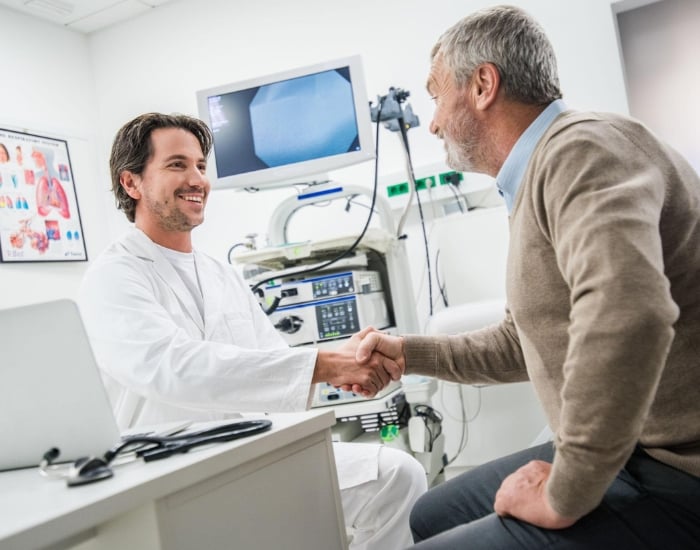
Patients looking for expert care can schedule a colonoscopy in Cypress TX or connect with a gastroenterologist in Katy TX for personalized evaluation and preventive care. To better understand the process, you can also review how to prepare for colonoscopy and explore insights specific to women through colonoscopy for women.
Table of Contents
- What Is Colonoscopy Screening
- Why Colonoscopy Is Important
- How Often Should Colonoscopy Be Done
- What Does Colonoscopy Detect
- Colonoscopy and Polyps
- Can Colonoscopy Detect Prostate Cancer
- Who Needs Colonoscopy Screening
- Warning Signs You Should Not Ignore
- Colonoscopy Services in Katy and Cypress
- Final Thoughts
What Is Colonoscopy Screening
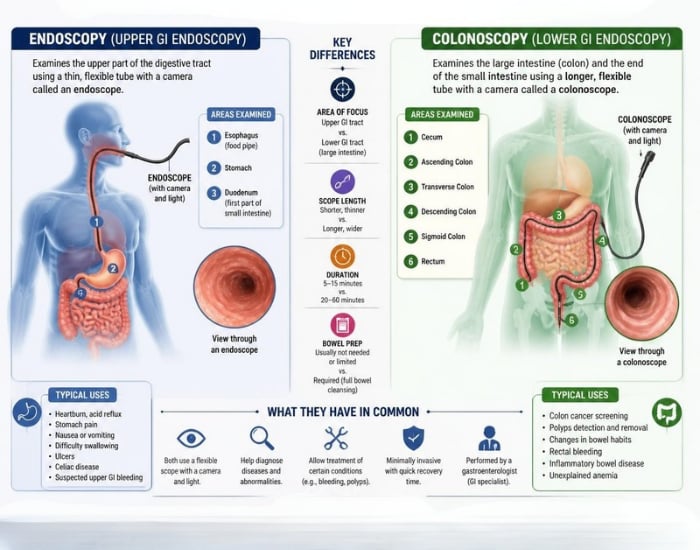
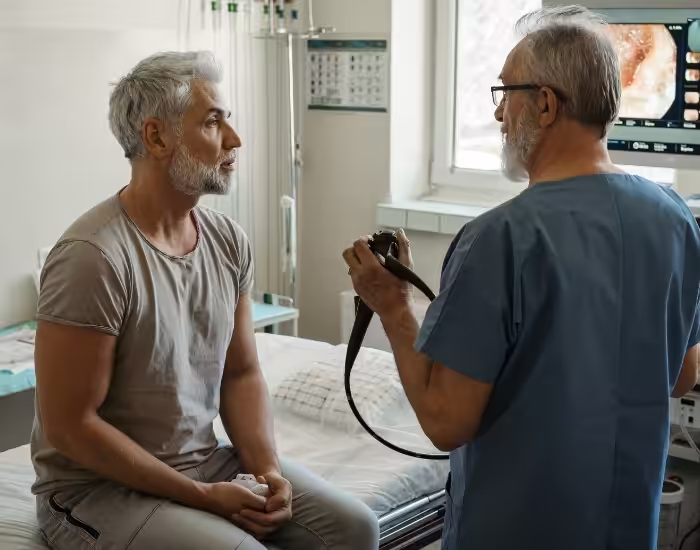
Colonoscopy is a diagnostic and preventive procedure used to examine the colon and rectum. A thin, flexible tube with a camera allows doctors to identify abnormalities such as polyps, inflammation, or bleeding.
What makes colonoscopy unique is that it is both diagnostic and preventive. During the same procedure, polyps can be removed, reducing the risk of cancer. Patients preparing for their screening should follow proper instructions outlined in how to prepare for colonoscopy to ensure accurate results.
Why Colonoscopy Is Important
Colorectal cancer is one of the most common cancers, but it is also one of the most preventable with early detection.
Colonoscopy helps:
- Detect cancer early
- Remove precancerous polyps
- Identify digestive conditions before they worsen
Most cancers begin as polyps that grow slowly over time. Removing them early can prevent serious complications. If you are researching screening recommendations, this guide works alongside colonoscopy for women for more personalized insights.
How Often Should Colonoscopy Be Done
The frequency of colonoscopy depends on your age, risk factors, and medical history.
General recommendations:
- Start screening at age 45
- Repeat every 10 years if normal
- Repeat every 3–5 years if polyps are found
- Earlier screening if family history exists
Patients with symptoms or higher risk may need more frequent screening. The best approach is to consult a specialist for personalized guidance.
What Does Colonoscopy Detect
Colonoscopy can detect a wide range of conditions, including:
- Colon polyps
- Colorectal cancer
- Inflammation (colitis)
- Ulcers
- Bleeding sources
- Diverticulosis
This makes colonoscopy the gold standard for evaluating lower gastrointestinal health. Patients preparing for screening should ensure proper preparation by reviewing how to prepare for colonoscopy.
Have symptoms like these?
Dr. Muhammad Ali Khan, a board-certified gastroenterologist and hepatologist, sees adults at our Katy and Cypress offices, serving patients across Greater Houston.
Colonoscopy and Polyps
Polyps are small growths in the colon lining that can become cancerous over time.
During colonoscopy:
- Polyps are detected early
- Suspicious tissue is removed
- Biopsies are performed if needed
Removing polyps significantly reduces cancer risk. Preventive screening is one of the most powerful tools in digestive healthcare.
Can Colonoscopy Detect Prostate Cancer
Colonoscopy does not directly detect prostate cancer. It is designed to evaluate the colon and rectum, not the prostate.
Prostate cancer is typically diagnosed through:
- PSA testing
- Digital rectal exam
- Imaging and biopsy
However, colonoscopy may identify abnormalities near the rectum that require further evaluation.
Who Needs Colonoscopy Screening
Colonoscopy is recommended for:
- Adults age 45+
- Individuals with family history of colon cancer
- Patients with abdominal pain or bleeding
- Individuals with IBS or chronic digestive symptoms
- Patients with previous polyps
Even without symptoms, screening is critical because early-stage cancer often shows no signs.
Warning Signs You Should Not Ignore
Seek medical attention if you experience:
- Blood in stool
- Unexplained weight loss
- Persistent abdominal pain
- Changes in bowel habits
- Chronic diarrhea or constipation
These symptoms may not always indicate cancer, but early evaluation is essential.
Get answers instead of guessing
Request a visit with Dr. Muhammad Ali Khan at our Katy and Cypress offices. Most major insurance plans are accepted and self-pay options are available.
Colonoscopy Services in Katy and Cypress
Patients seeking reliable and advanced colonoscopy services can trust United Gastroenterology Associates for comprehensive digestive care. The practice provides modern screening techniques focused on early detection, prevention, and accurate diagnosis.
Patients searching for expert care can schedule a colonoscopy in Cypress TX or connect with a gastroenterologist in Katy TX for personalized treatment and evaluation.
When to Schedule Your Colonoscopy
If you are over 45 or experiencing symptoms, it is time to consider screening.
Early colonoscopy:
- Prevents cancer
- Detects issues early
- Improves long-term outcomes
Delaying screening can increase risks and lead to more complex treatment later.
Final Thoughts
Colonoscopy screening is one of the most powerful preventive tools in healthcare. By understanding how often colonoscopy should be done and what it detects, you can take proactive steps toward protecting your health.
Patients can strengthen their understanding by reviewing both how to prepare for colonoscopy and colonoscopy for women and scheduling a colonoscopy in Cypress TX for early detection and prevention.
FAQs
How often should colonoscopy be done?
Most adults should start at age 45 and repeat every 10 years unless risk factors require more frequent screening.
What does colonoscopy detect?
Colonoscopy detects polyps, cancer, inflammation, ulcers, and digestive abnormalities.
Can colonoscopy prevent cancer?
Yes, removing precancerous polyps can prevent colorectal cancer.
Is colonoscopy painful?
No, patients are sedated and remain comfortable during the procedure.
Where can I get colonoscopy in Cypress TX?
You can schedule at United Gastroenterology Associates for expert digestive care.
Medical Disclaimer: This content is for educational purposes only and should not replace professional medical advice. Always consult a qualified healthcare provider for diagnosis and treatment.
Where to be seen in Katy and Cypress
United Gastroenterology Associates has two offices: Katy, at 23920 Katy Freeway, Suite 555, next to Memorial Hermann Katy Hospital, and Cypress, at 21216 Northwest Freeway, Suite 640, on US-290. Both are open Monday through Friday, 8:30 AM to 5:00 PM, closed for lunch from 12:00 to 1:30 PM, and serve patients from Fulshear, Richmond and across Greater Houston. Call (346) 340-4414 for either office.
Katy office
23920 Katy Freeway, Suite 555
Katy, TX 77494
Memorial Hermann Medical Plaza 1
Next steps
If you are dealing with how often colonoscopy screening or any ongoing digestive concern, a focused evaluation can find the cause and start the right treatment. Dr. Muhammad Ali Khan and the team at United Gastroenterology Associates see adults from Katy, Cypress, Fulshear, Richmond, Greater Houston and across Texas. Call (346) 340-4414 or request an appointment today.
If you have severe pain, vomit blood, pass black stools or have chest pain, call 911 or go to the nearest emergency room.