It's important to keep this trend in perspective. The vast majority of younger adults with abdominal pain, constipation, diarrhea, or rectal bleeding do not have colon cancer. Common digestive conditions such as hemorrhoids, irritable bowel syndrome (IBS), infections, diverticular disease, or inflammatory bowel disease are much more frequent causes of these symptoms.
At the same time, age alone should not be used as a reason to dismiss ongoing or unexplained digestive symptoms. When symptoms persist, repeatedly return, or occur together with other warning signs, they deserve medical evaluation so that both common and less common conditions can be considered.
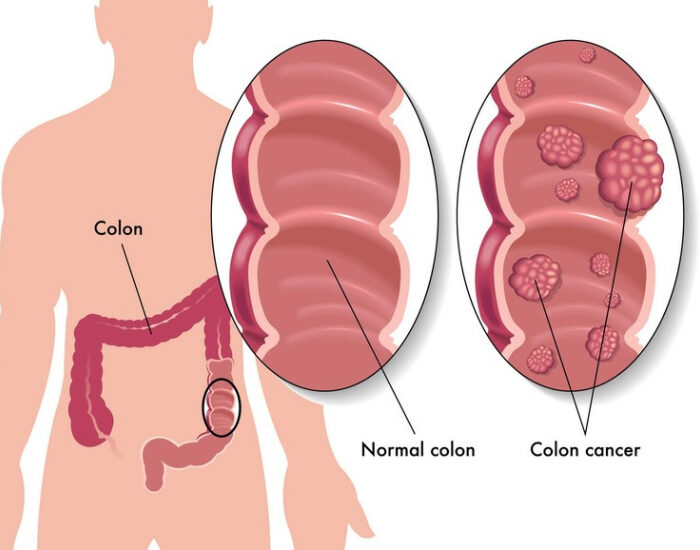
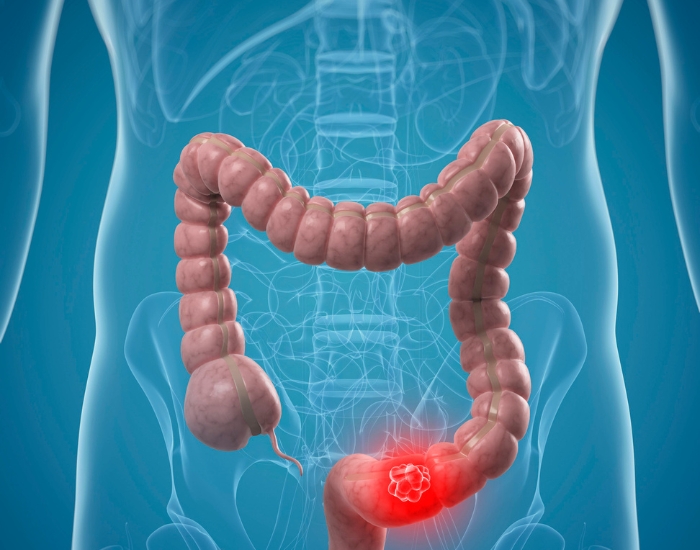
This guide explains the warning signs of colon cancer in adults under 50, how these symptoms differ from routine colorectal cancer screening, when diagnostic testing may be appropriate, and why early evaluation is often the most important step toward protecting long-term digestive health.
Important Note
Persistent digestive symptoms should never cause panic—but they also shouldn't be ignored simply because you're young. Most symptoms have non-cancerous explanations, yet identifying the true cause early allows many conditions to be treated before they become more serious. Understanding when to seek medical evaluation can provide reassurance and, in some cases, lead to earlier diagnosis and better outcomes.
Why Early-Onset Colorectal Cancer Deserves Attention
Healthcare organizations around the world have become increasingly aware that colorectal cancer is being diagnosed more often in adults younger than 50. Researchers continue studying why this trend is occurring, and several factors—including genetics, lifestyle, diet, obesity, environmental influences, and changes in the gut microbiome—are being investigated.
Although the overall risk for younger adults remains lower than for older individuals, this changing pattern has encouraged physicians to pay closer attention when younger patients report persistent digestive symptoms that cannot be easily explained.
This increased awareness does not mean every episode of stomach pain or rectal bleeding is a sign of cancer. Rather, it reinforces the importance of looking at symptoms carefully instead of assuming that age alone eliminates the possibility of significant disease.
Many younger adults initially attribute symptoms to stress, hemorrhoids, dietary changes, or busy lifestyles. While these explanations are often correct, symptoms that continue for weeks or repeatedly return deserve medical attention instead of ongoing self-treatment.

Can Young Adults Get Colon Cancer?
Yes—but it's important to understand the difference between possible and probable.
Colon cancer can occur in adults in their 20s, 30s, and 40s, but it remains considerably less common than in older adults. Most younger people experiencing digestive symptoms ultimately receive diagnoses unrelated to cancer.
For example, rectal bleeding may result from hemorrhoids, constipation, or anal fissures. Changes in bowel habits may occur with IBS, infections, dietary changes, or medication side effects. Abdominal pain has dozens of potential causes involving the stomach, intestines, gallbladder, pancreas, urinary tract, or reproductive organs.
The challenge is that these common conditions can produce symptoms similar to those seen in colorectal cancer. Because symptoms overlap, physicians evaluate the overall pattern rather than relying on any single complaint.
The goal is not to assume cancer—but to avoid missing conditions that require timely diagnosis and treatment.
Rectal Bleeding
One of the most recognizable warning signs associated with colorectal disease is rectal bleeding. Blood may appear bright red, dark red, maroon, or occasionally mixed within the stool depending on where the bleeding originates.
Fortunately, most episodes of rectal bleeding in younger adults are caused by conditions other than colorectal cancer. Hemorrhoids, anal fissures, infections, inflammatory bowel disease, and diverticular disease are all far more common explanations.
However, rectal bleeding should never be dismissed automatically because of age alone. Persistent, recurrent, or unexplained bleeding deserves medical evaluation to determine the underlying cause.
Some people notice blood only on toilet paper after wiping, while others observe blood coating the stool or mixed within it. The appearance alone cannot determine the source or seriousness of the bleeding.
If you experience ongoing or unexplained bleeding, learning more about blood in stool and when to seek evaluation can help you understand possible causes and appropriate next steps.
| Possible Cause | Can Cause Rectal Bleeding? |
|---|---|
| Hemorrhoids | Yes |
| Anal fissure | Yes |
| Inflammatory bowel disease | Yes |
| Colon polyps | Sometimes |
| Colorectal cancer | Can occur |
Persistent Abdominal Pain
Abdominal pain is one of the most common reasons people visit a doctor, and fortunately, it is rarely caused by colorectal cancer. Digestive infections, constipation, IBS, acid reflux, gallbladder disease, kidney stones, and muscle strain are only a few of the many possible explanations.
What concerns physicians is not simply the presence of abdominal pain, but its overall pattern. Pain that continues for several weeks, becomes progressively worse, repeatedly returns without explanation, or occurs together with rectal bleeding, weight loss, anemia, or persistent bowel changes deserves a more thorough evaluation.
The location of pain can sometimes provide helpful clues, although it cannot diagnose a condition by itself. Lower abdominal discomfort, cramping, bloating, and changes in bowel habits often require physicians to consider a broad range of gastrointestinal conditions before reaching a diagnosis.
Understanding the different causes of abdominal pain by location can help patients recognize when symptoms warrant professional medical assessment.
Iron-Deficiency Anemia Can Sometimes Be an Important Clue
Many people are surprised to learn that one of the earliest signs of colorectal cancer may not involve the digestive tract at all. Instead, it may first appear during a routine blood test that shows iron-deficiency anemia.
Anemia develops when the body does not have enough healthy red blood cells to carry oxygen efficiently. While poor dietary iron intake can contribute to anemia, doctors also consider whether there could be slow, ongoing blood loss somewhere within the digestive tract.
In some cases, colorectal polyps, inflammatory bowel disease, stomach ulcers, or colorectal cancer may cause microscopic bleeding that is not visible to the naked eye. Over weeks or months, this hidden blood loss can gradually reduce iron stores and lead to anemia.
It's important to remember that iron-deficiency anemia has many possible causes. Heavy menstrual periods, pregnancy, certain medications, nutritional deficiencies, celiac disease, and other digestive disorders are all common explanations. The goal of evaluation is to determine why anemia has developed rather than assuming a single diagnosis.
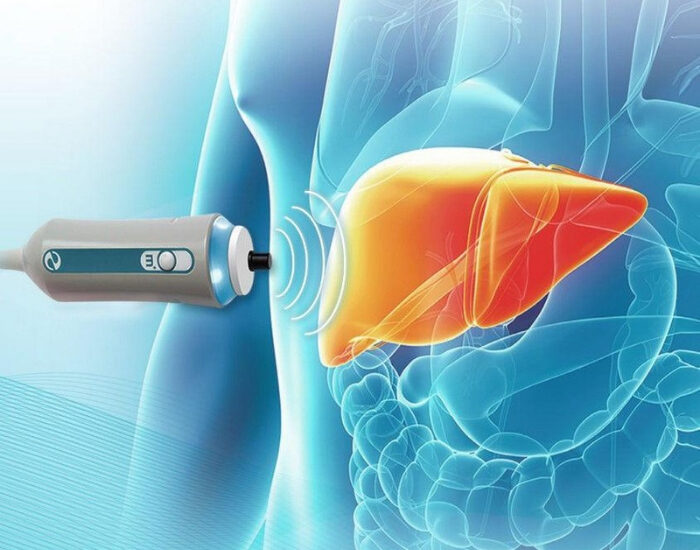
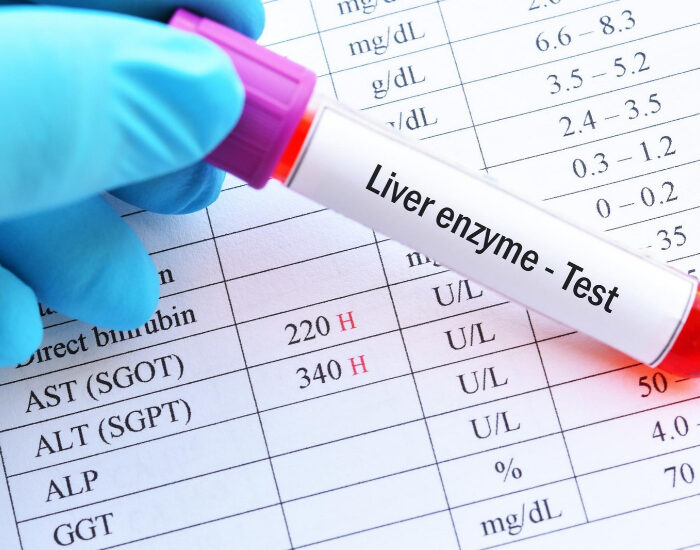
Adults under 50 who develop unexplained iron-deficiency anemia—especially men and postmenopausal women—often require further investigation to identify the source of blood loss. Depending on the individual's history and symptoms, a gastroenterologist may recommend an upper endoscopy, colonoscopy, laboratory testing, or additional imaging studies.
Symptoms of Iron-Deficiency Anemia
Anemia often develops gradually, so symptoms may be subtle at first. Many people simply notice that they don't feel like themselves.
- Persistent fatigue
- Reduced exercise tolerance
- Shortness of breath during activity
- Dizziness or lightheadedness
- Pale skin
- Headaches
- Difficulty concentrating
- Rapid heartbeat with exertion
These symptoms are not specific to colorectal cancer, but they should never be ignored when they occur without an obvious explanation.
Have symptoms like these?
Dr. Muhammad Ali Khan, a board-certified gastroenterologist and hepatologist, sees adults at our Katy and Cypress offices, serving patients across Greater Houston.
Persistent Changes in Bowel Habits
Almost everyone experiences temporary digestive changes from time to time. A vacation, viral illness, dietary changes, stress, medications, or food intolerances can all temporarily affect bowel habits. In most cases, these changes improve within several days.
Doctors become more concerned when bowel changes continue for several weeks, repeatedly return, or gradually worsen over time without an obvious explanation.
Some of the bowel changes that deserve medical evaluation include:
- Persistent diarrhea
- New constipation that continues despite lifestyle changes
- Alternating constipation and diarrhea
- Narrow or pencil-thin stools that persist
- A feeling that the bowel never completely empties
- Increasing urgency to have bowel movements
- More frequent bowel movements than normal
These symptoms do not automatically indicate colorectal cancer. In fact, they are much more commonly associated with conditions such as irritable bowel syndrome (IBS), infections, medication side effects, food intolerances, inflammatory bowel disease, or chronic constipation.
The duration and overall pattern of symptoms often matter more than the symptoms themselves. For example, diarrhea lasting two days after a stomach virus is very different from diarrhea that continues for six weeks without improvement.
If bowel habit changes persist despite dietary modifications or become associated with rectal bleeding, weight loss, or anemia, further evaluation is usually appropriate.

Important Note
Reading about cancer symptoms online can understandably create anxiety. The good news is that most younger adults with abdominal pain, constipation, diarrhea, or rectal bleeding are ultimately diagnosed with conditions that are not cancer. Rather than trying to determine the diagnosis yourself, focus on whether symptoms are persistent, worsening, or accompanied by additional warning signs. Early medical evaluation helps identify both common digestive disorders and less common conditions before complications develop.
Unintentional Weight Loss and Ongoing Fatigue
Many people intentionally lose weight through healthier eating habits or increased physical activity. Unintentional weight loss is different. It refers to losing weight without trying, especially when accompanied by reduced appetite, persistent fatigue, or other unexplained symptoms.
Numerous medical conditions can contribute to unintentional weight loss, including thyroid disorders, diabetes, chronic infections, inflammatory bowel disease, celiac disease, depression, and various gastrointestinal disorders.
Colorectal cancer is only one possible cause among many, but physicians take unexplained weight loss seriously because it often signals that the body is dealing with an underlying medical problem requiring evaluation.
Fatigue may develop for several reasons. Chronic inflammation, anemia, nutritional deficiencies, dehydration, poor sleep, and ongoing illness can all leave individuals feeling exhausted even after adequate rest.
If fatigue continues for weeks without improvement or occurs alongside persistent digestive symptoms, your healthcare provider may recommend blood tests, imaging, or referral to a gastroenterologist to investigate further.
Symptoms That Shouldn't Be Ignored Together
Doctors pay close attention when several warning signs occur simultaneously. For example, someone experiencing rectal bleeding, ongoing fatigue, unexplained weight loss, and changing bowel habits generally requires a more comprehensive evaluation than someone with a single isolated symptom.
| Symptom | Needs Medical Evaluation If... |
|---|---|
| Rectal bleeding | Persistent, recurrent, or unexplained |
| Abdominal pain | Continues for weeks or progressively worsens |
| Bowel habit changes | Last several weeks without improvement |
| Iron-deficiency anemia | No clear explanation identified |
| Weight loss | Occurs without trying |
Symptoms Do Not Automatically Mean Colon Cancer
One of the biggest misconceptions patients have is believing that the presence of one warning sign means they probably have colorectal cancer. Fortunately, this is rarely the case.
Most digestive symptoms have multiple possible explanations. For example, constipation is extremely common and is usually related to diet, hydration, medications, or lifestyle factors. Diarrhea may result from viral infections, food poisoning, IBS, or food intolerances. Rectal bleeding is frequently caused by hemorrhoids or anal fissures.
What matters most is the overall clinical picture. Physicians evaluate your age, medical history, family history, symptom duration, physical examination findings, laboratory results, and any associated warning signs before deciding which tests may be appropriate.
This careful approach helps avoid both unnecessary testing and delayed diagnosis.
Ignoring symptoms because you're young isn't the answer—but assuming the worst isn't helpful either. The goal is balanced, evidence-based evaluation that considers the most likely causes while remaining alert for conditions requiring timely treatment.
Screening Colonoscopy vs. Diagnostic Colonoscopy
Many people are surprised to learn that a screening colonoscopy and a diagnostic colonoscopy are not the same thing. Although both procedures examine the inside of the colon using a flexible camera, the reason for performing them is different.
A screening colonoscopy is recommended for people who do not have symptoms but have reached the appropriate screening age or have certain risk factors. Its goal is to detect precancerous polyps or colorectal cancer before symptoms develop.
A diagnostic colonoscopy, on the other hand, is performed because a person is already experiencing symptoms such as rectal bleeding, unexplained anemia, persistent diarrhea, chronic constipation, unexplained abdominal pain, or ongoing changes in bowel habits.
This distinction is especially important for younger adults. Even if someone has not yet reached the recommended age for routine screening, persistent digestive symptoms may still justify diagnostic evaluation.
Current guidelines generally recommend average-risk colorectal cancer screening beginning at age 45. However, symptoms should never be ignored simply because someone has not yet reached screening age.
If your gastroenterologist believes your symptoms warrant further investigation, a diagnostic colonoscopy or colonoscopy in Cypress may be recommended regardless of your age.
For individuals who are due for routine preventive testing, learning more about colorectal cancer screening can help you understand when screening should begin and why it remains one of the most effective ways to prevent colorectal cancer.
Get answers instead of guessing
Request a visit with Dr. Muhammad Ali Khan at our Katy and Cypress offices. Most major insurance plans are accepted and self-pay options are available.
Family History and Hereditary Risk
Although many younger adults diagnosed with colorectal cancer have no known family history, genetics still play an important role for some individuals.
Your healthcare provider may recommend earlier screening or additional evaluation if you have:
- A parent, sibling, or child diagnosed with colorectal cancer.
- Multiple family members with colorectal cancer.
- A family history of advanced colon polyps.
- Known hereditary cancer syndromes such as Lynch syndrome or familial adenomatous polyposis (FAP).
- A personal history of inflammatory bowel disease affecting the colon.
Sharing your complete family medical history with your healthcare provider is important because it may influence both the age at which screening begins and how frequently testing is recommended.
In some situations, genetic counseling or specialized testing may also be appropriate.
When Younger Adults Should Contact a Gastroenterologist
Digestive symptoms are common, and most improve without specialized treatment. However, some situations deserve evaluation by a gastroenterologist, particularly when symptoms continue despite lifestyle changes or repeatedly return.
You should consider scheduling an appointment if you experience:
- Rectal bleeding that continues or returns.
- Persistent changes in bowel habits lasting several weeks.
- Abdominal pain that does not improve.
- Iron-deficiency anemia without an obvious cause.
- Unexplained weight loss.
- Persistent fatigue associated with digestive symptoms.
- A strong family history of colorectal cancer.
- Ongoing constipation or diarrhea that affects daily life.
A gastroenterologist will review your symptoms, medical history, medications, family history, and previous testing before deciding whether additional laboratory work, imaging, stool studies, endoscopy, or colonoscopy is appropriate.
Early evaluation is not about assuming cancer. It's about identifying the correct diagnosis as early as possible so appropriate treatment can begin.
If you are experiencing ongoing digestive symptoms, the specialists at United Gastroenterologists provide comprehensive evaluation for patients throughout Katy, Cypress, Houston, and surrounding communities.
Patients may also benefit from evaluation for related conditions including chronic constipation, persistent diarrhea, inflammatory bowel disease, and blood in the stool, all of which may produce symptoms that overlap with colorectal disorders.
Important Note
Most younger adults with digestive symptoms do not have colorectal cancer. However, persistent or unexplained symptoms deserve professional evaluation rather than reassurance based on age alone. Early assessment can identify common digestive conditions, provide peace of mind, and ensure that more serious illnesses are recognized promptly when present.
Frequently Asked Questions
Can someone in their 20s or 30s develop colon cancer?
Yes. Although uncommon, colorectal cancer can occur in younger adults. Persistent digestive symptoms should be evaluated regardless of age.
Does rectal bleeding always mean colon cancer?
No. Hemorrhoids, anal fissures, infections, inflammatory bowel disease, and other digestive conditions are much more common causes of rectal bleeding. However, persistent or unexplained bleeding should always be assessed by a healthcare provider.
What are the earliest warning signs of colon cancer?
Possible warning signs include rectal bleeding, persistent changes in bowel habits, unexplained abdominal pain, iron-deficiency anemia, unexplained weight loss, and ongoing fatigue. These symptoms have many possible causes and do not automatically indicate cancer.
Should I have a colonoscopy before age 45 if I have symptoms?
Possibly. A diagnostic colonoscopy may be appropriate if your healthcare provider believes your symptoms require further evaluation, regardless of your age.
What if colon cancer runs in my family?
A family history of colorectal cancer or certain hereditary syndromes may increase your risk and lead to earlier screening recommendations. Be sure to discuss your family history with your healthcare provider.
Can colon cancer cause constipation?
It can, but constipation is far more commonly caused by diet, dehydration, medications, reduced physical activity, or other digestive disorders. Persistent constipation that does not improve should be evaluated.
Does abdominal pain by itself usually mean colon cancer?
No. Abdominal pain has many possible causes, and colorectal cancer is only one of many considerations. Persistent pain associated with additional warning signs deserves medical assessment.
When should I seek emergency medical care?
Seek immediate medical attention if you experience severe abdominal pain, heavy rectal bleeding, dizziness or fainting, persistent vomiting, inability to pass stool or gas with severe abdominal swelling, or signs of significant dehydration.
Digestive Care for Patients in Katy, Cypress, and Greater Houston
If you're under 50 and experiencing persistent digestive symptoms, the experienced gastroenterology team at United Gastroenterologists can help determine the underlying cause. Whether your symptoms are related to hemorrhoids, inflammatory bowel disease, IBS, colorectal polyps, or another digestive condition, an accurate diagnosis is the first step toward effective treatment.
Patients can schedule evaluations with a gastroenterologist in Katy or a gastroenterologist in Cypress. When appropriate, advanced diagnostic procedures, including colonoscopy, are available to help identify the cause of ongoing digestive symptoms.
Medical Disclaimer
This article is intended for educational purposes only and should not replace professional medical advice, diagnosis, or treatment. Digestive symptoms such as rectal bleeding, abdominal pain, constipation, diarrhea, anemia, or unexplained weight loss have many possible causes. If your symptoms are persistent, worsening, or accompanied by concerning warning signs, consult a qualified healthcare professional for a personalized evaluation.
Where to be seen in Katy and Cypress
United Gastroenterology Associates has two offices: Katy, at 23920 Katy Freeway, Suite 555, next to Memorial Hermann Katy Hospital, and Cypress, at 21216 Northwest Freeway, Suite 640, on US-290. Both are open Monday through Friday, 8:30 AM to 5:00 PM, closed for lunch from 12:00 to 1:30 PM, and serve patients from Fulshear, Richmond and across Greater Houston. Call (346) 340-4414 for either office.
Katy office
23920 Katy Freeway, Suite 555
Katy, TX 77494
Memorial Hermann Medical Plaza 1
Next steps
If you are dealing with colon cancer symptoms under 50 or any ongoing digestive concern, a focused evaluation can find the cause and start the right treatment. Dr. Muhammad Ali Khan and the team at United Gastroenterology Associates see adults from Katy, Cypress, Fulshear, Richmond, Greater Houston and across Texas. Call (346) 340-4414 or request an appointment today.
If you have severe pain, vomit blood, pass black stools or have chest pain, call 911 or go to the nearest emergency room.