
Home › Infusion Services
Infusion therapy · Cypress and Katy, TX
Infusion Therapy for IBD and Digestive Conditions
Infusion therapy delivers medicine directly into a vein through an IV line. At United Gastroenterology Associates, PLLC in Cypress and Katy, TX, infusion therapy is part of treatment plans for inflammatory bowel disease (Crohn’s disease and ulcerative colitis) and iron-deficiency anemia. Dr. Muhammad Ali Khan, MD, FACP, FASGE, a board-certified gastroenterologist, decides whether an infused medicine is right for you and monitors your response over time.

Dr. Muhammad Ali Khan, MD, FACP, FASGE
Gastroenterologist and Hepatologist
What Is Infusion Therapy?
Infusion therapy is a way of giving medicine slowly through a vein (intravenously) over a set period of time while you are monitored. In gastroenterology, it is most often used for biologic medicines that treat moderate to severe Crohn’s disease and ulcerative colitis, and for intravenous iron when iron pills do not work or are not tolerated.
Infusion therapy involves administering medications or fluids directly into the bloodstream through a needle or catheter. At United Gastroenterology Associates, infusion therapy is utilized to manage various gastrointestinal conditions, such as inflammatory bowel disease (IBD), Crohn's disease, ulcerative colitis, and other autoimmune disorders affecting the digestive system. This specialized treatment approach allows for targeted delivery of medications that may not be effective through oral administration alone, aiming to reduce inflammation, control symptoms, and improve quality of life for patients.
IBD management · Crohn’s disease care · Ulcerative colitis care
Board-Certified
Gastroenterology, hepatology, and internal medicine
Academic Medicine
Former Associate Professor, UT MD Anderson Cancer Center
Published Research
More than 100 peer-reviewed articles in gastroenterology
FACP and FASGE
Fellow, American College of Physicians and American Society for Gastrointestinal Endoscopy
What is infusion therapy used for in gastroenterology?
Infusion therapy is used to administer medications directly into the bloodstream to treat conditions such as:
Inflammatory Bowel Disease (IBD)
Inflammatory bowel disease (IBD), including Crohn's disease and ulcerative colitis.
Autoimmune Digestive Disorders
Autoimmune disorders affecting the gastrointestinal tract.
Severe or Treatment-Resistant Inflammation
Severe gastrointestinal infections or inflammation that do not respond to oral medications.
Iron-Deficiency Anemia
Intravenous iron for anemia caused by chronic gastrointestinal bleeding or poor absorption, especially when iron pills are not effective or not tolerated.
What medications are commonly administered through infusion therapy?
Common medications administered through infusion therapy for gastroenterology include:
Biologic Therapies
Biologic medicines target specific proteins involved in inflammation. Infliximab and vedolizumab are given by IV infusion, and some biologics, such as ustekinumab, start with an IV dose and continue as injections. Others, such as adalimumab, are injections given under the skin rather than infusions.
Immunomodulators
Immunomodulators to suppress the immune response and reduce inflammation.
Iron Infusions
Iron infusions for patients with iron deficiency anemia related to chronic gastrointestinal bleeding or malabsorption.
The medicine, dose, and schedule are chosen based on your diagnosis, disease severity, prior treatments, and insurance coverage.
What to Expect During Infusion Therapy
Before treatment starts, your gastroenterologist reviews your history and orders any required screening tests, such as tuberculosis and hepatitis B testing before many biologic medicines.
How is infusion therapy administered?
Infusions are given through an intravenous (IV) line by trained healthcare professionals in an infusion center or other appropriate clinical setting, which allows controlled and monitored administration. The office explains where your infusions will be given.
Is infusion therapy painful?
The infusion process itself is generally painless. Patients may experience mild discomfort during IV insertion, but this is temporary. Pain management techniques, such as numbing creams or warm compresses, may be used to minimize discomfort.
How long does an infusion therapy session take?
The duration of infusion therapy sessions varies depending on the medication being administered and the patient's individual treatment plan. Sessions typically range from 1 to 4 hours, with some biologic therapies requiring longer infusion times.
How often is infusion therapy needed?
The frequency of infusion therapy sessions depends on the specific medication, disease severity, and patient response to treatment. Some medications may require initial loading doses followed by maintenance infusions at regular intervals.
Are there any risks or side effects associated with infusion therapy?
Risks and side effects are generally minimal but may include:
Patients are monitored during and after each infusion so that reactions can be treated quickly. Some biologic medicines also lower the immune response, so your doctor checks for infections and recommends vaccines when appropriate.
When to seek emergency care
Call 911 for trouble breathing, swelling of the face or throat, chest pain, or fainting during or after an infusion.
Possible side effects
- Reactions to medications, such as infusion reactions (fever, chills, nausea).
- Localized irritation or redness at the infusion site.
- Rarely, more serious allergic reactions or infections, which are closely monitored and managed by healthcare providers.
Tell your care team about any fever, new symptoms, or signs of infection between infusions.
Is Infusion Therapy Right for You?
If Crohn’s disease or ulcerative colitis is not controlled with your current treatment, Dr. Khan can review whether an infused medicine is an option.
“My gastroenterology & hepatology practice is dedicated to working closely with you to develop a personalized treatment plan that meets your unique needs and preferences.”
Dr. Muhammad Ali Khan, MD, FACP, FASGE
Board-certified gastroenterologist and hepatologist, United Gastroenterology Associates
Who Oversees Infusion Therapy at United Gastroenterology Associates?
Dr. Muhammad Ali Khan, MD, FACP, FASGE, is a board-certified gastroenterologist and hepatologist who sees patients at the United Gastroenterology Associates offices in Cypress and Katy. Your gastroenterologist decides whether infusion therapy is appropriate, monitors your response to treatment, manages side effects, and adjusts your treatment plan as needed.
Dr. Khan earned his medical degree at Dow Medical College, completed an internal medicine residency at the University of Toledo, and completed a gastroenterology and hepatology fellowship at the University of Tennessee Health Science Center. He served as an Assistant Professor at the University of Alabama at Birmingham and as an Associate Professor at The University of Texas MD Anderson Cancer Center.
He is board-certified in gastroenterology, hepatology, and internal medicine, is a Fellow of the American Society for Gastrointestinal Endoscopy (FASGE) and the American College of Physicians (FACP), and has authored more than 100 peer-reviewed articles. Read Dr. Khan’s full profile.
Professional Memberships
- American College of Gastroenterology
- American Society for Gastrointestinal Endoscopy (Fellow)
- American Gastroenterological Association
- American College of Physicians (Fellow)
- Texas Medical Association
- Texas Society of Gastroenterology & Endoscopy
Areas of Care
- Crohn’s disease
- Ulcerative colitis
- Biologic therapy for IBD
- Iron-deficiency anemia
- Colonoscopy and upper endoscopy
- Liver and digestive conditions
Why Choose United Gastroenterology Associates for Infusion Therapy?
Infusion therapy works best as part of a long-term plan managed by the gastroenterologist who knows your condition.
Specialist-Led Treatment Plans
Dr. Khan, a board-certified gastroenterologist, selects and monitors your therapy.
Endoscopy in the Same Practice
Colonoscopy and upper endoscopy help measure how well treatment is working.
Insurance Authorization Support
The office helps coordinate the prior authorization many infused medicines require.
Ongoing Monitoring
Lab tests and follow-up visits track your response, side effects, and safety.
Coordinated Care
Care is coordinated with your primary care doctor and other specialists.
Two Convenient Offices
Offices on Northwest Freeway in Cypress and Katy Freeway in Katy, with one number for scheduling.
Comprehensive Care for a Wide Range of Digestive Conditions
We treat a broad spectrum of common and complex conditions, including hepatitis, gastroesophageal reflux disease (GERD), peptic ulcer disease, colitis, gallbladder and biliary tract diseases, nutritional disorders, irritable bowel syndrome (IBS), colon polyps, and cancers of the digestive system.
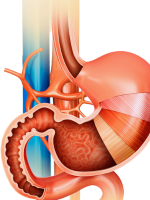
Diagnosis and Treatment of Digestive Disorders
GERD, IBS, Crohn's disease, ulcerative colitis, and celiac disease.
Endoscopic Procedures
Endoscopic procedures such as colonoscopy and upper endoscopy.
Management of Liver Diseases
Care for liver conditions such as hepatitis, fatty liver disease, cirrhosis, and liver cancer.
Infusion Therapy Care at Our Cypress and Katy Offices
Patients who may benefit from infusion therapy can be evaluated at either United Gastroenterology Associates office. The Cypress office is on Northwest Freeway (US-290), and the Katy office is on Katy Freeway (I-10). Both offices share one phone number for scheduling.
United Gastroenterology Associates – Cypress Office
Cypress office – Northwest Freeway (US-290)
- Address: 21216 Northwest Freeway, Suite 640, Cypress, TX 77429
- Phone: (346) 340-4414
- Hours: Monday–Friday, 8:30 AM–5:00 PM (closed 12:00–1:30 PM for lunch; last appointment 4:30 PM)
Katy Office: 23920 Katy Freeway, Suite 555, Katy, TX 77494. Get directions to Katy · View both locations
Insurance and Self-Pay Options
United Gastroenterology Associates accepts most major insurance plans, including the carriers shown here. Coverage for visits, testing, and procedures depends on your plan, so the office verifies your benefits before your appointment. Most infused biologic medicines require prior authorization, which the office helps coordinate. Self-pay options are available.
A carrier logo does not guarantee coverage for a specific plan or service. Call (346) 340-4414 to confirm your benefits.









What Patients Say About Dr. Khan
These reviews were shared by patients of United Gastroenterology Associates and are published on the practice website.
“United Gastroenterology Associates provided top-notch care during my visit. The facility was clean and welcoming, and the team made me feel comfortable from start to finish. Dr. Khan took the time to answer all my questions and made sure I understood my treatment plan. I couldn’t have asked for better care!”
Emma
“From the moment I walked in, I felt like I was in good hands at United Gastroenterology Associates. The staff was courteous and efficient, and the doctors were knowledgeable and compassionate. They diagnosed my condition quickly and provided an effective treatment plan. I’m feeling much better thanks to them!”
Olivia
“Dr. Khan is an exceptionally kind and compassionate physician. He truly listens to his patients and takes the time to explain everything clearly and thoroughly. His treatment plans are straightforward and easy to understand, and he provides a very personalized, attentive level of care. I felt respected, heard, and genuinely cared for throughout my visit.”
Maria Andreina Behrens · Katy
How to Schedule an Infusion Therapy Consultation
Scheduling with United Gastroenterology Associates takes three steps. Request an appointment online or by phone and choose the Cypress or Katy office.
Request an appointment
Call (346) 340-4414 or use the online request form and choose “Infusion Therapy / IBD” as the reason for your visit.
Share your records
Bring recent lab results, imaging reports, a medication list, and any referral. The office verifies your insurance or explains self-pay options.
Meet Dr. Khan
Dr. Khan reviews your history and results, explains what they mean, and recommends next steps, which may include further testing.
Frequently Asked Questions About Infusion Therapy
Answers to common questions about infusion therapy for digestive conditions.
What is infusion therapy used for in gastroenterology?
Infusion therapy is mainly used for moderate to severe Crohn’s disease and ulcerative colitis, other autoimmune digestive disorders, and iron-deficiency anemia caused by GI bleeding or poor absorption.
Is infusion therapy painful?
The infusion process itself is generally painless. Patients may experience mild discomfort during IV insertion, but this is temporary. Pain management techniques, such as numbing creams or warm compresses, may be used to minimize discomfort.
How long does an infusion therapy session take?
The duration of infusion therapy sessions varies depending on the medication being administered and the patient's individual treatment plan. Sessions typically range from 1 to 4 hours, with some biologic therapies requiring longer infusion times.
How often is infusion therapy needed?
The frequency of infusion therapy sessions depends on the specific medication, disease severity, and patient response to treatment. Some medications may require initial loading doses followed by maintenance infusions at regular intervals.
Who oversees infusion therapy at United Gastroenterology Associates?
Your gastroenterologist decides whether infusion therapy is appropriate, monitors your response, manages side effects, and adjusts your treatment plan. Infusions are given by trained healthcare professionals.
Is infusion therapy covered by insurance?
Many insurance plans cover infused medicines for approved conditions, but most require prior authorization. The office helps with the authorization process and explains your coverage.
Do I need tests before starting a biologic infusion?
Yes. Screening for tuberculosis and hepatitis B is usually required before starting many biologic medicines, and your doctor may review your vaccinations.
Where can I get evaluated for infusion therapy in Cypress or Katy?
United Gastroenterology Associates sees patients at 21216 Northwest Freeway, Suite 640, Cypress, TX 77429 and 23920 Katy Freeway, Suite 555, Katy, TX 77494. Call (346) 340-4414 to schedule.
Talk With a Gastroenterologist About Infusion Therapy
Infusion therapy at United Gastroenterology Associates is part of a long-term approach to managing complex gastrointestinal conditions, giving patients access to therapies that improve disease control and quality of life. Consult with a gastroenterologist for personalized information about infusion therapy options and its benefits for your specific condition. Call (346) 340-4414 or request an appointment online.
Stay informed
Get The Latest
Digestive Discomfort? When to Consult a Gastroenterologist
Consulting with a gastroenterologist can lead to more accurate detection of polyps and cancer, fewer complications from procedures, and shorter hospital stays. So, for individuals experiencing digestive issues or in need of screening, reaching out to a gastroenterologist for expert care is recommended. Read More
Understanding Your Digestive System, Symptoms and Causes
The digestive system is composed of many parts, including the G.I. tract, liver, pancreas, and gallbladder, so it’s no surprise that symptoms in these areas can vary widely. Some symptoms can be mild, indicating something as simple as eating questionable leftovers. Learn More




Sources
- National Institute of Diabetes and Digestive and Kidney Diseases. Treatment for Crohn’s Disease. niddk.nih.gov
- National Institute of Diabetes and Digestive and Kidney Diseases. Treatment for Ulcerative Colitis. niddk.nih.gov
- National Heart, Lung, and Blood Institute. Iron-Deficiency Anemia: Treatment. nhlbi.nih.gov
This page provides general educational information and does not replace medical advice, diagnosis, or treatment. Symptoms should be evaluated by a qualified medical professional. For a medical emergency, call 911. Content reviewed by United Gastroenterology Associates, PLLC. Last updated September 24, 2026.