The answer depends on the amount and appearance of the blood, how often it occurs, and whether you have other symptoms. Some causes of rectal bleeding may be relatively common and treatable, while others require prompt medical evaluation.
The important point is that blood in the stool should not automatically be dismissed or self-diagnosed, especially when bleeding persists, returns, or occurs with symptoms such as abdominal pain, changes in bowel habits, unexplained weight loss, weakness, or fatigue.
Important Note: Blood in Stool Can Have Different Causes
Not every episode of blood in the stool means the same thing. Bleeding may come from conditions such as hemorrhoids, anal fissures, inflammation, diverticular disease, polyps, inflammatory bowel disease, or other digestive conditions. In some situations, bleeding can also be a sign of a more serious problem.
Paying attention to the color of the blood, how often it happens, and whether other symptoms are present can help guide medical evaluation. If bleeding continues or concerns you, it is important not to simply assume you know the cause.
When Should You See a Gastroenterologist for Blood in Stool?
See a gastroenterologist for blood in stool when bleeding keeps returning, has no clear cause, lasts more than a few days, or comes with a change in bowel habits, abdominal pain, anemia or weight loss. Any rectal bleeding after age 45 deserves evaluation. Heavy bleeding, black stools or dizziness need emergency care right away rather than a routine visit.
A gastroenterologist specializes in diagnosing and treating conditions affecting the digestive tract, including the colon and rectum. Depending on your symptoms, age, medical history, and family history, a GI doctor may recommend an examination, laboratory testing, imaging, or a procedure such as a colonoscopy to investigate the source of bleeding.
It is particularly important to seek medical evaluation if you notice a change from your usual bowel habits. For example, perhaps you have always had occasional constipation, but you now notice rectal bleeding along with persistent changes in stool frequency or appearance. Or maybe bleeding begins with abdominal pain, chronic diarrhea, unexplained fatigue, or weight loss. These combinations of symptoms can provide important information and should be discussed with a healthcare professional.
What Does Blood in Stool Look Like?
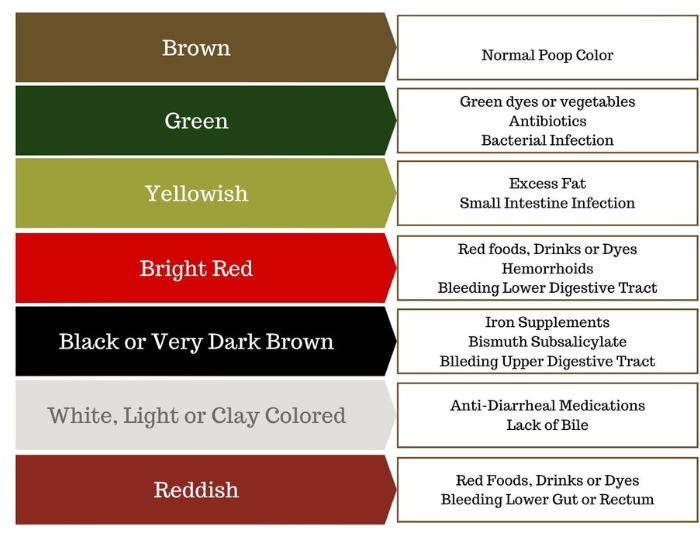
Blood in stool can look bright red, dark red or maroon, or black and tarry, and the color hints at where the bleeding starts. Bright red blood usually comes from the rectum or anus, maroon blood from higher in the colon, and black stool from the stomach or upper intestine. Iron and bismuth can also darken stool without bleeding.
| What you see | Likely source | Common causes | Urgency |
|---|---|---|---|
| Bright red blood on paper or stool | Rectum or anus | Hemorrhoids, anal fissures | See a doctor if it recurs |
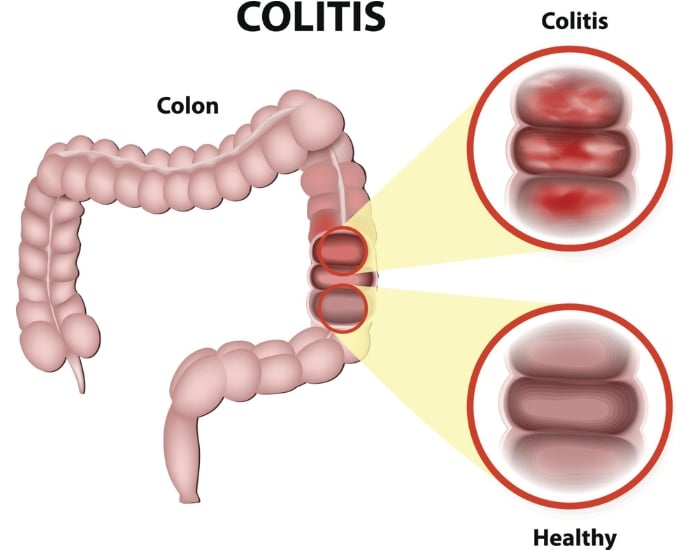
| Dark red or maroon blood | Colon or small intestine | Diverticular bleeding, colitis, polyps | Prompt evaluation |
| Black, tarry stool | Stomach or upper intestine | Ulcers, gastritis | Same-day or emergency care |
| Bloody diarrhea | Colon | Infection, inflammatory bowel disease | Prompt evaluation |
What does bright red blood in stool mean?
Bright red blood may be seen on toilet paper, on the outside of the stool, or in the toilet bowl. Bleeding closer to the lower part of the digestive tract may sometimes appear bright red. Common causes can include hemorrhoids or anal fissures, but it is important not to assume that every episode of bright red bleeding is caused by hemorrhoids.
If the bleeding continues, returns frequently, or occurs with other symptoms, a medical evaluation may be appropriate.
What does dark red or maroon blood in stool mean?
Dark red or maroon-colored blood may suggest bleeding that is mixed with stool or coming from a different area of the digestive tract. The cause can vary, and further evaluation may be necessary depending on the circumstances.
What does black or tarry stool mean?
Black, tarry, or unusually sticky-looking stool can sometimes indicate bleeding higher in the digestive tract. However, certain medications, supplements, and foods may also change stool color. Because black stool can occasionally be associated with significant gastrointestinal bleeding, it should not be ignored.
If you have black or tarry stools, especially with weakness, dizziness, fainting, abdominal pain, or other concerning symptoms, seek prompt medical attention.

What Are the Most Common Causes of Blood in Stool?
The most common causes of blood in stool are hemorrhoids and anal fissures, which usually cause bright red blood on the paper. Other causes include diverticular bleeding, inflammatory bowel disease, infections, colon polyps, colorectal cancer, and ulcers or inflammation in the upper digestive tract. Because causes range from minor to serious, Dr. Khan looks for the specific source.
How do hemorrhoids cause rectal bleeding?
Hemorrhoids are swollen veins in or around the lower rectum and anus. They can sometimes cause bright red bleeding, particularly during or after a bowel movement. Symptoms may also include itching, discomfort, or a feeling of swelling.
However, it is important not to assume that rectal bleeding is automatically caused by hemorrhoids, especially if the bleeding is new, persistent, or accompanied by changes in bowel habits.
Can anal fissures cause blood in stool?
An anal fissure is a small tear in the lining of the anus. It may cause pain during bowel movements and bright red blood on toilet paper or the stool. Constipation and hard stools can contribute to fissures in some cases.
Can diverticular disease cause blood in stool?
Diverticula are small pouches that can develop in the wall of the colon. Some people have no symptoms, while others may experience complications, including bleeding or inflammation. The appearance and severity of symptoms can vary.
Can inflammatory bowel disease cause blood in stool?
Inflammatory bowel disease, including Crohn's disease and ulcerative colitis, can cause inflammation in the digestive tract. Depending on the condition and location of inflammation, symptoms may include blood in the stool, diarrhea, abdominal pain, urgency, fatigue, and weight loss.
Persistent diarrhea with rectal bleeding should be evaluated, particularly when symptoms are recurring or worsening.
Can polyps and other colon conditions cause bleeding?
Some growths or abnormalities in the colon can bleed. Polyps may not always cause symptoms, which is one reason colorectal cancer screening and diagnostic evaluation can be important when recommended by a healthcare professional.
Depending on the circumstances, a colonoscopy may help examine the inside of the colon and identify possible causes of bleeding.
What other digestive problems cause blood in stool?
Other conditions affecting the stomach, small intestine, colon, rectum, or anus can potentially cause gastrointestinal bleeding. Certain medications may also increase the risk of bleeding in some individuals. Your medical history and symptoms are important when determining which causes should be considered.
Is Blood in Stool Ever Normal?
No, blood in the stool is never considered normal, even though many causes, such as hemorrhoids, are minor. Even a small amount of bleeding means something in the digestive tract is irritated or injured. A single streak after hard stool may resolve, but recurring bleeding, or bleeding with other symptoms, should always be evaluated by a doctor.
A single small episode may have an identifiable cause, such as irritation associated with a hard bowel movement. However, if bleeding happens again, continues, or you are unsure why it occurred, discussing it with a healthcare professional is the safest approach.
One common mistake is waiting because the bleeding does not hurt. Not every digestive condition that causes bleeding produces pain. The absence of pain does not necessarily explain the cause.
Noticing Blood in Your Stool? Do Not Ignore Recurring Bleeding
If you are experiencing recurrent rectal bleeding, blood in your stool, or unexplained changes in your bowel habits, a gastroenterology evaluation can help investigate the possible cause. The goal is not to assume the worst, but to understand why bleeding is happening and determine whether further testing is appropriate.
Learn more about blood in stool evaluation in Cypress and Katy.
When Should You Worry About Blood in Stool?
Worry about blood in stool when it is heavy, keeps coming back, turns stool black or maroon, or comes with dizziness, fainting, a fast heartbeat, abdominal pain, fever, weight loss or a change in bowel habits. Bleeding in adults over 45 or with a family history of colon cancer also needs prompt evaluation, even if it seems minor.
Seek prompt medical attention if bleeding is heavy or accompanied by severe weakness, dizziness, fainting, confusion, severe abdominal pain, vomiting blood, or black tarry stools. These symptoms can potentially indicate significant bleeding or another serious medical problem.
You should also discuss blood in the stool with a healthcare professional when it occurs with unexplained weight loss, persistent abdominal pain, chronic diarrhea, significant changes in bowel habits, unusual fatigue, or symptoms that continue without improvement.
For many people, the hardest part is knowing when an isolated episode becomes something worth investigating. A useful rule is this: if bleeding continues, comes back, has no clear explanation, or is accompanied by other symptoms, do not simply ignore it.
Can Hemorrhoids Cause Blood in Stool?
Yes, hemorrhoids are one of the most common causes of blood in stool. Internal hemorrhoids often cause painless, bright red blood on toilet paper, in the bowl or streaked on stool, especially after straining. External hemorrhoids can bleed if irritated. Because colon conditions can bleed the same way, recurrent bleeding should not be blamed on hemorrhoids without an exam.
However, seeing blood and assuming it is definitely caused by hemorrhoids can be risky. Other conditions can cause similar symptoms. If bleeding is new, persistent, frequent, or different from what you have previously experienced, a medical evaluation may be needed.
Even people who have previously been diagnosed with hemorrhoids can develop other digestive conditions. A known history of hemorrhoids does not automatically explain every future episode of rectal bleeding.
Can Constipation Cause Blood in Stool?
Yes, constipation can cause blood in stool. Passing hard, large stools and straining can tear the anal lining, causing an anal fissure, or irritate hemorrhoids, both of which produce bright red blood. Treating constipation with fiber, fluids and stool softeners often stops this bleeding. If bleeding continues after bowel habits improve, a gastroenterologist should look for another source.
If constipation and bleeding continue together, it is important to discuss both symptoms rather than focusing only on the bleeding. Persistent constipation, significant changes in bowel habits, or recurring blood in the stool may require further evaluation.
You can learn more about constipation and digestive symptoms.
Can Diarrhea Cause Blood in Stool?
Diarrhea can irritate the anus and cause small amounts of bright red blood, but bloody diarrhea can also signal infection, inflammatory bowel disease, ischemic colitis or medication effects. Bloody diarrhea with fever, severe cramping or dehydration needs prompt medical care. Persistent bloody diarrhea usually calls for stool tests and often a colonoscopy to find the cause.
Recurring or chronic diarrhea with blood should be evaluated. The presence of abdominal pain, urgency, fever, fatigue, or weight loss may provide additional clues that help guide the diagnostic process.
For more information about persistent symptoms, visit our chronic diarrhea specialist page.
Can IBS Cause Blood in Stool?
No, irritable bowel syndrome does not cause blood in stool on its own. IBS can cause pain, bloating, diarrhea and constipation, but bleeding points to something else, such as hemorrhoids, a fissure, inflammation or polyps. If you have IBS and notice blood, do not assume it is part of IBS; tell your doctor so the source can be found.
If you have been diagnosed with IBS and begin seeing blood in your stool, discuss the new symptom with your healthcare provider. A separate condition may need to be considered.
Learn more about IBS evaluation and management.
Important Note: Try Not to Panic, but Do Not Self-Diagnose
Seeing blood can naturally make you worry about serious disease. Fortunately, bleeding can occur for several reasons, including some common and treatable conditions. At the same time, no article or online search can determine the source of bleeding in an individual patient. The most helpful approach is to pay attention to the pattern, avoid making assumptions based only on symptoms, and seek medical advice when bleeding persists, returns, or occurs with concerning symptoms.
How Does a Gastroenterologist Evaluate Blood in Stool?
A gastroenterologist evaluates blood in stool by asking about the color and amount of blood, how often it happens, bowel habits, pain, weight loss, medications and family history. A physical and rectal exam follows. Depending on the findings, Dr. Khan may order blood tests for anemia, an anoscopy, a colonoscopy or an upper endoscopy to locate the source.
Your doctor may also ask about abdominal pain, diarrhea, constipation, nausea, changes in appetite, weight loss, fatigue, medications, previous digestive conditions, and family history. These details help determine what possible causes should be investigated.
Depending on the situation, an examination or additional testing may be recommended. The evaluation is individualized. Not everyone with rectal bleeding requires the same tests.
Will I Need a Colonoscopy for Blood in Stool?
Not everyone with blood in stool needs a colonoscopy, but many adults do. It is usually recommended for adults over 45, people with ongoing or unexplained bleeding, anemia, a change in bowel habits, weight loss or a family history of colon cancer. Younger patients with clear hemorrhoid or fissure bleeding may need only an office exam at first.
A colonoscopy allows a gastroenterologist to examine the inside of the colon and may help identify certain causes of bleeding, inflammation, polyps, or other abnormalities.
If your doctor recommends a colonoscopy, you can learn more about colonoscopy in Cypress, TX, colonoscopy in Katy, TX, and colorectal cancer screening.
What Other Tests Might a GI Doctor Recommend?
Besides colonoscopy, a gastroenterologist may recommend a complete blood count to check for anemia, iron studies, stool tests for infection or inflammation, and an anoscopy or sigmoidoscopy for the lower rectum. Black stool usually needs an upper endoscopy. If those tests are normal and bleeding continues, capsule endoscopy or CT imaging can check the small intestine.
Blood tests may help identify certain signs associated with blood loss or inflammation. Stool tests can sometimes provide information about infection or inflammation. If symptoms suggest bleeding from the upper digestive tract, an upper endoscopy or EGD may be considered.
The purpose of testing is to investigate the likely cause based on your symptoms rather than performing every possible test.

What Happens After the Cause Is Found?
Treatment depends entirely on the cause of the bleeding. Hemorrhoids and fissures often improve with fiber, fluids, topical treatments or office procedures such as banding. Polyps are removed during colonoscopy, inflammatory bowel disease is treated with medication, and bleeding ulcers or vessels can be treated endoscopically. Dr. Khan explains the plan and any follow-up you need.
For example, the treatment approach for hemorrhoid-related bleeding is different from treatment for inflammatory bowel disease. Similarly, bleeding associated with an upper digestive condition requires a different evaluation and management strategy than bleeding originating in the colon.
This is why identifying the cause is important. Treating symptoms without understanding why bleeding is occurring may not address the underlying problem.
Can You Prevent Blood in Stool?
You cannot prevent every cause of blood in stool, but you can lower the risk of common ones. Eat enough fiber, drink fluids and avoid straining to prevent fissures and hemorrhoids. Limit NSAID pain relievers, which can cause ulcers, and keep up with colorectal cancer screening starting at age 45 so polyps are removed before they bleed or turn cancerous.
Depending on your individual health needs, this may include staying adequately hydrated, addressing chronic constipation, eating a balanced diet, managing diagnosed digestive disorders, avoiding unnecessary straining during bowel movements, and discussing new or persistent symptoms with a healthcare professional.
If you have a known digestive condition, following your recommended treatment and monitoring plan can also be important. Do not stop prescribed medication or change treatment solely based on information from an article without discussing it with your healthcare provider.
Where can you see a blood in stool specialist in Cypress or Katy, TX?
Dr. Muhammad Ali Khan evaluates blood in stool and rectal bleeding at United Gastroenterology Associates offices in Cypress, on Northwest Freeway, and Katy, on Katy Freeway. Patients come from Fulshear, Richmond and across Greater Houston. Visits include a focused history and exam, and colonoscopy or upper endoscopy when needed. Most major insurance plans are accepted.
A GI evaluation may help determine whether bleeding is associated with a lower digestive tract condition, inflammation, bowel changes, or another possible cause. Your symptoms, medical history, age, family history, and previous testing can all help guide the next steps.
Learn more about our Blood in Stool Specialist services, gastroenterology care in Cypress, or gastroenterology care in Katy.
Get Answers About Unexplained Rectal Bleeding
Recurring blood in the stool is not something you should have to keep wondering about. If bleeding is persistent, unexplained, or occurring with abdominal pain, bowel changes, diarrhea, fatigue, or other digestive symptoms, a gastroenterology evaluation can help determine the appropriate next steps.
United Gastroenterology Associates serves patients in Cypress, Katy, and surrounding communities. Explore our blood in stool and rectal bleeding care to learn more.
Frequently Asked Questions About Blood in Stool
When should I see a gastroenterologist for blood in stool?
See a gastroenterologist if blood in stool keeps returning, lasts more than a few days or comes with bowel changes, pain, anemia or weight loss. Any rectal bleeding after age 45 should also be evaluated.
Is bright red blood in stool always from hemorrhoids?
No, bright red blood often comes from hemorrhoids or fissures, but polyps, colitis and colon cancer can bleed the same way. Recurrent bleeding should be examined rather than assumed to be hemorrhoids.
Is blood in stool a sign of colon cancer?
Blood in stool can be a sign of colon cancer, but most cases are caused by hemorrhoids, fissures or other benign conditions. A colonoscopy is the best way to rule out cancer and polyps.
When is blood in stool an emergency?
Blood in stool is an emergency when bleeding is heavy, stools turn black or maroon, or you feel dizzy, faint or short of breath. Go to the nearest emergency room right away in these situations.
Why should you not ignore recurrent blood in stool?
Seeing blood in your stool is frightening, but most causes are treatable, and finding the source brings peace of mind. Recurrent bleeding, even when it seems minor, should never be ignored or self-diagnosed as hemorrhoids. If blood keeps appearing, request an appointment with Dr. Khan in Katy or Cypress, and seek emergency care for heavy bleeding.
If bleeding happens once and then you continue to notice it, if it keeps returning, or if you develop additional digestive symptoms, it is reasonable to discuss those changes with a healthcare professional. Paying attention to your symptoms does not mean assuming the worst. It means giving persistent changes in your body the attention they deserve.
A gastroenterologist can help evaluate the pattern of bleeding, review your digestive health and medical history, and determine whether further testing is appropriate. Getting a clear answer can provide both important medical guidance and peace of mind.
Important Note: Early Evaluation Can Provide Clarity
Many people delay discussing rectal bleeding because they feel embarrassed or hope the symptom will disappear. Digestive symptoms are common medical concerns, and healthcare professionals evaluate them every day. If blood in your stool keeps returning or you are concerned about what you are seeing, seeking evaluation can help identify the cause and determine whether treatment or additional testing is needed.
Medical Disclaimer: This article is for general educational purposes only and does not replace professional medical advice, diagnosis, or treatment. Blood in the stool can have many possible causes. Consult a qualified healthcare professional about persistent, recurrent, or concerning symptoms. Seek emergency medical care for severe bleeding, black tarry stools with concerning symptoms, fainting, severe weakness, or other symptoms that may indicate a medical emergency.
What sources support this article?
- NIDDK — Gastrointestinal bleeding
- MedlinePlus — Gastrointestinal bleeding
- MedlinePlus — Colorectal cancer
Where can you see a gastroenterologist in Katy or Cypress?
United Gastroenterology Associates has two offices: Katy, at 23920 Katy Freeway, Suite 555, next to Memorial Hermann Katy Hospital, and Cypress, at 21216 Northwest Freeway, Suite 640, on US-290. Both are open Monday through Friday, 8:30 AM to 5:00 PM, closed for lunch from 12:00 to 1:30 PM, and serve patients from Fulshear, Richmond and across Greater Houston. Call (346) 340-4414 for either office.
Where is the Katy office?
23920 Katy Freeway, Suite 555
Katy, TX 77494
Memorial Hermann Medical Plaza 1
Where is the Cypress office?
21216 Northwest Freeway, Suite 640
Cypress, TX 77429
On US-290
What should you do next?
If you are dealing with blood in stool or any ongoing digestive concern, a focused evaluation can find the cause and start the right treatment. Dr. Muhammad Ali Khan and the team at United Gastroenterology Associates see adults from Katy, Cypress, Fulshear, Richmond, Greater Houston and across Texas. Call (346) 340-4414 or request an appointment today.
If you have severe pain, vomit blood, pass black stools or have chest pain, call 911 or go to the nearest emergency room.