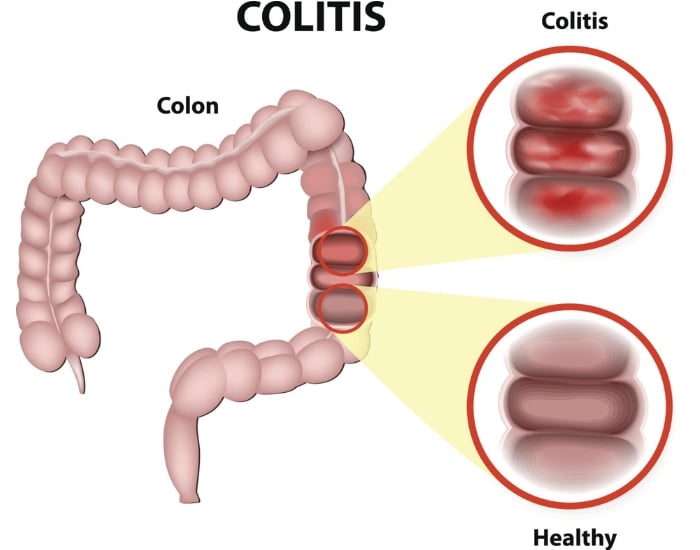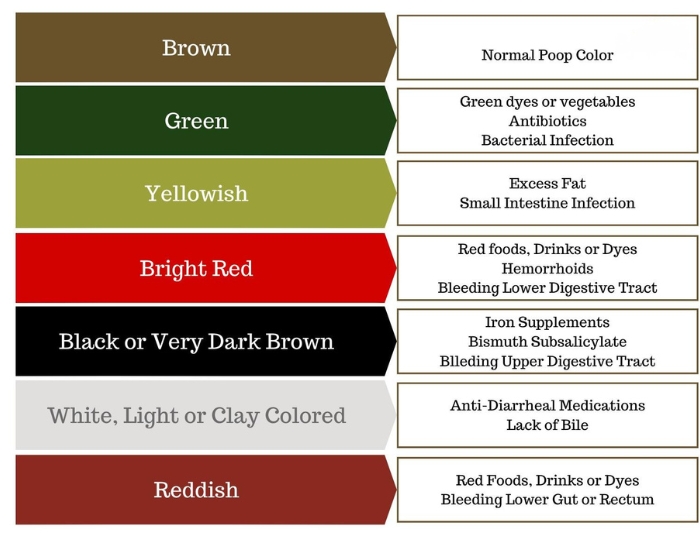
Understanding what different stool colors may mean can help you decide whether simple observation is appropriate or whether it's time to seek medical evaluation. Although stool color alone cannot diagnose a disease, it often provides valuable clues when considered alongside symptoms such as abdominal pain, diarrhea, constipation, nausea, vomiting, fever, unexplained weight loss, or blood in the stool.
Important Note
A change in stool color does not always indicate a serious medical problem. Foods, vitamins, and medications frequently affect stool appearance. However, persistent color changes, black or bloody stool, pale stool, or changes accompanied by pain, dizziness, fever, or unexplained weight loss deserve medical attention. Learning what different stool colors may mean can help you recognize when symptoms should simply be monitored and when prompt evaluation by a gastroenterologist is appropriate.
What Is a Normal Stool Color?
Healthy stool is typically various shades of brown. The exact shade may vary from light brown to dark brown depending on your diet, hydration, gut bacteria, and the speed at which food moves through your digestive tract. Small day-to-day variations are completely normal and usually are not a cause for concern.
The brown color mainly comes from bile, a digestive fluid produced by the liver and stored in the gallbladder. As bile travels through the intestines, it is chemically altered by digestive enzymes and intestinal bacteria, eventually producing the familiar brown appearance of stool.
Because so many organs contribute to digestion, changes in stool color sometimes provide early clues about digestive health. Problems involving the liver, bile ducts, pancreas, stomach, or intestines may alter stool appearance. This is one reason gastroenterologists often ask patients detailed questions about bowel movements during an evaluation.
Color should never be interpreted by itself. Stool consistency, frequency, odor, associated symptoms, medications, and recent dietary changes all contribute to understanding what may be happening.
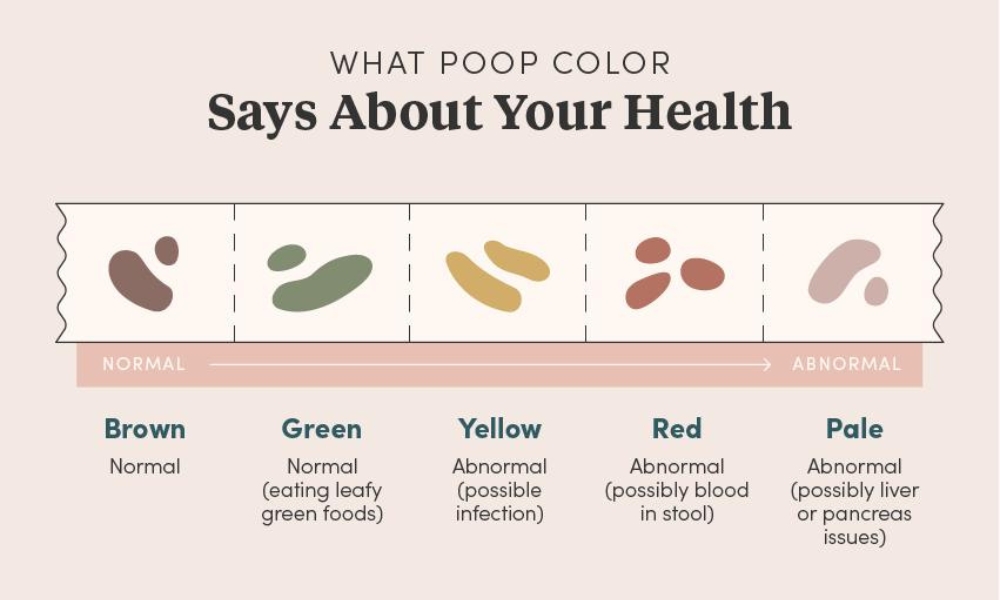
Stool Color Reference Chart
| Stool Color | Common Non-Medical Causes | Possible Medical Causes | When to Seek Care |
|---|---|---|---|
| Brown | Normal digestion | Usually normal | Routine care if other symptoms develop |
| Green | Leafy vegetables, food coloring | Rapid intestinal transit, diarrhea | Persistent changes or ongoing diarrhea |
| Yellow | Some foods or supplements | Fat malabsorption, pancreatic disorders, celiac disease | If persistent or accompanied by weight loss |
| Orange | Carrots, sweet potatoes | Occasionally bile-related problems | If persistent or associated with other symptoms |
| Red | Beets, red food coloring | Bleeding from the digestive tract | Prompt medical evaluation |
| Black | Iron supplements, bismuth medicines | Upper GI bleeding | Immediate medical evaluation if unexplained |
| Pale or Clay | Rarely diet-related | Liver disease, bile duct obstruction, pancreatic disorders | Medical evaluation recommended |
Brown Stool
Brown stool is generally considered the healthy standard. The shade may vary from person to person and even from one bowel movement to another without indicating illness. Factors such as hydration, fiber intake, recent meals, and intestinal transit time all influence the exact appearance.
Darker brown stool is not necessarily healthier than lighter brown stool. In most cases, both are completely normal if there are no accompanying symptoms. Many patients worry that darker stool automatically indicates bleeding, but true bleeding-related stool usually has a distinct black, tarry appearance rather than simply being dark brown.
If your stool remains brown and your bowel habits are otherwise unchanged, there is generally no reason for concern. However, if brown stool is accompanied by persistent constipation, diarrhea, abdominal pain, or unexplained weight loss, a digestive evaluation may still be appropriate.
Individuals experiencing ongoing constipation or difficult bowel movements may benefit from learning more about constipation and its causes, especially if bowel habit changes continue for several weeks.
Why Is My Stool Green?
Green stool is one of the most common color changes that causes unnecessary anxiety. Fortunately, it is often harmless.
Eating large amounts of spinach, kale, broccoli, or other leafy green vegetables can naturally produce green stool because of their high chlorophyll content. Artificial green food coloring found in drinks, frosting, candies, and holiday foods may also temporarily change stool color.
Another common reason involves how quickly food moves through the digestive tract. Bile begins as a greenish fluid. Normally, intestinal bacteria gradually convert it into brown pigments during digestion. When stool moves too rapidly—as can happen with diarrhea or certain intestinal illnesses—there is less time for this color change to occur, resulting in green stool.
Green stool may occasionally occur alongside viral gastroenteritis, foodborne illness, antibiotic use, or inflammatory digestive conditions. If diarrhea lasts several days, becomes severe, or is associated with dehydration, fever, or persistent abdominal pain, evaluation by a gastroenterologist may be recommended.
People living with conditions such as irritable bowel syndrome (IBS) or inflammatory bowel disease (IBD) may notice stool color changes during symptom flare-ups, although stool color alone cannot distinguish between these conditions.
Occasional green stool after eating vegetables usually resolves naturally within a day or two. Persistent changes without an obvious dietary explanation deserve further evaluation.
Why Is My Stool Yellow?
Yellow stool may occur for several different reasons. Sometimes it simply reflects dietary factors or rapid intestinal transit. In other situations, it may suggest that fat is not being digested or absorbed normally.
Healthy digestion depends on coordinated function of the liver, gallbladder, bile ducts, pancreas, and small intestine. When one of these organs is not functioning properly, stool may appear pale yellow, greasy, bulky, or unusually foul-smelling.
Some patients describe yellow stool that floats in the toilet or is difficult to flush. This may occur because excess fat remains in the stool rather than being absorbed during digestion. Although occasional episodes are not always concerning, persistent greasy yellow stool should not be ignored.
Possible medical conditions associated with persistent yellow stool include pancreatic disorders, celiac disease, chronic pancreatitis, bile acid abnormalities, or other disorders affecting fat absorption. Individuals with ongoing symptoms may require laboratory testing, imaging studies, or endoscopic evaluation depending on their overall clinical picture.
If yellow stool is accompanied by nausea, vomiting, persistent abdominal pain, or unexplained weight loss, consultation with a gastroenterologist is recommended. You can also learn more about pancreatic disorders, celiac disease, and persistent nausea and vomiting, as these conditions may sometimes contribute to changes in stool appearance.
Why Is My Stool Orange?
Orange stool is less common than brown or green stool, but in many cases it is still harmless. Temporary changes often occur after eating foods naturally rich in orange pigments, including carrots, pumpkin, squash, sweet potatoes, or foods containing orange food coloring.
The digestive process also influences stool color. Bile starts as a yellow-green fluid and gradually changes to brown as it moves through the intestines. If this process is interrupted or if bile doesn't reach the intestines in normal amounts, stool may appear orange instead of its usual brown color.
Occasional orange stool without other symptoms usually resolves within a day or two. However, persistent orange stool—especially when accompanied by pale stool, jaundice, dark urine, abdominal pain, or unexplained weight loss—may indicate a condition affecting bile flow.
Because bile is produced by the liver and travels through the bile ducts before reaching the intestines, disorders involving these organs can sometimes contribute to ongoing color changes. If symptoms continue, your physician may recommend evaluation for biliary disorders, abnormal liver enzymes, or consultation with a liver specialist.
Although orange stool alone rarely represents an emergency, persistent color changes deserve medical attention if they continue for more than several days or occur with additional digestive symptoms.
Have symptoms like these?
Dr. Muhammad Ali Khan, a board-certified gastroenterologist and hepatologist, sees adults at our Katy and Cypress offices, serving patients across Greater Houston.
Red or Maroon Stool
Seeing red or maroon stool is understandably frightening. While eating beets, cranberries, tomatoes, or foods with red coloring can temporarily change stool appearance, bright red or dark red stool may also indicate bleeding somewhere in the lower digestive tract.
The amount of blood may vary considerably. Sometimes only streaks appear on toilet paper, while other individuals notice blood mixed with stool or maroon-colored bowel movements. The source of bleeding may range from relatively common conditions such as hemorrhoids to inflammatory bowel disease, diverticular bleeding, colon polyps, or colorectal cancer.
Importantly, stool color alone cannot identify the cause. This is why persistent or unexplained red stool should never be diagnosed at home based solely on internet searches.
If you notice red stool that cannot be explained by recent foods, it is important to seek medical evaluation. Learn more about possible causes of blood in the stool and when additional testing may be recommended.
Depending on your symptoms, your gastroenterologist may recommend diagnostic procedures such as a colonoscopy in Katy, a colonoscopy in Cypress, or a comprehensive colonoscopy evaluation to determine the underlying cause.
Black or Tarry Stool
Black stool deserves careful attention because it may represent either a harmless medication effect or bleeding from the upper digestive tract.
Certain medications, including iron supplements and products containing bismuth subsalicylate (such as some stomach remedies), commonly turn stool black without causing harm. These medications create a dark appearance that is expected and generally temporary.
However, black stool that appears shiny, sticky, or tar-like may indicate digested blood from bleeding higher in the digestive system. Possible sources include stomach ulcers, gastritis, esophageal disorders, or other upper gastrointestinal conditions.
If black stool occurs without an obvious medication explanation—or if it is accompanied by dizziness, weakness, fainting, vomiting blood, or severe abdominal pain—it should be treated as a medical emergency.
Upper gastrointestinal bleeding often requires prompt evaluation, which may include an upper endoscopy (EGD) to identify and treat the source of bleeding.
Patients experiencing persistent black stool should also review information about gastritis and seek immediate medical evaluation rather than waiting for symptoms to resolve on their own.

Pale, Gray, or Clay-Colored Stool
Pale, gray, or clay-colored stool is one of the most important stool color changes to recognize because it may suggest that bile is not reaching the intestines normally.
Unlike green or orange stool, pale stool is rarely caused by diet alone. Instead, it often reflects a problem affecting the liver, gallbladder, bile ducts, or pancreas. Since bile gives stool its normal brown color, reduced bile flow may result in stool that appears gray, whitish, or clay-colored.
Possible causes include bile duct obstruction, gallstones blocking bile flow, certain liver diseases, pancreatic disorders, inflammation of the bile ducts, or other conditions affecting the hepatobiliary system.
Some individuals also notice symptoms such as:
- Yellowing of the eyes or skin (jaundice)
- Dark-colored urine
- Persistent itching
- Upper abdominal pain
- Nausea
- Unexplained fatigue
When these symptoms occur together, prompt medical evaluation is recommended.
Your gastroenterologist may order blood work, liver function testing, abdominal ultrasound, MRCP, CT imaging, FibroScan®, or endoscopic procedures depending on the suspected cause.
If pale stool persists, additional information about abnormal liver enzymes, liver specialists, biliary disorders, hepatology care, and pancreatic disorders can help explain why further evaluation may be necessary.
Important Note
Not every abnormal stool color means a serious disease. Many changes are temporary and related to recent meals, supplements, or medications. At the same time, recurring color changes, blood in the stool, black tarry stool, pale stool, or symptoms such as fever, severe abdominal pain, dizziness, or unexplained weight loss should not be ignored. Rather than attempting to self-diagnose, it is safest to have persistent symptoms evaluated by a gastroenterologist who can determine whether testing is necessary.
Can Food or Medicine Change Stool Color?
Absolutely. In fact, food and medications account for many temporary stool color changes seen in otherwise healthy people.
Examples include:
- Leafy green vegetables causing green stool.
- Beets causing red or pink stool.
- Carrots and sweet potatoes causing orange stool.
- Blueberries occasionally producing dark stool.
- Iron supplements causing dark green or black stool.
- Bismuth-containing medications causing black stool.
- Artificial food dyes changing stool to green, blue, red, or other unusual shades.
These color changes usually disappear within several bowel movements after the food or medication is no longer being consumed.
If stool color remains abnormal despite no obvious dietary explanation—or new symptoms develop—medical evaluation becomes more important than simply watching and waiting.
When Stool Color Needs Urgent Medical Care
Most temporary stool color changes are not emergencies. However, certain colors—particularly when combined with other symptoms—may indicate a condition that requires prompt medical evaluation. Knowing when to seek care can help prevent delays in diagnosing potentially serious digestive disorders.
While it's reasonable to observe stool changes that occur after eating certain foods or taking new medications, persistent or unexplained changes should not be ignored. Your healthcare provider will consider your stool color alongside your medical history, symptoms, medications, and physical examination to determine whether additional testing is necessary.
Seek emergency medical care if you experience:
- Black, tarry stool that is not explained by iron supplements or bismuth medications.
- Large amounts of bright red blood or maroon stool.
- Blood in the stool accompanied by dizziness, fainting, weakness, or a rapid heartbeat.
- Severe abdominal pain with changes in stool color.
- Pale or clay-colored stool together with jaundice or dark urine.
- Persistent vomiting, especially if vomiting blood or coffee-ground material.
- High fever with severe diarrhea and dehydration.
These symptoms may indicate gastrointestinal bleeding, significant liver or bile duct disease, intestinal inflammation, or another condition requiring urgent medical attention.
Schedule a gastroenterology appointment if you notice:
- Persistent stool color changes lasting more than several days without an obvious dietary cause.
- Repeated episodes of yellow, pale, black, or red stool.
- Changes in bowel habits that continue for several weeks.
- Unexplained weight loss.
- Chronic diarrhea or constipation.
- Persistent abdominal discomfort or bloating.
- A family history of colorectal cancer, inflammatory bowel disease, or hereditary digestive disorders.
Early evaluation does not necessarily mean something serious is present. In many cases, testing provides reassurance while helping identify treatable digestive conditions before complications develop.
Get answers instead of guessing
Request a visit with Dr. Muhammad Ali Khan at our Katy and Cypress offices. Most major insurance plans are accepted and self-pay options are available.
How a Gastroenterologist Evaluates Abnormal Stool Color
Because stool color alone cannot determine a diagnosis, gastroenterologists take a comprehensive approach when evaluating patients. The goal is to understand not only the appearance of the stool but also what may be causing the change.
Your provider will typically begin by asking several important questions, including:
- When did the color change begin?
- Has the color changed more than once?
- Have you recently eaten foods known to alter stool color?
- Are you taking iron supplements, antibiotics, blood thinners, or bismuth-containing medications?
- Do you have diarrhea, constipation, nausea, vomiting, or abdominal pain?
- Have you experienced unexplained weight loss, fatigue, or fever?
- Is there a family history of digestive diseases or colorectal cancer?
Depending on your symptoms, additional testing may be recommended to identify the underlying cause.
Laboratory Testing
Blood tests may evaluate liver function, pancreatic enzymes, anemia, inflammation, infection, or nutritional deficiencies. Stool studies can help identify infections, inflammation, hidden blood, fat malabsorption, or other abnormalities.
Colonoscopy
If red stool, blood in the stool, persistent bowel habit changes, unexplained anemia, or other concerning symptoms are present, your physician may recommend a colonoscopy in Katy or a colonoscopy in Cypress. A colonoscopy allows direct examination of the colon and rectum to evaluate for polyps, inflammation, diverticular disease, colorectal cancer, and other conditions.
Patients can also learn more about the procedure by visiting the practice's page on colonoscopy procedures.
Upper Endoscopy (EGD)
Black or tarry stool may suggest bleeding from the upper digestive tract. In these situations, an upper endoscopy (EGD) or esophagogastroduodenoscopy may help identify stomach ulcers, gastritis, esophageal conditions, or other sources of bleeding.
Imaging Studies
If pale stool raises concern for liver, gallbladder, bile duct, or pancreatic disease, imaging such as abdominal ultrasound, CT scanning, MRI, MRCP, or specialized liver evaluation may be appropriate.
Some patients may also benefit from advanced testing such as FibroScan® liver assessment depending on their symptoms and medical history.
Individualized Evaluation Matters
Two people with the same stool color may have completely different underlying causes. That is why physicians avoid making diagnoses based solely on color charts or internet searches. A careful evaluation helps ensure that both common and uncommon digestive disorders are considered appropriately.
Protecting Your Digestive Health
Although not every stool color change can be prevented, maintaining good digestive health can reduce the risk of several gastrointestinal conditions.
Healthy habits include eating a balanced diet rich in fruits, vegetables, and fiber, staying well hydrated, exercising regularly, limiting excessive alcohol intake, avoiding tobacco, and taking medications only as directed. Routine preventive healthcare is also important, particularly for individuals with chronic digestive diseases or a family history of colorectal cancer.
Adults at average risk should discuss the appropriate timing of colorectal cancer screening with their healthcare provider. Screening can identify precancerous polyps before they become cancer and may detect colorectal cancer at an earlier, more treatable stage.
Comprehensive Gastroenterology Care in Katy, Cypress, and the Greater Houston Area
If you're experiencing persistent changes in stool color, unexplained digestive symptoms, or concerns about your bowel health, the specialists at United Gastroenterologists provide comprehensive evaluation and treatment for a wide range of digestive disorders.
The practice offers expert care for conditions involving the esophagus, stomach, small intestine, colon, liver, pancreas, gallbladder, and biliary system. Diagnostic services, including colonoscopy, upper endoscopy, liver evaluation, and other advanced gastrointestinal procedures, help identify the underlying cause of symptoms and guide personalized treatment recommendations.
Whether you're looking for a gastroenterologist in Cypress, a gastroenterologist in Katy, or specialized digestive care elsewhere in the Houston area, early evaluation can provide answers and peace of mind.
Frequently Asked Questions
What is the healthiest stool color?
Most healthy bowel movements are medium to dark brown. Normal shades can vary slightly depending on diet, hydration, and digestion.
Can food really change stool color?
Yes. Green vegetables, beets, blueberries, carrots, artificial food coloring, iron supplements, and bismuth-containing medications commonly cause temporary stool color changes.
Is green stool dangerous?
Usually not. Green stool often results from diet or rapid intestinal transit. However, persistent green stool accompanied by diarrhea, abdominal pain, fever, or dehydration should be evaluated.
Does black stool always mean bleeding?
No. Iron supplements and certain stomach medications can turn stool black. However, unexplained black, sticky, or tarry stool may indicate bleeding from the upper digestive tract and requires prompt medical evaluation.
Why is pale or clay-colored stool concerning?
Pale stool may indicate reduced bile flow due to conditions affecting the liver, bile ducts, gallbladder, or pancreas. Persistent pale stool should be assessed by a healthcare professional.
Should I have a colonoscopy if my stool changes color?
Not everyone with stool color changes requires a colonoscopy. The need for testing depends on your symptoms, medical history, physical examination, age, and individual risk factors. Your gastroenterologist can determine whether colonoscopy or another diagnostic test is appropriate.
When should I call a gastroenterologist?
You should contact a gastroenterologist if abnormal stool color persists, repeatedly returns, or occurs with blood in the stool, black tarry stool, severe abdominal pain, jaundice, unexplained weight loss, anemia, fever, or ongoing digestive symptoms.
Final Thoughts
A change in stool color can be surprising, but it doesn't automatically mean something is seriously wrong. Many color changes are temporary and related to food choices, medications, or normal variations in digestion. At the same time, certain colors—particularly black, red, or pale stool—may indicate conditions that deserve timely medical evaluation.
Pay attention to changes that persist or occur alongside other digestive symptoms, and don't hesitate to seek professional advice if you're concerned. Early evaluation often helps identify treatable conditions while providing reassurance when no serious problem is found.
Medical Disclaimer
This article is intended for educational purposes only and should not be used as a substitute for professional medical advice, diagnosis, or treatment. Stool color alone cannot diagnose a medical condition. If you experience persistent stool color changes, gastrointestinal bleeding, severe abdominal pain, jaundice, or other concerning symptoms, seek evaluation from a qualified healthcare professional or emergency medical services when appropriate.
Where to be seen in Katy and Cypress
United Gastroenterology Associates has two offices: Katy, at 23920 Katy Freeway, Suite 555, next to Memorial Hermann Katy Hospital, and Cypress, at 21216 Northwest Freeway, Suite 640, on US-290. Both are open Monday through Friday, 8:30 AM to 5:00 PM, closed for lunch from 12:00 to 1:30 PM, and serve patients from Fulshear, Richmond and across Greater Houston. Call (346) 340-4414 for either office.
Katy office
23920 Katy Freeway, Suite 555
Katy, TX 77494
Memorial Hermann Medical Plaza 1
Next steps
If you are dealing with stool color chart or any ongoing digestive concern, a focused evaluation can find the cause and start the right treatment. Dr. Muhammad Ali Khan and the team at United Gastroenterology Associates see adults from Katy, Cypress, Fulshear, Richmond, Greater Houston and across Texas. Call (346) 340-4414 or request an appointment today.
If you have severe pain, vomit blood, pass black stools or have chest pain, call 911 or go to the nearest emergency room.