
Finding mucus in your stool can be surprising and, for many people, alarming. A small amount of mucus is actually a normal part of healthy digestion, but seeing more than usual—especially when it’s white, yellow, clear, or mixed with blood—can raise understandable concerns. Questions like “Is this normal?”, “Could it be IBS?”, or “Does mucus mean I have an infection?” are among the most common reasons people search for answers online.
The good news is that mucus in stool has many possible explanations. Sometimes it is related to a temporary digestive upset that improves on its own. In other cases, it may signal inflammation in the intestines, an infection, inflammatory bowel disease (IBD), or another condition that deserves medical attention. The appearance of mucus alone cannot identify the exact cause, which is why it’s important to consider your other symptoms and, when necessary, seek professional evaluation.
This guide explains what intestinal mucus does, why you might notice it in your stool, the difference between normal and abnormal mucus, how conditions like irritable bowel syndrome (IBS), inflammatory bowel disease (IBD), infections, and rectal inflammation can contribute to mucus production, and when it’s time to see a gastroenterologist.
Important Note
Seeing mucus in your stool does not automatically mean you have a serious digestive disease. Many conditions—from mild bowel irritation to chronic inflammatory disorders—can increase mucus production. Paying attention to accompanying symptoms such as abdominal pain, diarrhea, fever, or blood in the stool can help determine whether medical evaluation is needed. Understanding these warning signs early may lead to faster diagnosis and more effective treatment.
Table of Contents
- What Is Intestinal Mucus?
- Can a Small Amount of Mucus Be Normal?
- Mucus in Stool with IBS
- Mucus with Inflammatory Bowel Disease
- Mucus with Intestinal Infection
- Mucus with Proctitis or Rectal Inflammation
- Mucus with Constipation or Hemorrhoids
- What Different Mucus Colors May Mean
- When to Worry About Mucus in Stool
- How a Gastroenterologist Evaluates Mucus in Stool
- Frequently Asked Questions
What Is Intestinal Mucus?
Mucus is a slippery, gel-like substance produced naturally by specialized cells that line the digestive tract. Although many people associate mucus with the nose or lungs, it also plays a vital role throughout the gastrointestinal system.
Inside the intestines, mucus acts as a protective barrier. It coats the lining of the bowel, helping food and waste move smoothly while protecting delicate tissues from irritation caused by digestive enzymes, bacteria, and stool passing through the colon.
This protective layer also helps maintain the health of the intestinal lining by supporting the body’s natural defenses against harmful microorganisms. Without adequate mucus, the intestinal lining would be much more vulnerable to inflammation and injury.
Because mucus is produced continuously, everyone passes small amounts of it during normal bowel movements. Most of the time, however, the amount is so small that it goes completely unnoticed.

Can a Small Amount of Mucus Be Normal?
Yes. Small amounts of clear or whitish mucus are considered a normal part of healthy digestion. In fact, you may pass tiny amounts every day without realizing it.
The concern usually begins when there is a noticeable increase in mucus, when it repeatedly appears in the toilet or on toilet paper, or when it is accompanied by other symptoms such as diarrhea, constipation, abdominal pain, rectal bleeding, fever, or unintended weight loss.
For example, someone recovering from a brief viral stomach illness may temporarily notice more mucus as the intestines heal. Likewise, mild irritation from constipation may occasionally increase mucus production for a short time.
On the other hand, persistent mucus that continues for weeks or repeatedly returns should not be ignored, particularly if it interferes with daily life or occurs alongside other digestive symptoms.
The key point is that mucus itself is not a diagnosis. Instead, it is a sign that the lining of the digestive tract may be producing extra protective secretions in response to irritation or inflammation.
Mucus in Stool with Irritable Bowel Syndrome (IBS)
One of the most common non-serious causes of mucus in stool is irritable bowel syndrome (IBS). IBS is a functional gastrointestinal disorder that affects how the intestines work rather than causing structural damage to the digestive tract.
Many people with IBS describe seeing occasional clear or white mucus, particularly during periods when symptoms flare. This is thought to occur because the bowel becomes more sensitive and may produce additional mucus in response to changes in intestinal movement.
IBS often causes recurring symptoms such as:
- Cramping abdominal pain that improves after a bowel movement.
- Bloating or abdominal fullness.
- Constipation.
- Diarrhea.
- Alternating constipation and diarrhea.
- A sensation of incomplete bowel emptying.
Unlike inflammatory bowel disease, IBS does not typically cause intestinal damage, ulcers, or significant bleeding. While mucus may be common in IBS, symptoms such as blood in the stool, persistent fever, nighttime diarrhea, or unexplained weight loss require further medical evaluation because they may point to another condition.
If recurring abdominal discomfort and mucus are affecting your daily routine, learning more about Irritable Bowel Syndrome (IBS) may help you better understand potential causes and available treatment options.
IBS vs. More Serious Conditions
| Feature | Typical IBS | Possible Inflammatory Disease |
|---|---|---|
| Mucus | Common | May occur |
| Blood in stool | Uncommon | May be present |
| Fever | No | Possible |
| Weight loss | Not typical | Possible |
Although IBS can certainly explain mucus in the stool, it’s important not to assume every case is IBS. Persistent symptoms deserve evaluation to rule out inflammatory bowel disease, infections, colorectal conditions, or other gastrointestinal disorders.
Mucus with Inflammatory Bowel Disease (IBD)
Unlike irritable bowel syndrome, inflammatory bowel disease (IBD) involves ongoing inflammation that can damage the digestive tract. The two primary forms of IBD are Crohn’s disease and ulcerative colitis. Both conditions can increase mucus production because the intestinal lining becomes inflamed and irritated.
People living with IBD may notice mucus in the stool during flare-ups, although the amount can vary considerably. Mucus may appear alone or together with diarrhea, blood, pus, abdominal cramping, or an urgent need to have a bowel movement.
Inflammation affects the normal protective lining of the intestines. As the body attempts to protect and heal the irritated tissue, mucus production may increase. This is why visible mucus is relatively common in active inflammatory bowel disease.
Symptoms that may suggest IBD include:
- Persistent diarrhea lasting several weeks.
- Blood mixed with stool.
- Mucus or pus during bowel movements.
- Cramping abdominal pain.
- Urgent bowel movements.
- Nighttime diarrhea that interrupts sleep.
- Unexplained weight loss.
- Fatigue related to chronic inflammation or anemia.
It’s important to remember that these symptoms are not exclusive to IBD. Several digestive disorders can cause similar complaints, which is why appropriate medical evaluation is essential before reaching a diagnosis.
Patients who experience recurring flare-ups or chronic intestinal inflammation may benefit from learning more about Inflammatory Bowel Disease (IBD) management and the treatment options available.
Mucus with Intestinal Infection
Bacterial, viral, and parasitic infections can temporarily increase mucus production within the intestines. During an infection, the immune system activates an inflammatory response to help eliminate harmful organisms. As part of this response, the bowel lining often produces additional mucus to protect itself.
Infectious diarrhea typically develops more suddenly than chronic digestive disorders. Many people notice symptoms within hours or days after consuming contaminated food or water or after close contact with someone who has a gastrointestinal illness.
Common symptoms associated with intestinal infections include:
- Sudden diarrhea.
- Abdominal cramping.
- Nausea or vomiting.
- Fever.
- Mucus in the stool.
- Occasionally blood in the stool.
While many mild viral infections improve with rest and hydration, bacterial infections may occasionally require additional testing or treatment depending on the specific organism involved and the severity of symptoms.
Persistent diarrhea lasting more than several days, dehydration, high fever, severe abdominal pain, or bloody stools should prompt medical evaluation rather than home treatment alone.
If diarrhea continues or frequently returns, additional evaluation for persistent diarrhea may help identify the underlying cause.
Mucus with Proctitis or Rectal Inflammation
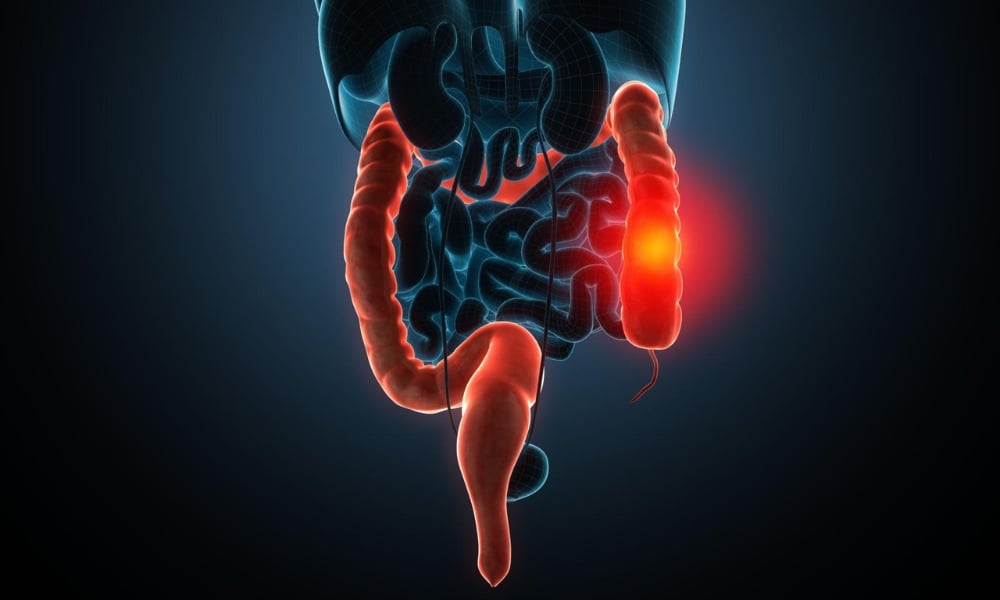
The rectum is the final portion of the large intestine before stool leaves the body. When this area becomes inflamed—a condition known as proctitis—patients frequently notice mucus during bowel movements.
Because the rectum normally produces mucus to help stool pass comfortably, inflammation often causes these mucus-producing glands to become more active. As a result, patients may notice clear, white, yellowish, or occasionally blood-streaked mucus.
Proctitis may also cause:
- Rectal pain or discomfort.
- A constant feeling of needing a bowel movement (tenesmus).
- Passing only mucus without much stool.
- Blood mixed with mucus.
- Pain during bowel movements.
Proctitis can develop for several reasons, including inflammatory bowel disease, infections, radiation therapy, or other inflammatory conditions affecting the rectum. Because treatment depends on the underlying cause, medical evaluation is important whenever symptoms persist.
Important Note
Many people become anxious after seeing mucus in the toilet, but the appearance of mucus alone rarely identifies a specific disease. Some causes are temporary and relatively mild, while others require medical treatment. Instead of trying to diagnose yourself based solely on the color or amount of mucus, pay attention to the complete picture—including pain, fever, diarrhea, bleeding, weight loss, and how long symptoms have been present. This information helps your healthcare provider determine the most appropriate evaluation.
Mucus with Constipation or Hemorrhoid Symptoms
Constipation can sometimes increase mucus production because hard stools irritate the lining of the colon and rectum. As stool becomes more difficult to pass, the bowel may produce additional mucus to help lubricate the passage of stool.
People experiencing chronic constipation occasionally notice clear mucus coating the stool or appearing on toilet paper after wiping. Mild rectal irritation from repeated straining can contribute as well.
Hemorrhoids may also cause small amounts of mucus, particularly when swollen internal hemorrhoids become irritated. Although hemorrhoids are best known for causing rectal bleeding, itching, or discomfort, they may occasionally contribute to mucus discharge.
Typical constipation-related symptoms include:
- Hard or dry stools.
- Infrequent bowel movements.
- Straining during bowel movements.
- A sensation of incomplete emptying.
- Occasional mucus after straining.
Most cases improve after addressing the underlying constipation through appropriate dietary changes, hydration, physical activity, or physician-recommended treatment. However, persistent constipation accompanied by blood, severe pain, unexplained weight loss, or recurrent mucus should be evaluated further.
If constipation has become an ongoing concern, you can learn more about available treatment options for chronic constipation.
What Different Mucus Colors Do—And Do Not—Tell You
Many people assume that the color of mucus can reveal the exact cause of a digestive problem. In reality, mucus color alone is not a reliable diagnostic tool. While certain colors may be seen more commonly with particular conditions, there is significant overlap, and no single color confirms a specific disease.
| Mucus Appearance | Possible Explanation |
|---|---|
| Clear | May be a normal protective secretion or mild bowel irritation. |
| White | Can occur with IBS, constipation, or other causes of bowel irritation. |
| Yellow | May reflect inflammation, infection, or increased immune activity but is not diagnostic. |
| Blood-streaked | Requires medical evaluation because bleeding may occur with hemorrhoids, infections, IBD, polyps, or other gastrointestinal conditions. |
The most important message is that physicians diagnose digestive disorders by considering your symptoms, medical history, physical examination, laboratory testing, and, when appropriate, imaging or endoscopic evaluation—not by mucus color alone.
Warning Signs That Need Medical Evaluation
Although mucus in the stool is often related to a mild or temporary digestive problem, there are situations where it should not be ignored. Persistent or worsening symptoms may indicate inflammation, infection, bleeding, or another gastrointestinal condition that deserves prompt evaluation by a gastroenterologist.
Rather than focusing on the mucus itself, physicians pay close attention to the symptoms that occur alongside it. These associated symptoms often provide more useful clues about what may be happening inside the digestive tract.
You should schedule a medical evaluation if mucus in your stool occurs together with:
- Visible blood in the stool.
- Persistent diarrhea lasting more than several days.
- Repeated episodes of mucus that continue for weeks.
- Moderate to severe abdominal pain.
- Fever or chills.
- Nighttime bowel movements that wake you from sleep.
- Unexplained weight loss.
- Fatigue or symptoms of anemia.
- Persistent urgency to have a bowel movement.
- A constant feeling that the bowel has not emptied completely.
- Signs of dehydration such as dizziness, dry mouth, or decreased urination.
These symptoms do not automatically mean you have a serious disease, but they do increase the importance of a thorough medical evaluation so the underlying cause can be identified and treated appropriately.
If mucus is accompanied by significant blood in the stool, immediate evaluation is especially important because gastrointestinal bleeding can have many different causes, ranging from hemorrhoids to inflammatory bowel disease and colorectal conditions.
How a Gastroenterologist Evaluates Mucus in Stool
Because mucus can occur in many different digestive disorders, there is no single test that provides every answer. Instead, your gastroenterologist develops an evaluation based on your symptoms, age, medical history, physical examination, and individual risk factors.
The first step usually involves discussing your symptoms in detail. Your physician may ask questions such as:
- When did you first notice the mucus?
- Does it occur with every bowel movement?
- Is it clear, white, yellow, or mixed with blood?
- Do you have diarrhea, constipation, or alternating bowel habits?
- Have you experienced fever, weight loss, or nighttime symptoms?
- Have you recently traveled or eaten potentially contaminated food?
- Is there a family history of inflammatory bowel disease or colorectal cancer?
These questions help narrow the list of possible causes before any testing is performed.
Laboratory Testing
Depending on your symptoms, stool studies may be recommended to evaluate for infection, inflammation, or hidden blood. Blood tests may also help identify anemia, infection, inflammation, dehydration, or nutritional deficiencies.
Imaging Studies
Some patients benefit from imaging studies, particularly if abdominal pain, fever, or suspected complications are present. Imaging helps physicians evaluate the intestines and nearby organs for inflammation or other abnormalities.
When Colonoscopy May Be Recommended
If symptoms are persistent, recurrent, associated with rectal bleeding, unexplained anemia, weight loss, or other concerning findings, your gastroenterologist may recommend a colonoscopy or a colonoscopy in Cypress.
During a colonoscopy, a flexible camera allows direct visualization of the lining of the colon and rectum. This examination can help identify conditions such as inflammatory bowel disease, polyps, colorectal cancer, microscopic colitis, diverticular disease, and other causes of chronic bowel symptoms.
Small tissue samples (biopsies) may also be collected if needed. Biopsies often provide valuable information even when the lining of the colon appears relatively normal during the examination.
Patients experiencing persistent mucus together with ongoing bowel habit changes or rectal bleeding should not delay evaluation, as early diagnosis often allows treatment to begin sooner and may help prevent complications.
How Treatment Depends on the Underlying Cause
There is no single treatment designed specifically for mucus in the stool because mucus itself is a symptom rather than a disease. The most effective treatment depends entirely on identifying and addressing the underlying condition responsible for the increased mucus production.
For example:
- IBS treatment may focus on dietary adjustments, stress management, medications, and improving bowel habits.
- Bacterial infections may require specific antibiotic therapy in selected cases.
- Inflammatory bowel disease often requires medications that reduce inflammation and help maintain long-term remission.
- Constipation-related mucus frequently improves by treating constipation and reducing straining.
- Proctitis treatment depends on the specific cause of the inflammation.
Attempting to self-diagnose based only on internet searches may delay appropriate treatment. Because many digestive conditions produce similar symptoms, professional evaluation provides the most reliable path toward an accurate diagnosis.
Important Note
It’s understandable to feel anxious after seeing mucus in your stool, especially if you’ve never noticed it before. Fortunately, many cases are caused by conditions that are manageable with appropriate medical care. The goal isn’t to assume the worst—it’s to understand what your body may be trying to tell you and seek evaluation when symptoms are persistent, recurrent, or accompanied by warning signs.
Digestive Care for Patients in Katy, Cypress, and Greater Houston
Patients experiencing persistent mucus in the stool, chronic diarrhea, abdominal pain, constipation, rectal bleeding, or unexplained bowel habit changes may benefit from evaluation by an experienced gastroenterologist.
United Gastroenterologists provides comprehensive evaluation and treatment for a wide range of digestive disorders, including IBS, IBD, chronic diarrhea, constipation, colorectal conditions, and other gastrointestinal diseases.
When appropriate, advanced diagnostic procedures such as colonoscopy help identify the cause of ongoing digestive symptoms and guide personalized treatment recommendations.
Whether you’re seeking care from a gastroenterologist in Cypress or a gastroenterologist in Katy, early evaluation can provide reassurance, clarify the diagnosis, and help you move toward lasting symptom relief.
Frequently Asked Questions
Is mucus in stool ever normal?
Yes. Small amounts of clear or whitish mucus are a normal part of healthy digestion and often go unnoticed. Larger amounts or mucus accompanied by other symptoms should be evaluated.
Can IBS cause mucus in stool?
Yes. Many people with irritable bowel syndrome notice occasional clear or white mucus, particularly during symptom flare-ups. However, blood, fever, or weight loss are not typical IBS symptoms and should be assessed by a healthcare provider.
Does mucus always mean an infection?
No. Mucus may occur with infections, but it can also be caused by IBS, inflammatory bowel disease, constipation, hemorrhoids, proctitis, and other digestive conditions.
What does white mucus in stool mean?
White mucus may occur with normal bowel secretions, IBS, constipation, or mild bowel irritation. It cannot identify a specific diagnosis on its own.
Is yellow mucus dangerous?
Not necessarily. Yellow mucus can sometimes be seen with inflammation or infection, but the color alone does not determine the cause. Your accompanying symptoms are much more important than the color itself.
Should I worry if mucus is mixed with blood?
Yes. Blood mixed with mucus should always be evaluated by a healthcare provider because it may be associated with hemorrhoids, infections, inflammatory bowel disease, polyps, or other gastrointestinal conditions.
When should I have a colonoscopy for mucus in stool?
Your gastroenterologist may recommend a colonoscopy if mucus is persistent, associated with rectal bleeding, unexplained anemia, chronic diarrhea, weight loss, or other concerning symptoms that require further evaluation.
Can stress cause mucus in stool?
Stress itself does not directly produce mucus, but it may worsen IBS symptoms in some people, and IBS can be associated with increased mucus production.
Medical Disclaimer
This article is intended for educational purposes only and should not replace professional medical advice, diagnosis, or treatment. Mucus in the stool has many possible causes, ranging from temporary digestive irritation to chronic gastrointestinal diseases. If your symptoms are persistent, worsening, or accompanied by blood, fever, significant abdominal pain, weight loss, or dehydration, seek prompt evaluation from a qualified healthcare professional.