How do digestive disorders cause unexplained weight loss and fatigue?
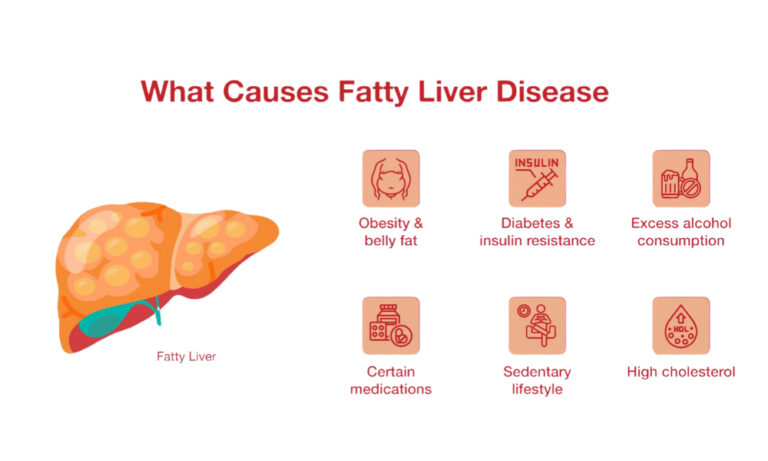
Digestive disorders cause unexplained weight loss and fatigue in three main ways: the gut cannot absorb nutrients properly (malabsorption), inflammation or bleeding drains the body's energy and iron, and symptoms such as pain, nausea or early fullness make people eat less. The result is fewer calories, anemia and vitamin deficiencies, all of which cause tiredness.
Three ways the gut causes weight loss and fatigue
- Poor absorptionCeliac disease, Crohn's, pancreatic insufficiency, SIBO.
- Inflammation and bleedingIBD, ulcers, polyps and cancers lower iron and energy.
- Eating lessPain, nausea, swallowing trouble or early fullness reduce intake.
Which digestive conditions cause weight loss?
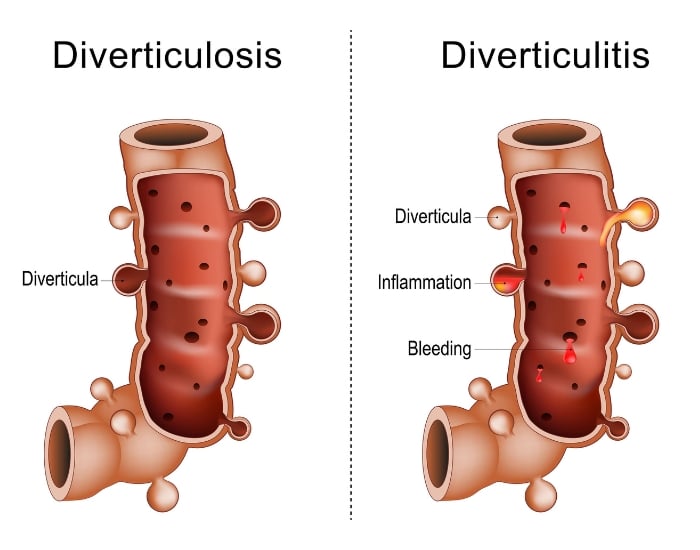
Common digestive causes include celiac disease, Crohn's disease and ulcerative colitis, chronic pancreatitis and pancreatic insufficiency, small intestinal bacterial overgrowth, peptic ulcers, gastroparesis, liver disease and digestive cancers such as stomach, pancreatic and colorectal cancer. Non-digestive causes such as thyroid disease, diabetes, depression and other cancers should also be considered.
| Condition | Typical clues | Key test |
|---|---|---|
| Celiac disease | Bloating, diarrhea, anemia | tTG-IgA blood test, duodenal biopsy |
| Crohn's disease | Diarrhea, abdominal pain, mouth ulcers | Colonoscopy, imaging, calprotectin |
| Pancreatic insufficiency | Greasy, floating stools | Fecal elastase |
| SIBO | Bloating, gas, loose stools | Breath test |
| Gastroparesis | Early fullness, vomiting | Gastric emptying study |
| Digestive cancer | Bleeding, swallowing trouble, anemia | Endoscopy, colonoscopy, CT |
Why does anemia cause so much fatigue?
Iron deficiency anemia means the blood carries less oxygen, which causes tiredness, weakness, shortness of breath and poor concentration. In adults, it is often caused by slow, hidden bleeding in the digestive tract or by poor iron absorption from celiac disease or Crohn's. Unexplained iron deficiency in men and in women after menopause should always be investigated with endoscopy and colonoscopy. Read about iron deficiency anemia and GI bleeding.
Warning signs that need prompt evaluation
- Losing more than 5 percent of body weight in 6 to 12 months without trying
- Blood in the stool or black stools
- Trouble swallowing or food getting stuck
- Persistent vomiting or early fullness
- Night sweats, fever or yellowing of the skin
Have symptoms like these?
Dr. Muhammad Ali Khan, a board-certified gastroenterologist and hepatologist, sees adults at our Katy and Cypress offices, serving patients across Greater Houston.
How is the cause of unexplained weight loss found?
Evaluation starts with a detailed history and exam, then blood tests including a complete blood count, iron, B12, folate, vitamin D, thyroid, liver and kidney tests, and a celiac test. Stool tests check for inflammation, infection and fat absorption. Depending on results, an upper endoscopy, colonoscopy, CT scan or capsule endoscopy may be needed.
Tip: Weigh yourself at the same time each week and note the results. A clear record of how much weight you lost and over how long helps your doctor judge how urgent testing is.
Can weight and energy return after treatment?
Yes, in most cases. A gluten-free diet restores absorption in celiac disease, pancreatic enzymes correct fat malabsorption, IBD treatment calms inflammation, and iron or B12 replacement improves energy within weeks. A dietitian can help rebuild weight and nutrition during recovery.
When should you see a gastroenterologist?
See a gastroenterologist if you have lost weight without trying, feel tired for weeks without a clear reason, have iron deficiency anemia, or have digestive symptoms alongside either. Dr. Muhammad Ali Khan evaluates unexplained weight loss and fatigue for patients from Katy, Cypress, Fulshear, Richmond and Greater Houston. See GI symptoms and conditions we treat.
Get answers instead of guessing
Request a visit with Dr. Muhammad Ali Khan at our Katy and Cypress offices. Call the office to check your insurance coverage; self-pay options are available.
Key takeaways
- Unexplained weight loss and fatigue together need medical evaluation.
- Malabsorption, inflammation, bleeding and reduced eating are the main digestive causes.
- Iron deficiency anemia is a common, treatable link between the gut and fatigue.
- Blood tests, stool tests and endoscopy usually find the cause.
- Most people regain weight and energy once the cause is treated.
Frequently asked questions
How much weight loss is concerning?
Losing more than 5 percent of your body weight over 6 to 12 months without trying should be checked by a doctor.
Can IBS cause weight loss?
IBS does not usually cause significant weight loss. If you have weight loss with IBS-like symptoms, other conditions such as celiac disease or IBD should be ruled out.
Can stress cause weight loss and fatigue?
Yes, but physical causes should be ruled out first, especially when weight loss is ongoing.
What blood tests check for malabsorption?
Common tests include iron studies, B12, folate, vitamin D, albumin and a celiac antibody test.
Is unexplained weight loss a sign of cancer?
It can be, but most cases have other causes. Prompt evaluation finds the cause either way.
Do I need a referral to see a gastroenterologist in Katy or Cypress?
It depends on your insurance plan. Many PPO plans let you book a specialist directly, while some HMO plans require a referral from your primary care doctor. Call (346) 340-4414 and the team can help you check.
Sources
- MedlinePlus — Weight loss, unintentional
- MedlinePlus — Fatigue
- MedlinePlus — Malabsorption syndromes
- NIDDK — Celiac disease
- NIDDK — Crohn’s disease
- MedlinePlus — Celiac disease
Where to be seen in Katy and Cypress
United Gastroenterology Associates has two offices: Katy, at 23920 Katy Freeway, Suite 555, next to Memorial Hermann Katy Hospital, and Cypress, at 21216 Northwest Freeway, Suite 640, on US-290. Both are open Monday through Friday, 8:30 AM to 5:00 PM, closed for lunch from 12:00 to 1:30 PM, and serve patients from Fulshear, Richmond and across Greater Houston. Call (346) 340-4414 for either office.
Katy office
23920 Katy Freeway, Suite 555
Katy, TX 77494
Memorial Hermann Medical Plaza 1
Next steps
If you are dealing with unexplained weight loss and fatigue or any ongoing digestive concern, a focused evaluation can find the cause and start the right treatment. Dr. Muhammad Ali Khan and the team at United Gastroenterology Associates see adults from Katy, Cypress, Fulshear, Richmond, Greater Houston and across Texas. Call (346) 340-4414 or request an appointment today.
If you have severe pain, vomit blood, pass black stools or have chest pain, call 911 or go to the nearest emergency room.