Why does diarrhea after antibiotics happen?
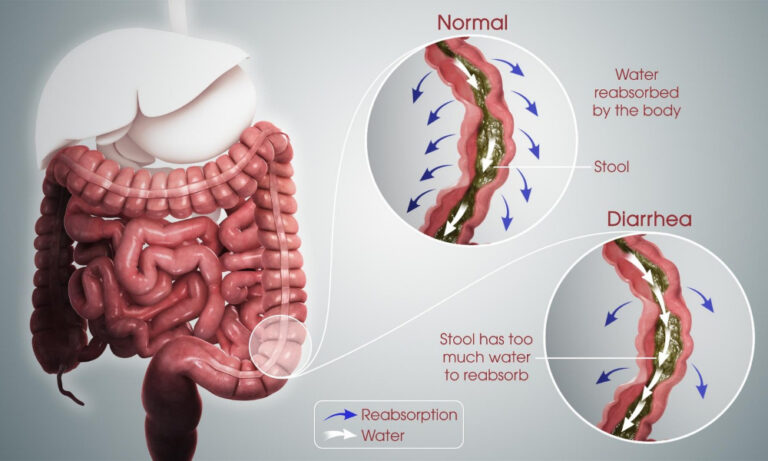
Diarrhea after antibiotics happens because antibiotics kill some of the normal gut bacteria that help digest food and keep harmful bacteria in check. This changes how the colon absorbs water and can allow harmful bacteria such as C. difficile to overgrow. Mild, watery stools that start during treatment and settle within a few days of stopping are usually a simple side effect.
Side effect or C. diff infection?
- Simple side effectA few loose stools a day, no fever, improves after stopping.
- Possible C. diffThree or more watery stools a day for two days or more, cramps, fever.
- UrgentBlood, severe pain, a swollen belly or signs of dehydration.
Is diarrhea after finishing antibiotics normal?
Mild diarrhea that continues for a day or two after finishing antibiotics can be normal as your gut bacteria recover. But diarrhea after finishing antibiotics that starts days or even weeks later, or that gets worse instead of better, should be checked for C. difficile. C. diff can appear during treatment or up to several weeks after the last dose.
| Feature | Usually a side effect | Suggests C. diff or another problem |
|---|---|---|
| Number of stools | One to three loose stools a day | Three or more watery stools a day |
| Duration | Improves within days of stopping | Lasts more than two days or worsens |
| Timing | During the course | Days to weeks after finishing |
| Fever | None | Present |
| Pain | Mild cramping | Significant cramps or tenderness |
| Blood or pus | No | Possible |
Antibiotic diarrhea: when to worry?
Worry about antibiotic diarrhea if you have three or more watery stools a day for two days or more, fever, belly pain or tenderness, blood or pus in the stool, nausea, loss of appetite, or signs of dehydration. Your risk of C. diff is higher if you are 65 or older, were recently in a hospital or nursing home, take acid-reducing medicine, have a weak immune system, or have had C. diff before.
Get medical care right away if you have
- Ten or more watery stools a day
- Blood or pus in the stool
- A high fever or severe abdominal pain
- A swollen, hard belly
- Dizziness, very dark urine or very little urine
Have symptoms like these?
Dr. Muhammad Ali Khan, a board-certified gastroenterologist and hepatologist, sees adults at our Katy and Cypress offices, serving patients across Greater Houston.
How is C. diff diagnosed and treated?
C. diff is diagnosed with a stool test that looks for the bacteria or its toxins. Treatment is a specific antibiotic, usually oral vancomycin or fidaxomicin, for about 10 days. People with repeated infections may need longer courses, a medicine called bezlotoxumab, or fecal microbiota therapy. Severe cases may need hospital care.
Tip: Do not take anti-diarrhea medicine such as loperamide if you might have C. diff unless your doctor says so. It can keep toxins in the colon longer. Wash hands with soap and water, because alcohol gel does not kill C. diff spores.
What helps mild antibiotic diarrhea?
Drink plenty of fluids, including oral rehydration drinks, eat small bland meals, and limit dairy, caffeine, alcohol and greasy foods until stools improve. Keep taking the antibiotic unless your doctor tells you to stop. Probiotics may lower the chance of antibiotic diarrhea for some people, but evidence is mixed, so ask your doctor or pharmacist.
When should you see a gastroenterologist?
See a doctor promptly for possible C. diff, and see a gastroenterologist if diarrhea continues for weeks after antibiotics, keeps returning, or C. diff has come back. Dr. Muhammad Ali Khan treats ongoing and recurrent diarrhea for patients from Katy, Cypress, Fulshear, Richmond and Greater Houston. See our chronic diarrhea care and colon infection guide.
Get answers instead of guessing
Request a visit with Dr. Muhammad Ali Khan at our Katy and Cypress offices. Most major insurance plans are accepted and self-pay options are available.
Key takeaways
- Mild diarrhea after antibiotics is common and usually settles within days.
- Diarrhea after finishing antibiotics that starts later or worsens may be C. diff.
- Three or more watery stools a day for two days, fever or pain are warning signs.
- C. diff is diagnosed with a stool test and treated with specific antibiotics.
- Avoid anti-diarrhea medicine until C. diff is ruled out.
Frequently asked questions
How long does diarrhea after antibiotics last?
Simple antibiotic diarrhea usually improves within a few days of finishing the course.
Which antibiotics most often cause C. diff?
Clindamycin, fluoroquinolones, cephalosporins and broad-spectrum penicillins carry higher risk, but any antibiotic can.
Should I stop my antibiotic if I get diarrhea?
Do not stop on your own. Call your prescriber, who may switch you to another medicine.
Is C. diff contagious?
Yes. Its spores spread on surfaces and hands. Wash with soap and water and clean bathrooms with bleach-based products.
Can C. diff come back?
Yes, in a significant number of people. Tell any doctor prescribing antibiotics that you have had it.
Do I need a referral to see a gastroenterologist in Katy or Cypress?
It depends on your insurance plan. Many PPO plans let you book a specialist directly, while some HMO plans require a referral from your primary care doctor. Call (346) 340-4414 and the team can help you check.
Sources
Where to be seen in Katy and Cypress
United Gastroenterology Associates has two offices: Katy, at 23920 Katy Freeway, Suite 555, next to Memorial Hermann Katy Hospital, and Cypress, at 21216 Northwest Freeway, Suite 640, on US-290. Both are open Monday through Friday, 8:30 AM to 5:00 PM, closed for lunch from 12:00 to 1:30 PM, and serve patients from Fulshear, Richmond and across Greater Houston. Call (346) 340-4414 for either office.
Katy office
23920 Katy Freeway, Suite 555
Katy, TX 77494
Memorial Hermann Medical Plaza 1
Next steps
If you are dealing with diarrhea after antibiotics or any ongoing digestive concern, a focused evaluation can find the cause and start the right treatment. Dr. Muhammad Ali Khan and the team at United Gastroenterology Associates see adults from Katy, Cypress, Fulshear, Richmond, Greater Houston and across Texas. Call (346) 340-4414 or request an appointment today.
If you have severe pain, vomit blood, pass black stools or have chest pain, call 911 or go to the nearest emergency room.