Colon cancer warning signs can include blood in the stool, a persistent change in bowel habits, unexplained weight loss, ongoing abdominal discomfort, fatigue from blood loss and a feeling that the bowel is not completely emptying. These symptoms can have many causes, and having one does not mean you have cancer. Still, persistent or unexplained symptoms deserve medical attention.
Understanding what to watch for can help you recognize when it is time to speak with a doctor and when a colonoscopy or other evaluation may be appropriate.
Important Note
Blood in the stool or a sudden change in bowel habits can be frightening, but these symptoms do not automatically mean cancer. Hemorrhoids, infections, inflammatory bowel disease, polyps and other conditions can cause similar problems. The important point is not to guess at the cause. If something is persistent, unexplained or getting worse, getting evaluated can provide answers and, when necessary, allow treatment to begin earlier.
What Is Colon Cancer?
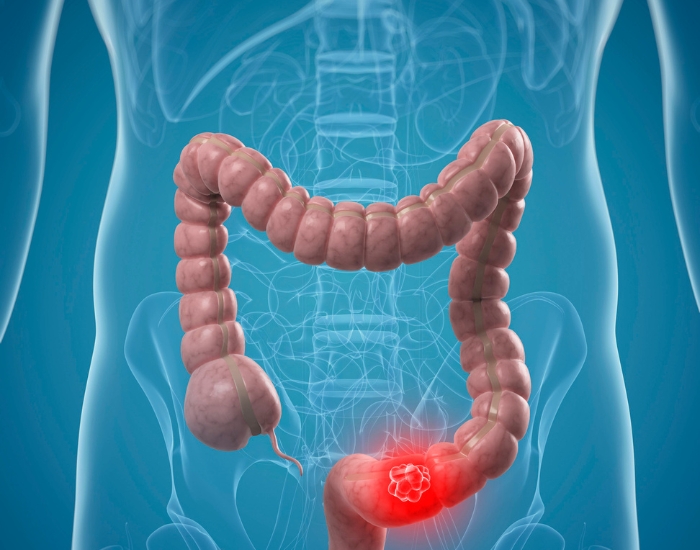
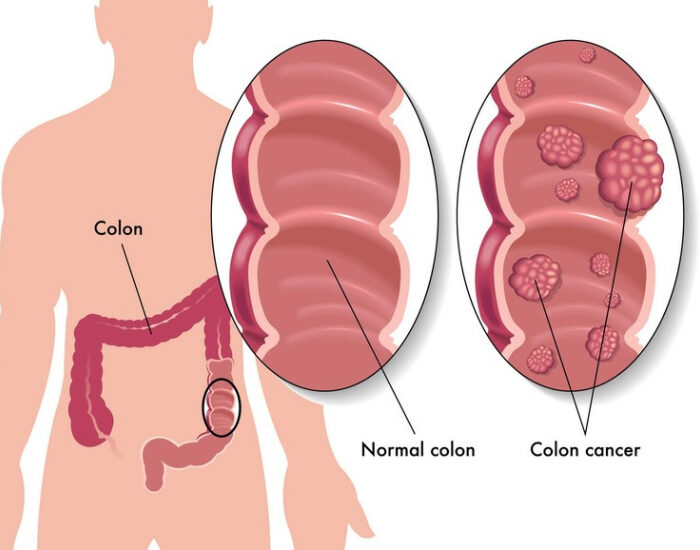
Colon cancer is a cancer that develops in the large intestine, often beginning as an abnormal growth called a polyp.
The colon is part of the digestive system and is responsible for absorbing water and electrolytes from digested material before waste moves into the rectum and eventually leaves the body.
Many colon cancers develop gradually. Some begin as adenomatous or other precancerous polyps that slowly acquire abnormal changes over time. A colonoscopy can identify and remove many polyps before they become cancerous, which is one reason colorectal cancer screening can be so effective.
Not every polyp becomes cancer, and not every colon cancer follows the same pattern. But recognizing symptoms and following recommended screening guidelines are important parts of protecting colorectal health.
What Are the Warning Signs of Colon Cancer?
The most important colon cancer warning signs include rectal bleeding or blood in the stool, persistent changes in bowel habits, unexplained weight loss, abdominal pain or discomfort, and unexplained fatigue.
Some people experience only one symptom. Others notice several changes at once.
The symptoms can also be subtle. Instead of seeing obvious blood, someone may gradually become more tired because of chronic blood loss. Instead of severe abdominal pain, they may notice a persistent change in bowel movements that never quite returns to normal.
That is why paying attention to changes that persist is important.
Is Blood in the Stool a Sign of Colon Cancer?
Yes, blood in the stool can be a warning sign of colon cancer, although many noncancerous conditions can also cause rectal bleeding.
Blood may appear bright red, dark red or sometimes make the stool look black and tarry. The location and source of bleeding can influence how it appears.
Hemorrhoids and anal fissures are common causes of bright red rectal bleeding. However, it is not safe to automatically assume that bleeding is from hemorrhoids, particularly if the bleeding is new, recurrent or accompanied by other symptoms.
Bleeding higher in the digestive tract can sometimes produce black, tarry stools, although several factors can affect stool color.
If you notice unexplained blood in your stool, discuss it with a healthcare professional.
A Persistent Change in Bowel Habits
A persistent change in bowel habits can be one of the warning signs of colorectal cancer.
This can include new constipation, diarrhea or a noticeable change in the frequency, consistency or appearance of bowel movements.
For example, someone who normally has regular bowel movements may suddenly develop constipation that continues for weeks. Another person may begin having frequent loose stools without an obvious infection or dietary explanation.
Occasional changes are common and are often related to food, stress, medications or temporary illness. The concern is more about a persistent or unexplained change.
Can Narrow Stools Mean Colon Cancer?
A change in stool shape can occur for many reasons, and narrow stools alone do not diagnose colon cancer.
People sometimes become concerned when they notice thinner-than-usual bowel movements.
Stool shape can change because of diet, constipation, bowel spasms and other benign factors. However, if a persistent change in stool caliber occurs along with bleeding, abdominal pain, unexplained weight loss or other concerning symptoms, medical evaluation is appropriate.
Rather than focusing on one bowel movement, pay attention to persistent patterns.
Can New Constipation Be a Warning Sign?
New or persistent constipation can sometimes be associated with colon cancer, but constipation is much more commonly caused by noncancerous conditions.
Low fiber intake, inadequate fluid intake, medications, changes in activity and irritable bowel syndrome can all contribute to constipation.
However, constipation that is new and persistent—particularly in an older adult or someone with additional warning signs—should not simply be dismissed.
A physician can review the timing of symptoms, medications, family history and other risk factors to determine whether additional testing is appropriate.
Can Persistent Diarrhea Be a Colon Cancer Symptom?
Persistent diarrhea can have many causes, but unexplained diarrhea that continues should be evaluated.
Infections, food intolerances, medications, irritable bowel syndrome, inflammatory bowel disease and other gastrointestinal disorders can cause chronic diarrhea.
Colon cancer can also alter bowel habits in some people.
If diarrhea persists, particularly when it is accompanied by blood, weight loss, anemia or abdominal pain, a gastroenterologist may recommend further evaluation.
Abdominal Pain and Cramping
Persistent or unexplained abdominal pain, cramping or discomfort can be another possible symptom of colon cancer.
The location and character of abdominal discomfort can vary. Some people describe cramping, pressure, bloating or a dull ache. Others notice discomfort that seems connected to bowel movements.
Most abdominal pain is not caused by cancer. Gas, constipation, food intolerance, IBS, ulcers, gallbladder disease and many other conditions are far more common.
What matters is whether the pain is persistent, unexplained, progressively worsening or associated with other warning signs.

Feeling Like You Cannot Fully Empty Your Bowels
A persistent sensation that you need to have a bowel movement even after using the bathroom can be a symptom that deserves evaluation.
This feeling is sometimes called tenesmus.
It can occur with constipation, hemorrhoids, inflammatory bowel disease, infections and other conditions. In some cases, a growth in the rectum or colon can contribute to the sensation.
If this feeling continues or occurs with bleeding, changes in stool pattern or unexplained weight loss, speak with a healthcare professional.
Unexplained Weight Loss
Unintentional weight loss without a clear explanation can be a warning sign of several medical conditions, including gastrointestinal cancers.
Losing weight because you intentionally changed your diet or exercise routine is different from losing weight without trying.
Unexpected weight loss may result from reduced appetite, chronic illness, digestive problems, metabolic conditions or cancer.
If you are losing weight without trying, particularly if the change is significant or accompanied by bowel symptoms, your doctor may recommend further evaluation.
Unexplained Fatigue and Anemia
Colon cancer can sometimes cause slow blood loss that eventually leads to iron-deficiency anemia and fatigue.
This type of bleeding may not be visible. A person may never see blood in the toilet or on toilet paper, yet small amounts of blood loss over time can reduce iron stores.
As anemia develops, someone may experience fatigue, weakness, reduced exercise tolerance, dizziness or shortness of breath.
Iron-deficiency anemia without an obvious explanation—especially in an adult—can require evaluation for gastrointestinal blood loss.
Get answers instead of guessing
Request a visit with Dr. Muhammad Ali Khan at our Katy and Cypress offices. Most major insurance plans are accepted and self-pay options are available.
Why Is Iron-Deficiency Anemia Important?
Unexplained iron-deficiency anemia can be a reason for gastrointestinal evaluation because the digestive tract is one possible source of chronic blood loss.
Not everyone with iron deficiency has colon cancer. Dietary deficiency, menstrual blood loss, malabsorption and other conditions can cause anemia.
But in some patients, gastrointestinal bleeding may be occurring without obvious blood in the stool.
Depending on your age, sex, medical history and laboratory results, a physician may recommend colonoscopy, upper endoscopy or other testing to identify the source.
Is Bloating a Warning Sign of Colon Cancer?
Bloating by itself is usually not a sign of colon cancer.
Bloating is extremely common and can occur with gas, constipation, food intolerance, IBS and dietary changes.
However, persistent bloating accompanied by other symptoms—such as unexplained weight loss, blood in the stool, persistent bowel changes or significant abdominal pain—should be discussed with a physician.
The combination of symptoms often provides more useful information than one symptom alone.
Loss of Appetite
A persistent loss of appetite can occur with many medical conditions and may sometimes accompany gastrointestinal cancers.
Temporary appetite changes are common during illness, stress or medication changes.
More concerning is a sustained loss of appetite combined with unexplained weight loss, fatigue or ongoing digestive symptoms.
If you are consistently eating less without intending to and your weight is dropping, medical evaluation can help determine why.
Can Nausea Be a Colon Cancer Symptom?
Nausea is not one of the most specific colon cancer symptoms, and there are many more common causes.
Reflux, gastritis, infections, medications, migraine, gallbladder problems and numerous other conditions can cause nausea.
In more advanced gastrointestinal obstruction, nausea or vomiting can occur. Severe or persistent vomiting, particularly when accompanied by abdominal swelling or inability to pass stool or gas, requires prompt medical attention.
Why Symptom Combinations Matter
One symptom does not necessarily indicate colon cancer, but several persistent symptoms occurring together deserve more careful evaluation.
For example, a person with occasional constipation and no other symptoms may have a straightforward dietary or medication-related cause.
But someone who develops new constipation along with rectal bleeding, unexplained weight loss and fatigue may require a more thorough gastrointestinal evaluation.
Doctors look at the complete picture rather than diagnosing cancer from an isolated symptom.
Important Note
Many symptoms associated with colon cancer are also caused by common, treatable conditions. That is important to remember if you are worried. At the same time, reassurance should come from appropriate evaluation—not from assuming the symptom is harmless. If your bowel habits have changed and the change is not going away, a conversation with a gastroenterologist can help determine what is actually happening.
When Should You See a Gastroenterologist?
You should consider seeing a gastroenterologist when gastrointestinal symptoms are persistent, unexplained, recurrent or accompanied by warning signs such as bleeding, anemia or unintentional weight loss.
It is especially important to seek medical advice if you experience:
- Blood in or on the stool
- Black or tarry stools without an obvious explanation
- A persistent change in bowel habits
- New constipation or diarrhea that does not resolve
- Unexplained weight loss
- Iron-deficiency anemia
- Persistent abdominal pain or cramping
- A persistent feeling of incomplete bowel emptying
- Unexplained fatigue associated with other digestive symptoms
- A strong family history of colorectal cancer or polyps
A gastroenterologist can determine whether your symptoms require laboratory testing, stool testing, imaging, colonoscopy or another type of evaluation.
Can Colon Cancer Be Present Without Symptoms?
Yes. Colon cancer and precancerous polyps can develop without causing noticeable symptoms.
This is one of the most important reasons not to wait for warning signs before considering colorectal cancer screening.
Screening is designed to identify cancer early or detect precancerous polyps before they have a chance to become cancer.
People who feel perfectly healthy can still benefit from age-appropriate colorectal cancer screening.
How Does a Colonoscopy Help Detect Colon Cancer?
A colonoscopy allows a gastroenterologist to directly examine the lining of the rectum and entire colon and remove many polyps during the same procedure.
During colonoscopy, a flexible camera is carefully guided through the large intestine.
If a polyp is found, it can often be removed and sent to a laboratory for examination.
If an abnormal area appears suspicious, the physician can obtain a biopsy for microscopic evaluation.
This ability to both detect and remove precancerous lesions is one of the major advantages of colonoscopy.
When Should Colorectal Cancer Screening Begin?
For adults at average risk, colorectal cancer screening generally begins at age 45, although individual recommendations can differ.
People with a family history of colorectal cancer, certain hereditary syndromes, inflammatory bowel disease or other risk factors may need screening earlier or more frequently.
Screening recommendations can also vary based on the type of test used and previous findings.
If you are unsure when you should begin screening, discuss your personal risk factors with your healthcare provider.
Who Is at Higher Risk for Colon Cancer?
Age, family history, certain inherited conditions, inflammatory bowel disease and several lifestyle-related factors can increase colorectal cancer risk.
Risk may be higher if a close relative has had colorectal cancer or advanced polyps, particularly if they were diagnosed at a younger age.
People with Lynch syndrome, familial adenomatous polyposis and certain other inherited conditions may require specialized screening.
Long-standing ulcerative colitis or Crohn's disease involving the colon can also increase colorectal cancer risk.
Other factors, including smoking, heavy alcohol consumption, physical inactivity and certain dietary patterns, can influence overall risk.
What If Colon Cancer Runs in Your Family?
A family history of colorectal cancer can change when screening should begin and how frequently you may need testing.
Tell your doctor if a parent, sibling or child has had colon cancer or advanced colorectal polyps.
The age at which your relative was diagnosed can be important, as can the number of affected relatives.
In some families, genetic counseling or testing may be appropriate.
How Is Colon Cancer Diagnosed?
Colonoscopy with tissue sampling is commonly used to diagnose colon cancer.
If a suspicious lesion is found, the physician can take a biopsy during colonoscopy. A pathologist then examines the tissue under a microscope to determine whether cancer is present.
Additional imaging and laboratory testing may be performed after a diagnosis to determine the extent of disease and guide treatment.
A blood test alone cannot reliably rule out colon cancer.

Can Stool Tests Detect Colon Cancer?
Some stool-based screening tests can detect signs associated with colorectal cancer and can be appropriate screening options for certain average-risk adults.
Examples include fecal immunochemical testing (FIT) and stool DNA-based testing.
These tests can be convenient, but they have different strengths and limitations compared with colonoscopy.
A positive stool-based screening test generally requires follow-up colonoscopy.
When Should Colon Symptoms Be Treated as Urgent?
Heavy rectal bleeding, black tarry stools, severe abdominal pain, fainting, severe weakness or symptoms of bowel obstruction require prompt medical attention.
Do not wait for a routine appointment if you are experiencing significant bleeding or symptoms that suggest a potentially serious complication.
Emergency symptoms can include vomiting associated with severe abdominal swelling, inability to pass stool or gas, fainting or severe dizziness.
Can Colon Cancer Be Prevented?
Regular screening can prevent some colorectal cancers by identifying and removing precancerous polyps.
Lifestyle habits may also support colorectal and overall health.
Maintaining a healthy body weight, staying physically active, avoiding tobacco, limiting excessive alcohol use and eating a balanced diet rich in fiber-containing foods can contribute to lower overall colorectal cancer risk.
However, healthy habits do not eliminate risk. Appropriate screening remains important.
Colorectal Care in Cypress and Katy
If you are experiencing blood in your stool, unexplained bowel changes, persistent abdominal symptoms or another colorectal warning sign, a gastroenterology evaluation can help determine the appropriate next step.
Patients in Cypress, Katy and surrounding Houston-area communities can receive evaluation for gastrointestinal symptoms, colorectal screening and conditions affecting the digestive tract.
United Gastro TX provides gastroenterology services for patients with digestive health concerns, including colorectal conditions and screening.
The right evaluation depends on your age, symptoms, family history, previous screening and overall risk.
Don't Ignore Persistent Colorectal Symptoms
Blood in the stool, unexplained bowel changes, persistent abdominal discomfort or unexplained weight loss deserves attention. A gastroenterologist can help determine whether you need further testing or colorectal cancer screening.
Frequently Asked Questions About Colon Cancer Warning Signs
What is the most common warning sign of colon cancer?
There is no single symptom that occurs in every person. Blood in the stool, persistent changes in bowel habits, abdominal discomfort, unexplained weight loss and iron-deficiency anemia are among the important warning signs.
Is blood in the stool always colon cancer?
No. Hemorrhoids, anal fissures, inflammatory bowel disease, infections and other conditions can cause rectal bleeding. However, unexplained or persistent bleeding should be evaluated rather than automatically attributed to hemorrhoids.
Can colon cancer cause constipation?
Colon cancer can sometimes cause a persistent change in bowel habits, including constipation. However, constipation has many more common causes. New or persistent constipation should be discussed with a healthcare professional when it does not resolve or occurs with other warning signs.
Can colon cancer cause diarrhea?
Yes, colon cancer can sometimes cause persistent diarrhea or a change between diarrhea and constipation. Chronic diarrhea also has many other causes, so medical evaluation is needed to determine the reason.
Can colon cancer cause abdominal pain?
Yes. Some people with colon cancer experience abdominal pain, cramping or discomfort. Most abdominal pain is caused by conditions other than cancer, but persistent or unexplained pain should be evaluated.
Can colon cancer cause fatigue?
Yes. Slow gastrointestinal blood loss can lead to iron-deficiency anemia, which may cause fatigue, weakness and reduced exercise tolerance.
Can you have colon cancer without symptoms?
Yes. Early colorectal cancer and precancerous polyps may cause no symptoms at all. This is why screening is important even when you feel healthy.
When should I see a gastroenterologist for blood in my stool?
You should discuss unexplained or recurrent blood in the stool with a healthcare professional, particularly if you are also experiencing bowel changes, abdominal pain, weight loss or fatigue.
What age should you start colon cancer screening?
For adults at average risk, colorectal cancer screening generally begins at age 45. People with higher-risk factors may need screening earlier or more frequently.
Does a colonoscopy prevent colon cancer?
Colonoscopy can help prevent some colorectal cancers by identifying and removing precancerous polyps before they develop into cancer. It can also detect cancer at an earlier, more treatable stage.
What are the early warning signs of colon cancer?
Early colon cancer may cause no symptoms. When symptoms occur, they can include blood in the stool, persistent bowel habit changes, abdominal discomfort, unexplained weight loss and iron-deficiency anemia.
The Bottom Line
Colon cancer warning signs should not be ignored, but they should not automatically be interpreted as a cancer diagnosis either.
Blood in the stool, persistent constipation or diarrhea, abdominal pain, unexplained weight loss and iron-deficiency anemia can have many causes. The key is recognizing when symptoms persist or occur together and getting appropriate medical evaluation.
Just as importantly, do not wait for symptoms before considering colorectal cancer screening. Colon cancer can develop silently, and screening can detect precancerous polyps before they become cancerous.
If you have a new or persistent colorectal symptom, a gastroenterologist can help determine what is causing it and whether colonoscopy or another diagnostic test is appropriate.
Medical Disclaimer: This article is for general educational purposes only and does not replace professional medical advice, diagnosis or treatment. If you have significant rectal bleeding, black stools, severe abdominal pain, fainting, severe weakness or other emergency symptoms, seek prompt medical attention.
Where to be seen in Katy and Cypress
United Gastroenterology Associates has two offices: Katy, at 23920 Katy Freeway, Suite 555, next to Memorial Hermann Katy Hospital, and Cypress, at 21216 Northwest Freeway, Suite 640, on US-290. Both are open Monday through Friday, 8:30 AM to 5:00 PM, closed for lunch from 12:00 to 1:30 PM, and serve patients from Fulshear, Richmond and across Greater Houston. Call (346) 340-4414 for either office.
Katy office
23920 Katy Freeway, Suite 555
Katy, TX 77494
Memorial Hermann Medical Plaza 1
Next steps
If you are dealing with colon cancer warning signs or any ongoing digestive concern, a focused evaluation can find the cause and start the right treatment. Dr. Muhammad Ali Khan and the team at United Gastroenterology Associates see adults from Katy, Cypress, Fulshear, Richmond, Greater Houston and across Texas. Call (346) 340-4414 or request an appointment today.
If you have severe pain, vomit blood, pass black stools or have chest pain, call 911 or go to the nearest emergency room.