Not necessarily. Elevated liver enzymes can happen for many reasons, and some are temporary or relatively mild. Exercise, medications, alcohol, fatty liver disease, viral infections and other conditions can all affect liver blood tests. At the same time, persistent or significantly abnormal results should not simply be ignored.
Elevated liver enzymes are a finding, not a diagnosis. The important step is determining why the levels are abnormal and whether there is evidence of liver inflammation, injury, bile duct problems, fibrosis or another underlying condition.
That is where a gastroenterologist or liver specialist can help. Depending on your results and medical history, further blood testing, imaging or noninvasive liver assessment may be appropriate.
Important Note
An abnormal liver test does not automatically mean you have serious liver disease. Many causes are treatable, and some elevations are temporary. However, persistent abnormalities deserve an explanation. Understanding the pattern of your liver tests and looking at the bigger picture can help identify problems early and determine whether additional evaluation is needed.
What Are Liver Enzymes?
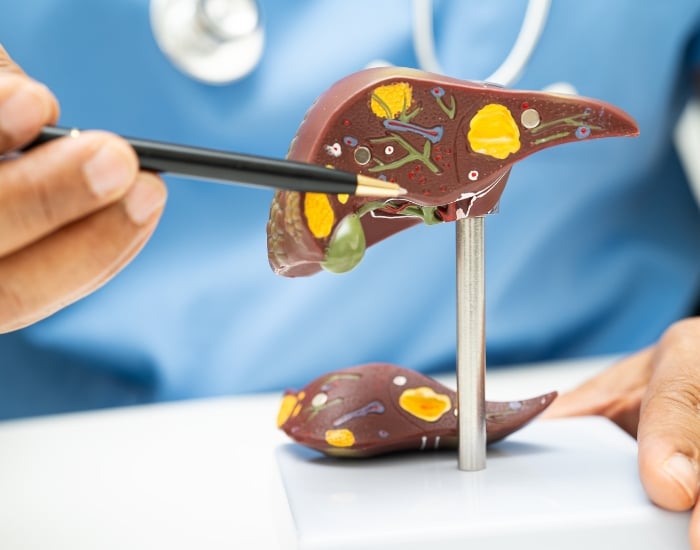
Liver enzymes are substances found in liver cells and other tissues that help doctors identify possible liver or bile duct injury.
The liver performs hundreds of important functions, including processing nutrients, producing proteins, helping regulate metabolism and handling substances that enter the bloodstream. When liver cells are irritated or injured, certain enzymes can leak into the blood and become elevated.
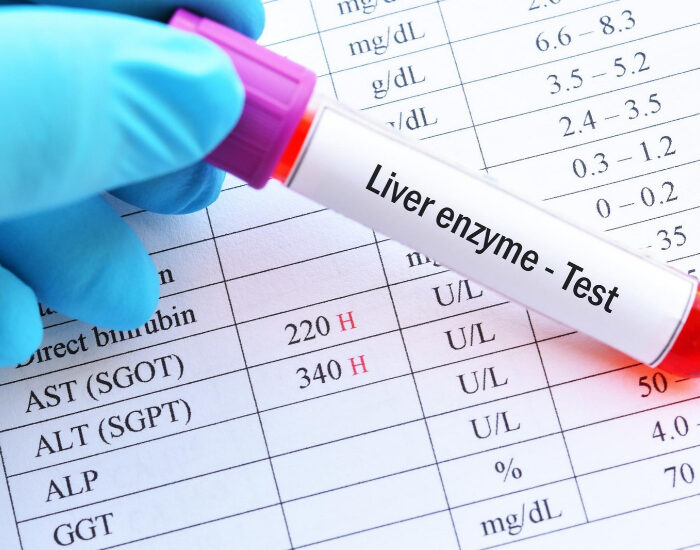
The most commonly discussed liver enzymes include alanine aminotransferase (ALT) and aspartate aminotransferase (AST). Doctors may also evaluate alkaline phosphatase (ALP), gamma-glutamyl transferase (GGT), bilirubin, albumin and platelet levels depending on the situation.
These tests provide different pieces of information. Looking at one number in isolation is rarely enough to determine what is happening.
What Do Elevated Liver Enzymes Mean?
Elevated liver enzymes generally indicate that liver cells or the bile ducts may be irritated, injured or affected by another process.
The degree of elevation matters, but so does the pattern.
For example, a mild ALT elevation may have a very different significance from a substantial elevation of AST and ALT accompanied by jaundice. Similarly, an elevated alkaline phosphatase may point doctors toward a different group of conditions than an isolated ALT elevation.
Your doctor may therefore look at:
- Which liver tests are elevated
- How high the levels are
- Whether the results have changed over time
- Whether you have symptoms
- Your medications and supplements
- Alcohol consumption
- Your metabolic health
- Previous liver test results
- Family history
- Imaging findings
This broader evaluation is what helps turn an abnormal laboratory result into a meaningful medical assessment.
What Are ALT and AST?
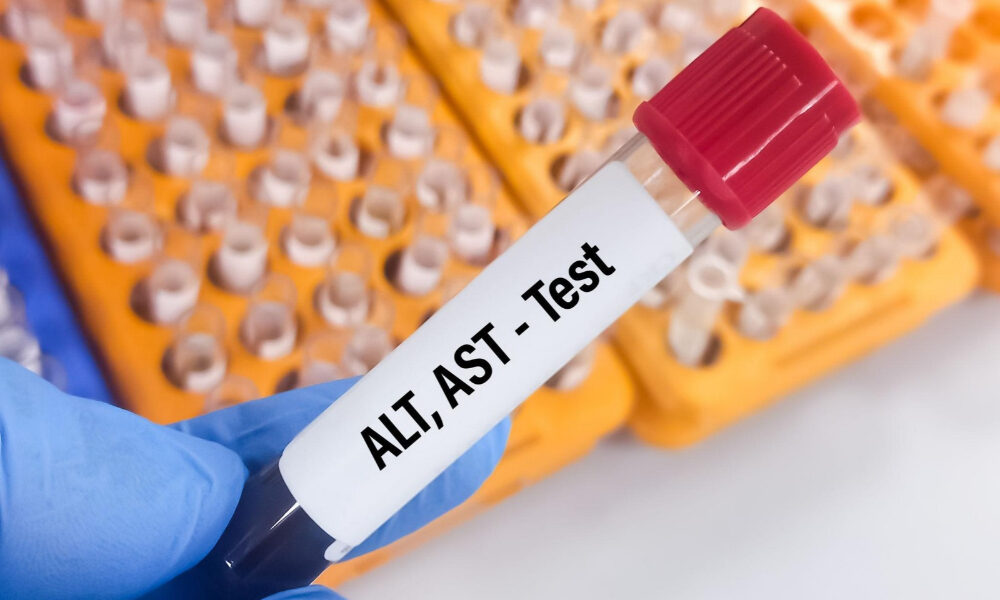
AST and ALT are enzymes commonly measured when evaluating possible liver injury.
ALT is found predominantly in the liver, while AST is also found in muscles and other tissues. Because of this difference, an elevated AST does not always mean the liver is the source.
ALT is often more closely associated with liver-cell injury, but neither test should be interpreted independently.
The ratio and pattern of AST and ALT can sometimes provide useful clues, but they do not establish a diagnosis by themselves.
What Does an Elevated Alkaline Phosphatase Mean?
Alkaline phosphatase, or ALP, can increase when there is a problem involving the bile ducts, but it can also come from other tissues such as bone.
When ALP is elevated, doctors may use additional tests such as GGT or other studies to help determine whether the source is likely the liver or another organ.
Liver and gallbladder conditions that affect bile flow can sometimes produce a pattern in which alkaline phosphatase is more prominently elevated than ALT or AST.
This is one reason the pattern of abnormal results matters so much.
What Is Bilirubin?
Bilirubin is a substance produced during the normal breakdown of red blood cells and processed by the liver.
When bilirubin becomes significantly elevated, a person may develop jaundice, which causes the skin or whites of the eyes to appear yellow.
Elevated bilirubin can have several causes. Some relate to liver disease or bile duct obstruction, while others involve blood-cell breakdown or inherited conditions.
When bilirubin is elevated along with other abnormal liver tests, your healthcare provider may recommend additional evaluation.
What Causes Elevated Liver Enzymes?
There are many possible causes of elevated liver enzymes, ranging from common metabolic conditions to medication effects, infections and other liver disorders.
One of the most common causes is metabolic dysfunction-associated steatotic liver disease, or MASLD, formerly known as nonalcoholic fatty liver disease.
Other possibilities include alcohol-associated liver disease, viral hepatitis, medication-related liver injury, autoimmune liver disease, bile duct disorders and certain inherited conditions.
Muscle injury and strenuous physical activity can also affect some liver-related blood tests, particularly AST.
Because the possibilities are broad, persistent elevations should be evaluated in context rather than assumed to have one specific cause.
Can Fatty Liver Cause Elevated Liver Enzymes?
Yes. Fatty liver is a common cause of elevated ALT and AST, although liver enzymes can also be normal in people who have fatty liver.
Metabolic fatty liver disease is associated with conditions such as obesity, insulin resistance, type 2 diabetes, high triglycerides and other metabolic risk factors.
Some people discover they have fatty liver because routine blood work shows abnormal liver enzymes. Others are diagnosed after an ultrasound or other imaging test performed for another reason.
If fatty liver is suspected, the next question is not simply whether fat is present. Doctors may also want to determine whether there is evidence of liver fibrosis, or scarring.
Can Alcohol Raise Liver Enzymes?
Yes. Alcohol consumption can increase liver enzymes and, in some people, contribute to liver inflammation and progressive liver disease.
The effects of alcohol vary significantly from person to person. Genetics, nutrition, metabolic health, medications and the amount and pattern of alcohol consumption can all influence risk.
If your liver tests are abnormal, your healthcare provider may ask about alcohol use as part of a routine medical history.
Providing accurate information helps your doctor identify the most likely causes and recommend appropriate next steps.
Can Medications Cause Elevated Liver Enzymes?
Yes. Certain prescription medications, over-the-counter drugs and supplements can affect liver enzymes.
Medication-related liver injury can range from mild laboratory abnormalities to more significant liver problems.
This is why it is important to tell your healthcare provider about everything you take, including herbal supplements and products marketed for weight loss, bodybuilding or “detoxification.”
Do not stop a prescribed medication without discussing it with the clinician who prescribed it. In many cases, the medication may not be the cause, and stopping an important treatment unnecessarily can create other risks.
Can Hepatitis Cause Elevated Liver Enzymes?
Yes. Viral hepatitis and several forms of nonviral hepatitis can cause elevated liver enzymes.
Hepatitis means inflammation of the liver. Viral causes include hepatitis A, B and C, among others.
Some people with viral hepatitis have obvious symptoms such as fatigue, nausea, abdominal discomfort or jaundice. Others may have few or no symptoms for years.
Blood testing can help determine whether viral hepatitis is contributing to abnormal liver tests.
Get answers instead of guessing
Request a visit with Dr. Muhammad Ali Khan at our Katy and Cypress offices. Most major insurance plans are accepted and self-pay options are available.
Can Autoimmune Liver Disease Cause Elevated Enzymes?
Autoimmune conditions can cause liver inflammation and abnormal liver tests.
Examples include autoimmune hepatitis, primary biliary cholangitis and primary sclerosing cholangitis.
These conditions are less common than metabolic fatty liver disease, but they are important to recognize because they may require specific treatment and long-term monitoring.
Do Elevated Liver Enzymes Cause Symptoms?
Elevated liver enzymes themselves usually do not cause symptoms.
Instead, symptoms may result from the condition causing the abnormal liver tests.
Some people with abnormal liver enzymes feel completely healthy. Others may experience fatigue, nausea, poor appetite, abdominal discomfort or itching depending on the underlying condition.
More concerning symptoms can include jaundice, dark urine, pale stools, persistent vomiting, abdominal swelling, confusion or gastrointestinal bleeding.
The absence of symptoms does not necessarily mean the abnormal results can be ignored.
How High Do Liver Enzymes Have to Be Before You Should Worry?
There is no single liver enzyme number that determines whether a person should worry.
The significance depends on the specific test, the degree of elevation, your symptoms, medical history and whether the abnormality persists.
A mildly elevated ALT found once may require a very different approach from liver enzymes that remain abnormal for months or levels that are several times above the upper limit of normal.
Your doctor may repeat the blood tests, review possible causes and decide whether further testing is appropriate.
It is the overall pattern rather than one isolated number that provides the most useful information.
What Does Persistent Elevation Mean?
Persistent elevation means liver tests remain abnormal on repeat testing or continue to be abnormal over time.
When liver enzymes stay elevated, doctors generally have more reason to investigate the underlying cause rather than simply assuming the abnormality will resolve.
The evaluation may include additional blood tests, an ultrasound, review of medications and supplements, assessment for metabolic fatty liver disease, or noninvasive fibrosis testing.
The appropriate evaluation depends on the individual results.
How Are Elevated Liver Enzymes Evaluated?
The evaluation typically begins with a detailed medical history, repeat or additional blood tests and a review of possible causes.
Your physician may ask about alcohol consumption, medications, supplements, weight changes, diabetes, cholesterol, family history and previous liver problems.
Blood testing may include liver enzymes and markers of liver function. Additional testing can evaluate viral hepatitis, autoimmune conditions or other possible causes.
Imaging may also be recommended, particularly if fatty liver, gallbladder disease, bile duct problems or another structural condition is suspected.

Can an Ultrasound Find the Cause?
An abdominal ultrasound can provide valuable information about the liver, gallbladder and bile ducts, but it cannot identify every cause of elevated liver enzymes.
Ultrasound can detect findings such as fatty liver, gallstones and certain structural abnormalities.
If the ultrasound is normal but liver enzymes remain abnormal, additional testing may still be appropriate.
Your doctor may select other imaging or laboratory tests depending on the pattern of your liver abnormalities.
When Is FibroScan Used?
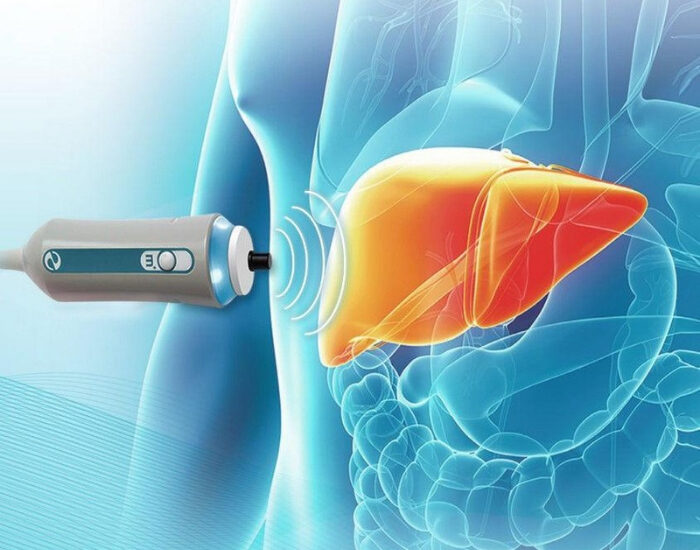
FibroScan can help assess liver stiffness and liver fat in appropriate patients, particularly when fatty liver or liver fibrosis is a concern.
It is a noninvasive assessment that can provide information beyond standard blood tests.
This can be particularly helpful when a patient has metabolic risk factors or imaging findings suggestive of fatty liver and the physician wants to understand the likelihood of significant fibrosis.
FibroScan does not replace every other liver test, but it can be a useful part of a broader evaluation.
For patients in the Cypress and Katy area, FibroScan testing may be considered when clinically appropriate.
Why Is Liver Fibrosis Important?
Liver fibrosis is the development of scar tissue in response to ongoing liver injury or inflammation.
Early fibrosis may not cause symptoms, which makes assessment important when someone has ongoing liver abnormalities.
As fibrosis becomes more advanced, the risk of complications increases. Severe fibrosis can eventually progress to cirrhosis.
Not every person with elevated liver enzymes has fibrosis. In fact, many do not. The purpose of fibrosis assessment is to identify patients who may be at greater risk and determine how closely they should be monitored.
Important Note
Seeing an abnormal liver test can trigger a lot of anxiety, especially when you start searching for worst-case scenarios. Try not to diagnose yourself from one laboratory result. Elevated liver enzymes can have many explanations, and the level of elevation does not tell the entire story. A thoughtful evaluation can separate temporary abnormalities from conditions that need ongoing treatment or monitoring.
When Should You See a Liver Specialist?
You should consider seeing a gastroenterologist or liver specialist when liver enzymes remain elevated, the cause is unclear, abnormalities are significant, or other findings suggest possible liver disease.
A specialist evaluation may be especially appropriate when:
- Liver enzymes remain elevated on repeat testing.
- You have fatty liver or abnormal liver imaging.
- You have multiple metabolic risk factors.
- You have a history of hepatitis.
- You have significant alcohol exposure.
- You take medications that may affect the liver.
- You have a family history of liver disease.
- You have abnormal bilirubin or other liver-related blood tests.
- There is concern about liver fibrosis or cirrhosis.
- Your primary care physician cannot determine the cause of the abnormal results.
A gastroenterologist can help determine whether you need additional testing or simply periodic monitoring.
When Are Elevated Liver Enzymes an Emergency?
Elevated liver enzymes accompanied by certain symptoms can require urgent medical attention.
Seek prompt medical evaluation if abnormal liver tests occur with yellowing of the skin or eyes, severe or worsening abdominal pain, confusion, vomiting blood, black or tarry stools, significant abdominal swelling, persistent vomiting or severe weakness.
These symptoms can indicate a more serious problem and should not be evaluated solely through an online article.
How Are Elevated Liver Enzymes Treated?
Treatment depends entirely on the underlying cause of the abnormal liver tests.
If fatty liver is contributing to the elevation, treatment may focus on improving metabolic health through nutrition, physical activity, appropriate weight management and control of diabetes, blood pressure and cholesterol.
If viral hepatitis is responsible, specific antiviral treatment may be appropriate.
If a medication is contributing to liver injury, your healthcare provider may adjust or change the treatment when appropriate.
Autoimmune liver conditions require different approaches, while bile duct disorders may require specialized imaging or procedures.
There is no universal “liver detox” that can treat every cause of elevated liver enzymes.
Can Lifestyle Changes Lower Liver Enzymes?
Yes. Lifestyle changes can improve liver health when metabolic factors contribute to abnormal liver tests.
For people with metabolic fatty liver disease, gradual weight management, regular exercise and a balanced eating pattern can reduce liver fat and improve metabolic health.
Reducing excessive alcohol consumption may also be important depending on the cause of the liver abnormality.
It is worth remembering that lifestyle changes should complement—not replace—medical evaluation when liver enzymes are persistently abnormal.
How Can You Protect Your Liver?
Protecting your liver involves managing the factors that can cause ongoing liver injury.
Maintain a healthy lifestyle, stay physically active, manage diabetes and cholesterol, use medications only as directed and discuss supplements with your healthcare provider.
Vaccination against certain forms of viral hepatitis may be appropriate for some people.
It is also important to avoid assuming that “natural” supplements are automatically safe. Some supplements can cause liver injury.
Liver Evaluation in Cypress and Katy
If you have been told that your liver enzymes are elevated, a gastroenterology evaluation can help determine what the results may mean and whether additional testing is needed.
Patients in Cypress, Katy and surrounding Houston-area communities can receive evaluation for abnormal liver tests, fatty liver disease and other gastrointestinal and liver conditions.
Depending on your history and laboratory results, your physician may recommend repeat blood work, additional testing, abdominal imaging or noninvasive liver assessment such as FibroScan.
United Gastro TX provides gastroenterology care for patients with digestive and liver-related concerns.
Have Abnormal Liver Tests?
If your liver enzymes remain elevated or you are unsure what your results mean, a specialist evaluation can help identify possible causes and determine whether additional testing is appropriate.
Frequently Asked Questions About Elevated Liver Enzymes
What does it mean if my liver enzymes are elevated?
Elevated liver enzymes can indicate liver-cell irritation or injury, bile duct problems or, in some cases, an issue outside the liver. The specific cause depends on which tests are elevated and the overall clinical picture.
Should I be worried about slightly elevated liver enzymes?
A mild elevation does not automatically mean serious liver disease. However, persistent or unexplained abnormalities should be discussed with a healthcare professional to determine whether repeat testing or additional evaluation is needed.
What is the most common cause of elevated liver enzymes?
Metabolic fatty liver disease is a common cause, particularly among people with obesity, insulin resistance, type 2 diabetes or abnormal cholesterol and triglycerides. Alcohol, medications, viral hepatitis and other conditions can also cause elevations.
Can fatty liver cause elevated ALT?
Yes. Fatty liver can cause elevated ALT, although some people with fatty liver have normal ALT levels. Liver enzymes should therefore be interpreted alongside risk factors and imaging or other testing when appropriate.
Can stress cause elevated liver enzymes?
Everyday psychological stress is not generally considered a direct cause of elevated liver enzymes. However, stress can influence behaviors such as alcohol use, diet, sleep and medication use, which may indirectly affect health.
Can exercise raise liver enzymes?
Yes. Intense or strenuous exercise, particularly activities that cause muscle injury, can temporarily raise AST and sometimes other laboratory markers. Your healthcare provider may consider recent exercise when interpreting abnormal results.
Can medications raise liver enzymes?
Yes. Some prescription medications, over-the-counter drugs and supplements can affect liver enzymes. Never stop a prescribed medication without speaking with your healthcare provider.
When should I see a liver specialist for elevated liver enzymes?
Consider specialist evaluation when abnormalities persist, the cause is unclear, the elevations are significant, you have fatty liver or other liver-related findings, or there are risk factors for progressive liver disease.
Can elevated liver enzymes return to normal?
Yes. If the underlying cause is temporary or treatable, liver enzymes may return to normal. The appropriate treatment depends on why the enzymes are elevated.
Does an elevated ALT mean I have liver disease?
Not necessarily. ALT is a useful marker of possible liver-cell injury, but it can be affected by several factors. A diagnosis requires interpretation of ALT alongside other tests, medical history and, when appropriate, imaging.
What tests are done for elevated liver enzymes?
Depending on the situation, doctors may repeat liver tests, check for viral hepatitis and autoimmune conditions, review medications, evaluate metabolic risk factors and perform imaging such as ultrasound. FibroScan or other fibrosis assessments may be recommended in selected patients.
Can normal liver enzymes rule out liver disease?
No. Some people with fatty liver or other chronic liver conditions can have normal liver enzyme levels. This is why risk factors, symptoms and imaging findings may also be important.
The Bottom Line
Elevated liver enzymes are a signal that deserves context—not a diagnosis to fear.
Sometimes the cause is temporary. In other cases, elevated ALT, AST or other liver tests can reveal fatty liver disease, alcohol-related liver injury, viral hepatitis, medication effects, autoimmune disease or another condition that requires treatment or monitoring.
The most important question is not simply, “How high are my liver enzymes?” It is, “Why are they elevated, and is there evidence of ongoing liver injury or fibrosis?”
If your liver tests remain abnormal, particularly if you have metabolic risk factors, abnormal imaging or concerning symptoms, speaking with a gastroenterologist or liver specialist can provide a clearer picture of your liver health and the appropriate next steps.
Medical Disclaimer: This article is intended for general educational purposes and does not replace personalized medical advice, diagnosis or treatment. Liver test results should be interpreted by a qualified healthcare professional in the context of your medical history and other findings. If you develop jaundice, severe abdominal pain, vomiting blood, black stools, confusion or another serious symptom, seek prompt medical attention.
Where to be seen in Katy and Cypress
United Gastroenterology Associates has two offices: Katy, at 23920 Katy Freeway, Suite 555, next to Memorial Hermann Katy Hospital, and Cypress, at 21216 Northwest Freeway, Suite 640, on US-290. Both are open Monday through Friday, 8:30 AM to 5:00 PM, closed for lunch from 12:00 to 1:30 PM, and serve patients from Fulshear, Richmond and across Greater Houston. Call (346) 340-4414 for either office.
Katy office
23920 Katy Freeway, Suite 555
Katy, TX 77494
Memorial Hermann Medical Plaza 1
Next steps
If you are dealing with elevated liver enzymes or any ongoing digestive concern, a focused evaluation can find the cause and start the right treatment. Dr. Muhammad Ali Khan and the team at United Gastroenterology Associates see adults from Katy, Cypress, Fulshear, Richmond, Greater Houston and across Texas. Call (346) 340-4414 or request an appointment today.
If you have severe pain, vomit blood, pass black stools or have chest pain, call 911 or go to the nearest emergency room.