
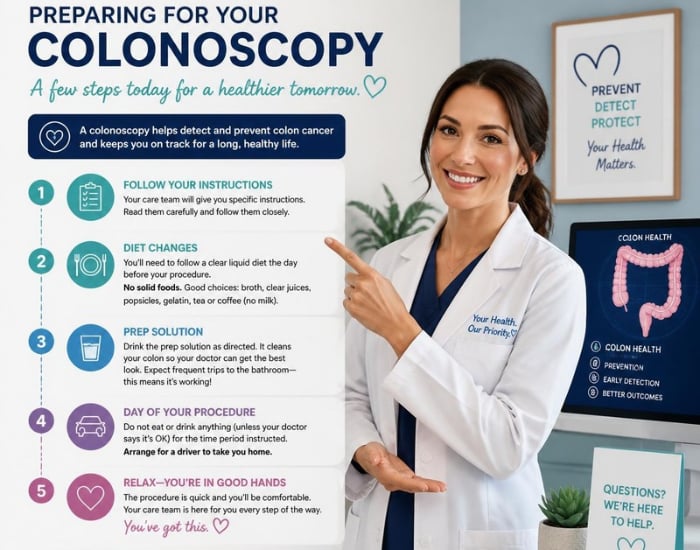
When patients hear the words “colonoscopy preparation,” the bowel prep is often the first thing that comes to mind. It is also one of the biggest reasons people feel nervous about the procedure. You may be wondering what you can eat, when you should stop eating, how much of the preparation you will need to drink, whether you can take your medications and what will happen the morning of your colonoscopy.
The good news is that knowing what to expect can make the process much easier. Colonoscopy preparation is designed to clear stool from the colon so your gastroenterologist can see the intestinal lining clearly. Following your instructions carefully is important because an inadequately cleaned colon can make it harder to identify polyps and other abnormalities and may require the examination to be repeated.
Important Note
Every colonoscopy preparation is not identical. Your gastroenterologist may prescribe a specific bowel-cleansing solution, medication schedule and dietary instructions based on your health, medications and procedure time. Use this guide to understand the process, but always follow the preparation instructions provided by your medical team if they differ from general information here.
What Is Colonoscopy Preparation?
Colonoscopy preparation is the process of cleaning stool and digestive material out of the colon before the procedure. A clean colon allows the gastroenterologist to examine the lining more clearly and look for polyps, inflammation, bleeding sources, abnormal tissue and other findings.
Preparation usually involves dietary changes, drinking clear liquids and taking a prescribed bowel-cleansing medication. You will also receive instructions about when to stop eating and drinking and how to handle your regular medications.
Although bowel preparation can be inconvenient, it is an essential part of a successful colonoscopy. Even a small amount of residual stool can obscure part of the colon lining.
Why Is It So Important to Have a Clean Colon?
The purpose of a colonoscopy is not simply to look at the largest portions of the colon. Your gastroenterologist needs to examine the intestinal lining carefully from the rectum through the colon.
If stool remains in the colon, it can cover small polyps or other abnormalities. A poor bowel preparation can also make the examination more difficult and, depending on the circumstances, may mean that another colonoscopy is recommended sooner than expected.
Good preparation gives your gastroenterologist the best opportunity to perform a thorough examination.
How Many Days Before a Colonoscopy Should You Start Preparing?
Most patients make dietary and medication preparations before the actual bowel-cleansing day, but the exact schedule varies.
Some people are given instructions several days before the procedure, particularly if they have a history of constipation, previous inadequate bowel preparation or certain medical conditions.
In many cases, the more intensive bowel cleansing occurs the day before the colonoscopy. Some preparation plans use a split-dose approach, meaning the bowel-cleansing solution is divided into two portions taken at different times.
Do not assume that every preparation should be completed entirely the night before. Your instructions should tell you exactly when to begin and when to finish the prescribed preparation.
What Should You Eat Before a Colonoscopy?
Dietary instructions vary by medical practice and preparation plan, but patients are commonly advised to transition toward foods that leave less residue in the digestive tract before the procedure.
Your healthcare team may recommend a low-fiber or low-residue diet before beginning the clear-liquid portion of the preparation. Foods with seeds, nuts, tough vegetable skins and substantial amounts of fiber may be restricted because they can leave material in the colon.
The day before your colonoscopy, many patients will be instructed to consume only clear liquids once the clear-liquid phase begins.
Examples of foods that may be recommended before the clear-liquid phase
Depending on your instructions, appropriate foods may include eggs, lean proteins, refined grains and other low-residue foods. However, your physician’s specific instructions take priority.
The goal is to reduce the amount of undigested material remaining in the digestive tract before bowel cleansing begins.
What Can You Drink During Colonoscopy Prep?
During the clear-liquid portion of preparation, you should generally choose liquids that you can see through and that are allowed by your medical team.
Examples may include water, clear broth, certain clear juices without pulp, tea or coffee without milk or cream and approved electrolyte beverages.
Staying hydrated is particularly important because the bowel preparation causes frequent watery bowel movements and can result in fluid loss.
Some patients find it helpful to have several different approved clear liquids available rather than relying on water alone.
Can you drink coffee before a colonoscopy?
Depending on the instructions you receive, black coffee may be permitted during part of the clear-liquid phase. Milk, cream and other non-clear additions are generally not considered clear liquids.
Because fasting requirements can vary based on your procedure time and sedation plan, follow your facility’s instructions regarding when all liquids must be stopped.
Can you drink juice before a colonoscopy?
Some clear juices without pulp may be permitted during the clear-liquid phase. Juices containing pulp are generally avoided because they are not considered clear.
What Should You Avoid Eating Before a Colonoscopy?
During the preparation period, your medical team may instruct you to avoid foods that are difficult to digest or that leave significant residue in the colon.
Depending on the stage of preparation, this can include high-fiber foods, raw vegetables, seeds, nuts, popcorn and foods with substantial amounts of insoluble fiber.
Once you enter the clear-liquid phase, solid food is generally no longer allowed.
It is important not to improvise with food because you are hungry. Eating solid foods too close to the procedure can interfere with bowel cleansing and may affect whether your colonoscopy can safely proceed.
What Is a Split-Dose Colonoscopy Prep?
A split-dose bowel preparation means taking the prescribed bowel-cleansing solution in two separate portions rather than drinking it all at once.
This approach is commonly used because the second portion is taken closer to the examination, helping keep the colon clean for the procedure.
Your instructions should specify exactly when to take each portion. The timing is important, particularly because there is usually a required period when you must stop drinking before sedation or the procedure.
If your prep instructions use a split dose, do not change the timing without speaking with your medical team.
What Does Colonoscopy Prep Feel Like?
The bowel preparation causes frequent bowel movements as the colon empties.
At first, you may have bowel movements that resemble your usual stool. As the preparation continues, bowel movements generally become increasingly watery. Toward the end, the output should become much clearer.
It is normal to spend considerable time near a bathroom during the most active part of the preparation. Many patients find it helpful to stay home and plan their evening around easy bathroom access.
You may experience bloating, fullness, nausea, abdominal cramping or temporary discomfort. These symptoms can vary from person to person.
How Long Does Colonoscopy Prep Take to Work?
Bowel preparation often begins producing bowel movements within a few hours, but the timing varies.
Some people respond quickly, while others take longer. Factors such as constipation, individual bowel function, the preparation product and the timing of the dose can affect how quickly the process begins.
If you have taken the preparation as instructed and have not had bowel movements within the timeframe your medical team provided, contact the appropriate medical office for guidance rather than taking additional medication on your own.
How Do You Know If Your Colon Is Clean Enough?
As the bowel preparation progresses, stool should become increasingly watery and lighter in appearance.
The exact appearance can vary, and you should not assume that you need to achieve a particular color before following the remainder of your instructions.
The most important thing is to complete the prescribed bowel preparation exactly as directed and follow the dietary and fasting instructions from your medical team.
If you are concerned that your preparation is not working or that you have not adequately emptied your bowels, contact your healthcare provider before making changes to the preparation plan.
What If You Have Constipation?
People who regularly experience constipation may sometimes require additional preparation instructions.
If you tend to have infrequent bowel movements, difficult-to-pass stools or chronic constipation, tell your gastroenterologist before the procedure. Your medical team may recommend an adjusted preparation strategy.
Do not wait until the night before the colonoscopy to mention significant constipation if you know it is an ongoing problem.
Prior preparation difficulties are also important to discuss. If your colon was not adequately cleaned during a previous colonoscopy, your gastroenterologist may modify the preparation plan.
What Medications Should You Stop Before a Colonoscopy?
Do not stop prescription medications on your own before a colonoscopy.
Some medications require special instructions around the procedure, including certain blood thinners, diabetes medications, iron supplements and other drugs that can affect bleeding risk, blood sugar or the quality of bowel preparation.
Your medical team should tell you whether a medication should be continued, temporarily adjusted or stopped and when it should be restarted.
Blood-thinning medications deserve particular attention because stopping them without medical guidance can create serious risks, while continuing certain medications may increase bleeding risk depending on the procedure being performed.
Always provide your gastroenterologist with a complete list of medications, supplements and over-the-counter products you take.
What About Diabetes Medications?
People with diabetes need individualized instructions because colonoscopy preparation involves dietary restriction and fasting.
Changes in food intake can affect blood glucose levels, while certain diabetes medications can have different safety considerations during fasting or dehydration.
Do not guess about insulin or other diabetes medication dosing. Ask your healthcare team for a specific plan before starting the preparation.
What About Blood Thinners?
If you take a blood thinner, tell your gastroenterologist well before the procedure.
Whether a medication needs to be adjusted depends on the specific medication, why you take it, your medical history and what procedure is planned.
Some patients may need temporary medication changes, while others may be instructed to continue treatment. This decision should be made by the appropriate medical professionals.
Important Note
Feeling nervous about bowel preparation is completely understandable. Most of the process is temporary, and knowing the schedule ahead of time can make it less stressful. If you have medical conditions, take multiple medications or have struggled with preparation in the past, tell your healthcare team early. A personalized plan is often much easier than trying to solve problems at the last minute.
What Should You Have Ready at Home for Colonoscopy Prep?
A little preparation can make the evening much more comfortable.
Plan to stay near a bathroom once the bowel-cleansing medication begins working. Keep your approved clear liquids within easy reach so you can continue replacing fluids throughout the preparation period.
Because frequent bowel movements can irritate the skin around the anus, many people find gentle hygiene products and protective skin products helpful. Avoid harsh rubbing, which can make irritation worse.
Wear comfortable clothing and avoid scheduling activities that require you to leave home once the bowel preparation has started working.
What Happens on the Morning of a Colonoscopy?
The morning of the procedure depends on the timing of your colonoscopy and the instructions provided by the facility.
If you have a split-dose preparation, you may take the second portion during the early morning hours. Your instructions will specify when you must stop drinking all liquids.
When you arrive at the facility, the medical team will review your health information, medications and procedure plan. You will typically change into a medical gown and have an intravenous line placed if sedation or anesthesia is planned.
After the procedure, you will spend some time recovering while the effects of sedation wear off.
Can You Drive Yourself Home After a Colonoscopy?
If you receive sedation or anesthesia, you generally need someone to drive you home.
Even if you feel awake shortly after the procedure, medications used for sedation can temporarily affect judgment, coordination and reaction time.
Plan your transportation before the day of the procedure. Your facility may have specific requirements for who can accompany you home.
What Should You Bring to Your Colonoscopy?
Bring the information requested by your medical facility, including identification, insurance information and a current medication list when applicable.
Wear comfortable clothing and avoid bringing unnecessary valuables.
If your medical team has given you paperwork or special instructions, make sure you have completed them before arriving.
What Happens During a Colonoscopy?
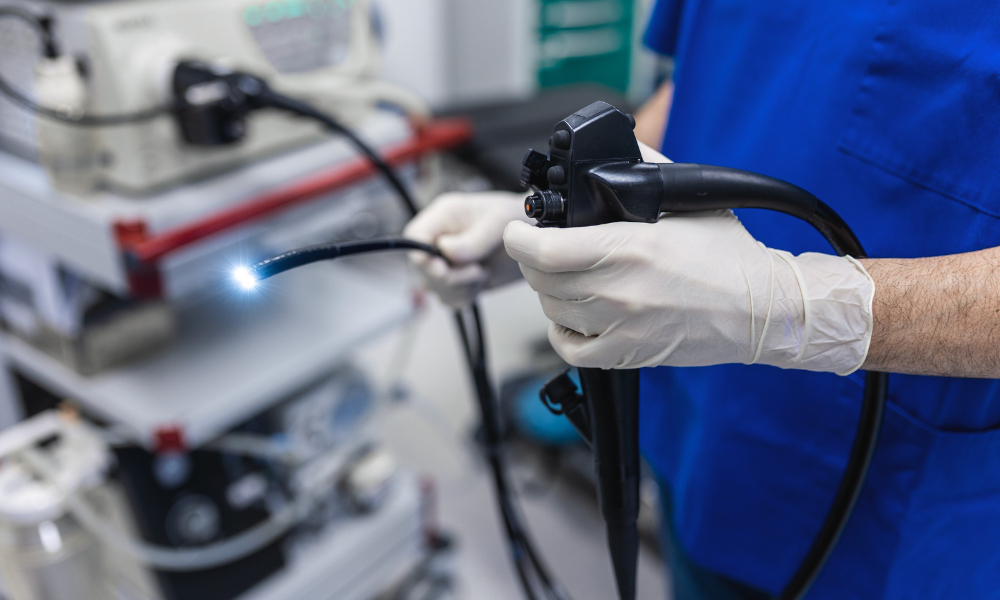
During colonoscopy, a gastroenterologist uses a flexible instrument with a camera to examine the lining of the rectum and colon.
The physician looks for abnormalities such as polyps, inflammation, bleeding sources and suspicious tissue. If appropriate, polyps can be removed and biopsies can be obtained.
Most patients receive medication to help them remain comfortable during the examination.
Afterward, the medical team monitors you while the medication wears off and explains the next steps.
Learn more about screening colonoscopy and what the procedure can detect.
What Happens After a Colonoscopy?
You may feel tired or mildly bloated after the procedure, particularly if air or carbon dioxide was used to expand the colon during the examination.
Your physician will discuss the findings and let you know whether any polyps or tissue samples were removed. If biopsies were taken, the final pathology results may take additional time.
Follow the discharge instructions you receive. If you experience concerning symptoms after the procedure, contact your medical team or seek appropriate urgent medical care according to the instructions provided to you.
What If the Colonoscopy Preparation Is Not Working?
If you have followed the instructions but are not having bowel movements, contact your medical team for advice.
Do not automatically drink extra doses or combine bowel-cleansing products unless instructed to do so. Taking additional preparation without guidance may increase the risk of dehydration or electrolyte problems.
If you have severe abdominal pain, persistent vomiting, significant weakness, fainting or other concerning symptoms during preparation, seek medical guidance promptly.
Can You Prevent Nausea During Colonoscopy Prep?
Nausea is a common concern because bowel preparation solutions can be difficult for some people to drink.
Following the prescribed drinking schedule can help. Some preparation plans allow patients to chill the solution, drink it in measured amounts and follow each portion with approved clear liquids.
However, the instructions vary by preparation product. Do not dilute or modify the solution unless your medical team specifically tells you to do so.
If you are vomiting and cannot keep the preparation down, contact your healthcare provider. An incomplete preparation may not adequately clean the colon.
What If You Feel Weak or Dizzy During Colonoscopy Prep?
Fluid loss during bowel preparation can contribute to dehydration, which may cause weakness, lightheadedness or dizziness.
Continue drinking approved clear liquids according to your instructions to help maintain hydration. Certain patients, particularly those with kidney, heart or other medical conditions, may have individualized fluid restrictions.
If you experience severe dizziness, fainting, confusion, chest pain, severe weakness or other serious symptoms, seek medical attention promptly.
Common Colonoscopy Preparation Mistakes to Avoid
One of the most common mistakes is starting the dietary restrictions or bowel preparation later than instructed. Another is stopping the bowel-cleansing solution once bowel movements become frequent instead of completing the prescribed preparation.
Eating solid food during the clear-liquid phase can also interfere with preparation.
Another common mistake is forgetting to discuss medications. Blood thinners, diabetes medications, iron supplements and other medications may require special instructions.
Finally, do not assume that a preparation that worked for someone else will be appropriate for you. Follow the specific instructions prescribed for your colonoscopy.
How Can You Make Colonoscopy Prep Easier?
The best strategy is to prepare before preparation day begins.
Read your instructions carefully. Buy the clear liquids you are allowed to drink. Arrange transportation. Plan to stay home. Make sure you have easy bathroom access. Organize your medications according to your healthcare team’s instructions.
It can also help to mentally separate the preparation from the procedure itself. The bowel cleansing is temporary, while the purpose of the colonoscopy is important: detecting colorectal cancer and precancerous abnormalities early and, in many cases, removing polyps before they can cause problems.
Remember that the discomfort and inconvenience of preparation are short-term. The information gained from a thorough colonoscopy can be valuable for your long-term digestive health.
When Should You Call Your Doctor During Colonoscopy Prep?
Contact your medical team if you are unsure about medication instructions, cannot tolerate the preparation, are not having bowel movements as expected or believe you may not be adequately prepared.
You should also seek urgent medical attention for severe symptoms such as fainting, severe abdominal pain, significant difficulty breathing, chest pain, severe weakness or other symptoms that concern you.
When in doubt about a preparation problem, contacting the medical team is safer than guessing.

Colonoscopy Preparation Instructions for Patients in Cypress and Katy
If you are preparing for a colonoscopy with United Gastro TX, use the specific preparation instructions provided by your care team.
United Gastro TX provides detailed colonoscopy preparation instructions, including preparation information for different bowel-cleansing products.
You can also review specific instructions for preparations such as Suprep, Sutab, Clenpiq, Colyte and other prescribed preparation options.
Patients looking for local services can learn more about colonoscopy in Cypress, TX or colonoscopy in Katy, TX.
For general preparation resources, visit the patient preparation information section.
Preparing for Your Colonoscopy in Cypress or Katy?
A successful colonoscopy starts with good preparation. If you have questions about your preparation instructions, medications or procedure-day requirements, contact your gastroenterology care team before the procedure rather than waiting until the last minute.
Learn more about colonoscopy services available through United Gastro TX.
Frequently Asked Questions About Colonoscopy Preparation
What is the best way to prepare for a colonoscopy?
The best preparation is to follow your gastroenterologist’s instructions exactly, including dietary restrictions, clear-liquid requirements, bowel preparation timing and medication instructions. Completing the entire bowel preparation is important for a clear examination.
What can I eat the day before a colonoscopy?
Dietary instructions vary, but patients are commonly instructed to transition to clear liquids during the appropriate phase of preparation. Before that point, your medical team may recommend a low-fiber or low-residue diet. Follow the instructions provided specifically for your procedure.
What can I drink during colonoscopy prep?
Depending on your instructions, approved clear liquids may include water, clear broth, certain clear juices without pulp and approved electrolyte beverages. Follow your facility’s instructions regarding which liquids are permitted and when you must stop drinking.
How long does colonoscopy prep take to work?
The bowel preparation often begins causing bowel movements within a few hours, but the exact timing varies. If the preparation does not seem to be working as expected, contact your medical team rather than taking extra preparation without guidance.
Can I drink water during colonoscopy preparation?
Water is commonly permitted during the clear-liquid phase, but you must follow your procedure-specific fasting instructions. There will be a point when you need to stop drinking all liquids before the procedure.
Can I take my medications before a colonoscopy?
Some medications can be continued, while others may require adjustment. Blood thinners, diabetes medications and certain supplements may require special instructions. Never stop prescription medication without discussing it with your healthcare provider.
What happens if I cannot finish my colonoscopy prep?
Contact your medical team for guidance. An incomplete preparation may leave stool in the colon and make the examination difficult or inadequate. Do not automatically take additional preparation unless instructed.
What if I vomit my colonoscopy prep?
If you vomit enough preparation that you cannot complete the prescribed dose, contact your medical team. They can tell you what to do next based on the specific preparation product and timing of your procedure.
Can I work while preparing for a colonoscopy?
Once the bowel preparation begins working, you may need frequent and immediate access to a bathroom. For many people, staying home is the most practical approach.
How do I know when my colonoscopy prep is complete?
Bowel movements generally become increasingly watery and clearer as the colon empties. More importantly, complete the prescribed preparation and follow your healthcare team’s instructions rather than stopping early based only on appearance.
What should I do if I am constipated before my colonoscopy?
Tell your gastroenterologist before the procedure. People with significant constipation or a history of inadequate bowel preparation may need individualized preparation instructions.
Do I need someone to drive me home after a colonoscopy?
If you receive sedation or anesthesia, you will generally need a responsible adult to drive you home. Follow the specific transportation requirements provided by your procedure facility.
Final Thoughts: A Good Colonoscopy Starts With Good Preparation
Colonoscopy preparation may not be the most enjoyable part of the process, but it is one of the most important. A clean colon gives your gastroenterologist a better view of the intestinal lining and improves the opportunity to identify polyps, cancer, inflammation and other abnormalities.
The process becomes much easier when you know what to expect. Plan ahead, follow your dietary instructions, stay appropriately hydrated with approved liquids, take your bowel preparation exactly as prescribed and ask about medications well before the procedure.
Most importantly, remember that your preparation instructions are individualized. If your gastroenterologist’s instructions differ from general advice you find online, follow the instructions provided by your medical team.
A few hours of inconvenience can help make an important preventive or diagnostic examination as thorough as possible.
Medical Disclaimer: This article is for general educational purposes only and does not replace personalized medical advice or the preparation instructions provided by your gastroenterologist or procedure facility. Colonoscopy preparation can vary based on your health, medications, bowel history and the specific preparation prescribed. Contact your healthcare team if you have questions or concerns about your preparation.