What are ulcers in the large intestine?
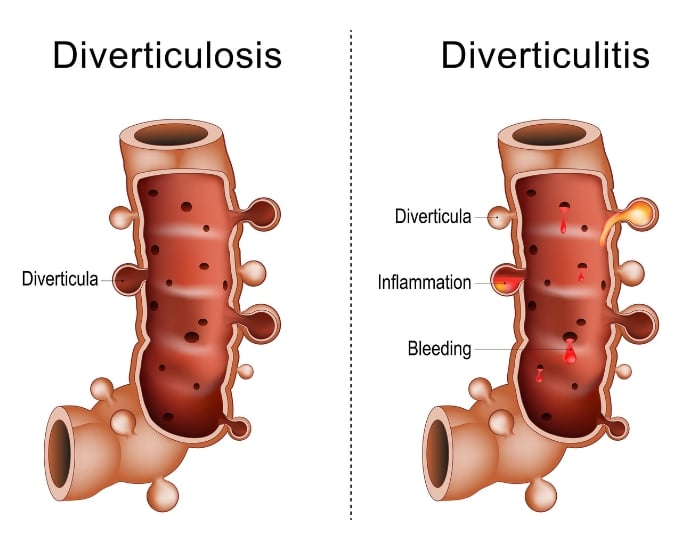
Ulcers in the large intestine, which Dr. Khan can find during a colonoscopy, are open sores or breaks in the inner lining of the colon or rectum. They form when inflammation, infection, poor blood flow or injury damages the lining faster than it can heal. Colon ulcers can be shallow or deep, single or many, and limited to the rectum or spread through the colon.
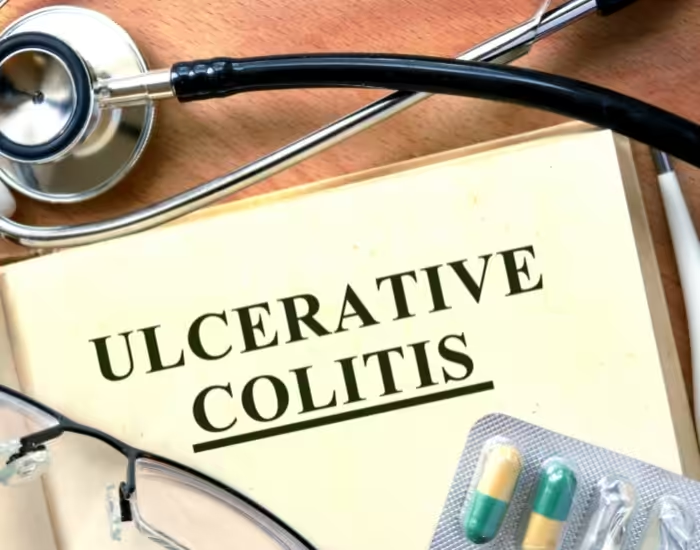
Ulcerative colitis and Crohn’s disease are the most common long-term causes.
The large intestine absorbs water and forms stool, so damage to its lining often shows up as changes in bowel habits, bleeding and urgency. The pattern and location of the ulcers seen during a colonoscopy, together with biopsies, usually reveal the underlying cause.
What are the symptoms of ulcers in the colon?
Common symptoms of ulcers in the colon include rectal bleeding or blood in the stool, diarrhea that may be bloody or contain mucus, cramping abdominal pain, an urgent need to have a bowel movement, a feeling of incomplete emptying (tenesmus), fatigue, and weight loss. Fever and anemia can occur with more severe inflammation or infection. Some people with mild ulcers have few symptoms.
- Blood in or on the stool, or rectal bleeding
- Diarrhea, sometimes with mucus or blood
- Cramping or lower abdominal pain
- Urgency and frequent bowel movements, including at night
- Tiredness from anemia, weight loss or fever
What causes ulcers in the large intestine?
The most common causes of ulcers in the large intestine are inflammatory bowel disease (ulcerative colitis and Crohn’s disease), infections such as C. difficile and certain bacteria or parasites, ischemic colitis from reduced blood flow, anti-inflammatory pain relievers (NSAIDs), radiation therapy to the pelvis, solitary rectal ulcer syndrome linked to straining, pressure ulcers from severe constipation, and, less commonly, an ulcerated tumor.
| Cause | Typical clues |
|---|---|
| Ulcerative colitis | Bloody diarrhea and urgency; inflammation starts in the rectum and extends continuously |
| Crohn’s disease | Patchy ulcers with normal areas between; pain, diarrhea, weight loss |
| Infection (such as C. difficile) | Recent antibiotics, travel, food poisoning or a weakened immune system |
| Ischemic colitis | Sudden cramping, then bloody stool, often in older adults |
| NSAID pain relievers | Regular ibuprofen, naproxen or aspirin use |
| Radiation proctitis | Past pelvic radiation for prostate, cervical or rectal cancer |
| Solitary rectal ulcer | Long-term straining, constipation and rectal bleeding |
Learn more about ulcerative colitis care in Katy and Cypress and the common causes of colon infection.
Are ulcers in the large intestine the same as stomach ulcers?
No. Stomach and duodenal ulcers, called peptic ulcers, form in the upper digestive tract and are usually caused by H. pylori infection or NSAIDs, with burning upper abdominal pain as the main symptom. Ulcers in the large intestine form in the colon or rectum, have different causes such as colitis or infection, and usually cause bleeding, diarrhea and lower abdominal cramping. They are diagnosed and treated differently.
Read about stomach ulcer symptoms for comparison.
Have symptoms like these?
Dr. Muhammad Ali Khan, a board-certified gastroenterologist and hepatologist, sees adults at our Katy and Cypress offices, serving patients across Greater Houston.
When are colon ulcer symptoms an emergency?
Get emergency care for heavy rectal bleeding or passing clots, black or maroon stools with dizziness or fainting, severe or worsening abdominal pain, a swollen or rigid belly, high fever, or signs of dehydration such as very little urine. These can signal severe colitis, significant bleeding or a perforation, which need immediate treatment.
Emergency warning signs
- Heavy rectal bleeding or passing blood clots
- Dizziness, fainting or a racing heartbeat with bleeding
- Severe abdominal pain or a swollen, hard belly
- High fever with bloody diarrhea
- Signs of dehydration or inability to keep fluids down
How are ulcers in the large intestine diagnosed?
Ulcers in the large intestine are diagnosed with a colonoscopy, which lets the gastroenterologist see the ulcers directly, note their pattern and location, and take biopsies. Before or alongside colonoscopy, stool tests check for infections such as C. difficile and measure inflammation (fecal calprotectin), blood tests check for anemia and inflammation, and CT imaging may be used when symptoms are severe or a complication is suspected.
Your evaluation, step by step
- HistoryDr. Khan reviews bleeding, bowel changes, medicines, travel and antibiotic use.
- Stool and blood testsInfection testing, inflammation markers and a blood count.
- ColonoscopyDirect view of the colon with biopsies to confirm the cause.
- Treatment planTherapy matched to the cause, with follow-up to confirm healing.
Learn more about colonoscopy in Katy and Cypress.
How are colon ulcers treated?
Colon ulcers are treated according to their cause. Ulcerative colitis and Crohn’s disease are treated with anti-inflammatory medicines, immune-modifying drugs or biologic therapies. Infections are treated with specific antibiotics or antiparasitic medicines when appropriate. NSAID-related ulcers heal after the medicine is stopped under a doctor’s guidance. Ischemic colitis usually improves with supportive care, and radiation proctitis and solitary rectal ulcers have their own targeted treatments.
Follow-up is important. For inflammatory bowel disease, the goal is healing of the lining, not just feeling better, and a repeat colonoscopy is sometimes used to confirm it.
Tip: Bring a medicine list
Include every pain reliever, antibiotic taken in the past three months, and any history of pelvic radiation. These details often point straight to the cause of colon ulcers.
Get answers instead of guessing
Request a visit with Dr. Muhammad Ali Khan at our Katy and Cypress offices. Call the office to check your insurance coverage; self-pay options are available.
Can ulcers in the large intestine heal?
Yes. Most ulcers in the large intestine heal once the underlying cause is treated. Infection-related and NSAID-related ulcers often heal within weeks. Ulcers from ulcerative colitis or Crohn’s disease can heal with effective treatment, but these conditions are long-term and need ongoing care to keep inflammation controlled and to screen for complications.
What are the key takeaways?
- Ulcers in the large intestine are open sores in the colon or rectum lining with many possible causes.
- Common symptoms are rectal bleeding, diarrhea, cramping, urgency and fatigue.
- Inflammatory bowel disease, infection, reduced blood flow and NSAIDs are frequent causes.
- Colonoscopy with biopsies is the main way to find colon ulcers and their cause.
- Heavy bleeding, severe pain or fever with bloody diarrhea needs emergency care.
Frequently Asked Questions
What does an ulcer in the colon feel like?
Colon ulcers often cause cramping lower abdominal pain, urgency and diarrhea that may contain blood or mucus. Some people also feel tired, feverish or lose weight.
Are colon ulcers cancer?
Most colon ulcers are caused by inflammation, infection or medicines rather than cancer. A colonoscopy with biopsy is the only way to confirm the cause.
Can stress cause ulcers in the colon?
Stress does not directly cause colon ulcers, but it can worsen symptoms of conditions such as ulcerative colitis. The underlying cause still needs medical treatment.
Do I need a referral to see a gastroenterologist in Katy or Cypress?
Many PPO plans and traditional Medicare do not require a referral, while HMO plans usually do. United Gastroenterology Associates can check your plan before you schedule.
What sources support this article?
- NIDDK — Ulcerative colitis
- NIDDK — Crohn’s disease
- MedlinePlus — Ulcerative colitis
- MedlinePlus — C. diff infections
- NIDDK — Colonoscopy
- American College of Gastroenterology — Ulcerative colitis
Where can you see a gastroenterologist in Katy or Cypress?
United Gastroenterology Associates has two offices: Katy, at 23920 Katy Freeway, Suite 555, next to Memorial Hermann Katy Hospital, and Cypress, at 21216 Northwest Freeway, Suite 640, on US-290. Both are open Monday through Friday, 8:30 AM to 5:00 PM, closed for lunch from 12:00 to 1:30 PM, and serve patients from Fulshear, Richmond and across Greater Houston. Call (346) 340-4414 for either office.
Where is the Katy office?
23920 Katy Freeway, Suite 555
Katy, TX 77494
Memorial Hermann Medical Plaza 1
Where is the Cypress office?
21216 Northwest Freeway, Suite 640
Cypress, TX 77429
On US-290
What should you do next?
If you are dealing with ulcers in large intestine or any ongoing digestive concern, a focused evaluation can find the cause and start the right treatment. Dr. Muhammad Ali Khan and the team at United Gastroenterology Associates see adults from Katy, Cypress, Fulshear, Richmond, Greater Houston and across Texas. Call (346) 340-4414 or request an appointment today.
If you have severe pain, vomit blood, pass black stools or have chest pain, call 911 or go to the nearest emergency room.