What is liver disease management?
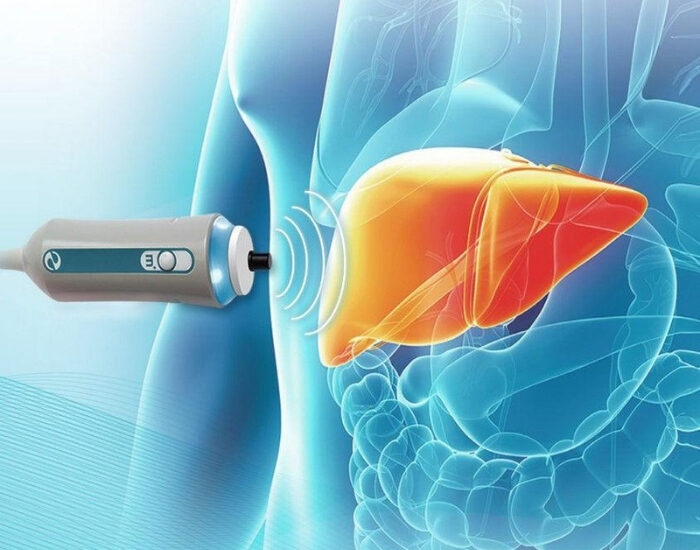
For Dr. Khan, liver disease management is the ongoing care that finds the cause of liver damage, measures how much scarring is present, treats the underlying condition and monitors the liver over time. It combines lifestyle changes, medication when needed, regular blood tests and imaging such as FibroScan, and screening for complications like cirrhosis and liver cancer.
Four steps of liver disease management
- Find the causeBlood tests, viral and autoimmune markers, imaging.
- Stage the damageFibroScan or other tests measure fat and scarring.
- TreatWeight loss, alcohol cessation, antivirals or targeted medicine.
- MonitorRegular labs, scans and cancer screening if needed.
What are the most common types of liver disease?
The most common is metabolic dysfunction-associated steatotic liver disease (MASLD), previously called fatty liver disease, which is linked to excess weight, diabetes and high cholesterol. Others include alcohol-related liver disease, chronic hepatitis B and C, autoimmune hepatitis, primary biliary cholangitis, hemochromatosis (iron overload) and drug-induced liver injury.
| Condition | Main cause | Key management |
|---|---|---|
| Fatty liver (MASLD) | Weight, diabetes, cholesterol | Weight loss of 7 to 10 percent, exercise, control of diabetes |
| Alcohol-related liver disease | Heavy drinking | Stopping alcohol, nutrition support |
| Hepatitis C | Virus | 8 to 12 weeks of antiviral pills, usually curative |
| Hepatitis B | Virus | Monitoring, antivirals when needed |
| Autoimmune hepatitis | Immune system | Steroids and immunosuppressants |
| Hemochromatosis | Iron overload | Regular blood removal (phlebotomy) |
What are the symptoms of liver disease?
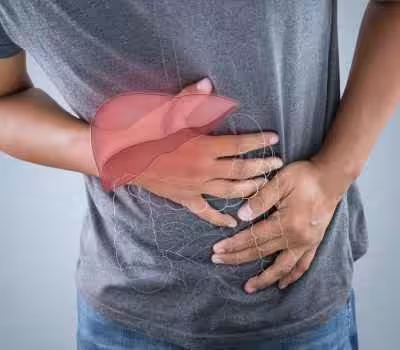
Early liver disease often has no symptoms and is found on routine blood tests or imaging. When symptoms appear they may include fatigue, discomfort in the upper right abdomen, nausea and poor appetite. Advanced disease can cause yellowing of the skin and eyes, dark urine, swelling of the belly or legs, easy bruising, itching and confusion.
Seek care promptly if you notice
- Yellow skin or eyes (jaundice)
- A rapidly swelling abdomen
- Vomiting blood or black stools
- Confusion, unusual sleepiness or personality change
- Fever with abdominal pain in someone with known cirrhosis
Have symptoms like these?
Dr. Muhammad Ali Khan, a board-certified gastroenterologist and hepatologist, sees adults at our Katy and Cypress offices, serving patients across Greater Houston.
How is liver disease diagnosed and staged?
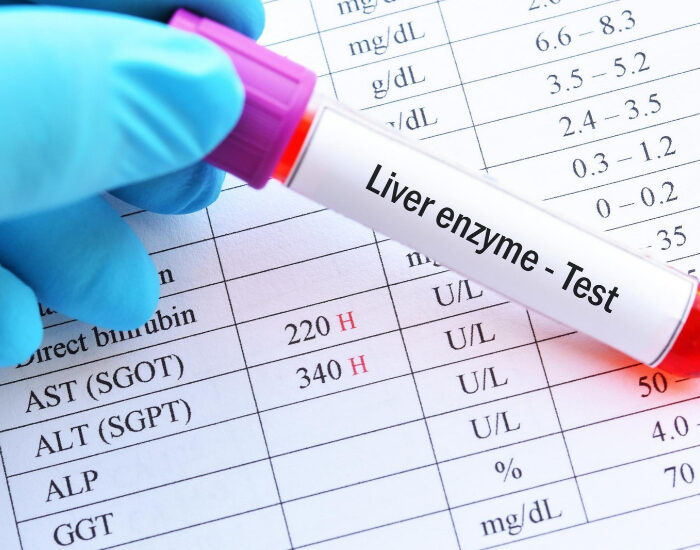
Diagnosis starts with liver blood tests (ALT, AST, bilirubin, albumin), tests for hepatitis viruses, iron and autoimmune markers, and an ultrasound. Staging measures how much scarring (fibrosis) is present, using FibroScan, blood-based scores or occasionally a liver biopsy. Knowing the stage guides treatment and how often you need monitoring. Learn about FibroScan in Katy and Cypress and abnormal liver enzymes.
Can liver damage be reversed?
Often, yes, if it is caught before cirrhosis. Fat in the liver can disappear with weight loss, early scarring can improve when the cause is removed, and hepatitis C can be cured. Cirrhosis is usually not reversible, but good liver disease management can keep it stable, prevent complications and detect liver cancer early. Read can fatty liver be reversed.
Tip: Bring a full list of supplements and herbal products to your visit. Some, including high-dose green tea extract and certain bodybuilding products, can injure the liver.
What lifestyle changes protect the liver?
The most effective changes are gradual weight loss if you are overweight, at least 150 minutes of exercise a week, limiting or stopping alcohol, controlling diabetes, blood pressure and cholesterol, and following a Mediterranean-style diet. Getting vaccinated against hepatitis A and B and avoiding unnecessary medications and supplements also protect the liver.
Get answers instead of guessing
Request a visit with Dr. Muhammad Ali Khan at our Katy and Cypress offices. Call the office to check your insurance coverage; self-pay options are available.
Where can you get liver disease care near Katy or Cypress?
Dr. Muhammad Ali Khan is a gastroenterologist and hepatologist who manages fatty liver, hepatitis, cirrhosis and abnormal liver tests for patients from Katy, Cypress, Fulshear, Richmond and across Texas. See our hepatology services and liver specialist pages.
Key takeaways
- Liver disease is often silent until it is advanced, so early testing matters.
- Fatty liver is now the most common liver condition.
- Liver disease management means finding the cause, staging scarring, treating and monitoring.
- Many forms of liver damage improve or reverse before cirrhosis.
- Jaundice, belly swelling, black stools or confusion need prompt care.
Frequently asked questions
What doctor treats liver disease?
A hepatologist or a gastroenterologist with liver training. Dr. Khan is a gastroenterologist and hepatologist who manages liver conditions.
How often should liver tests be checked?
It depends on the condition and stage, usually every 3 to 12 months. People with cirrhosis need liver cancer screening every six months.
Is FibroScan painful?
No. It is a quick ultrasound-based scan that takes about 10 minutes with no needles or sedation.
Can I drink alcohol with fatty liver?
It is best to limit or avoid alcohol, and to stop completely if there is significant scarring.
Is hepatitis C curable?
Yes. Modern antiviral pills cure more than 95 percent of people in 8 to 12 weeks.
Do I need a referral to see a gastroenterologist in Katy or Cypress?
It depends on your insurance plan. Many PPO plans let you book a specialist directly, while some HMO plans require a referral from your primary care doctor. Call (346) 340-4414 and the team can help you check.
Sources
- NIDDK — Liver disease
- NIDDK — Metabolic dysfunction-associated steatotic liver disease
- NIDDK — Cirrhosis
- MedlinePlus — Liver diseases
- MedlinePlus — Hepatitis
- MedlinePlus — Cirrhosis
Where to be seen in Katy and Cypress
United Gastroenterology Associates has two offices: Katy, at 23920 Katy Freeway, Suite 555, next to Memorial Hermann Katy Hospital, and Cypress, at 21216 Northwest Freeway, Suite 640, on US-290. Both are open Monday through Friday, 8:30 AM to 5:00 PM, closed for lunch from 12:00 to 1:30 PM, and serve patients from Fulshear, Richmond and across Greater Houston. Call (346) 340-4414 for either office.
Katy office
23920 Katy Freeway, Suite 555
Katy, TX 77494
Memorial Hermann Medical Plaza 1
Next steps
If you are dealing with liver disease management or any ongoing digestive concern, a focused evaluation can find the cause and start the right treatment. Dr. Muhammad Ali Khan and the team at United Gastroenterology Associates see adults from Katy, Cypress, Fulshear, Richmond, Greater Houston and across Texas. Call (346) 340-4414 or request an appointment today.
If you have severe pain, vomit blood, pass black stools or have chest pain, call 911 or go to the nearest emergency room.