
Home › Colon Cancer Screening
Colorectal Cancer Screening · Katy & Cypress, TX
Colon Cancer Screening in Katy, Cypress & Near Fulshear, TX
Turning 45, or have a family history of colorectal cancer? United Gastroenterology Associates provides colorectal cancer screening and screening colonoscopy for adults at our Katy and Cypress offices. Muhammad Ali Khan, MD, FACP, FASGE, a board-certified gastroenterologist, helps you understand when screening should begin and which approach fits your risk. Most major insurance plans are accepted. Check insurance information.
Muhammad Ali Khan, MD, FACP, FASGE
Board-Certified Gastroenterologist & Hepatologist
Meet Your Colon Cancer Screening Doctor: Muhammad Ali Khan, MD, FACP, FASGE
BOARD-CERTIFIED Gastroenterologist and Hepatologist
CREDENTIALS AT A GLANCE
Board-Certified
Gastroenterology, hepatology, and internal medicine
Academic Medicine
Former Associate Professor, UT MD Anderson Cancer Center
Published Research
More than 100 peer-reviewed articles in gastroenterology
FACP and FASGE
Fellow, American College of Physicians and American Society for Gastrointestinal Endoscopy

Dr. Muhammad Ali Khan, MD, FACP, FASGE
Board-certified gastroenterologist and hepatologist, United Gastroenterology Associates
Muhammad Ali Khan, MD, FACP, FASGE, is a board-certified gastroenterologist and hepatologist who performs screening and diagnostic colonoscopy at United Gastroenterology Associates in Katy and Cypress.
Dr. Khan earned his medical degree at Dow Medical College, completed an internal medicine residency at the University of Toledo and a gastroenterology and hepatology fellowship at the University of Tennessee Health Science Center. He is a former Associate Professor at The University of Texas MD Anderson Cancer Center and has authored more than 100 peer-reviewed articles. Read Dr. Khan’s full profile.
Professional Memberships
- American College of Gastroenterology
- American Society for Gastrointestinal Endoscopy (Fellow)
- American Gastroenterological Association
- American College of Physicians (Fellow)
- Texas Medical Association
- Texas Society of Gastroenterology & Endoscopy
Areas of Care
- Colorectal cancer screening
- Screening and diagnostic colonoscopy
- Colon polyp removal
- Follow-up after abnormal stool tests
Board-Certified Gastroenterologist
Gastroenterology, hepatology and internal medicine
Katy & Cypress Locations
Katy Freeway and Northwest Freeway (US-290)
Colonoscopy & GI Care
Screening and diagnostic colonoscopy
Insurance Verification
Benefits checked before your procedure
What Is Colorectal Cancer Screening?
Colorectal cancer screening is testing that looks for colorectal cancer or precancerous growths in people who have no symptoms. The colon is the large intestine and the rectum is its final section; cancer in either is called colorectal cancer, and “colon cancer screening” and “colorectal cancer screening” describe the same care.
Most colorectal cancers begin as colon polyps, small growths on the lining that change slowly over years. Some tests look for signs of cancer in the stool; colonoscopy lets a gastroenterologist see the lining directly.
Why Is Colon Cancer Screening Important?
Colorectal cancer often causes no symptoms in its early stages, so waiting for symptoms can delay diagnosis. Screening can find abnormalities before symptoms appear, and cancer found at an earlier stage usually has more treatment options.
Colonoscopy lets the physician examine the colon directly, and many polyps can be removed during the same procedure. Removing precancerous polyps can lower the risk of colorectal cancer, although no screening test eliminates risk completely.
Turning 45? It May Be Time to Discuss Colorectal Cancer Screening
For adults at average risk, the U.S. Preventive Services Task Force and the American Cancer Society recommend starting colorectal cancer screening at age 45 and continuing through age 75.
Turning 45? If you are approaching or have reached the recommended screening age and have not discussed colorectal cancer screening with a healthcare professional, schedule a consultation to review your options and individual risk. Screening is a conversation about your history and preferences, not a reason for worry; most people screened have normal results or small polyps that can be removed.
Who May Need Screening Earlier?
Some people need screening before age 45 or more often than average. Higher-risk situations include:- A parent, sibling or child with colorectal cancer or advanced polyps
- A personal history of colorectal polyps or colorectal cancer
- Crohn’s disease or ulcerative colitis affecting the colon
- Hereditary syndromes such as Lynch syndrome or familial adenomatous polyposis
- Other high-risk situations identified by your physician
Your gastroenterologist can determine whether your medical or family history changes when screening should begin or how frequently it should be performed.
Colonoscopy for Colorectal Cancer Screening
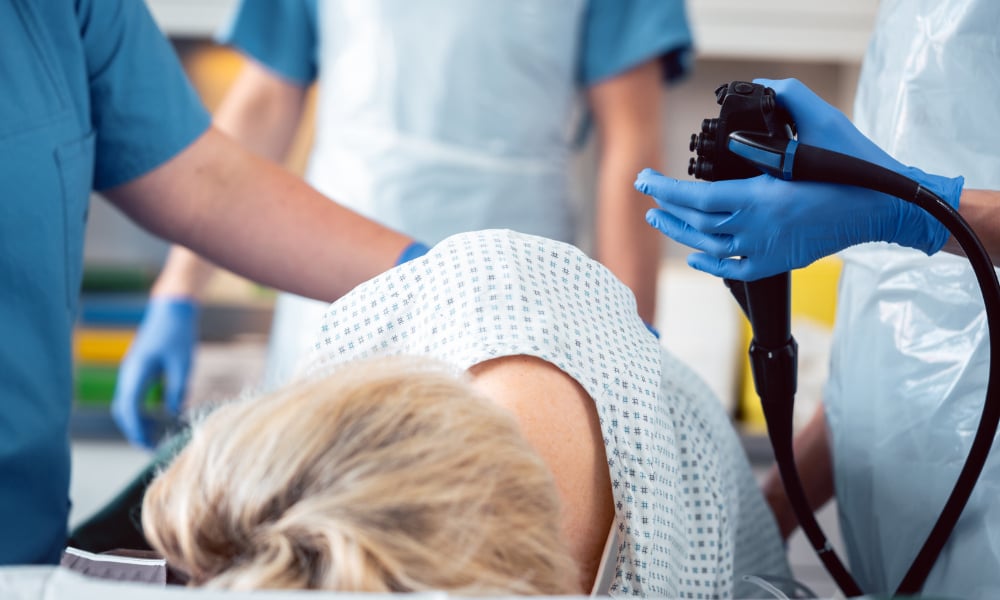
A screening colonoscopy is an examination of the entire colon and rectum with a thin, flexible camera called a colonoscope. Dr. Khan looks for polyps, inflammation and other abnormalities on the lining of the bowel.
A bowel preparation empties the colon beforehand so the lining can be seen clearly, and sedation keeps you comfortable. Polyps can often be removed during the exam and sent to a pathology laboratory. Your follow-up schedule depends on the findings and your individual risk.
Colonoscopy in Katy · Colonoscopy in Cypress · Colonoscopy prep instructions
How Does a Screening Colonoscopy Work?
A screening colonoscopy at United Gastroenterology Associates follows four steps.
1. Consultation & Risk Review
Dr. Khan reviews your age, health history, previous screening, symptoms and family history.
2. Bowel Preparation
You receive preparation instructions designed to clean the colon so the physician can examine it properly.
3. Colonoscopy
The physician examines the colon with a flexible colonoscope while you receive sedation according to your care plan.
4. Results & Follow-Up
You discuss the findings, pathology results when applicable, and when your next screening or follow-up is due.
What Happens If a Colon Polyp Is Found?
A colon polyp is a growth on the lining of the colon or rectum. Most polyps are not cancer, but some types, such as adenomas, can become cancerous over time. Many polyps can be removed during the same colonoscopy.
The removed tissue goes to a pathology laboratory, which identifies the polyp type. The type, size and number of polyps, along with your personal risk, determine when your next colonoscopy is recommended.
Colonoscopy, FIT and Other Colorectal Cancer Screening Options
Colonoscopy is not the only screening option for adults at average risk. Recognized options include colonoscopy every 10 years, a yearly fecal immunochemical test (FIT), a stool DNA test every 1 to 3 years, and CT colonography or flexible sigmoidoscopy every 5 years.
A positive or abnormal result on a stool-based test or CT colonography requires a follow-up colonoscopy to complete screening.
Colonoscopy vs. FIT or Stool-Based Testing
The appropriate colorectal cancer screening method depends on your age, risk factors, previous screening history, health history and preferences. Discuss your options with a qualified healthcare professional. Colonoscopy vs Cologuard
Screening Colonoscopy vs. Diagnostic Colonoscopy
A screening colonoscopy is generally performed as preventive screening in an eligible person who has no signs or symptoms prompting the procedure. A diagnostic colonoscopy is ordered to investigate symptoms or abnormal findings, such as:- Rectal bleeding or blood in the stool
- Unexplained iron-deficiency anemia
- Persistent changes in bowel habits
- A positive FIT or stool DNA test
- Other concerning GI findings
How a colonoscopy is classified, and how insurance covers it, depends on your individual circumstances and your health plan.
Colorectal Cancer Screening Guidelines by Age
The USPSTF (2021) recommends screening for adults ages 45 to 75. The American Cancer Society updated its guideline on May 27, 2026, and also recommends screening from 45 through 75 for people in good health. The ACG's 2021 guideline recommends screening from 50 to 75 and suggests starting at 45. The starting age was lowered from 50 because colorectal cancer has been rising in younger adults.
- Ages 45 to 75: regular screening is recommended for adults at average risk.
- Ages 76 to 85: screening is an individual decision based on your health, life expectancy and past results.
- Over 85: routine screening is generally no longer recommended.
Average risk means you have no
- Personal history of colorectal cancer or advanced polyps
- Inflammatory bowel disease (ulcerative colitis or Crohn's colitis)
- Inherited syndrome such as Lynch syndrome or FAP
- Strong family history of colorectal cancer
- Prior abdominal or pelvic radiation for childhood cancer
If any of these apply, your screening plan is different. See below.
How to Choose the Right Screening Test
Experts agree that the best screening test is the one you actually complete. Stool tests are easy and done at home but must be repeated every 1 to 3 years, and a positive result leads to colonoscopy. Colonoscopy takes more preparation and requires sedation and a ride home, but it covers 10 years if normal and lets polyps be removed in the same exam. The ACG names colonoscopy and yearly FIT as the primary screening options for most average-risk adults.
If you choose colonoscopy, learn how colonoscopy works, what a colonoscopy detects and how to follow your colonoscopy prep instructions.
How to Lower Your Colorectal Cancer Risk
Screening is the most effective way to prevent colorectal cancer, but daily habits matter too. The American Cancer Society links these steps to lower risk:
- Stay physically active and keep a healthy body weight.
- Eat plenty of vegetables, fruit and whole grains, and limit red and processed meats.
- Avoid smoking, and limit or avoid alcohol.
- Know your family history and share it with your doctor, since it can change when you start screening.
A common myth is that you do not need screening if no one in your family had colorectal cancer. Most people diagnosed have no family history of the disease. Learn more about preventive digestive health.
Gastroenterology Care for Fulshear Patients
Patients from Fulshear and nearby communities can conveniently visit our Katy gastroenterology office at 23920 Katy Freeway, Suite 555, Katy, TX 77494, about 21 minutes away. United Gastroenterology Associates welcomes new patients seeking evaluation for colon cancer screening, colonoscopy, a family history of colorectal cancer, bowel changes and other digestive concerns.
Symptoms That Should Be Discussed With a Gastroenterologist

Screening is intended for people without symptoms; symptoms call for a diagnostic evaluation instead. These symptoms have many possible causes, most of them not cancer, but they should be evaluated.
When to seek emergency care
Call 911 or go to the nearest emergency room for heavy rectal bleeding, black or tarry stools with dizziness, or severe abdominal pain.
Symptoms to discuss with a gastroenterologist
- Blood in the stool
- Rectal bleeding
- Persistent changes in bowel habits
- Ongoing abdominal discomfort
- Unexplained weight loss
- Iron-deficiency anemia
A symptom alone does not confirm a diagnosis. Symptoms should be evaluated by a qualified medical professional.
Does Insurance Cover Colon Cancer Screening in Texas?
Many health plans provide preventive coverage for recommended colorectal cancer screening, but individual benefits vary. Your out-of-pocket cost can depend on your plan, network, age, medical history, the screening method and whether the procedure is billed as screening or diagnostic. Medicare Part B covers screening colonoscopy, including a follow-up colonoscopy after a positive stool-based test; if a polyp is removed, coinsurance may apply. United Gastroenterology Associates helps you provide the information needed to verify benefits, but final coverage and patient responsibility are determined by your insurance plan.
A carrier logo does not guarantee coverage for a specific plan or service. Call (346) 340-4414 to confirm your benefits.









Colon Cancer Screening in Katy, TX
For colon cancer screening in Katy, United Gastroenterology Associates sees patients at 23920 Katy Freeway, Suite 555, Katy, TX 77494, on the Katy Freeway (I-10) near the Grand Parkway. The Katy office is convenient for patients in Katy, Fulshear, Cinco Ranch, Richmond and west Houston.
At the Katy office, Dr. Khan reviews your screening history, answers questions about colonoscopy and stool-based tests, and schedules colorectal cancer screening when it is due, with prep instructions and insurance verification handled in advance.
United Gastroenterology Associates – Katy Office
Katy office – Katy Freeway (I-10) near the Grand Parkway
- Address: 23920 Katy Freeway, Suite 555, Katy, TX 77494
- Phone: (346) 340-4414
- Hours: Monday–Friday, 8:30 AM–5:00 PM (closed 12:00–1:30 PM for lunch; last appointment 4:30 PM)
Colon Cancer Screening in Cypress, TX
Patients looking for colorectal cancer screening in Cypress are seen at 21216 Northwest Freeway, Suite 640, Cypress, TX 77429, on the Northwest Freeway (US-290). The Cypress office serves Cypress, Towne Lake, Bridgeland, Jersey Village and nearby northwest Harris County communities.
Whether you are turning 45, have a family history of colorectal cancer or received a positive stool test, a visit with the Cypress gastroenterologist clarifies your next step and, when needed, schedules your colonoscopy.
United Gastroenterology Associates – Cypress Office
Cypress office – Northwest Freeway (US-290)
- Address: 21216 Northwest Freeway, Suite 640, Cypress, TX 77429
- Phone: (346) 340-4414
- Hours: Monday–Friday, 8:30 AM–5:00 PM (closed 12:00–1:30 PM for lunch; last appointment 4:30 PM)
More about our gastroenterologist in Cypress · colonoscopy in Cypress, TX
Frequently Asked Questions About Colon Cancer Screening
Do I need a colonoscopy at age 45?
Adults at average risk should begin colorectal cancer screening at 45. Colonoscopy is one option; FIT and stool DNA tests are others. A gastroenterologist can help you choose based on your history and preferences.
Can I have colon cancer without symptoms?
Yes. Early colorectal cancer and precancerous polyps often cause no symptoms, which is why screening is recommended before symptoms appear.
What is the difference between colon cancer and colorectal cancer?
Colon cancer starts in the colon. Colorectal cancer is the broader term for cancer of the colon or rectum. Screening looks at both.
How often do I need colorectal cancer screening?
For average-risk adults with normal results, colonoscopy is usually repeated every 10 years and FIT every year. Polyps, family history or other risk factors can shorten the interval.
Does insurance cover a screening colonoscopy in Texas?
Many plans cover recommended preventive screening, but benefits vary by plan, network and whether the procedure is screening or diagnostic. The office helps verify your benefits before the procedure.
What happens if a polyp is found during my colonoscopy?
Most polyps can be removed during the same colonoscopy and sent to pathology. The results guide when your next colonoscopy is due.
Is a FIT test the same as a colonoscopy?
No. FIT is a home stool test for hidden blood that is repeated yearly. Colonoscopy examines the colon directly and can remove polyps.
What happens after a positive FIT or stool-based screening test?
A positive stool test needs a follow-up colonoscopy to find the cause. It does not mean you have cancer.
My parent had colon cancer. Should I start screening before age 45?
Often, yes. Guidelines commonly recommend earlier screening, sometimes at 40 or 10 years before the relative’s diagnosis. Your gastroenterologist sets your starting age and interval.
Where can I get colon cancer screening in Katy, TX?
At United Gastroenterology Associates, 23920 Katy Freeway, Suite 555, Katy, TX 77494. Call (346) 340-4414 to schedule.
Where can I get colon cancer screening in Cypress, TX?
At United Gastroenterology Associates, 21216 Northwest Freeway, Suite 640, Cypress, TX 77429. Call (346) 340-4414 to schedule.
Where can Fulshear patients get colon cancer screening?
Fulshear-area patients usually visit our Katy office at 23920 Katy Freeway, Suite 555, Katy, TX 77494, about 21 minutes away. United Gastroenterology Associates does not have an office in Fulshear.
Need a Gastroenterology Appointment?
United Gastroenterology Associates welcomes new patients at our Katy and Cypress offices. Send a request and our team will contact you to schedule, or call (346) 340-4414.
- Board-certified gastroenterologist & hepatologist
- Most major insurance plans accepted
- Katy and Cypress locations
- Convenient access for Fulshear patients at the Katy office
- Colonoscopy and endoscopy available when clinically appropriate
Request an Appointment
Tell us how to reach you. Please do not include detailed medical information; we will discuss your symptoms when we call.
Prefer to book yourself? Use our online scheduler. Insurance coverage, benefits and patient responsibility vary by plan and should be verified before treatment or procedures. View insurance information. For a medical emergency, call 911.
Sources
- U.S. Preventive Services Task Force. Colorectal Cancer: Screening. Final recommendation statement, May 18, 2021. uspreventiveservicestaskforce.org
- American Cancer Society. Colorectal Cancer Screening Guideline. cancer.org
- Centers for Disease Control and Prevention. Screening for Colorectal Cancer. cdc.gov
- American College of Gastroenterology. ACG Clinical Guidelines: Colorectal Cancer Screening 2021. journals.lww.com
- Medicare. Colonoscopies (screening). medicare.gov
This page provides general educational information and does not replace medical advice, diagnosis or treatment. Screening recommendations depend on individual risk and should be discussed with a qualified medical professional. For a medical emergency, call 911. Last updated September 30, 2026.