What is the difference between a GI doctor and a primary care doctor?
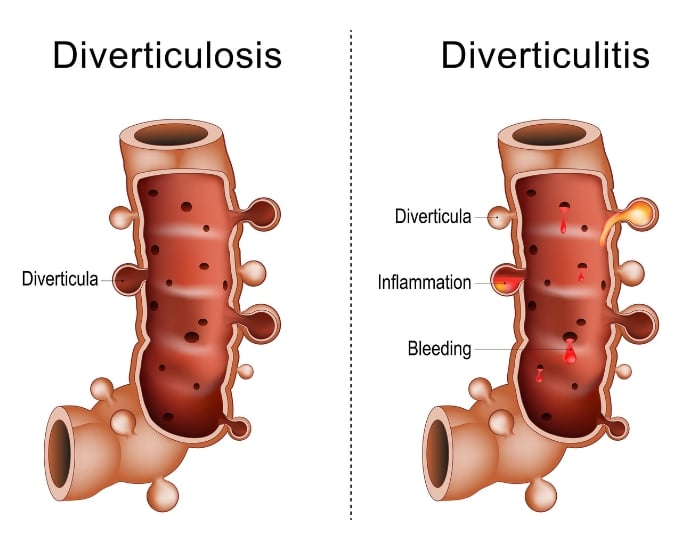
Dr. Khan, a gastroenterologist in Katy, notes that a primary care doctor treats the whole person, manages many conditions and is the first stop for most new symptoms. A GI doctor, or gastroenterologist, is a physician who completed internal medicine training plus several more years of specialized training in the digestive system: the esophagus, stomach, intestines, colon, liver, pancreas and gallbladder.
Gastroenterologists also perform procedures such as colonoscopy and upper endoscopy, which primary care doctors do not.
| Area | Primary care doctor | Gastroenterologist (GI doctor) |
|---|---|---|
| Focus | Whole-body care and prevention | Digestive tract, liver, pancreas and gallbladder |
| Training | Family or internal medicine | Internal medicine plus a gastroenterology fellowship |
| Digestive care | Short-term or mild symptoms, first-line treatment | Persistent, complex or serious digestive and liver conditions |
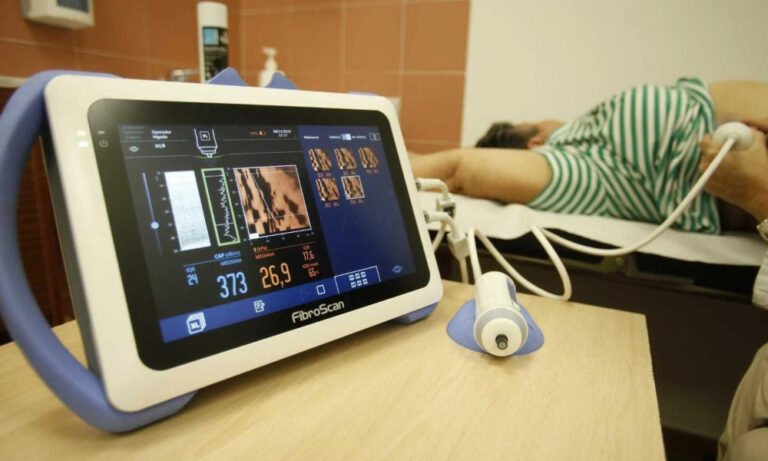
| Procedures | Usually none for the GI tract | Colonoscopy, upper endoscopy (EGD), FibroScan and more |
| Ongoing care | Coordinates all your health needs | Manages conditions like IBD, liver disease and GERD long term |
Learn more about what a digestive disease specialist treats.
Which digestive problems can my primary care doctor handle first?
Your primary care doctor can usually handle short-term or mild digestive problems first, such as occasional heartburn, a stomach virus, mild constipation or diarrhea that improves within a few days, mild bloating linked to diet, and hemorrhoid flares without heavy bleeding. They can also order basic blood tests and stool tests and start first-line treatment. If symptoms persist or warning signs appear, they refer you to a gastroenterologist.
When should I see a gastroenterologist instead of my primary care doctor?
See a gastroenterologist when digestive symptoms last more than a few weeks, keep coming back or do not improve with first-line treatment from your primary care doctor. Warning signs such as rectal bleeding, black stools, trouble swallowing, weight loss or anemia also need a specialist. You should see a GI doctor for colorectal cancer screening starting at age 45 as well.
- Heartburn more than twice a week, or needing acid reducers for more than two weeks
- Abdominal pain, bloating, diarrhea or constipation lasting more than a few weeks
- Blood in the stool, black stools or rectal bleeding
- Difficulty swallowing or food getting stuck
- Unexplained weight loss or iron-deficiency anemia
- Abnormal liver blood tests or fatty liver on imaging
- Colorectal cancer screening due, or a positive Cologuard or FIT test
Go to the emergency room, not a clinic, for
- Vomiting blood or heavy rectal bleeding
- Black stools with dizziness or fainting
- Severe abdominal pain, especially with fever or a rigid belly
- Chest pain or pressure
Have symptoms like these?
Dr. Muhammad Ali Khan, a board-certified gastroenterologist and hepatologist, sees adults at our Katy office, serving patients across Greater Houston.
What conditions usually need ongoing GI care?
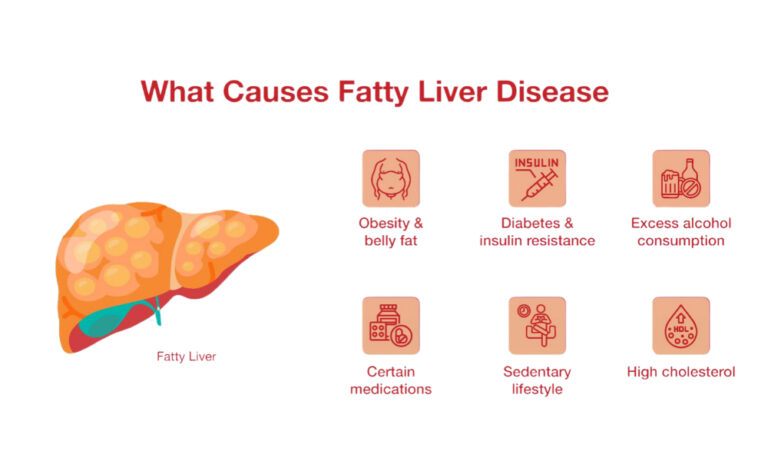
Conditions that usually need ongoing care from a gastroenterologist include inflammatory bowel disease (Crohn’s disease and ulcerative colitis), chronic GERD and Barrett’s esophagus, celiac disease, chronic liver disease such as fatty liver disease and hepatitis, chronic pancreatitis, recurring colon polyps, and difficult cases of IBS, chronic constipation or chronic diarrhea. These conditions benefit from specialized testing, procedures and long-term monitoring.
Where each doctor fits
- Primary careFirst visit for new symptoms, prevention, overall health and coordination.
- GastroenterologistPersistent or serious digestive and liver problems, procedures and long-term GI management.
- Working togetherShared records, clear plans and follow-up so nothing falls through the cracks.
What does a gastroenterologist do at the first visit?
At the first visit, a gastroenterologist reviews your symptoms, medical and family history, medicines and earlier test results, and examines you. Many visits end with a plan that starts with blood or stool tests, imaging, a medicine change, or a procedure such as a colonoscopy or upper endoscopy, which are scheduled through the practice with preparation instructions and insurance checks done beforehand.
- Photo ID, insurance card and any referral your plan requires
- A list of medicines, vitamins and supplements
- Reports from earlier colonoscopies, endoscopies, imaging or lab work
- Notes on when symptoms started and what makes them better or worse
- Family history of colon cancer, polyps, IBD or liver disease
Meet Dr. Muhammad Ali Khan, MD, FACP, FASGE, a board-certified gastroenterologist and hepatologist and former Associate Professor of Gastroenterology at The University of Texas MD Anderson Cancer Center.
How do my primary care doctor and gastroenterologist work together?
Your primary care doctor and gastroenterologist share information so your care stays coordinated. The primary care doctor often sends a referral with your history and test results, the gastroenterologist evaluates and treats the digestive problem and sends back findings and recommendations, and the primary care doctor continues managing your overall health, medicines and other conditions. You can ask either office to share records with the other.
Get answers instead of guessing
Request a visit with Dr. Muhammad Ali Khan at our Katy office. Call the office to check your insurance coverage; self-pay options are available.
Do I need a referral to see a gastroenterologist?
Whether you need a referral depends on your insurance plan. Many PPO plans let you book a gastroenterologist directly, while many HMO and managed-care plans require a referral from your primary care doctor before they will cover the visit. Call the number on your insurance card to confirm. United Gastroenterology Associates accepts most major insurance plans and offers self-pay options.
Tip: Ask for your records to be sent ahead
If your primary care doctor has already run blood tests, stool tests or imaging, ask their office to send the results before your GI visit. It avoids repeat testing and gets you to a plan faster.
What are the key takeaways?
- A GI doctor is a gastroenterologist with extra years of training in the digestive system, liver and pancreas.
- Primary care is a good first stop for new or mild digestive symptoms.
- See a gastroenterologist for symptoms lasting weeks, warning signs, abnormal liver tests or colorectal cancer screening from age 45.
- Gastroenterologists perform procedures such as colonoscopy and upper endoscopy.
- Referral rules depend on your insurance plan; both doctors work best as a team.
Frequently Asked Questions
What is a GI doctor called?
A GI doctor is called a gastroenterologist, and one who also specializes in liver disease may be called a hepatologist. They treat conditions of the entire digestive system.
Can I see a gastroenterologist without seeing my primary care doctor first?
Yes, many PPO plans and traditional Medicare let you book a gastroenterologist directly. HMO plans usually require a referral from your primary care doctor.
Should I see a GI doctor for acid reflux?
See a GI doctor if reflux happens more than twice a week, does not improve with medicine or comes with trouble swallowing or weight loss. Occasional heartburn can usually be managed by your primary care doctor.
Where can I see a GI doctor in Katy?
Muhammad Ali Khan, MD, sees patients at the United Gastroenterology Associates Katy office near Memorial Hermann Katy Hospital. You can call or request an appointment online to schedule.
What sources support this article?
- American College of Gastroenterology — Patient resources
- NIDDK — Digestive diseases
- MedlinePlus — Digestive diseases
- USPSTF — Colorectal cancer screening
Where is the United Gastroenterology Associates Katy office?
Dr. Muhammad Ali Khan sees patients at the United Gastroenterology Associates Katy office at 23920 Katy Freeway, Suite 555, next to Memorial Hermann Katy Hospital, serving Katy, Fulshear, Brookshire and west Houston. The office is open Monday through Friday from 8:30 AM to 5:00 PM and closes for lunch from 12:00 to 1:30 PM. Call the office or request an appointment online to schedule a visit.
Where is the Katy office?
23920 Katy Freeway, Suite 555
Katy, TX 77494
Memorial Hermann Medical Plaza 1
What should you do next?
If you are dealing with gi doctor vs primary care or any ongoing digestive concern, a focused evaluation can find the cause and start the right treatment. Dr. Muhammad Ali Khan and the team at United Gastroenterology Associates see adults from Katy, Cypress, Fulshear, Richmond, Greater Houston and across Texas. Call (346) 340-4414 or request an appointment today.
If you have severe pain, vomit blood, pass black stools or have chest pain, call 911 or go to the nearest emergency room.