
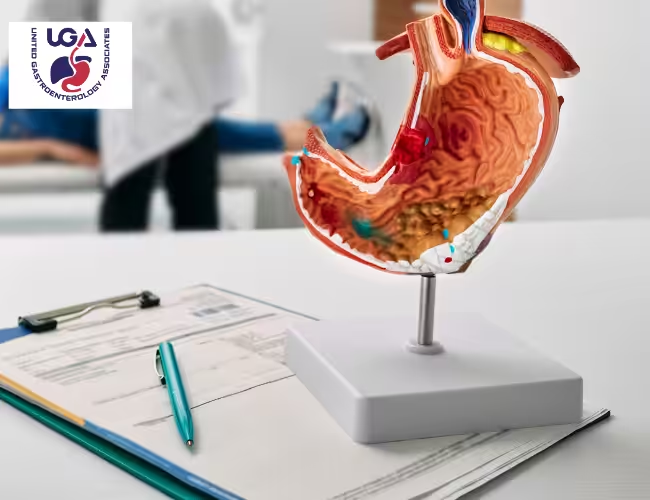
Everyone experiences occasional indigestion, heartburn, or bloating. These symptoms commonly follow heavy meals, stress, or minor digestive upset. In fact, a large national survey of more than 71,000 people found that 61% reported experiencing more than one gastrointestinal (GI) symptom within a single week. Digestive discomfort clearly affects a significant portion of the population.
Your digestive system includes many interconnected organs—the gastrointestinal tract, liver, pancreas, and gallbladder. Because these organs perform different functions, digestive symptoms can vary widely. You might feel mild bloating one day and sharp abdominal pain the next. Some symptoms develop quickly after eating something questionable and disappear just as fast. Others build gradually, persist for weeks, and interfere with your normal routine.
That variation makes it difficult to determine when to relax and when to seek medical advice.
So how can you tell whether your gastrointestinal symptoms represent a temporary inconvenience or a more serious digestive disorder?
The key lies in duration, severity, and frequency. Temporary discomfort usually improves within a few hours or days. In contrast, persistent, worsening, or recurring symptoms often signal an underlying issue that requires medical evaluation. Paying attention to patterns helps you recognize when your body needs professional attention.
When to Consult a Doctor About Digestive Symptoms?
Most people experience occasional digestive distress, especially during stressful periods or after eating foods that do not agree with them. However, you should not ignore symptoms that linger or repeatedly disrupt your daily life.
Consult a doctor if digestive issues:
- Last longer than a few days
- Occur frequently without a clear trigger
- Wake you up at night
- Interfere with work, school, or social activities
- Continue despite dietary changes or over-the-counter treatments
Persistent symptoms often indicate more than simple indigestion. Conditions such as irritable bowel syndrome (IBS), inflammatory bowel disease (IBD), gallbladder disease, ulcers, or chronic acid reflux require proper diagnosis and treatment.
In addition, certain warning signs demand immediate medical attention. These “red flag” symptoms may point to a serious condition that requires urgent care. Recognizing these signs early can prevent complications and improve outcomes.
If your digestive symptoms feel severe, unusual, or progressively worse, do not wait. Seeking medical guidance early allows doctors to identify the cause and begin appropriate treatment before the condition advances.
Persistent Changes in your Bowel Habits
Experiencing long-lasting constipation, diarrhea, or changes in bowel movements? Learn more about constipation causes and relief to know when it’s time to seek professional help. It's important to note what is observed in the toilet. For mild-to-moderate diarrhea, symptoms are generally expected to resolve within a week, as loose, watery stool often results from food poisoning or stomach flu. However, if diarrhea persists for two to three weeks, it requires further evaluation. Unusual and persistent changes in stool texture can indicate various issues, though the underlying cause is usually benign for most people. Factors such as consuming disagreeable food, insufficient fiber intake, inadequate hydration, starting a new medication, or high stress levels can all disrupt normal bowel habits. Changes in bowel habits or recurring bloating could be related to IBS. Learn more about IBS symptoms and diagnosis to identify patterns and triggers.
In other cases, these changes might indicate an underlying gastrointestinal condition, such as irritable bowel syndrome (IBS), inflammatory bowel disease (IBD) like Crohn’s disease or ulcerative colitis, or a food intolerance or allergy.
Rectal Bleeding
Since pooping habits are already under discussion, it's important to emphasize that bloody bowel movements should not occur. Blood can be seen on toilet paper when wiping or directly in the toilet bowl, and this is usually a clear sign that something is wrong, warranting a check-in with a doctor. The shade of red seen can provide clues about the issue: bright red blood typically indicates bleeding from the lower colon or rectum, dark red or maroon may point to problems higher up in the colon, and deep, tar-like stool often suggests an issue in the stomach, such as bleeding due to ulcers.
A range of mild-to-serious health concerns can lead to blood in the stools. On the milder end, hemorrhoids—swollen veins in the lower rectum that can bleed—are a common cause. Although unpleasant, hemorrhoids are very common and often simple to treat, with nearly three out of four adults experiencing them at some point.
Severe or Frequent Heartburn
Heartburn is a burning sensation that occurs in the chest, usually behind the breastbone. This pain typically begins or worsens after eating, at night, or when lying down or bending over. Heartburn is a symptom of acid reflux, which happens when stomach acids rise into the esophagus, the tube connecting the stomach to the throat. Occasional heartburn is generally not a major issue and can often be managed with over-the-counter antacids, which neutralize stomach acid, especially after consuming a particularly triggering meal.
However, severe heartburn that disrupts sleep for more than one to two weeks requires investigation by a gastroenterologist. Persistent heartburn may indicate uncontrolled acid reflux. Discover how acid reflux symptoms and management can help you find relief and avoid complications. In the past week, or gastroesophageal reflux disease (GERD), a condition affecting roughly 20% of people in the U.S. Obtaining a proper diagnosis is crucial for those experiencing heartburn or other symptoms, such as difficulty swallowing, regurgitation, or unexplained coughing, more than twice a week. Untreated reflux can lead to complications over time, including inflammation or narrowing of the esophagus, which can cause ulcers or swallowing difficulties.
Feeling Unusually Bloated
Vomiting feels unpleasant, but occasional nausea or vomiting can happen to anyone. Sometimes, your body uses vomiting as a defense mechanism to remove something harmful or irritating from your system. In those cases, symptoms usually improve quickly.
However, persistent nausea and repeated vomiting signal a deeper problem. When vomiting continues or worsens, you should not ignore it. Ongoing symptoms may point to food poisoning, stomach infections, food allergies, inflammatory bowel disease (IBD), intestinal obstruction, gallstones, or appendicitis.
Pay close attention to warning signs. Seek medical care immediately if vomiting becomes continuous or if you notice dehydration symptoms such as weakness, dizziness, or excessive thirst. You should also see a doctor right away if vomit contains blood, if you develop a severe headache, or if your abdomen becomes swollen or tender. Acting quickly can prevent complications and help doctors identify the root cause sooner.
Difficulty Swallowing
If food feels stuck in your throat or chest, or if swallowing causes pain, take the symptom seriously. Do not dismiss it as simple indigestion.
Doctors consider esophageal cancer one of the primary concerns when patients report progressive difficulty swallowing. This condition occurs more frequently in adults over 55 and affects men more often than women, according to data from the Centers for Disease Control and Prevention.
That said, cancer is not the only possible cause. Infections, ulcers, sores, and scar tissue can also make swallowing painful. Chronic acid reflux often damages the lining of the esophagus, which can lead to narrowing and discomfort over time.
Additionally, doctors now diagnose eosinophilic esophagitis (EOE) more frequently than in the past. This chronic allergic inflammatory condition causes swelling in the esophagus and significantly interferes with swallowing.
To determine the exact cause, a gastroenterologist typically performs an endoscopy. During this procedure, the doctor guides a thin, flexible tube with a small camera down your throat to examine the esophagus and stomach directly. This approach allows the specialist to identify inflammation, blockages, or abnormal growths and begin targeted treatment quickly.
Unexplained Weight Loss
Losing weight without changing your diet or exercise routine should raise concern. While many people try to lose weight intentionally, unplanned weight loss often signals an underlying health issue.
As people age, their metabolism generally slows, which makes gradual weight gain more common than weight loss. Therefore, sudden or noticeable weight reduction without effort deserves medical attention.
Doctors recommend scheduling an evaluation if you lose 5 percent or more of your body weight within six to twelve months without trying. For example, if you weigh 160 pounds, losing 8 pounds unintentionally may indicate a problem.
Several serious conditions can trigger unexplained weight loss. Cancer remains one possibility, but it is not the only cause. Research published in American Family Physician found that in adults over 65, doctors more often link unexplained weight loss to conditions such as peptic ulcers, celiac disease, inflammatory bowel disease, or an overactive thyroid.
Digestive disorders frequently interfere with nutrient absorption. When your body cannot properly absorb calories, vitamins, or minerals, weight loss follows—even if your appetite remains normal.
Rather than waiting for additional symptoms to appear, consult a doctor promptly. Early evaluation increases the likelihood of identifying the cause and starting effective treatment.
What Happens at a Gastroenterology Appointment?
If any of the seven signs mentioned are observed, it's advisable to consider scheduling an appointment with a GI doctor. During the initial appointment, the gastroenterologist will:
- Inquire about the patient's digestive symptoms and medical history
- Recommend lifestyle changes or medications to alleviate symptoms
- Discuss any necessary tests, screenings, or procedures
It may be beneficial for the patient to compile a list of symptoms before the appointment to ensure all concerns are addressed. Through this initial assessment, the doctor will commence the process of identifying the root cause of the digestive issues and initiating symptom management. For chronic conditions, the doctor will also explore long-term management strategies. Additionally, discussions regarding further testing may be initiated if symptoms persist. If recommended, a colonoscopy may be performed to rule out serious conditions and ensure early detection.
Take Control of Your Digestive Health Today
Whether you need a trusted gastroenterologist in Cypress or a knowledgeable GI doctor in Katy TX, our dedicated team at United Gastroenterology Associates is here to provide personalized care for all your digestive concerns. From initial evaluations and accurate diagnoses to tailored treatment plans, we focus on your comfort, health, and long-term wellness.
Don’t wait for symptoms to disrupt your life. Schedule a consultation today to discuss persistent heartburn, bloating, abdominal pain, or changes in bowel habits. Our gastroenterologist will guide you through every step, including dietary guidance, lifestyle modifications, and any necessary diagnostic procedures, such as colonoscopy or endoscopy, to ensure you get the answers and relief you deserve.
Take the first step toward feeling better—your digestive health matters, and expert care is just a call or click away.
Disclaimer: This content is for informational purposes only and is not a substitute for professional medical advice, diagnosis, or treatment. Always consult a licensed healthcare provider or gastroenterologist for guidance regarding your specific symptoms or health concerns.