
Almost everyone experiences heartburn or acid reflux at some point. Perhaps it happens after eating a large meal, enjoying spicy food, drinking coffee, or lying down too soon after dinner. The burning sensation behind the breastbone may disappear within a few hours, leaving you to assume it was simply something you ate.
However, when these symptoms begin happening several times each week, wake you during the night, interfere with meals, or continue for months, they should no longer be considered just an occasional inconvenience. Persistent reflux deserves medical attention because it may be a sign of an underlying digestive disorder rather than a temporary problem.
One of the first things people do after experiencing repeated heartburn is search online for “gastric reflux medicine.” Unfortunately, online searches often focus only on relieving symptoms rather than understanding why they are occurring. While symptom relief is important, identifying the underlying cause is equally essential because untreated reflux can lead to complications over time.
In this comprehensive guide, you’ll learn what gastric reflux really is, why it develops, why medications are not always the complete answer, when lifestyle changes may help, and most importantly, when it’s time to consult a gastroenterologist for a proper evaluation.
Quick Answer
Many people search for gastric reflux medicine hoping to quickly relieve heartburn or acid reflux. While occasional reflux may improve with simple lifestyle adjustments, symptoms that occur repeatedly should not be treated without understanding their cause. Persistent reflux can sometimes indicate Gastroesophageal Reflux Disease (GERD), a hiatal hernia, inflammation of the esophagus, Barrett’s esophagus, or other digestive conditions that require evaluation by a gastroenterologist.
The most effective treatment begins with an accurate diagnosis—not simply taking medicine.
Important Note
Heartburn and acid reflux are common, but they should never be ignored when they become frequent or severe. Repeated reflux may cause inflammation of the esophagus and, in some individuals, increase the risk of more serious digestive complications. Rather than repeatedly treating symptoms on your own, understanding their cause is the safest way to protect your long-term digestive health.
Table of Contents
- What Is Gastric Reflux?
- Why Do People Search for Gastric Reflux Medicine?
- When Is Acid Reflux Considered Normal?
- When Does Acid Reflux Become GERD?
- What Causes Frequent Acid Reflux?
- Can Reflux Become Serious?
- When Should You See a Gastroenterologist?
- How Is Chronic Reflux Diagnosed?
- Treatment Options Beyond Medicine
- Preventing Future Reflux Episodes
- Frequently Asked Questions
What Is Gastric Reflux?
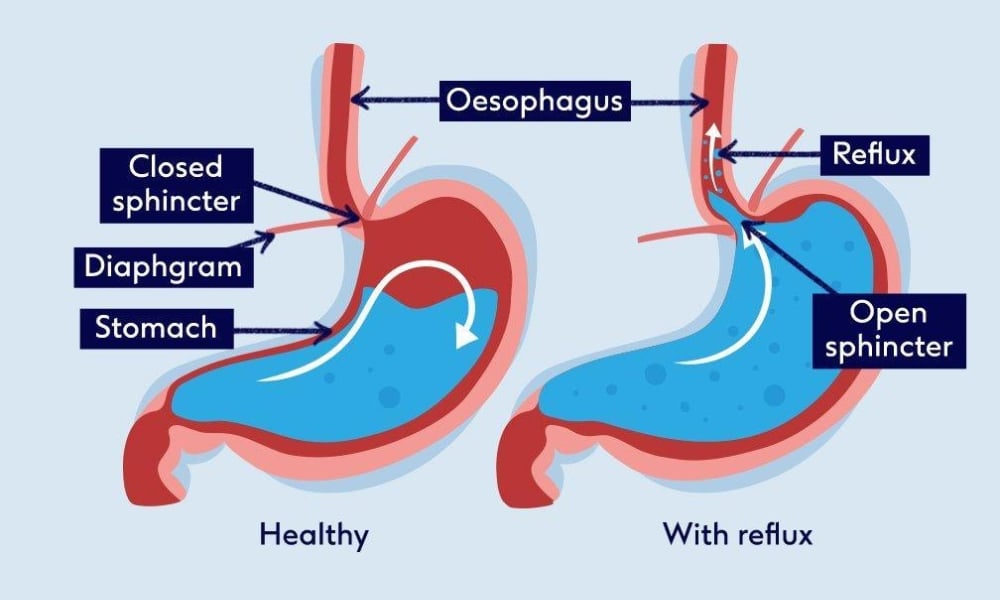
Gastric reflux, more commonly called acid reflux, occurs when stomach contents move backward into the esophagus. The esophagus is the muscular tube that carries food from your mouth to your stomach. Normally, a circular muscle called the lower esophageal sphincter (LES) opens briefly to allow food into the stomach before closing tightly again.
When this valve becomes weak, relaxes at inappropriate times, or is placed under excessive pressure, stomach acid and partially digested food can travel upward into the esophagus. Because the lining of the esophagus is much more sensitive than the stomach lining, this acid exposure often causes a burning sensation known as heartburn.
Many people assume reflux always feels like burning in the chest, but symptoms vary considerably. Some individuals experience frequent burping, sour-tasting fluid in the mouth, chronic throat clearing, hoarseness, persistent coughing, difficulty swallowing, or even chest discomfort that resembles heart problems.
This variation in symptoms is one reason self-diagnosis can be challenging. Two people with reflux may experience completely different symptoms even though the underlying condition is similar.
Why Do People Search for “Gastric Reflux Medicine”?
When digestive symptoms become uncomfortable, most people naturally look for the quickest possible relief. Search engines receive millions of searches every year from people asking questions such as:
- What is the best gastric reflux medicine?
- Why won’t my acid reflux go away?
- Do I need medicine for GERD?
- Can acid reflux heal without medication?
- Why does reflux keep coming back?
- Should I worry about frequent heartburn?
- When should I see a gastroenterologist for reflux?
These are excellent questions—but they all point toward something more important than simply finding symptom relief.
They point toward understanding why the symptoms are occurring.
Occasional heartburn after eating spicy food is very different from persistent reflux that occurs every night or several days each week. The first situation may simply reflect temporary irritation. The second could indicate an ongoing digestive disorder that requires proper diagnosis.
Simply searching for medicine often overlooks the fact that acid reflux is a symptom—not a diagnosis.
Without understanding the underlying cause, symptoms may continue returning even after temporary improvement.
Did You Know?
Many people who believe they have “heartburn” are actually experiencing chronic GERD, hiatal hernia, eosinophilic esophagitis, or another digestive condition. Because these disorders can produce similar symptoms, persistent reflux should be evaluated rather than repeatedly self-treated.
When Is Acid Reflux Considered Normal?
Experiencing occasional reflux from time to time is surprisingly common. Even people with completely healthy digestive systems may occasionally notice heartburn after eating an unusually large meal, consuming spicy or fatty foods, drinking alcohol, or lying down immediately after dinner.
Temporary reflux may also occur during pregnancy because hormonal changes and increased abdominal pressure make it easier for stomach contents to move upward.
In many cases, occasional reflux improves as the stomach empties and digestion continues.
What matters most is how often symptoms occur, how severe they become, and whether they begin affecting your daily life.
| Occasional Reflux | Possible GERD |
|---|---|
| Occurs occasionally after certain meals | Occurs several times each week |
| Improves quickly | Symptoms continue or return frequently |
| Minimal effect on daily activities | Interferes with sleep, meals, or daily life |
| No difficulty swallowing | May include trouble swallowing, chronic cough, or chest discomfort |
If your symptoms resemble those in the second column, it is time to schedule an evaluation with a gastroenterologist rather than continuing to rely solely on symptom relief.
When Does Acid Reflux Become GERD?
Acid reflux becomes Gastroesophageal Reflux Disease (GERD) when stomach acid repeatedly flows back into the esophagus, causing ongoing symptoms or damage to the esophageal lining. GERD is one of the most common digestive disorders seen by gastroenterologists, affecting millions of adults every year.
Unlike occasional heartburn, GERD is a chronic condition. Symptoms often continue for months or years if left untreated and may gradually become more severe over time.
Some people experience burning behind the breastbone after nearly every meal. Others wake up coughing during the night, notice frequent regurgitation of food or sour liquid, or develop hoarseness that never seems to improve. In some cases, chronic reflux can even contribute to inflammation, narrowing of the esophagus, or changes in the lining of the esophagus known as Barrett’s esophagus.
Because GERD shares symptoms with several other digestive conditions, obtaining an accurate diagnosis is an important first step before deciding on the most appropriate treatment plan.

Key Takeaway
Searching for “gastric reflux medicine” is understandable when symptoms become uncomfortable. However, long-term relief depends on understanding why reflux is happening, not simply masking the symptoms. Persistent heartburn, nighttime reflux, difficulty swallowing, chronic cough, or symptoms occurring more than twice a week should be evaluated by a gastroenterologist to identify the underlying cause and prevent potential complications.
What Causes Frequent Acid Reflux?
One of the biggest misconceptions about acid reflux is that it is simply caused by eating spicy food. While certain meals can certainly trigger symptoms, persistent reflux usually develops because several factors affect how the digestive system functions. Understanding these underlying causes is far more valuable than simply searching for temporary symptom relief.
In many patients, more than one factor contributes to reflux. For example, someone may have a weakened lower esophageal sphincter, regularly eat large late-night meals, and also have excess abdominal pressure from being overweight. Together, these factors significantly increase the likelihood of stomach contents flowing backward into the esophagus.
Identifying which factors apply to your situation allows your gastroenterologist to recommend a treatment plan that addresses the underlying problem instead of simply masking symptoms.
Quick Fact
Acid reflux rarely develops because of just one meal. Most patients who experience chronic heartburn have several contributing factors that gradually increase reflux over time.
A Weak Lower Esophageal Sphincter (LES)
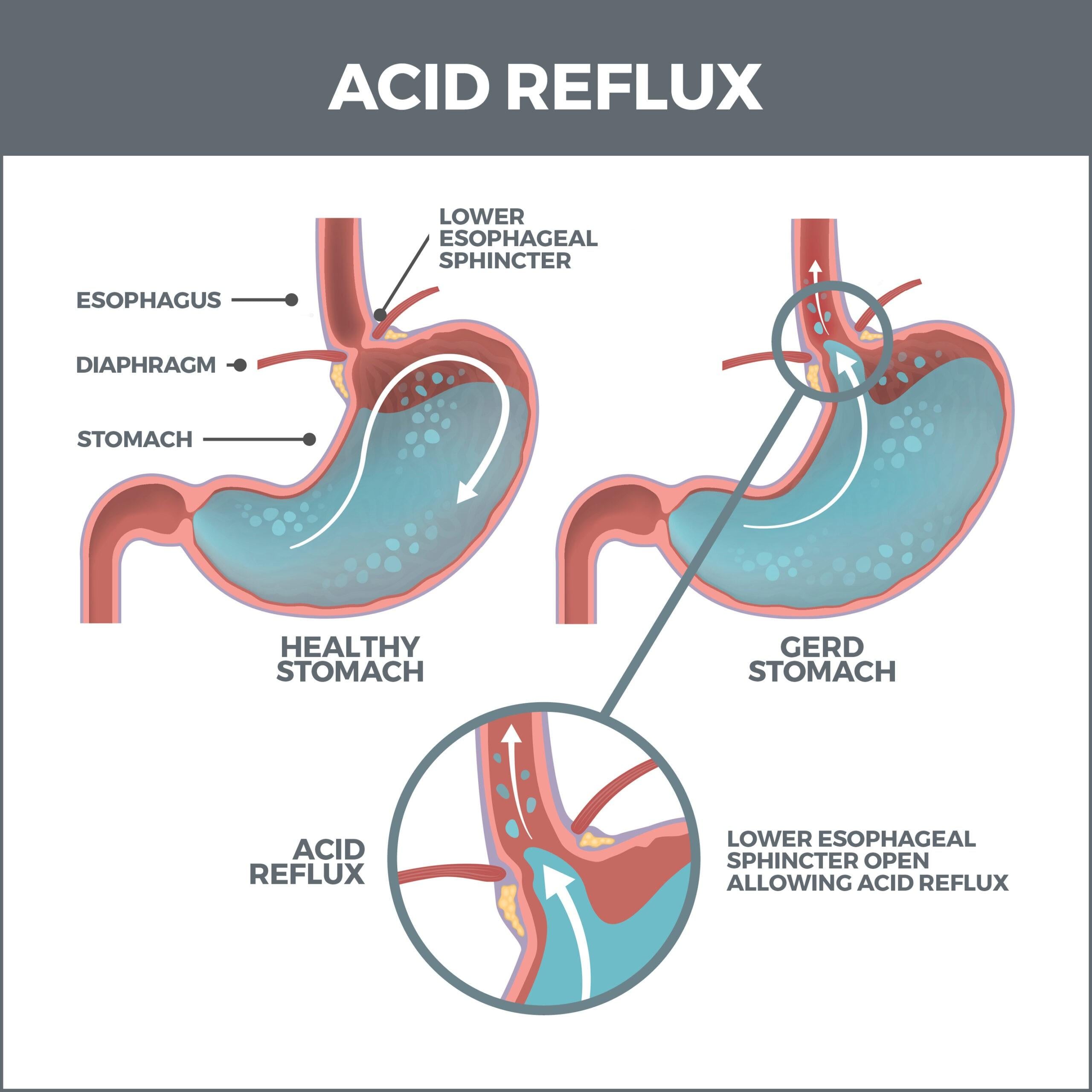
The lower esophageal sphincter acts like a one-way valve between the esophagus and the stomach. After food enters the stomach, this muscular ring should close tightly, preventing stomach acid from traveling upward.
If the sphincter becomes weak or relaxes when it shouldn’t, acid can repeatedly escape into the esophagus. Over time, repeated acid exposure irritates the lining of the esophagus and causes many of the classic symptoms associated with GERD.
Although some people are naturally more prone to this problem, lifestyle factors and certain medical conditions may also weaken the LES.
Hiatal Hernia
A hiatal hernia occurs when part of the stomach moves upward through the diaphragm into the chest cavity. This changes the normal anatomy between the stomach and esophagus, making it easier for acid to reflux upward.
Many people with small hiatal hernias never develop symptoms, while others experience persistent heartburn, regurgitation, chest discomfort, and nighttime reflux. A gastroenterologist may identify a hiatal hernia during an upper endoscopy or imaging study.
Excess Body Weight
Carrying extra weight around the abdomen increases pressure inside the abdominal cavity. This additional pressure can force stomach contents upward, especially after meals or while bending over.
Research has consistently shown that overweight and obesity are among the strongest risk factors for chronic GERD. Even modest weight loss may significantly reduce symptoms in some individuals.
Eating Large Meals
The stomach is designed to expand after eating, but very large meals stretch it considerably. As stomach pressure increases, acid is more likely to move upward through the lower esophageal sphincter.
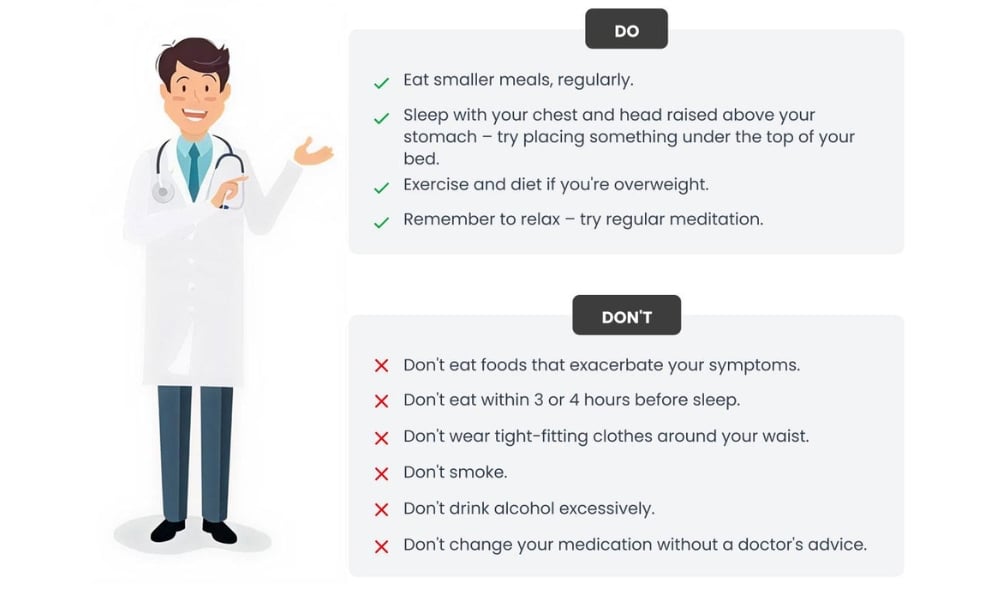
This is one reason many people notice heartburn after holiday dinners, restaurant meals, or buffets. Rather than eating one very large meal, smaller portions spaced throughout the day may reduce reflux episodes.
Eating Too Close to Bedtime
Gravity plays an important role in keeping stomach contents where they belong. When you remain upright after eating, gravity helps keep food and acid inside the stomach.
Lying down shortly after dinner removes this natural advantage. If the stomach is still full, acid can more easily travel back into the esophagus, leading to nighttime heartburn, coughing, throat irritation, and disturbed sleep.
This explains why many patients experience their worst reflux symptoms during the evening or after going to bed.
Foods That Trigger Reflux
Not everyone reacts to the same foods. However, certain foods are more commonly associated with reflux symptoms because they may relax the lower esophageal sphincter, delay stomach emptying, or increase stomach acid production.
| Common Trigger Foods | Why They May Trigger Reflux |
|---|---|
| High-fat meals | Can slow stomach emptying |
| Spicy foods | May irritate an already sensitive esophagus |
| Chocolate | May relax the lower esophageal sphincter |
| Coffee | May worsen symptoms in some individuals |
| Alcohol | Can increase reflux episodes |
| Carbonated beverages | Increase pressure inside the stomach |
| Tomato-based foods | Naturally acidic and may aggravate symptoms |
| Citrus fruits | Can increase irritation in sensitive individuals |
It’s important to remember that trigger foods vary from person to person. Eliminating every possible trigger is rarely necessary. Instead, keeping a symptom diary often helps identify the foods that consistently cause problems for you.
Smoking
Smoking affects the digestive system in several ways. It may weaken the lower esophageal sphincter, reduce saliva production that normally helps neutralize acid, and impair the esophagus’s ability to clear refluxed stomach contents.
For patients with chronic GERD, quitting smoking often improves overall digestive health in addition to providing numerous cardiovascular and respiratory benefits.
Pregnancy
Many women experience heartburn for the first time during pregnancy. Hormonal changes relax smooth muscles throughout the body, including the lower esophageal sphincter. As pregnancy progresses, the growing uterus also increases pressure inside the abdomen, making reflux more likely.
Although symptoms often improve after delivery, persistent reflux should still be evaluated if it continues long afterward.
Stress and the Gut-Brain Connection
Stress itself does not create stomach acid, but it can make existing reflux symptoms feel much worse. The digestive system and the brain communicate constantly through the gut-brain axis, influencing digestion, pain perception, and muscle function.
During periods of chronic stress, patients often become more aware of normal digestive sensations. Stress may also contribute to unhealthy eating habits, larger meals, poor sleep, and increased caffeine consumption, all of which can worsen reflux.
Doctor’s Insight
Many patients assume they have “too much stomach acid.” In reality, chronic reflux is usually caused by acid moving to the wrong place rather than producing too much acid. That’s why identifying the underlying reason for reflux is often more important than simply trying to suppress symptoms.
Important Note
Frequent heartburn should never become something you simply “learn to live with.” While occasional reflux is common, persistent symptoms can sometimes indicate GERD or another digestive disorder that requires medical evaluation. Early diagnosis may help prevent complications and improve your quality of life.
Can Acid Reflux Become a Serious Problem?
Many people are surprised to learn that acid reflux is more than just an uncomfortable burning sensation. Although occasional episodes usually do not cause lasting harm, repeated exposure of the esophagus to stomach acid can gradually damage its delicate lining.
Over months or years, untreated GERD may lead to inflammation, ulcers, narrowing of the esophagus (known as strictures), swallowing difficulties, chronic cough, sleep disruption, and changes in the esophageal lining called Barrett’s esophagus. Barrett’s esophagus is important because it may increase the risk of developing esophageal cancer in a small percentage of patients.
This does not mean everyone with reflux will develop serious complications. However, it explains why persistent symptoms deserve evaluation instead of repeated self-treatment.
One of the goals of seeing a gastroenterologist is not only to relieve symptoms but also to determine whether reflux has already caused changes inside the esophagus that require monitoring or treatment.
When Should You See a Gastroenterologist for Acid Reflux?
Occasional heartburn after a heavy meal usually isn’t an emergency. However, when reflux becomes frequent, begins interfering with your daily life, or continues despite making healthy lifestyle changes, it’s time to move beyond self-treatment and schedule an evaluation with a gastroenterologist.
Many patients wait months—or even years—before seeking medical care because they assume reflux is simply something they have to live with. Unfortunately, delaying evaluation may allow inflammation of the esophagus to continue and can make symptoms progressively more difficult to control.
A gastroenterologist specializes in diagnosing digestive disorders and can determine whether your symptoms are truly caused by GERD or another condition with similar symptoms.
You Should Schedule an Evaluation If You Have:
- Heartburn occurring more than twice each week
- Symptoms lasting several weeks or months
- Difficulty swallowing food or liquids
- Food feeling stuck while swallowing
- Frequent regurgitation of food or sour liquid
- Nighttime heartburn that interrupts sleep
- Chronic cough or repeated throat clearing
- Persistent hoarseness without another explanation
- Chest discomfort after meals
- Unexplained weight loss
- Nausea or repeated vomiting
- Black stools or vomiting blood
While these symptoms do not always indicate a serious condition, they should never be ignored. Early evaluation often leads to more effective treatment and helps identify conditions before complications develop.
How Is Chronic Acid Reflux Diagnosed?
Because several digestive disorders can produce symptoms similar to acid reflux, obtaining an accurate diagnosis is essential before deciding on the most appropriate treatment plan.
Your gastroenterologist will begin by reviewing your symptoms, medical history, dietary habits, medications, and any factors that seem to trigger reflux episodes. A physical examination and discussion of your symptoms often provide valuable clues regarding the underlying cause.
Depending on your individual situation, additional testing may be recommended.
Upper Endoscopy (EGD)
An upper endoscopy (EGD) is one of the most valuable tools for evaluating chronic reflux. During this procedure, a thin flexible camera is gently passed through the mouth to examine the esophagus, stomach, and beginning of the small intestine.
An upper endoscopy allows your gastroenterologist to identify inflammation, ulcers, Barrett’s esophagus, narrowing of the esophagus, hiatal hernias, and many other digestive conditions that may contribute to reflux symptoms.
Biopsy When Needed
If abnormal tissue is seen during endoscopy, small tissue samples may be obtained for microscopic examination. These biopsies help diagnose conditions such as Barrett’s esophagus, eosinophilic esophagitis, and other disorders that cannot always be identified by appearance alone.
Ambulatory pH Monitoring
Some patients benefit from specialized testing that measures how frequently stomach acid enters the esophagus over a 24-hour period. This testing can help confirm GERD when symptoms remain unclear or persist despite treatment.
Esophageal Motility Testing
When swallowing problems accompany reflux symptoms, esophageal motility testing may be recommended to evaluate how well the muscles of the esophagus move food toward the stomach.
Why Proper Diagnosis Matters
Heartburn is a symptom—not a diagnosis. Several digestive conditions can produce symptoms that feel almost identical to acid reflux. Identifying the correct condition allows treatment to be personalized rather than relying on repeated trial-and-error.
Treatment Options Beyond Medicine
Many people searching for gastric reflux medicine are hoping for a quick solution. While symptom relief is certainly important, long-term improvement often depends on identifying and correcting the factors causing reflux in the first place.
Rather than automatically recommending medication, gastroenterologists take a comprehensive approach that focuses on improving digestive health while reducing the frequency and severity of reflux episodes.
Lifestyle Modifications
For many patients, relatively simple lifestyle changes can significantly reduce reflux symptoms.
| Lifestyle Change | Potential Benefit |
|---|---|
| Eat smaller meals | Reduces pressure inside the stomach |
| Avoid lying down after eating | Helps gravity keep stomach contents down |
| Maintain a healthy weight | Reduces abdominal pressure |
| Identify trigger foods | Reduces unnecessary symptom flare-ups |
| Stop smoking | Supports normal esophageal function |
| Improve sleep habits | May reduce nighttime reflux episodes |
Not every recommendation is appropriate for every patient. The most effective treatment plan depends on the cause of your reflux, the severity of your symptoms, and whether complications are already present.
Important Note
If your reflux symptoms continue despite making healthy lifestyle changes, or if symptoms quickly return, do not assume stronger medication is automatically the answer. Persistent reflux deserves a complete evaluation to determine why it is occurring and whether additional testing is appropriate.
Can Acid Reflux Be Prevented?
Although not every case of reflux can be prevented, many people reduce symptoms by developing healthy daily habits. Paying attention to meal size, maintaining a healthy body weight, avoiding meals immediately before bedtime, limiting foods that consistently trigger symptoms, managing stress, and staying physically active all contribute to better digestive health.
Equally important is recognizing when symptoms have become persistent. Seeking evaluation early often prevents months or years of unnecessary discomfort while reducing the likelihood of long-term complications.
Digestive Health Starts With Understanding the Cause
Heartburn is common—but living with chronic reflux shouldn’t become your normal. If you’re repeatedly searching for gastric reflux medicine, it may be time to ask a different question: Why am I experiencing reflux in the first place?
Understanding the cause allows your gastroenterologist to develop a treatment plan that’s designed for your specific condition rather than simply masking symptoms.
Expert GERD and Acid Reflux Care in Katy, Cypress, and Greater Houston
If you’re experiencing frequent heartburn, chronic acid reflux, nighttime reflux, regurgitation, or difficulty swallowing, the experienced team at United Gastroenterology Associates provides comprehensive evaluation and treatment for a wide range of digestive conditions.
Our board-certified gastroenterologist cares for patients throughout the Greater Houston area, including Katy and Cypress, using advanced diagnostic procedures such as upper endoscopy (EGD) to determine the underlying cause of persistent reflux symptoms.
Rather than simply treating symptoms, our goal is to identify the cause of your reflux and create a personalized treatment plan that supports long-term digestive health.
Frequently Asked Questions
Should I keep taking medicine if my reflux keeps returning?
If reflux symptoms repeatedly return or become more frequent, you should consult a gastroenterologist to determine the underlying cause rather than continuing to self-treat.
Can GERD go away permanently?
Some patients experience significant improvement with lifestyle modifications and appropriate medical care. Others require ongoing management depending on the underlying cause.
Can acid reflux cause difficulty swallowing?
Yes. Persistent reflux may cause inflammation or narrowing of the esophagus, making swallowing uncomfortable or difficult.
Is heartburn always caused by GERD?
No. Heartburn is a symptom that may have several causes. A proper evaluation helps determine the exact diagnosis.
When is an upper endoscopy recommended?
An upper endoscopy may be recommended for persistent reflux, difficulty swallowing, unexplained weight loss, bleeding, anemia, or symptoms that continue despite treatment.
Who should I see for chronic acid reflux?
A board-certified gastroenterologist specializes in diagnosing and treating GERD and other digestive disorders that may cause chronic reflux symptoms.
Medical Disclaimer
This article is intended for educational purposes only and should not replace professional medical advice, diagnosis, or treatment. If you have persistent acid reflux, heartburn, difficulty swallowing, chest pain, vomiting blood, black stools, or unexplained weight loss, seek prompt evaluation by a qualified healthcare professional.