
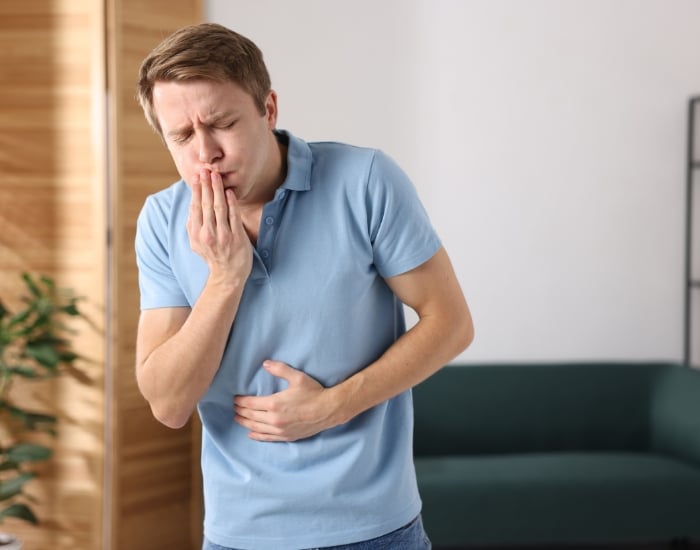
Stomach pain after eating is common but often misunderstood. While occasional discomfort may result from overeating or certain foods, recurring pain after meals can signal an underlying digestive issue that needs attention.
Patients in Houston, Katy, and Cypress often search for causes of stomach pain after meals, abdominal discomfort, or pain that begins shortly after eating. These symptoms can range from mild irritation to signs of more serious gastrointestinal conditions.
At United Gastroenterology Associates, patients receive expert care from a board-certified gastroenterologist who provides personalized diagnosis and treatment, focusing on long-term digestive health and relief.
Why Does Stomach Pain Occur After Eating?
After eating, the digestive system springs into action. The stomach releases acids and enzymes to break down food, while muscles in the stomach and intestines work to move it along the digestive tract. When any part of this process is disrupted, it can result in pain, cramping, or general discomfort.
Stomach pain after meals may arise from irritation, inflammation, or difficulty digesting certain foods. In some cases, recurring pain could signal an underlying chronic condition affecting the digestive tract that requires medical attention.
Some of the most common causes include:
- Increased stomach acid production: Excess acid can irritate the stomach lining, leading to discomfort, burning, or a sensation of fullness.
- Delayed digestion: Conditions that slow the emptying of the stomach, such as gastroparesis, can cause bloating, nausea, and post-meal pain.
- Food intolerance or sensitivity: Difficulty digesting certain foods, like lactose, gluten, or high-fat meals, can trigger discomfort, bloating, or diarrhea.
- Inflammation of the stomach lining (gastritis): Ongoing irritation from infections, medications, or other factors can make the stomach more sensitive to meals.
Paying attention to the timing, severity, and pattern of stomach pain—such as whether it occurs immediately after eating, after specific foods, or consistently with each meal—can provide important clues about its cause. This information helps a gastroenterologist determine the appropriate tests, diagnosis, and treatment plan.
Common Causes of Stomach Pain After Eating
Acid Reflux and GERD
Acid reflux occurs when stomach acid flows back into the esophagus, causing irritation and pain. This condition is often triggered after meals and can become chronic if untreated. Conditions such as acid reflux are commonly managed through specialized care available at acid reflux treatment.
Symptoms include:
- Burning sensation in the chest or stomach
- Pain after eating
- Regurgitation
- Difficulty swallowing
Gastritis and Stomach Inflammation
Gastritis involves inflammation of the stomach lining and can lead to pain after eating, especially when consuming spicy or acidic foods. Conditions such as gastritis can worsen over time if not treated properly.
Symptoms include:
- Burning or aching stomach pain
- Nausea
- Loss of appetite
- Fullness after small meals
Gallbladder Disease
The gallbladder plays an important role in digesting fats. Problems such as gallstones can cause pain after eating, particularly after fatty meals.
Symptoms include:
- Pain in the upper right abdomen
- Pain after fatty foods
- Nausea
- Pain that radiates to the back
Irritable Bowel Syndrome (IBS)
IBS can cause abdominal pain triggered by eating, along with changes in bowel habits. Conditions like irritable bowel syndrome can result in recurring symptoms that require long-term management.
Symptoms include:
- Cramping after meals
- Bloating
- Diarrhea or constipation
- Relief after bowel movement
Food Intolerance
Certain foods can trigger digestive discomfort in sensitive individuals.
Common triggers include:
- Dairy products
- Gluten-containing foods
- Fried or fatty meals
- Artificial sweeteners
Identifying trigger foods is key to managing symptoms.
When Should You Be Concerned?
Occasional discomfort may not be serious, but persistent or worsening symptoms should be evaluated.
Warning signs include:
- Pain that occurs after every meal
- Severe or sharp abdominal pain
- Unexplained weight loss
- Nausea or vomiting
- Blood in stool
In such cases, further evaluation is necessary. A procedure such as a colonoscopy may be recommended to assess the digestive tract.
Diagnosis and Testing
To determine the cause of stomach pain after eating, a gastroenterologist may recommend diagnostic testing.
Common diagnostic methods include:
- Blood tests
- Imaging studies
- Endoscopy
- Colonoscopy
Advanced procedures such as colonoscopy services help identify inflammation, ulcers, or other conditions affecting digestion.
Treatment Options
Treatment depends on the underlying cause and severity of symptoms.
Common treatment approaches include:
- Dietary changes
- Medications to reduce acid or inflammation
- Lifestyle modifications
- Treatment of underlying conditions
A personalized treatment plan provides the most effective long-term results.
When to See a Gastroenterologist
Recurring stomach pain after eating should not be ignored. Early consultation with a specialist can prevent complications and improve outcomes.
Patients experiencing persistent symptoms can benefit from consulting a specialist at locations such as the Katy gastroenterologist clinic or the Cypress gastroenterologist clinic, where comprehensive care is available.
Serving Katy, Cypress, and Nearby Areas
United Gastroenterology Associates provides care at its Katy and Cypress locations, serving patients from Richmond, Rosenberg, and Fulshear. Patients searching for a gastroenterologist near me in Katy, Cypress, Richmond, Rosenberg, and Fulshear can access advanced digestive care and personalized treatment.
Related Digestive Care Services
If you are experiencing ongoing digestive symptoms, you may benefit from:
Frequently Asked Questions
Why does my stomach hurt after eating?
This may be caused by acid reflux, gastritis, gallbladder issues, or food intolerance.
Is stomach pain after eating serious?
It can be serious if it occurs frequently or is accompanied by other symptoms like weight loss or vomiting.
What foods cause stomach pain after eating?
Common triggers include fatty foods, dairy, spicy meals, and processed foods.
When should I see a doctor?
You should see a doctor if pain is persistent, severe, or worsening.
Can IBS cause pain after eating?
Yes, IBS can cause cramping and discomfort after meals.
Do I need a colonoscopy?
A colonoscopy may be recommended if symptoms are persistent or unexplained.
Conclusion
Stomach pain after eating is a common symptom, but it should not be ignored when it becomes frequent or severe. Identifying the cause is essential for effective treatment and long-term digestive health.
If symptoms persist, early evaluation can provide relief and prevent complications.
Disclaimer: This content is for educational purposes only and should not be considered medical advice. Please consult a healthcare provider for proper diagnosis and treatment.