

Receiving blood test results showing “elevated liver enzymes” can be stressful. Many patients see numbers like ALT and AST on their lab report and immediately wonder, “Does this mean my liver is damaged?” or “Do I have a serious liver disease?”
The truth is that abnormal liver enzymes are a signal that your liver may be experiencing stress, inflammation, or injury — but the numbers alone do not tell the entire story. Mildly elevated levels can happen for many reasons, including conditions that are common and treatable.
Your liver performs hundreds of important functions every day. It helps process nutrients, removes toxins from the bloodstream, produces proteins needed for your body, and supports digestion. Because the liver works continuously, changes in liver-related blood tests can provide valuable clues about your overall health.
Two of the most commonly discussed liver enzymes are ALT (alanine aminotransferase) and AST (aspartate aminotransferase). Understanding what these enzymes mean, why they become elevated, and when additional evaluation is needed can help you take the right next step for your health.
Table of Contents
- What Are ALT and AST Liver Enzymes?
- Why Are Liver Enzymes Elevated?
- What Is the Difference Between ALT and AST?
- Common Causes of Abnormal Liver Enzymes
- Fatty Liver Disease and Elevated ALT/AST
- Symptoms That May Occur With Liver Enzyme Problems
- When Should You See a Liver Specialist?
- How Doctors Evaluate Abnormal Liver Tests
- How FibroScan Helps Assess Liver Health
- Treatment and Management Options
- Liver Care in Cypress and Katy, TX
- Frequently Asked Questions
Important Note
An abnormal liver enzyme result does not automatically mean you have permanent liver damage. Many causes of elevated ALT and AST levels can be identified and treated when evaluated properly. This guide explains what these blood tests mean, why levels may change, and when seeing a gastroenterologist or liver specialist can help protect your long-term health.
What Are ALT and AST Liver Enzymes?
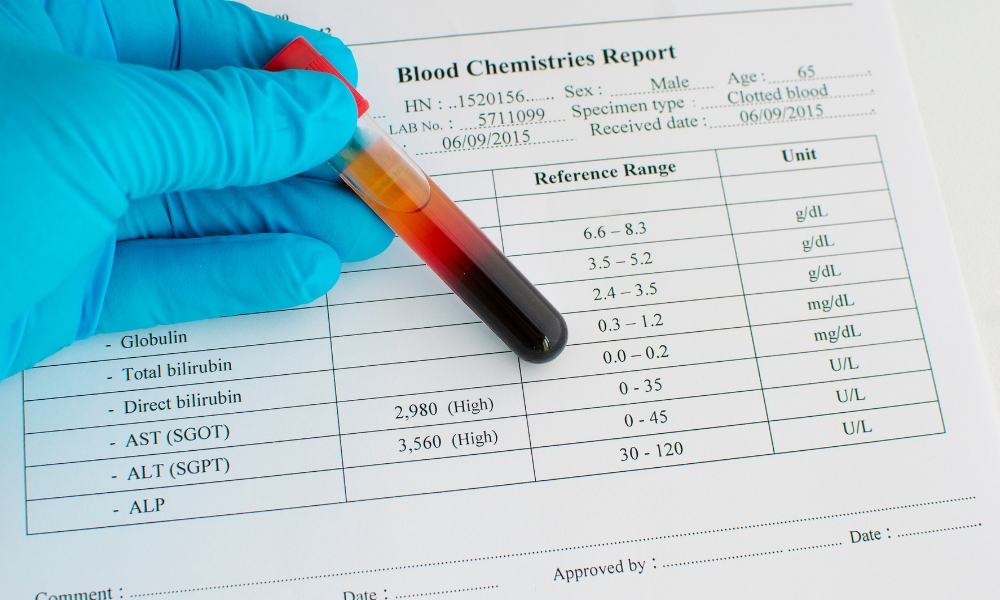
ALT and AST are enzymes found inside cells that help your body perform important metabolic functions. When liver cells become irritated or injured, these enzymes can leak into the bloodstream, causing higher-than-normal blood test results.
Doctors often check ALT and AST as part of a liver panel or comprehensive metabolic blood test. These results provide information about whether the liver may be experiencing inflammation or stress.
However, ALT and AST are not direct measurements of how well your liver is functioning. Instead, they are markers that may indicate liver cell injury.
For example, a person may have elevated enzymes because of:
- Fat accumulation in the liver
- Viral hepatitis infections
- Medication effects
- Alcohol-related liver irritation
- Autoimmune conditions
- Muscle injury or strenuous exercise
- Temporary illness or inflammation
This is why doctors do not diagnose liver disease based on one number alone. They consider your complete medical history, symptoms, other blood tests, imaging results, and risk factors.
What Is the Difference Between ALT and AST?
Although ALT and AST are both considered liver enzymes, they behave differently in the body.
ALT vs AST: Understanding the Difference
| Enzyme | What It Indicates | Common Associations |
|---|---|---|
| ALT | More closely associated with liver cell irritation or injury | Fatty liver disease, hepatitis, medication-related liver injury |
| AST | Found in the liver and other tissues including muscles | Liver disease, alcohol-related injury, muscle injury |
ALT is generally considered more liver-specific because it is found in higher concentrations in liver cells. AST, however, can increase because of problems outside the liver, including muscle damage.
This is why physicians look at patterns rather than isolated numbers.
For example:
- A higher ALT level may suggest active liver cell irritation.
- A higher AST compared with ALT may provide additional clues about possible causes.
- Mild elevations may require monitoring rather than immediate treatment.
- Significant elevations may require more urgent evaluation.
The meaning of your results depends on your individual health history, medications, lifestyle factors, and other test findings.
Why Are Liver Enzymes Elevated?
Elevated liver enzymes usually mean that liver cells are under stress or have experienced some type of irritation.
The liver has an impressive ability to repair itself, and many cases of elevated enzymes are caused by conditions that improve with proper treatment or lifestyle changes.
Common reasons liver enzymes may become elevated include:
Fatty Liver Disease
One of the most common causes of elevated ALT and AST levels is fatty liver disease.
Fatty liver occurs when excess fat builds up inside liver cells. While small amounts of fat may not cause problems, ongoing fat accumulation can trigger inflammation and, in some cases, liver scarring.
Fatty liver disease is often associated with:
- Overweight or obesity
- Type 2 diabetes
- Insulin resistance
- High cholesterol or triglycerides
- Metabolic syndrome
Many people with fatty liver disease do not experience symptoms, which means abnormal liver enzymes may be the first clue that further evaluation is needed.
Viral Hepatitis
Hepatitis refers to inflammation of the liver. Certain viruses, including hepatitis B and hepatitis C, can cause long-term liver inflammation if not diagnosed and treated.
Some people with viral hepatitis may have no noticeable symptoms for years, while others may experience:
- Fatigue
- Abdominal discomfort
- Nausea
- Dark urine
- Yellowing of the skin or eyes
Blood testing can help determine whether viral hepatitis may be contributing to abnormal liver enzymes.
Medication-Related Liver Enzyme Elevation
Some prescription medications, over-the-counter medicines, and supplements can affect liver enzymes.
This does not mean every medication is harmful to the liver. However, it is important for your healthcare provider to know everything you take, including herbal products and supplements.
Examples that may require monitoring include:
- Certain cholesterol medications
- Some antibiotics
- Specific pain medications
- Herbal supplements
- Bodybuilding or performance supplements
Alcohol-Related Liver Enzyme Elevation
Alcohol consumption can affect liver health, and in some people, it may contribute to elevated liver enzymes. The liver processes alcohol, and excessive or long-term alcohol exposure can create inflammation and stress within liver cells.
Alcohol-related liver changes can range from mild inflammation to more advanced conditions involving scarring of the liver.
Depending on the situation, doctors may evaluate:
- The amount and frequency of alcohol consumption
- AST and ALT patterns
- Other liver blood tests
- Imaging results
- Signs of liver scarring
It is important to understand that liver health is influenced by many factors. A person’s risk depends on overall health, genetics, nutrition, medications, and other medical conditions.
Autoimmune Liver Conditions
Sometimes, the body’s immune system mistakenly attacks healthy liver tissue, causing inflammation. These conditions are known as autoimmune liver diseases.
Autoimmune hepatitis is one example that may cause elevated liver enzymes. Because symptoms can be subtle, some patients are diagnosed after abnormal blood tests rather than because they feel seriously ill.
Possible symptoms may include:
- Persistent fatigue
- Abdominal discomfort
- Joint pain
- Loss of appetite
- Yellowing of the skin or eyes
Specialized blood tests and sometimes liver biopsy may be considered depending on the findings.
Hemochromatosis and Other Metabolic Conditions
Some inherited conditions can affect how the body stores or processes certain substances. One example is hemochromatosis, where excess iron accumulates in organs, including the liver.
Other metabolic conditions may also contribute to abnormal liver tests. A gastroenterologist or hepatologist can help determine whether additional testing is appropriate.
Muscle Injury and Other Non-Liver Causes
Although ALT and AST are commonly called liver enzymes, they are not found exclusively in the liver.
AST, in particular, is also present in muscles. Significant muscle injury, intense physical activity, or certain muscle disorders can sometimes affect AST levels.
This is why interpreting liver enzyme results requires looking at the complete picture rather than focusing on one number.
Fatty Liver Disease and Elevated ALT/AST
Fatty liver disease is one of the most common reasons patients discover they have abnormal liver enzymes.
The condition occurs when excess fat accumulates in liver cells. In many cases, fatty liver develops silently without obvious symptoms, making routine blood testing an important way to identify possible problems early.
There are two broad categories of fatty liver disease:
- Metabolic dysfunction-associated steatotic liver disease (MASLD): Related to metabolic factors such as obesity, diabetes, insulin resistance, and cholesterol abnormalities.
- Alcohol-associated liver disease: Related to alcohol exposure that contributes to liver inflammation and injury.
Many patients with fatty liver feel completely normal. Others may experience:
- Fatigue
- Mild discomfort in the upper right abdomen
- A general feeling of reduced energy
- Difficulty managing weight
The concern with fatty liver is not only the fat itself. In some individuals, ongoing inflammation can lead to fibrosis, which means scar tissue begins forming in the liver.
Over time, significant fibrosis may increase the risk of advanced liver disease.
This is why identifying fatty liver early and understanding the condition’s severity are important steps in protecting long-term liver health.
Symptoms That May Occur With Liver Enzyme Problems
Many people with abnormal ALT and AST levels do not have noticeable symptoms. This is one reason liver problems can sometimes go undetected until routine blood work reveals an abnormal result.
When symptoms do occur, they may vary depending on the underlying cause and severity of liver inflammation.
Possible symptoms associated with liver problems may include:
- Unusual tiredness or fatigue
- Loss of appetite
- Nausea
- Abdominal discomfort, especially on the upper right side
- Dark-colored urine
- Pale-colored stools
- Itching
- Yellowing of the skin or eyes (jaundice)
- Unexplained weight changes
However, the absence of symptoms does not always mean the liver is healthy. Conditions such as fatty liver disease and early fibrosis may develop quietly.
This is why abnormal laboratory findings deserve appropriate follow-up, even when you feel well.
When Should You See a Liver Specialist for Abnormal Enzymes?
You should consider seeing a gastroenterologist or liver specialist when liver enzymes remain elevated, the cause is unclear, or additional evaluation is needed.
A single mildly abnormal test does not always mean there is a serious problem. Sometimes levels may temporarily change because of illness, medications, exercise, or other short-term factors.
However, medical evaluation is important when:
- Liver enzymes remain elevated on repeat testing
- ALT or AST levels are significantly increased
- You have risk factors for liver disease
- You have a history of hepatitis
- Imaging shows fatty liver
- You take medications that may affect the liver
- You experience symptoms such as jaundice or abdominal swelling
A liver specialist can help determine whether the abnormal results represent temporary irritation or a condition requiring treatment.
How Doctors Evaluate Abnormal Liver Tests
Finding elevated liver enzymes is only the beginning of the evaluation process. The next step is understanding why the levels are abnormal.
Your doctor may review:
- Your complete medical history
- Current medications and supplements
- Alcohol use patterns
- Family history of liver disease
- Weight and metabolic health factors
- Previous laboratory results
Additional testing may include:
Repeat Liver Function Testing
Your physician may repeat blood tests to determine whether the elevation is temporary or persistent.
Trends over time are often more meaningful than one isolated result.
Additional Blood Tests
Depending on your situation, testing may evaluate:
- Hepatitis infections
- Autoimmune liver conditions
- Iron storage disorders
- Other metabolic causes
Liver Ultrasound
Imaging studies such as ultrasound may help identify:
- Fat accumulation in the liver
- Liver enlargement
- Structural abnormalities
- Other concerns requiring further evaluation
FibroScan Liver Evaluation
For some patients, doctors may recommend FibroScan to measure liver stiffness and assess whether fibrosis or scarring may be present.
FibroScan is a non-invasive test that uses ultrasound-based technology to evaluate liver health without requiring surgery or a biopsy in many cases.
This can be especially useful for patients with:
- Fatty liver disease
- Chronic liver conditions
- Persistent abnormal liver enzymes
- Risk factors for liver fibrosis
Learn more about FibroScan evaluation:
How FibroScan Helps Assess Liver Health
When liver enzymes remain elevated, many patients want to know whether their liver has developed permanent damage or whether the problem is something that can improve with treatment. This is where additional liver evaluation tools, such as FibroScan, can provide valuable information.
FibroScan is a non-invasive test that measures liver stiffness, which can help estimate whether fibrosis (scar tissue) may be present.
Traditionally, doctors sometimes relied on liver biopsy to evaluate scarring. While biopsy can still be useful in certain situations, FibroScan provides a comfortable alternative for many patients by using ultrasound-based technology to assess liver tissue.
During a FibroScan examination:
- A small probe is placed against the skin over the liver area
- The device sends gentle vibrations through the liver
- The machine measures how quickly the vibrations travel through the tissue
- The results help estimate liver stiffness and fat accumulation
The test is usually quick, painless, and does not require needles or surgery.
FibroScan may be helpful for patients with:
- Fatty liver disease
- Persistently elevated ALT or AST levels
- Chronic hepatitis
- Concern for liver fibrosis
- Long-term liver disease monitoring
It is important to understand that FibroScan is one part of a complete liver evaluation. Your doctor combines the results with blood tests, medical history, imaging, and other findings to understand your overall liver health.
Learn more about liver evaluation and specialized care:
Treatment and Management Options for Abnormal Liver Enzymes
Treatment for elevated liver enzymes focuses on identifying and addressing the underlying cause.
Because abnormal ALT and AST levels are signs of possible liver stress rather than a diagnosis by themselves, the treatment approach depends on what is causing the elevation.
Managing Fatty Liver Disease
For many patients with fatty liver disease, lifestyle changes play an important role in improving liver health.
Your healthcare provider may recommend strategies such as:
- Achieving a healthy weight through sustainable changes
- Improving blood sugar control
- Managing cholesterol and triglyceride levels
- Increasing physical activity
- Following a balanced nutrition plan
Even modest improvements in weight, exercise habits, and metabolic health can positively affect liver function for many patients.
The goal is not quick fixes or extreme diets. Sustainable changes that support long-term health are usually the most effective approach.
Medication Review and Adjustment
If a medication or supplement may be contributing to elevated liver enzymes, your doctor can review whether adjustments are needed.
Patients should never stop prescription medications on their own. Instead, discuss concerns with your healthcare provider, who can determine the safest approach.
Treating Viral Hepatitis
If hepatitis B, hepatitis C, or another viral infection is identified, treatment options may be available to reduce inflammation and protect the liver.
Modern hepatitis treatments have significantly improved outcomes for many patients, especially when conditions are diagnosed early.
Monitoring Chronic Liver Conditions
Some liver conditions require ongoing monitoring rather than immediate intervention.
Regular follow-up may include:
- Repeat liver blood tests
- Imaging studies
- FibroScan assessments
- Medication management
- Lifestyle guidance
The purpose of monitoring is to detect changes early and prevent complications before they become more serious.
Important Note
An abnormal liver enzyme result can feel alarming, but it does not automatically mean your liver is failing or permanently damaged. Many patients have treatable causes behind elevated ALT and AST levels. Avoid self-diagnosing based on a single lab result and work with a qualified GI or liver specialist to understand what your results truly mean.
Why Early Liver Evaluation Matters
The liver is an organ with a remarkable ability to heal, especially when problems are identified early.
However, ongoing inflammation that is left untreated can sometimes lead to progressive scarring. Advanced scarring, known as cirrhosis, can affect how well the liver performs essential functions.
Early evaluation allows doctors to:
- Identify reversible causes
- Reduce ongoing liver inflammation
- Monitor disease progression
- Recommend appropriate lifestyle changes
- Prevent avoidable complications
Many liver conditions progress quietly, which means waiting until symptoms become severe may delay important care.
Liver Care in Cypress and Katy, TX
If your blood work shows elevated ALT, AST, or other abnormal liver tests, getting an expert evaluation can help you understand what is happening and what steps should come next.
At United Gastroenterology Associates, PLLC, patients throughout Cypress, Katy, and the greater Houston area receive specialized digestive and liver care focused on accurate diagnosis, personalized treatment, and long-term health.
The practice is led by Dr. Muhammad Ali Khan, MD, FACP, FASGE, a board-certified gastroenterologist and hepatologist with extensive experience in digestive disorders and liver disease management.
Dr. Khan has advanced expertise in gastroenterology and hepatology, including evaluation of abnormal liver tests, fatty liver disease, chronic liver conditions, and complex digestive disorders.
At United Gastro TX, liver evaluation may include assessment for:
- Abnormal liver enzymes
- Fatty liver disease
- Chronic hepatitis
- Liver fibrosis risk
- Cirrhosis monitoring
- Unexplained liver-related blood test abnormalities
Available services may include:
- Comprehensive liver consultations
- Liver blood test evaluation
- FibroScan assessment
- Liver disease management
- Personalized treatment planning
Learn more about liver disease care:
Liver Disease Management Houston
United Gastroenterology Associates
Cypress GI Clinic
21216 Northwest Freeway, Suite 640
Cypress, TX 77429
Katy GI Clinic
23920 Katy Fwy, Suite 555
Katy, TX 77494
Phone: (346) 340-4414
Office Hours: Monday-Friday
If you have abnormal liver enzymes, you do not have to navigate confusing lab results alone. A proper evaluation can help explain your numbers, identify possible causes, and create a plan to protect your liver health.
Frequently Asked Questions About Abnormal Liver Enzymes
What does it mean when ALT and AST are high?
High ALT and AST levels usually mean that liver cells are experiencing some type of stress, irritation, or injury. The cause can range from fatty liver disease and medications to infections or other medical conditions. Additional evaluation helps determine the reason.
Are elevated liver enzymes always a sign of liver disease?
No. Elevated liver enzymes can happen for many reasons, including temporary illness, exercise-related muscle injury, medications, or liver conditions. Your doctor evaluates the entire picture rather than relying on one blood test.
What level of ALT or AST is dangerous?
The significance of ALT and AST levels depends on the degree of elevation, your symptoms, other laboratory results, and your medical history. A gastroenterologist can determine whether your results require monitoring, additional testing, or treatment.
Can fatty liver cause elevated ALT and AST?
Yes. Fatty liver disease is one of the most common causes of abnormal liver enzymes. Fat accumulation can irritate liver cells and may contribute to elevated ALT or AST levels.
How can I lower my liver enzymes naturally?
Improving metabolic health, maintaining a healthy weight, exercising regularly, avoiding unnecessary alcohol intake, and following your healthcare provider’s recommendations may help improve liver health depending on the cause.
What doctor should I see for abnormal liver enzymes?
A gastroenterologist or hepatologist specializes in liver-related conditions and can evaluate abnormal liver tests, determine the cause, and recommend appropriate treatment or monitoring.
Is FibroScan better than a liver biopsy?
FibroScan is a non-invasive tool that helps estimate liver stiffness and fat. In many situations it provides useful information without a biopsy, although your doctor will determine which tests are appropriate for your specific condition.
Medical Disclaimer
This article is for educational purposes only and does not replace professional medical advice, diagnosis, or treatment. If you have abnormal liver enzymes, persistent symptoms, or concerns about your liver health, consult a qualified healthcare professional.
Early evaluation can help identify the cause of abnormal liver tests and support better long-term liver health.
Schedule a consultation with United Gastroenterology Associates in Cypress or Katy, TX.
Call (346) 340-4414 today.
Concerned about your results? Elevated ALT or AST levels should be reviewed by a specialist. Learn about our approach to abnormal liver enzyme evaluation in Cypress & Katy, TX, or call (346) 340-4414.